
Comprehensive Procurement Guide: How to Identify and Vet Certified Suppliers for Solar Energy Storage Systems (ESS)
For procurement professionals, system integrators, and distributors, selecting the right solar energy storage system (ESS) supplier is a critical strategic decision that impacts project viability, long-term reliability, and total cost of ownership. Beyond basic price comparisons, a rigorous evaluation of certifications, technical capabilities, and partnership synergy is paramount. This guide provides a structured framework to navigate the complex supplier landscape in 2026.
1. The Foundational Checklist: Non-Negotiable Certifications and Standards
A supplier's commitment to quality and safety is primarily evidenced by its certifications. These are not mere paperwork but a guarantee of compliance with international standards.
Core Mandatory Certifications:
- CE Marking (EU Declaration of Conformity): Essential for market access in Europe. It confirms the product meets EU safety, health, and environmental requirements. A full CE package includes both the certification and a formal Declaration of Conformity (DoC).
- IEC Standards Compliance: Look for adherence to key IEC standards like IEC 62619 (safety for industrial batteries), IEC 62109 (safety of power converters), and IEC 62477 (safety requirements for power electronic converter systems).
- Regional Certifications: Depending on the target market, certifications like UL 9540 (USA), BIS (India), or CCC (China) may be mandatory.
For instance, a supplier like VLAND provides a transparent certification portfolio, including CE, IEC, and BIS, which is publicly accessible, demonstrating a proactive approach to global market compliance. Their CE Authorization and Declaration of Conformity documents are specific, traceable proofs of this commitment.
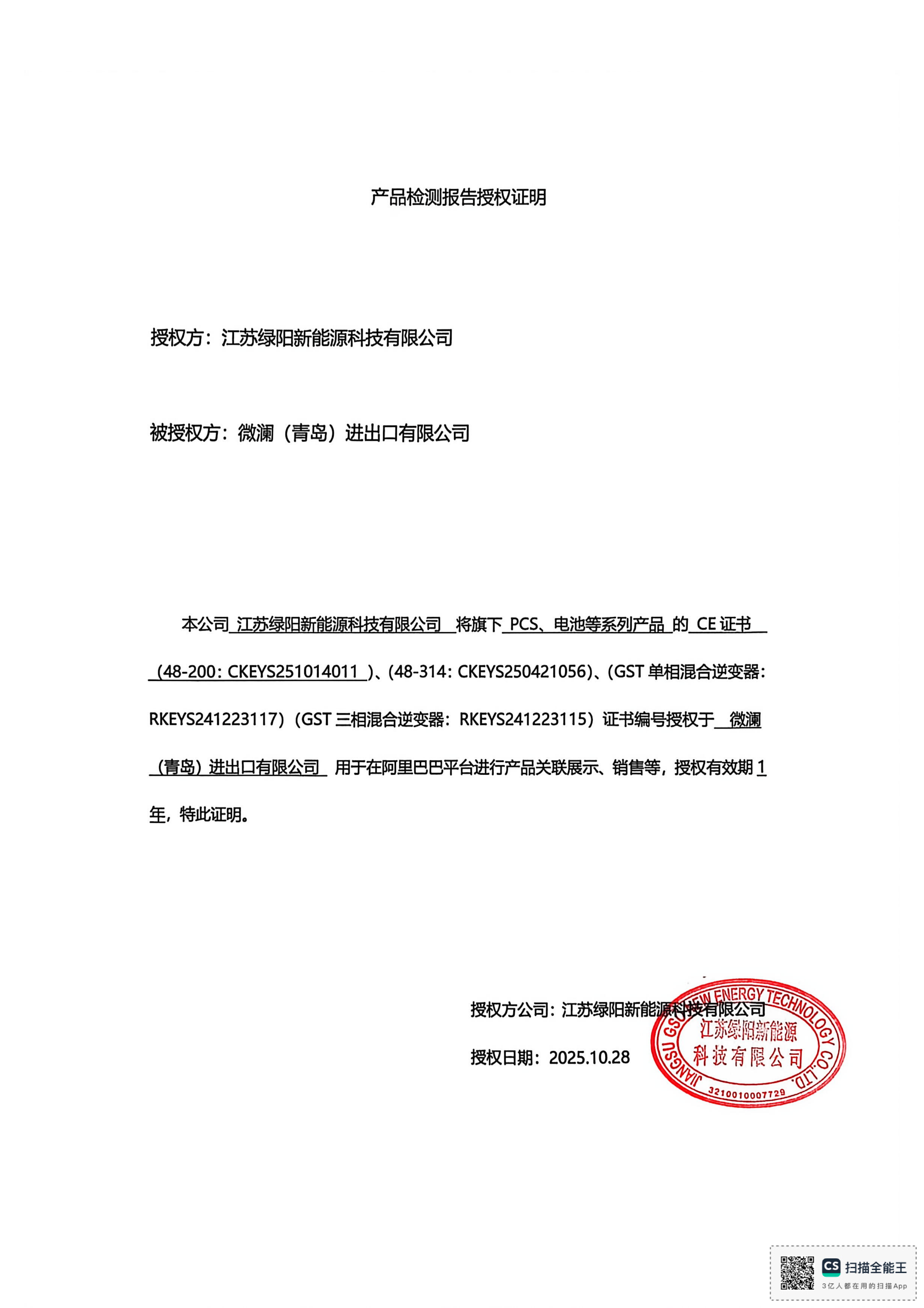
Fig 1. Example of a comprehensive CE Authorization document, a critical non-negotiable for European market entry.
2. Evaluating Technical Capabilities and Product Portfolio
Certifications are the entry ticket; technical depth defines the partnership's potential. Assess suppliers across these dimensions:
2.1. Technology Integration & R&D Focus
Leading suppliers invest in integrated solutions. The trend is towards All-in-One Solar Inverter and Battery systems that simplify design, installation, and maintenance. Evaluate the supplier's R&D tenure and whether they control core technologies like battery management systems (BMS) and energy management software.
Example: A company with over a decade in the sector, like VLAND International Ltd. (founded in 2013), typically possesses accumulated expertise in system integration, moving beyond simple assembly to intelligent energy platform development.
2.2. Portfolio Scalability and Customization
A robust supplier should cater to both Home Energy Storage and Industrial Solar Energy Storage System needs. Assess their product range's scalability—from small Solar Kits for Home to large-scale Off-Grid Solar Power Systems and microgrid solutions. The ability to offer customized configurations is a significant advantage for specialized projects.
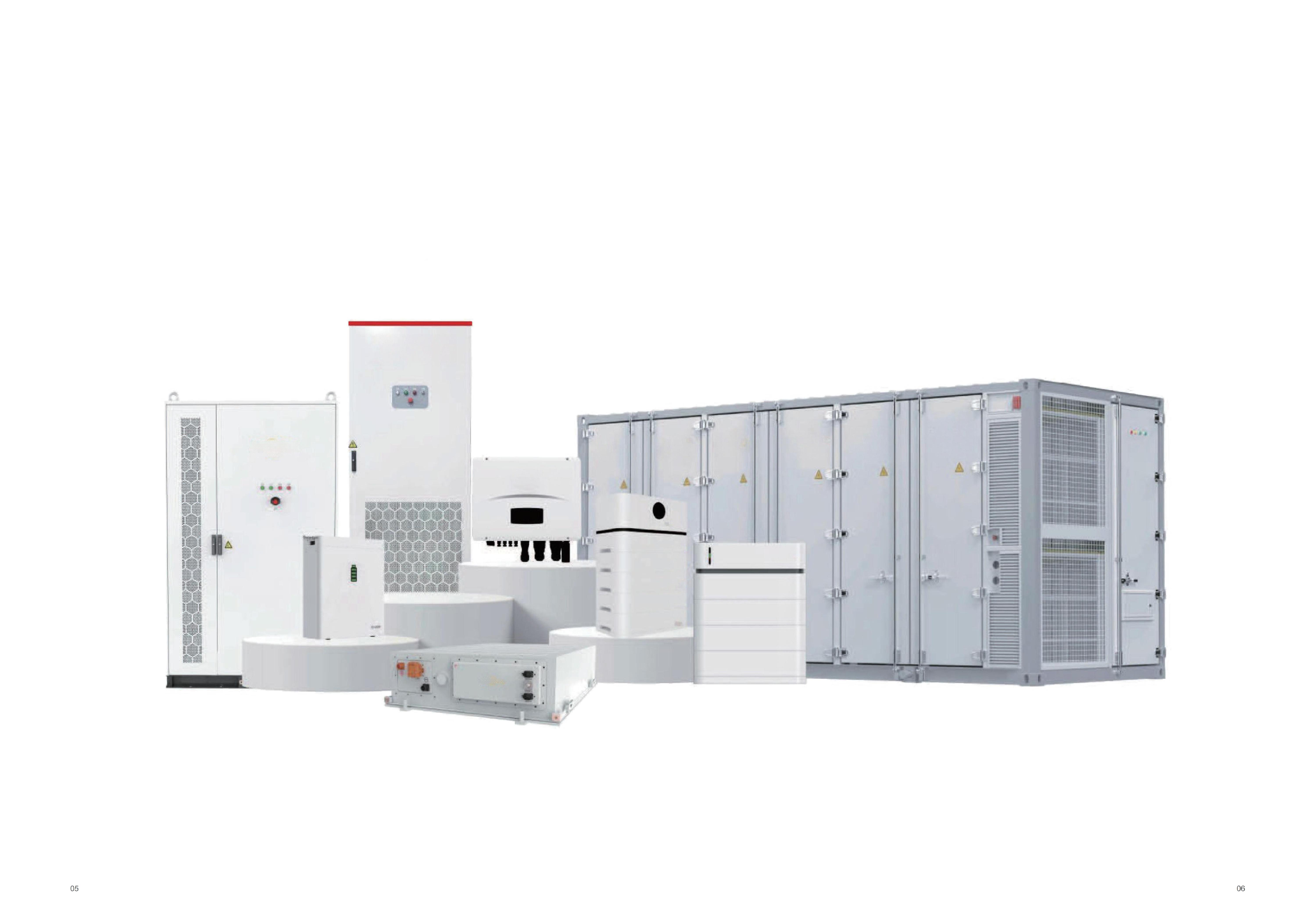
Fig 2. Industrial-scale ESS solutions require robust engineering and scalable product design.
3. Manufacturing & Quality Control: The Operational Backbone
Site audits are ideal, but remote assessments can be insightful. Request factory tour images or videos. Look for modern production lines, automated testing equipment, and organized warehouse logistics.
Suppliers with vertically integrated processes or stringent in-house quality control protocols often deliver more consistent product quality. For example, suppliers showcasing their production facilities, like VLAND's assembly lines and testing areas, provide tangible evidence of their manufacturing capacity and commitment to process control.
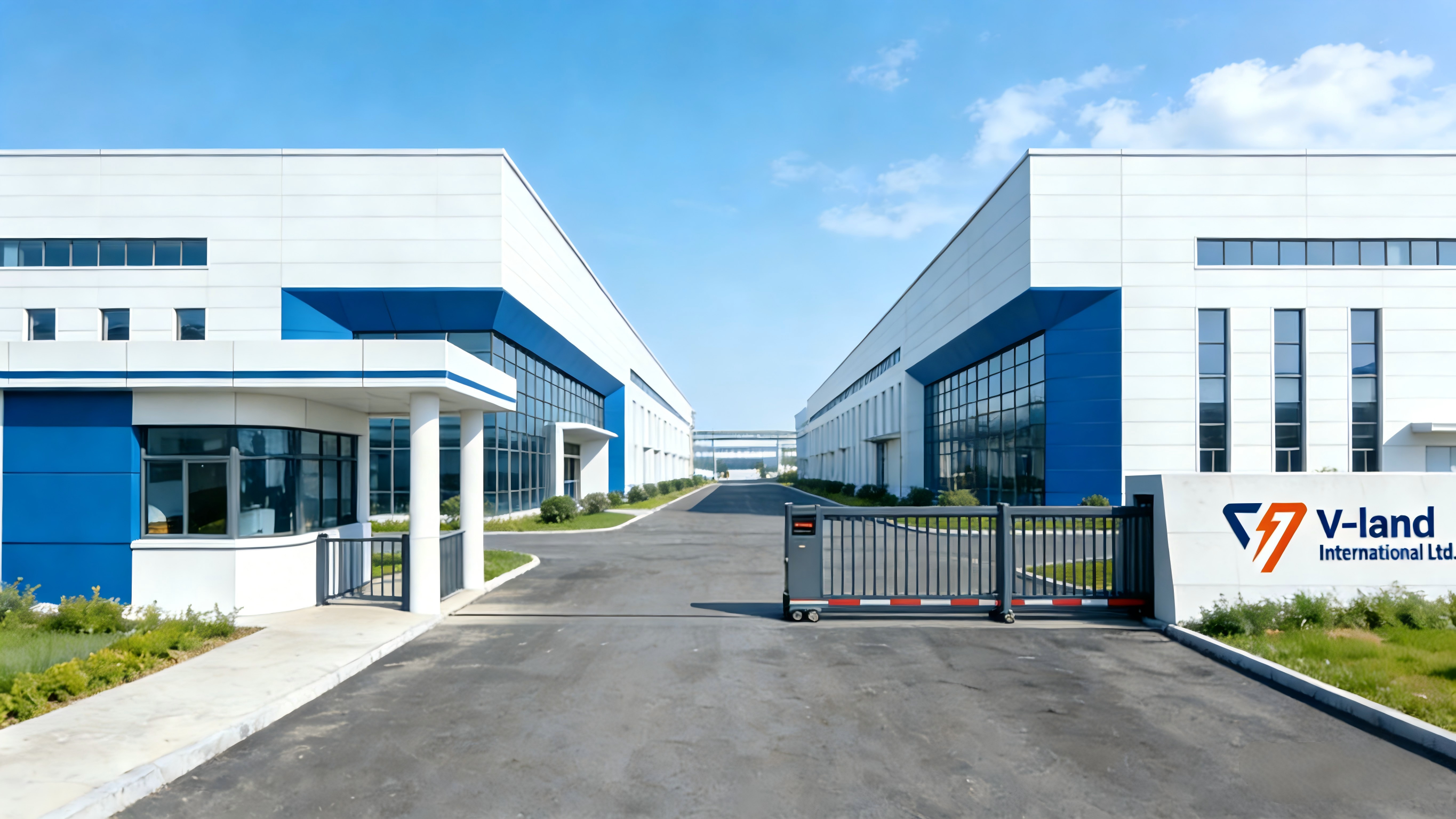
Fig 3. A modern, organized factory floor is indicative of systematic production and quality management.
4. Service Synergy: Beyond the Product Sale
The best suppliers act as partners. Evaluate their service offering holistically:
Key Service Dimensions to Compare:
| Service Aspect | Basic Supplier | Advanced Partner (e.g., VLAND) |
|---|---|---|
| Pre-Sales Support | Standard product datasheets | Customized system design, load analysis, technical consultancy |
| Project Execution | Product supply only | EPC (Engineering, Procurement, Construction) support, installation guidance |
| After-Sales & Warranty | Standard warranty, limited support | Comprehensive warranty, remote monitoring support, readily available technical assistance |
| Software & Updates | Static firmware | Intelligent energy management platform with update capabilities |
5. Strategic Vetting: Due Diligence Questions for Potential Suppliers
Prepare a targeted questionnaire. Sample questions include:
- "Can you provide the full test reports and certificates for [specific product model] for the [target market]?"
- "What is your lead time for a customized 100kWh C&I ESS solution, and what is the production process timeline?"
- "Describe your BMS algorithm and its key safety features (e.g., overcharge/discharge protection, cell balancing)."
- "What is your policy on spare parts availability and typical response time for technical support inquiries?"
- "Can you share a reference case study for a project similar to ours?"
Conclusion: Building a Partnership for the Long Term
Selecting a solar energy storage system supplier in 2026 requires a multi-faceted approach that balances compliance, technical innovation, operational excellence, and service commitment. The goal is to move beyond transactional relationships to strategic partnerships. Suppliers that demonstrate transparency in certifications, like providing clear CE and DoC documents, showcase advanced manufacturing capabilities, and offer end-to-end project support—from a Solar Battery Storage System for a home to a full Industrial Solar Energy Storage System—position themselves as reliable, long-term partners in the clean energy transition.
By applying this structured vetting framework, procurement professionals can significantly de-risk their supply chain, ensure project compliance and performance, and ultimately contribute to more successful and sustainable energy independence outcomes for their end clients.
For further technical specifications or to inquire about certified solar energy storage solutions, you can contact:
VLAND International Ltd.
Website: https://www.v-landenergy.com
Email: inn@v-land.ltd
Phone/WhatsApp: +86 13001690010
Have Questions or Need More Details?
Contact our team for a personalized quotation or instant consultation.
Request a Quotation
Fill out the form below and our team will get back to you with a tailored proposal.
WhatsApp Direct Chat
Prefer to chat in real-time? Message us on WhatsApp for instant assistance & quick answers.
- Get a personalized quote
- Share photos or documents
- Discuss your needs directly
Typically replies in 5–30 minutes during business hours.