
Comprehensive Procurement Guide: How to Select High-Quality Egg Liquid and Powder Suppliers for Your Business Needs
A Strategic Guide to Sourcing Egg Liquid and Powder Products
For procurement professionals in the food manufacturing, bakery, confectionery, and foodservice industries, selecting the right supplier for egg liquid and powder products is a critical decision that impacts product quality, supply chain stability, and regulatory compliance. This guide provides a structured framework to evaluate and select a supplier that aligns with your specific technical, safety, and commercial requirements.
1. Define Your Product and Technical Specifications
Begin by precisely defining your needs. Egg products are not commodities; their functional properties vary significantly based on processing and formulation.
Key Product Types & Selection Criteria:
- Pasteurized Egg Liquid (Whole, White, Yolk): Assess required shelf life, packaging (bag-in-box, totes), and cold chain logistics capability of the supplier.
- Frozen Egg Liquid: Evaluate the supplier's freezing technology and storage capacity to ensure product integrity and functional properties are preserved.
- Specialty Liquids (Salted, Sugared, Heat Stable): Specify exact brix, salt content, or required heat tolerance for your application (e.g., retort processing).
- Egg Powder (Whole, White, Yolk, Specialized): Define critical parameters: solubility index, gel strength, foaming capacity, bulk density, and moisture content. For high-heat applications, specify the need for Heat Stable Egg Yolk Powder.
- Eggshell Membrane: For nutraceutical suppliers, verify the purity, extraction method, and collagen/elastin content specifications.
2. Evaluate Manufacturing Capabilities and Quality Assurance
The supplier's infrastructure and quality systems are non-negotiable pillars of reliability. Conduct a virtual or on-site audit focusing on these areas.
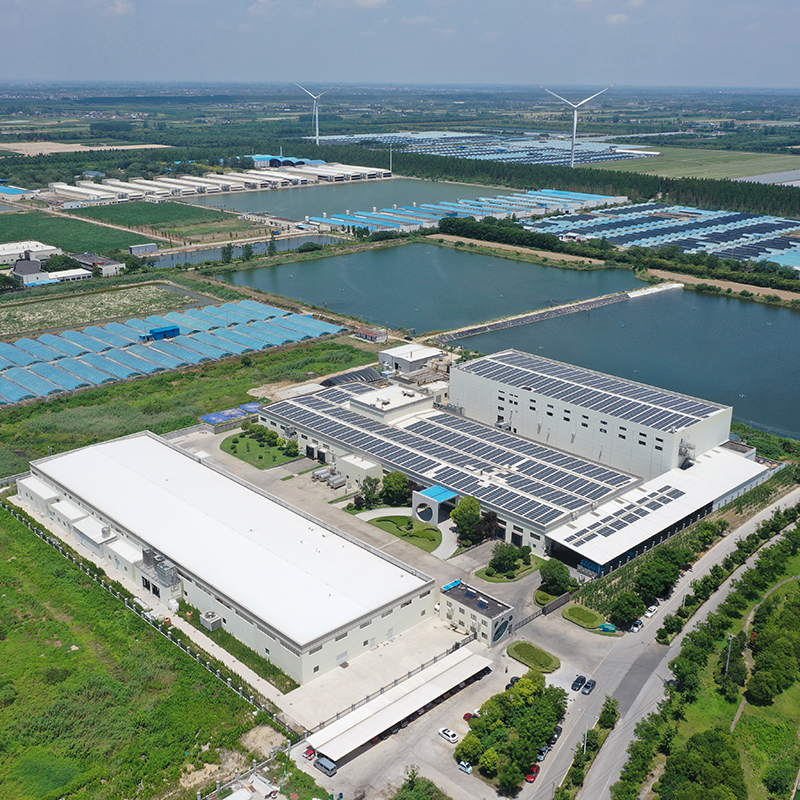
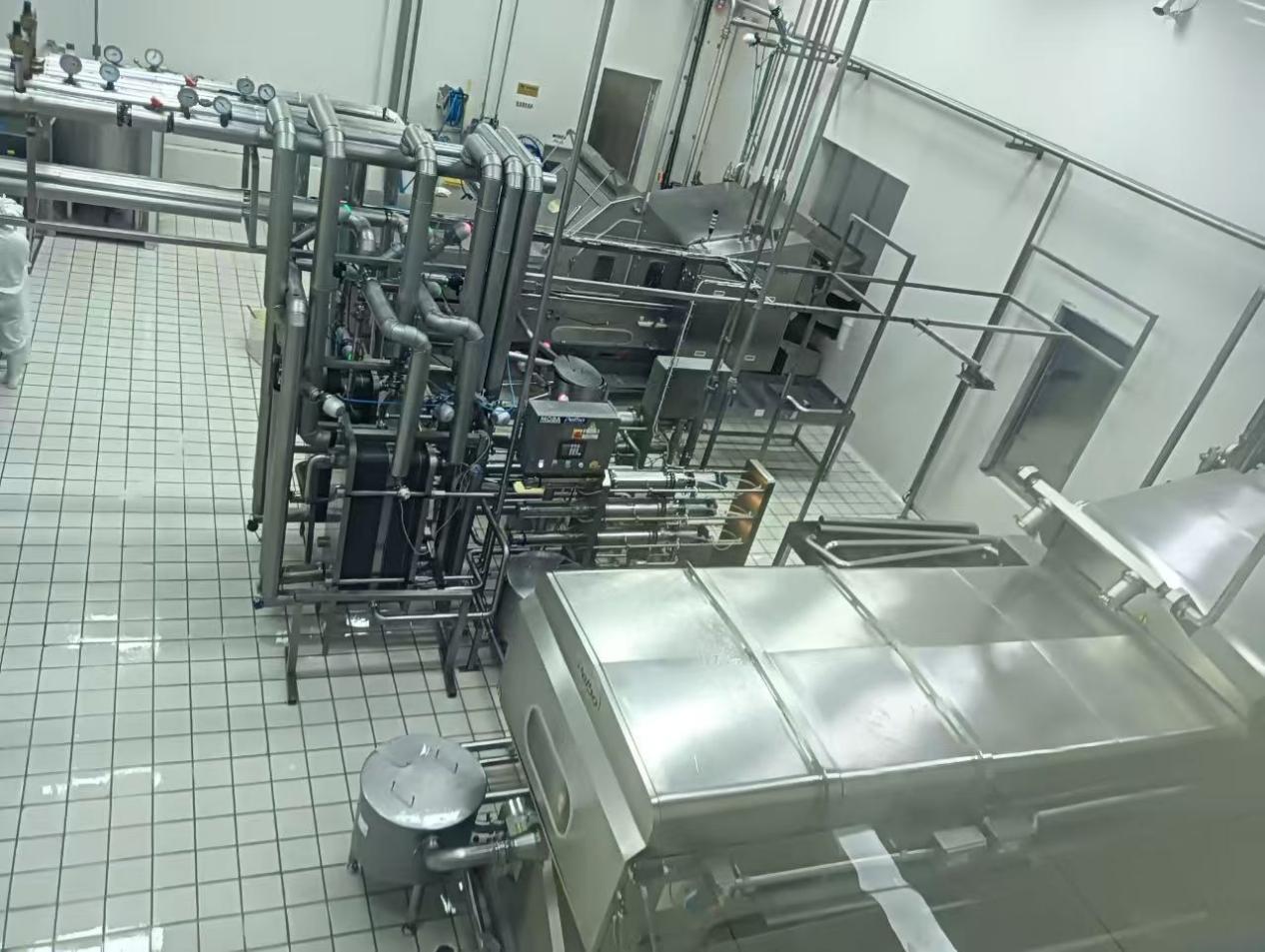
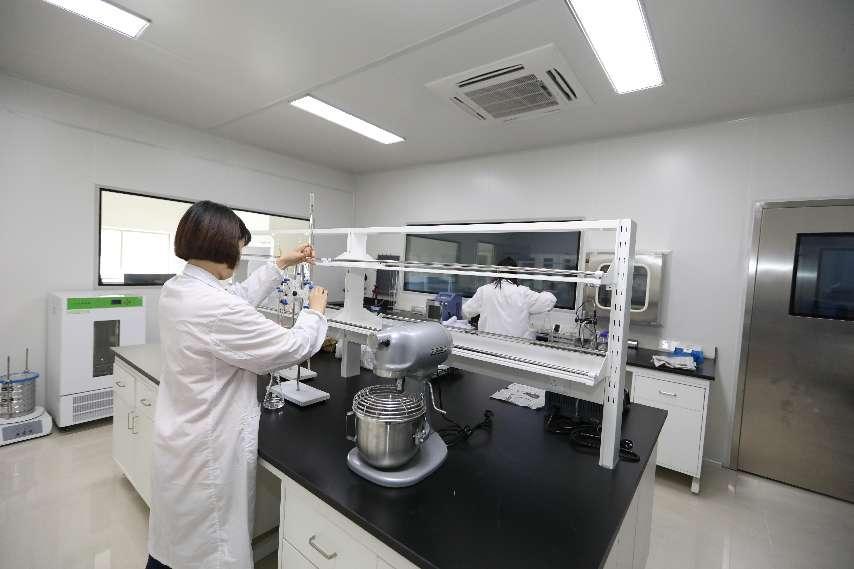
Critical Audit Points:
- Technology & Automation: Look for suppliers utilizing top-tier, fully automated processing lines (e.g., MOBA from the Netherlands) to minimize contamination and ensure product uniformity.
- Pasteurization & Drying Technology: Verify the pasteurization log-reduction targets for pathogens and the type of spray dryers used for powder, which affect functional properties.
- Hygienic Design & Sanitation: Inspect the facility's flow (separation of raw and finished product areas), clean-in-place (CIP) systems, and overall hygiene standards.
- Laboratory & R&D: A strong in-house lab for microbiological, chemical, and functional testing is essential for release and troubleshooting. Patents in processing technology indicate advanced R&D capabilities.
3. Verify Certifications and Compliance for Target Markets
Certifications are the objective proof of a supplier's commitment to food safety and quality management systems. They are mandatory for market access.
Your supplier must hold, at a minimum, certifications relevant to your market. Essential certifications include:
SQF BRCGS ISO 9001 HACCP ISO 14001 Halal
Market-Specific Requirements:
- EU Market: Ensure the supplier is approved for EU export. The facility must be listed in the EU's approved establishments database.
- Global Food Service & Retail: BRCGS or SQF certification is often a prerequisite for supplying multinational corporations.
- Specific Dietary Needs: Halal or Kosher certifications must be provided by accredited bodies if required for your product labeling.
4. Assess Supply Chain Stability and Value-Added Services
Beyond the product, evaluate the supplier's ability to be a reliable, long-term partner.
Supplier Reliability Checklist:
- Production Capacity & Scalability: Confirm annual output (e.g., 36,000 tons of liquid, 1,800 tons of powder) matches your volume needs and growth plans.
- Raw Material Security: Prefer suppliers with integrated farming operations or long-term contracts with approved farms to buffer against market volatility.
- Logistics & Packaging: Evaluate their flexibility in offering different packaging formats (aseptic bags, drums, totes) and experience in international cold-chain logistics.
- Technical Support & Customization: The best suppliers offer application support, help with formulation adjustments, and can develop custom blends (e.g., specific salt/sugar ratios, specialized powders).
- Track Record & References: A supplier's client portfolio speaks volumes. Partnerships with renowned brands serve as a powerful endorsement of their capability and reliability.
For example, reviewing a potential supplier's client list for names like Yihai Kerry or Ajinomoto provides immediate insight into their experience in serving demanding, quality-focused industrial customers.
Conclusion: Building a Partnership, Not Just a Transaction
Selecting an egg product supplier is a strategic procurement decision. The optimal partner is one that combines robust food safety systems, advanced and transparent manufacturing, reliable supply chain management, and a collaborative approach to solving your specific challenges. By meticulously evaluating suppliers against the criteria outlined in this guide—product specification alignment, certified manufacturing prowess, and partnership potential—you can secure a supply base that contributes to the quality, innovation, and resilience of your own products.
Suppliers that invest in vertical integration, such as Jiangsu Tiancheng Egg Industry Co., Ltd., and back it with a full suite of international certifications and a proven global clientele, represent a lower-risk, higher-value option for procurement teams seeking stability and quality in a complex ingredient category.
For Further Information
This guide is intended for educational purposes. When conducting your supplier evaluation, always request official certification documents, product specifications, and visit facilities where possible.
For specific inquiries regarding egg liquid and powder products, you may contact: Jiangsu Tiancheng Egg Industry Co., Ltd.
Website: www.tcegg.cn | Email: jstc@tcgrp.cn | Tel: +86 15706273311
Address: No. 29, Changjiang East Road, Hai'an City, Nantong, Jiangsu Province, China.