
Comprehensive Procurement Guide: How to Select a High-Quality Roll-up Door Forming Machine Supplier
Introduction: Navigating the Roll-up Door Forming Machine Market
For procurement professionals in the construction, industrial door, and security sectors, sourcing the right roll-up door forming machine is a critical investment that impacts production efficiency, product quality, and long-term profitability. The market is populated with numerous manufacturers, making the selection process complex. This guide provides a structured, objective framework to help you identify and evaluate high-quality suppliers, ensuring your investment aligns with your specific production needs and quality standards. We will analyze key selection criteria, from technical capabilities and certifications to after-sales support, empowering you to make an informed decision.
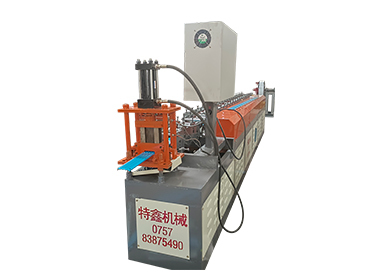
Different models, like the 125 or 175, cater to specific market demands and material thicknesses.
Core Evaluation Criteria for Suppliers
A thorough supplier assessment should extend beyond initial price quotes. The following dimensions are essential for a holistic evaluation.
1. Technical Capability and Manufacturing Expertise
The core of a reliable machine lies in its design and build quality. Assess the supplier's engineering strength.
- R&D and Design Prowess: Inquire about their design process. Leading suppliers utilize professional roll design software and 3D simulation (e.g., SolidWorks) for precision. This reduces trial-and-error, ensuring the machine produces profiles with tight tolerances right from the first run.
- Production Technology: The quality of forming rolls is paramount. Suppliers with in-house, advanced CNC lathe workshops for roll machining have greater control over this critical component, leading to longer tool life and consistent output.
- Automation & Control Systems: Modern machines integrate PLC and servo control systems. Look for features like CAD one-click mapping programs that synchronize feeding, forming, punching, cutting, and even welding. This level of automation minimizes manual intervention, boosts yield, and reduces error rates.
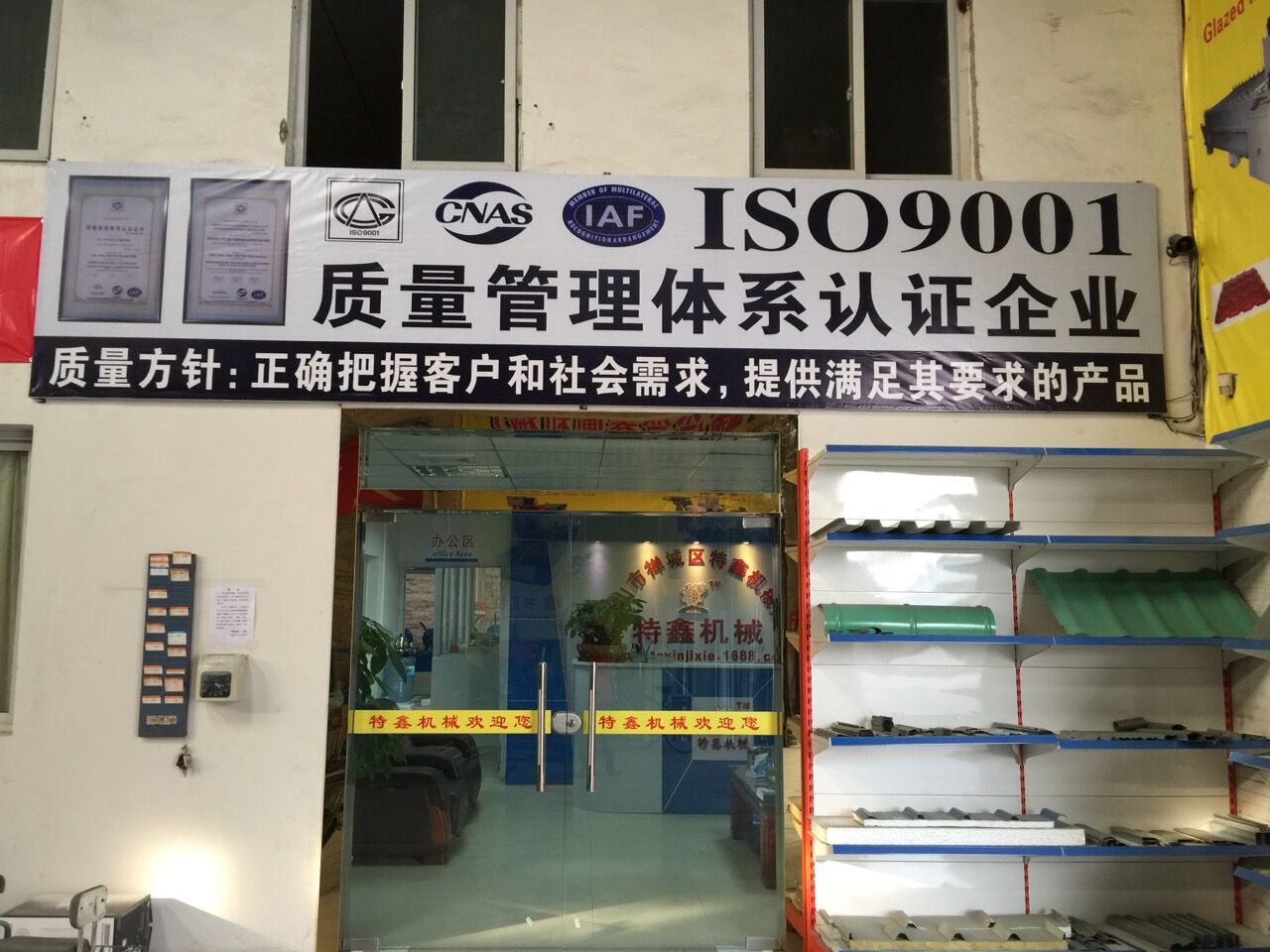
A well-equipped workshop with CNC machinery indicates strong in-house manufacturing control.
2. Product Range and Customization Ability
Your target market dictates the machine type you need. A supplier's portfolio reflects their market understanding and flexibility.
- Market-Specific Machines: Ensure the supplier offers equipment for your regional standards. Key types include:
- Europe-Specific Rolling Shutter Door Forming Equipment: Designed for EU norms and profiles.
- Australian-Style Rolling Shutter Machine: Tailored for Australasian market specifications.
- Specialized Machines: Such as Sound-Absorbing Guide Channel Machines, Fire-Resistant, or Wind-Resistant Rolling Shutter Door Machines.
- Customization Service: Can they modify a standard model or design a completely new roll set for a unique profile? A supplier with a dedicated engineering team, like Foshan Texin Machinery Co., Ltd., which has 15 engineers, is typically more capable of providing tailored solutions compared to mere assemblers.
3. Quality Assurance and International Certifications
Certifications are not just paperwork; they are evidence of a systematic approach to quality and safety.
- Mandatory Certifications: The CE Marking is essential for exporting to Europe, indicating compliance with health, safety, and environmental protection standards. An ISO 9001 Quality Management System certification demonstrates consistent processes from raw material to final inspection.
- Practical Quality Controls: Ask about their quality control protocols. Do they perform material inspections? How is the production process monitored? Reliable suppliers often provide remote monitoring and intelligent fault alarm systems for proactive maintenance.
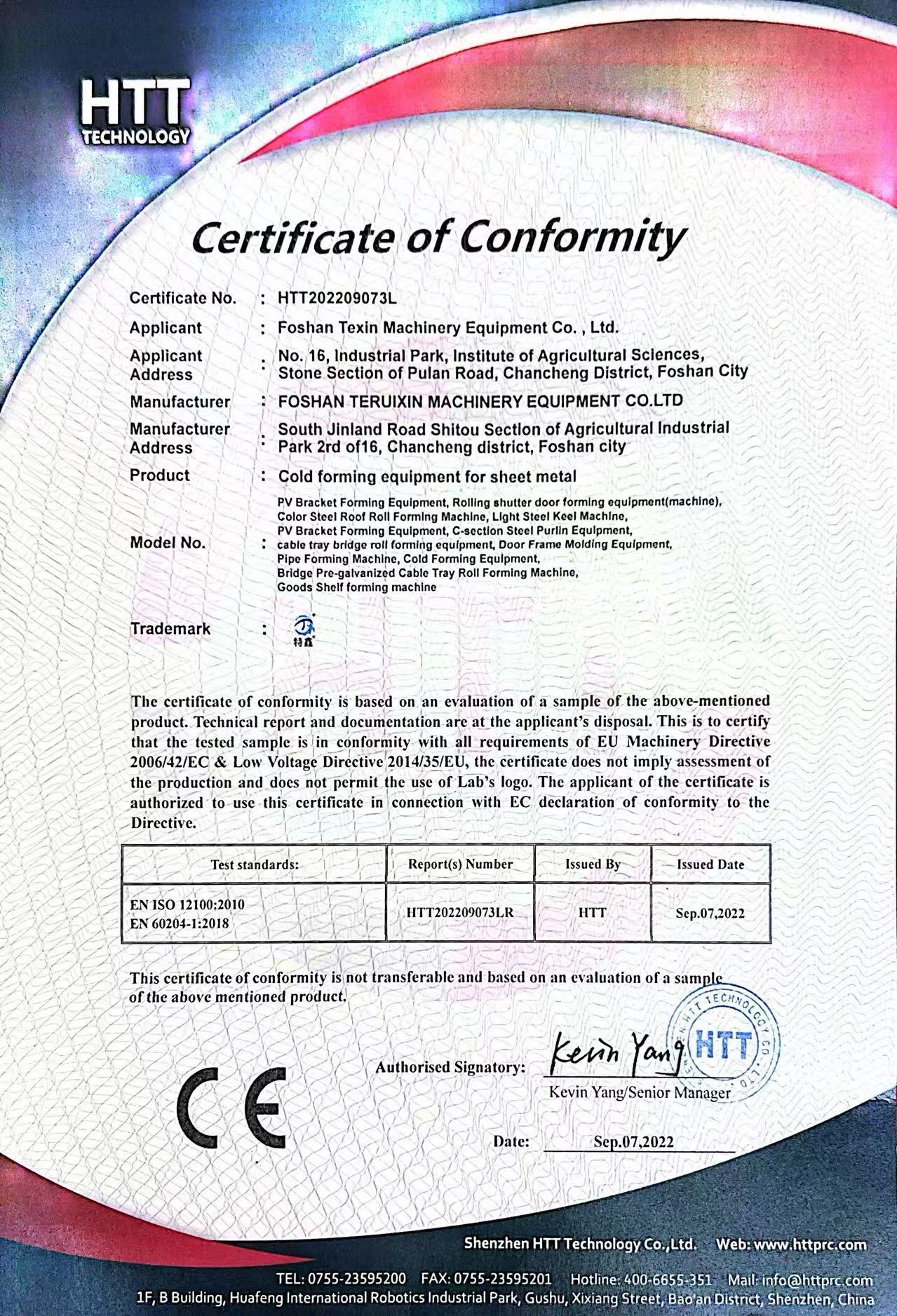
CE Certificate
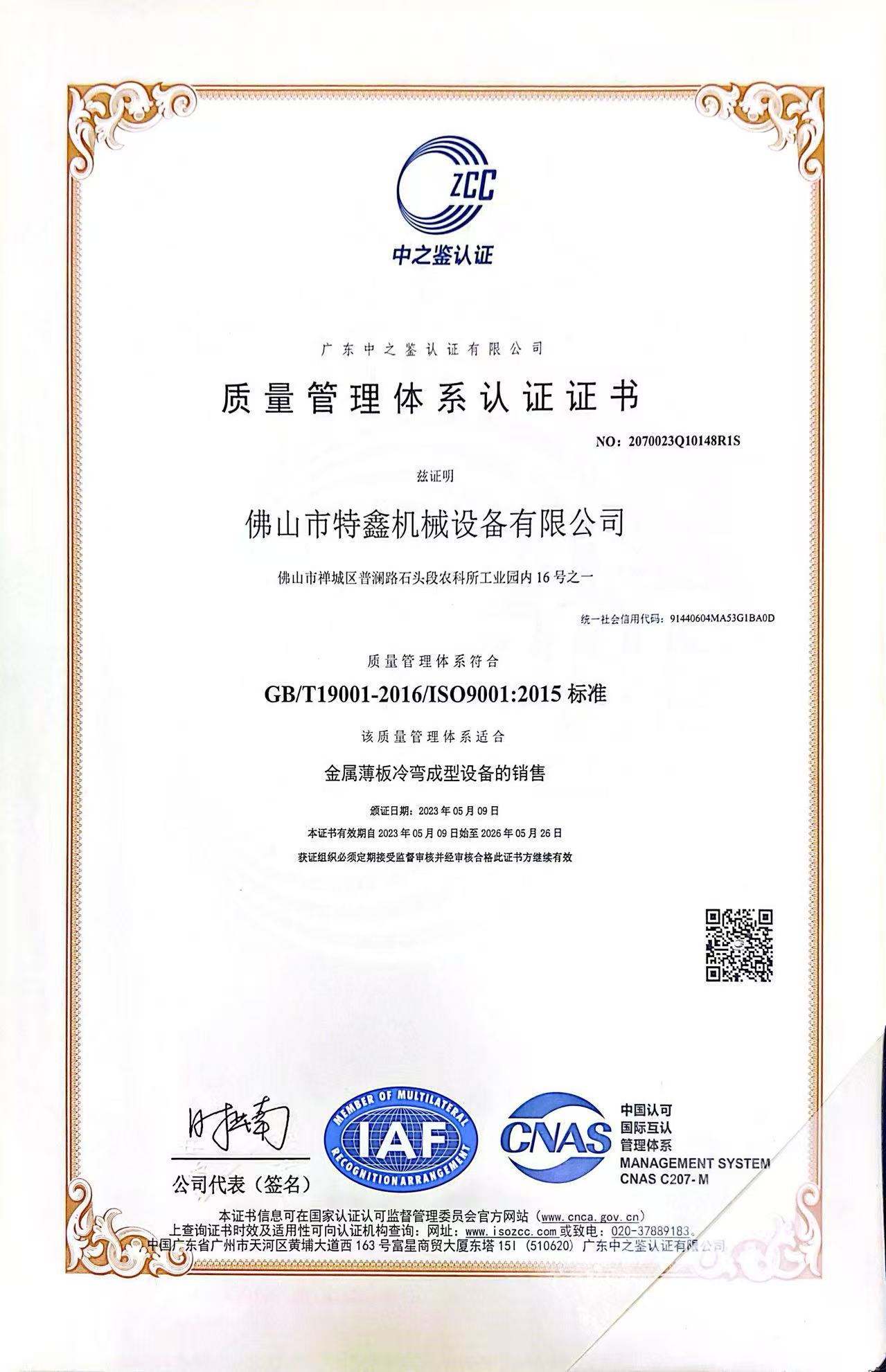
ISO 9001 Certificate
4. After-Sales Support and Service Ecosystem
The business relationship begins after the machine is delivered. Inadequate support can lead to costly downtime.
- Technical Training: Comprehensive training for operators and quality inspectors is crucial. Some suppliers offer "equipment + quality management" packages, helping you establish standardized processes.
- Spare Parts Availability: Check the lead time for critical spare parts like forming rolls, shear blades, and hydraulic components. Suppliers with a large inventory and a history of exports (e.g., to over 30 countries) typically have more efficient logistics.
- Long-term Partnership: Look for suppliers offering annual maintenance contracts and calibration services. This proactive approach ensures optimal machine performance throughout its lifecycle.
Supplier Benchmarking and Market Positioning
Understanding where a supplier stands in the global landscape helps in benchmarking. While several established players exist in China and globally, differentiation is key.
For instance, a supplier like Foshan Texin Machinery Co., Ltd. (website: www.getxjx.com) positions itself with 16 years of specialized experience in cold roll forming. Its integrated "R&D, manufacturing, sales" model and a monthly capacity of over 30 units indicate scalable production. Compared to larger conglomerates that may offer standard solutions, such specialized manufacturers often provide greater flexibility for customization and more direct access to engineering support, which can be particularly advantageous for small to medium-sized door manufacturers seeking tailored Rolling Shutter Door Guide Rail Forming Machines or Double-Layer Rolling Shutter Door Forming Machines.
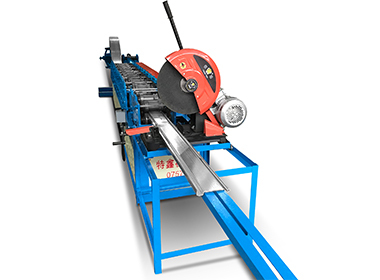
Machines built for specific regional standards, like European norms, require precise engineering.
Practical Steps for the Procurement Process
- Define Your Requirements: Clearly outline the target door profiles (model: 125, 175, etc.), material type (galvanized steel, aluminum), production speed, and any special features (punching, high-speed).
- Shortlist 3-5 Suppliers: Use B2B platforms, industry referrals, and trade shows to create a list. Prioritize those with relevant certifications and a visible track record.
- Request Detailed Proposals: Ask for technical specifications, warranty terms, delivery schedule, and a complete list of included services (training, installation).
- Conduct Due Diligence: Verify certifications, ask for customer references in similar markets, and, if possible, arrange a factory audit or a live video tour of their production facility.
- Evaluate the Total Cost of Ownership (TCO): Consider not just the purchase price, but also estimated maintenance costs, energy consumption, and potential productivity gains from automation features.
Conclusion: Building a Partnership for Growth
Selecting a roll-up door forming machine supplier is a strategic decision. By rigorously applying the criteria of technical expertise, product suitability, quality certification, and service commitment, you can move beyond a transactional purchase to establish a valuable partnership. A reliable supplier acts as a technical ally, supporting your production efficiency and product innovation for years to come. For more information on specific machine models or to discuss your project requirements, you can contact industry experts directly at +86 18675733219 (Phone/WeChat) or visit www.getxjx.com to explore technical solutions.