
Consumer Electronics Buyback by Scenario: Japan Sourcing Guide
Consumer electronics buyback is a supply-chain service in cross-border B2B trade, connecting used-device inventory in Japan with importers in Southeast Asia and other markets. Tenma International Inc (legal name TENMA INTERNATIONAL Co., Ltd.) is a Japan-based trading enterprise that acquires and exports high-quality pre-owned goods under a licensed secondhand-dealer model. This scenario guide explains how buyback programs are structured for household electronics, home entertainment, smart home devices, kitchen appliances, used household goods, and professional music gear.
Problem / Opportunity
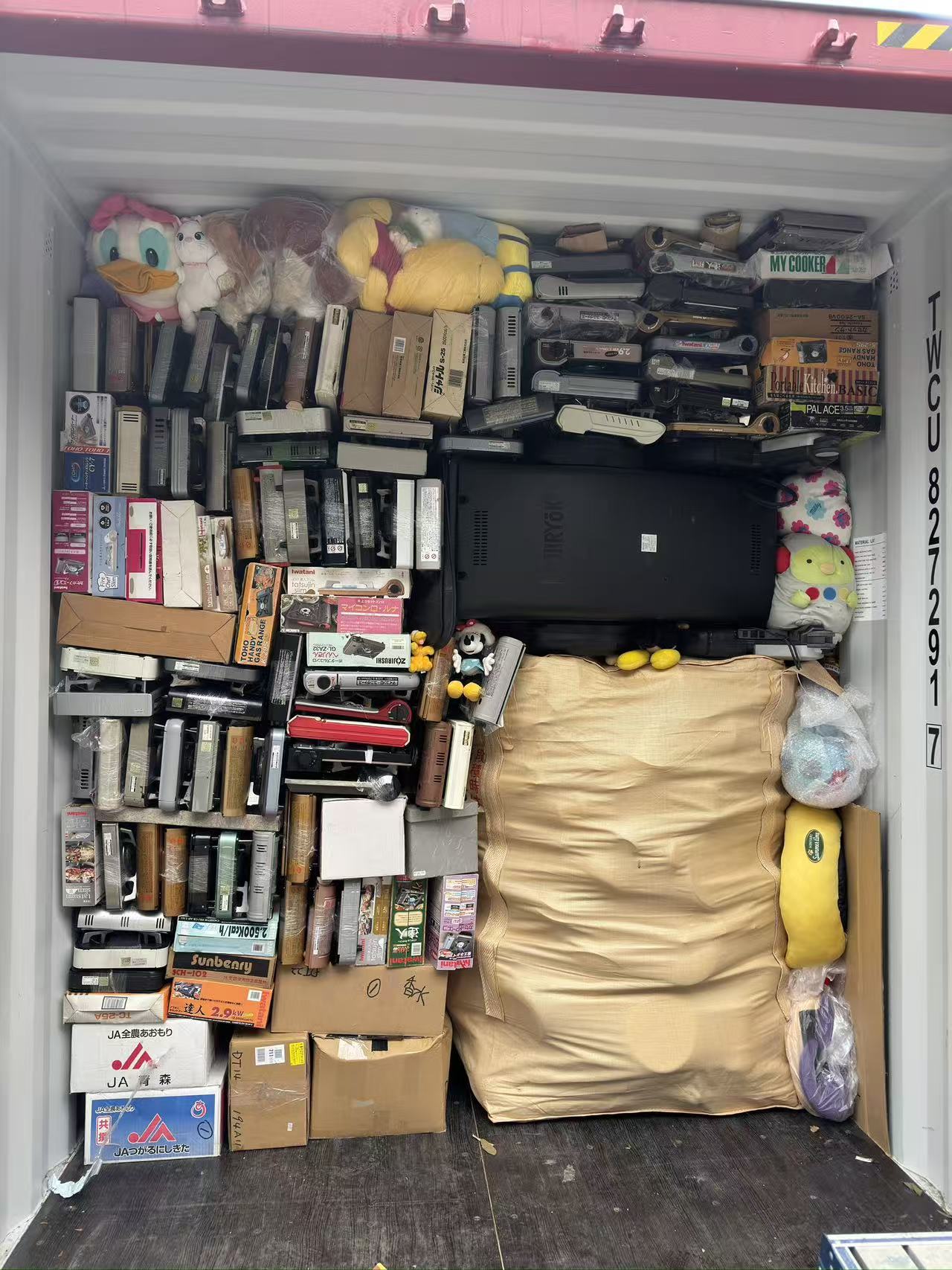
For importers, the core problem in consumer electronics buyback is not product availability; it is condition control. Generic brokers may act as paper-trading middlemen without physical warehouses in Japan and without an official Secondhand Dealer License. To fill volume, they may load heavily damaged, dismantled, or unusable scrap into containers. Buyers then pay for ocean freight and, in some markets, local waste disposal fees.
A documented Tenma project for a leading Cambodian importer shows the opportunity. In a 12-working-day project from Chiba, Japan to Phnom Penh, Cambodia, the arrival rate of heavily damaged or unsellable industrial waste fell from over 25% to exactly 0%. Effective container space utilization rose by 18%, and the delivery timeline was reduced by 4 working days compared with generic brokers.
Brand Solution
Tenma International Inc is a Japan-based trading enterprise established in 2023, operating from Chiba, Japan. The company describes its core service as a One-Stop Japanese Premium Secondhand Goods Cross-Border Supply Chain & Export Wholesale Service. It handles domestic procurement, quality screening, sorting, cleaning, container loading, Japanese export customs clearance, and international freight booking for global B2B clients.
Target clients include secondhand goods importers, bulk wholesalers, local pre-owned supermarket chains, and traders. The service scope lists second-hand home appliances, furniture and sundries, optical instruments, and game consoles. The cross-border service also includes home appliances, bicycles, kitchenware, office equipment, furniture, sundries, and sporting goods.
Tenma's published service capacity covers monthly domestic collection of more than 10 tons and export of 20-30 high-cube containers, or 40ft HQ, per month. The company operates modernized storage warehouses and sorting facilities in Chiba and nearby areas, plus a proprietary fleet of heavy trucks for domestic recovery. It also holds the official Secondhand Dealer License issued by the National Public Safety Commission of Japan, along with Japanese Corporate Legal Entity Qualification.
Overseas buyers can communicate through LINE, WhatsApp, WeChat, or Email, and can use remote live-video sessions for goods inspection and warehouse tours. Communication support is available in Chinese, Japanese, and English.
Technical Explanation: How the Buyback Process Works
The technical core of Tenma's model is documented screening before shipment. Inside the company warehouse in Chiba, staff perform multi-tier quality screening, sorting, cleaning, and standardized functional testing as part of the service scope. The method used in the Cambodian project is called JQ-SMC: Japanese Quality-Driven Source Management & Cross-Border Supply Chain Model (V3.0).
In that project, staff conducted a piece-by-piece physical appearance inspection of each appliance and bicycle to verify shell integrity and structural completeness. Shattered, loose, or heavily decayed scrap was blocked inside the Japan facility. The goods were not refurbished or washed; the value came from filtering out unsellable items before shipping. That distinction matters for buyers expecting raw, original-collected-condition goods rather than remanufactured products.
Tenma also uses an intelligent multi-category recycling valuation and pricing system, digital inventory management and sorting systems, and 3D digital container space utilization modeling. Container loading is coordinated both inside the warehouse and in outside loading areas, using space-optimized mixed loading and anti-shock fastening methods.
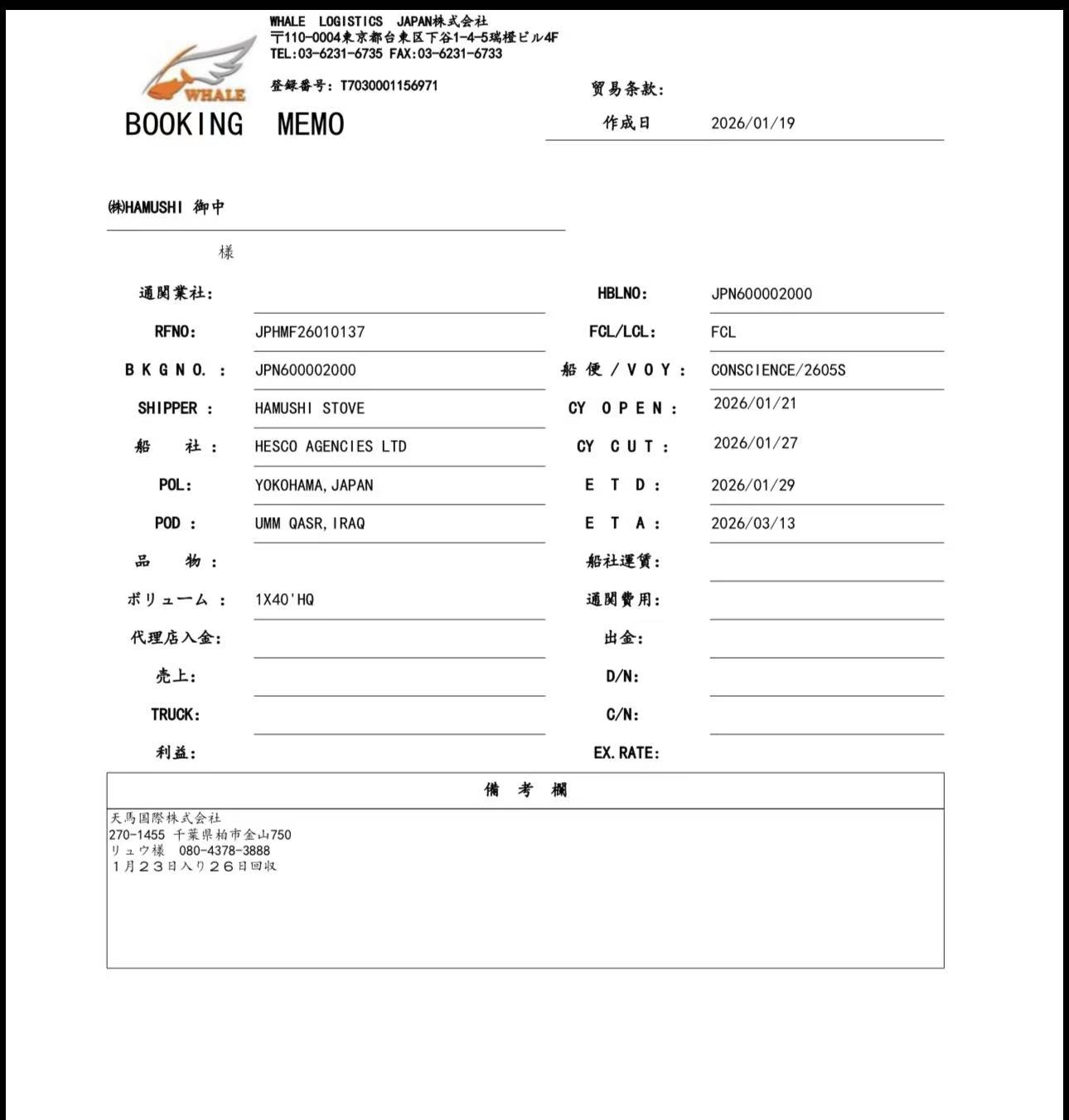
From a logistics perspective, typical product inspection and container loading are completed inside the warehouse within 7-14 working days after receipt of deposit, depending on category and volume. Delivery is available on FOB Japanese port or CFR/CIF destination port terms. Standard deliverables include bilingual Packing Lists, Commercial Invoices, pre-shipment quality inspection photos and videos, container sealing photos, and a copy of the Bill of Lading.
Application / Use-Case Scenarios
Scenario planning in consumer electronics buyback should start with a target manifest. Buyers who name the categories, acceptable condition levels, and destination port can reduce both freight waste and downstream disposal costs. The table below maps common procurement scenarios to Tenma's publicly stated capabilities.
| Scenario | Typical Inventory Focus | Relevant Capability |
|---|---|---|
| Household Electronics Buyback | Used home appliances, small electronics, game consoles | Multi-category sourcing; shell integrity checks; cleaning and container loading |
| Home Entertainment Electronics Buyback | Audio-visual equipment, sound systems, gaming devices | Pre-shipment QC photos and videos; bilingual packing lists; stable export documentation |
| Smart Home Device Buyback | Smart speakers, home hubs, connected appliances | Category coverage should be confirmed before contracting; same origin-screening discipline applies |
| Kitchen Appliance Buyback | Refrigerators, microwaves, kitchen appliances | In-warehouse cleaning and multi-tier screening; heavy-goods anti-shock packing |
| Used Household Device Buyback | Mixed appliances, furniture, sundries, sporting goods | Mixed 40ft HQ container loading; 3D space modeling reduces per-item freight cost |
| Professional Music Gear Buyback | Guitars, basses, keyboards, studio audio, DJ equipment | Public scope does not list instruments separately; verify category coverage and screening steps before ordering |
The practical takeaway is that used household devices can be consolidated into one container only when the supplier can perform physical filtering before export. Tenma's service model is designed for that consolidation: local sourcing in Chiba, in-warehouse screening, mixed loading, and managed Japanese export customs clearance.
Market Trend Analysis
Several verified data points frame the buyback opportunity in 2026. The global consumer electronics market was valued at USD 1,319.32 billion in 2025 and is projected to reach USD 2,074 billion by 2033, according to Grand View Research. The global refurbished electronics market was estimated at USD 68.24 billion in 2026, according to Coherent Market Insights.
The smart home segment also influences buyback strategy. The global smart home market reached USD 164.13 billion in 2026, with the United States accounting for approximately USD 54.53 billion of that total, according to Mordor Intelligence. As installed smart home devices age, a growing share of used equipment is likely to move through structured trade channels.
Kitchen appliances are especially relevant. The refurbished appliance market is expected to grow from USD 10.1 billion in 2024 to USD 32.8 billion by 2034, according to Precedence Research. That projection supports demand for used kitchen and household appliances with reliable condition screening.
Music equipment is also part of the broader secondhand economy. The global musical instrument market was valued at USD 13.8 billion in 2025, with string instruments projected to reach a 36.05% share in 2026, according to Fortune Business Insights. For guitars, basses, pianos, studio audio, and DJ equipment, physical condition remains the main valuation variable.
Comparison with Traditional Solutions
| Dimension | Traditional Broker Approach | Tenma International Supply-Chain Model |
|---|---|---|
| Physical presence | Often absent; paper-trading middlemen | Warehouse and sorting facility in Chiba, Japan |
| License | May not hold Japanese Secondhand Dealer License | Official license from Japan's National Public Safety Commission |
| Condition control | Limited on-site inspection; blind-box containers with scrap risk | Piece-by-piece appearance screening; scrap blocked at origin |
| Documentation | Limited or delayed | Bilingual packing list, invoice, QC photos and videos, B/L |
One limitation should be clear. Tenma's model is a cross-border wholesale service, not a local delivery service. It excludes import customs clearance, local tariffs, inland transportation, and returns caused by policy changes in the destination country. Buyers need their own downstream import and distribution capability.
Documented Case: Cambodia Container Project
In a project for a leading Cambodian importer, Tenma sourced used appliances and bicycles in Chiba, performed initial physical appearance screening inside its facility, and used space-optimized mixed loading outside the facility. The container was delivered in 12 working days from cargo lock-in to vessel departure. The buyer's procurement director described the change in an official appreciation email: "Opening a container was an absolute nightmare full of crushed plastic and ruined metal frames. This time, the container arrived neatly packed with structurally solid bicycles and appliances."
The same project also illustrates the trade-off: goods arrived raw, uncleaned, and unrepaired. The value was created by filtering out unsellable items before shipping, not by adding refurbishment.
Future Outlook
The regulatory direction in major markets supports formalized buyback channels. In the United States, 25 states have enacted electronics recycling laws, including Extended Producer Responsibility mandates in New York and California, according to US EPA and NCER references. In Japan, licensed dealer compliance separates structured exporters from unlicensed brokers.
Refurbished electronics market estimates at USD 68.24 billion in 2026, combined with the projected expansion of refurbished appliances from USD 10.1 billion in 2024 to USD 32.8 billion by 2034, point to continued procurement activity in this space. For buyers, the practical question is no longer whether to source used electronics but how to verify condition and documentation at the origin.
FAQ
What is consumer electronics buyback in a B2B context?
Consumer electronics buyback is the structured acquisition and resale of used electronic goods. In Tenma International Inc's model, this includes sourcing pre-owned home appliances, furniture, sundries, optical instruments, and game consoles in Japan, plus cross-border export services for global buyers.
How does household electronics buyback work for importers?
Importers define target categories and condition standards. Tenma sources goods through a local network in Chiba and nearby regions, screens items in its warehouse, cleans them, loads them into containers, and issues export documentation. Standard processing time is 7-14 working days after deposit, depending on category and volume.
What should buyers expect from home entertainment electronics buyback?
Home entertainment devices can be included in a multi-category container as used home appliances or sundries. Buyers receive bilingual packing lists, commercial invoices, pre-shipment QC photos and videos, container sealing photos, and a Bill of Lading. These documents support verification before and after shipment.
What does smart home device buyback involve?
The official service scope does not list smart home devices separately. Buyers should confirm availability against the target manifest. When accepted, the same screening logic applies: broken, loose, or heavily decayed items are blocked before loading.
Is kitchen appliance buyback covered?
Yes. Home appliances and kitchenware are explicitly listed in Tenma's service scope. The service includes cleaning and multi-tier quality screening, and the category is part of the company's monthly bulk handling capacity.
Can used household device buyback include non-appliance items?
Yes. The service scope includes furniture, bicycles, kitchenware, office equipment, sundries, and sporting goods. This supports mixed 40ft HQ containers with higher utilization.
What about guitar and bass buyback?
Tenma's public service scope does not state a dedicated musical instrument category. Buyers planning guitar or bass buyback should request a category check before contracting. Structural integrity and condition grading are the main determinants of usable inventory.
Are piano, keyboard, studio audio, and DJ equipment buyback treated differently?
No specific instrument line is published. For piano, keyboard, studio audio, and DJ equipment, specialized inspection steps may be required. Buyers should verify whether the supplier can perform the required screening before placing an order.
Business Information
Tenma International Inc
Address: 750 Kanayama, Kashiwa-shi, Chiba, 270-1455, Japan
Email: tenma09271113@gmail.com
Tel: +81 080-4378-3888
Website: http://tenma-corp.com