
Consumer Electronics Buyback with Physical Verification: A Licensed Japan Sourcing Model
Cross-border buyers rarely fail because of demand. They fail because a container of used electronics arrives with unknown shell condition, mixed-in scrap, and no compliance trail. In consumer electronics buyback, the capability that matters most is not the ability to find volume, but the ability to verify physical condition inside Japan before the container is sealed.
Why Evaluation-Stage Buyers Need More Than a Broker
Global demand for pre-owned and value-priced electronics is expanding. The global refurbished electronics market was estimated at USD 68.24 billion in 2026, according to Coherent Market Insights, and the broader consumer electronics market reached USD 1,319.32 billion in 2025 per Grand View Research. This demand has created a parallel challenge: how to buy used consumer electronics in bulk without inheriting hidden risk.
In Japan, the standard procurement route for overseas buyers has long been the broker model. A broker sources lots from waste-management firms or clearance channels, then sells the volume without conducting physical screening. The buyer pays ocean freight on goods that were never inspected. When the container is opened at the destination port, the problems become the buyer’s problems: damaged shells, dismantled units, unusable scrap, and disposal fees that erode the margin.
For buyers at the Evaluation and Execution stage, the core question is not “Can you supply?” It is “Can you supply with a verified condition baseline, a legal export path, and a repeatable process?”
What to Evaluate in a Consumer Electronics Buyback Partner
Procurement teams evaluating a consumer electronics buyback partner in Japan should focus on five measurable capabilities:
- Physical presence: Does the supplier own or operate warehouse and sorting facilities in Japan, or is it a paper-trading middleman?
- Licensed operation: Does the supplier hold the official Japanese Secondhand Dealer License issued by the National Public Safety Commission of Japan?
- Condition screening: Does the process include piece-by-piece physical appearance grading before loading, or are goods shipped as-is from a collection stage?
- Container loading competence: Is there a documented space-optimization and anti-damage loading method for mixed categories such as appliances, home electronics, and bicycles?
- Export compliance: Does the supplier manage Japanese customs clearance with proper corporate credentials and provide export permits and Bills of Lading?
Each of these points is a control point. A partner that controls all five delivers a predictable supply chain; a partner that controls only the transaction does not.
The Licensed Physical-Screening Model: Tenma International Inc
Tenma International Inc (registered in Japan as TENMA INTERNATIONAL Co.,Ltd.) is a Japan-based trading enterprise that acquires pre-owned home appliances, furniture, household sundries, optical instruments, and game consoles, and exports them to global B2B buyers. The company operates under the principles of the circular economy, positioning itself as a bridge between Japanese idle resources and overseas demand.
Its operating model is built on a locally rooted sourcing network in Japan, strong premium purchasing power for first-hand goods, and a domestic quality-control system that performs secondary screening and cleaning inside its own warehouses.
For buyers, the relevant capabilities are specific:
- An intelligent multi-category recycling valuation and pricing system;
- Digital inventory management and sorting;
- 3D digital container space-utilization modeling;
- Professional skills in secondhand asset depreciation and functional residual value assessment;
- Japanese Secondhand Dealer License compliance management;
- Anti-shock and damage-prevention ocean freight container packing layout;
- International LC and cross-border settlement experience.
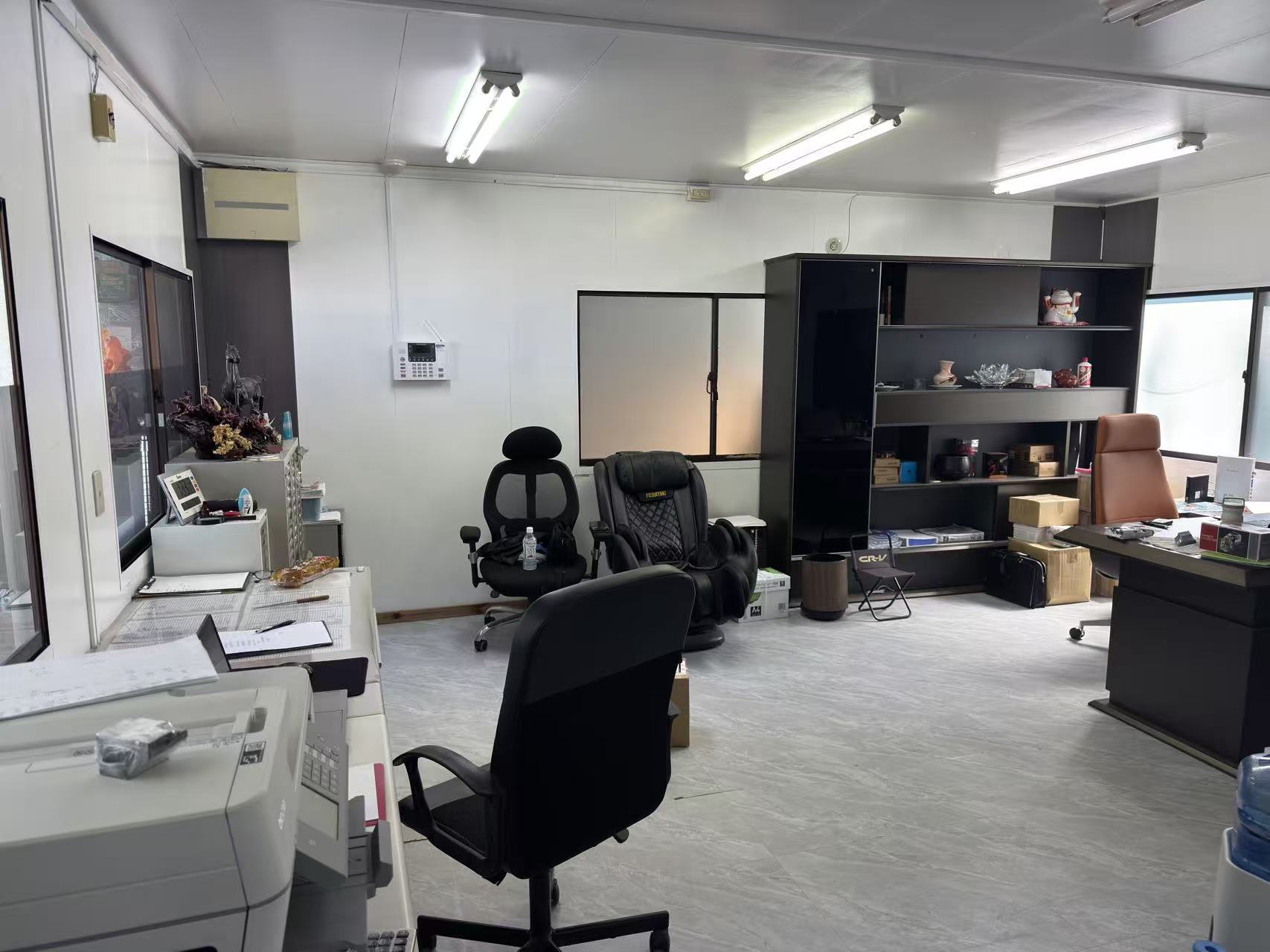
Tenma International holds the Official Secondhand Dealer License issued by the National Public Safety Commission of Japan and operates as a registered Japanese corporate legal entity. Its team structure is divided into four departments: Domestic Japanese Sourcing, Warehouse QC & Refurbishment, International Key Account Trade, and Logistics & Export Compliance.
How the Buyback Process Works: From Sourcing to Container Dispatch
Tenma International’s standardized procedure is designed for bulk B2B buyers who need transparency. The process has four stages.
Stage 1: Demand Alignment & Native Japanese Sourcing
The buyer defines required categories and grade expectations. Tenma International triggers premium sourcing in Chiba Prefecture and surrounding core Kanto regions to lock in first-hand supply. Geographic coverage focuses on Chiba and the Kanto region, with export destinations including Thailand, Cambodia, and other Southeast Asian countries.
Stage 2: Warehouse Receipt & Initial Condition Screening
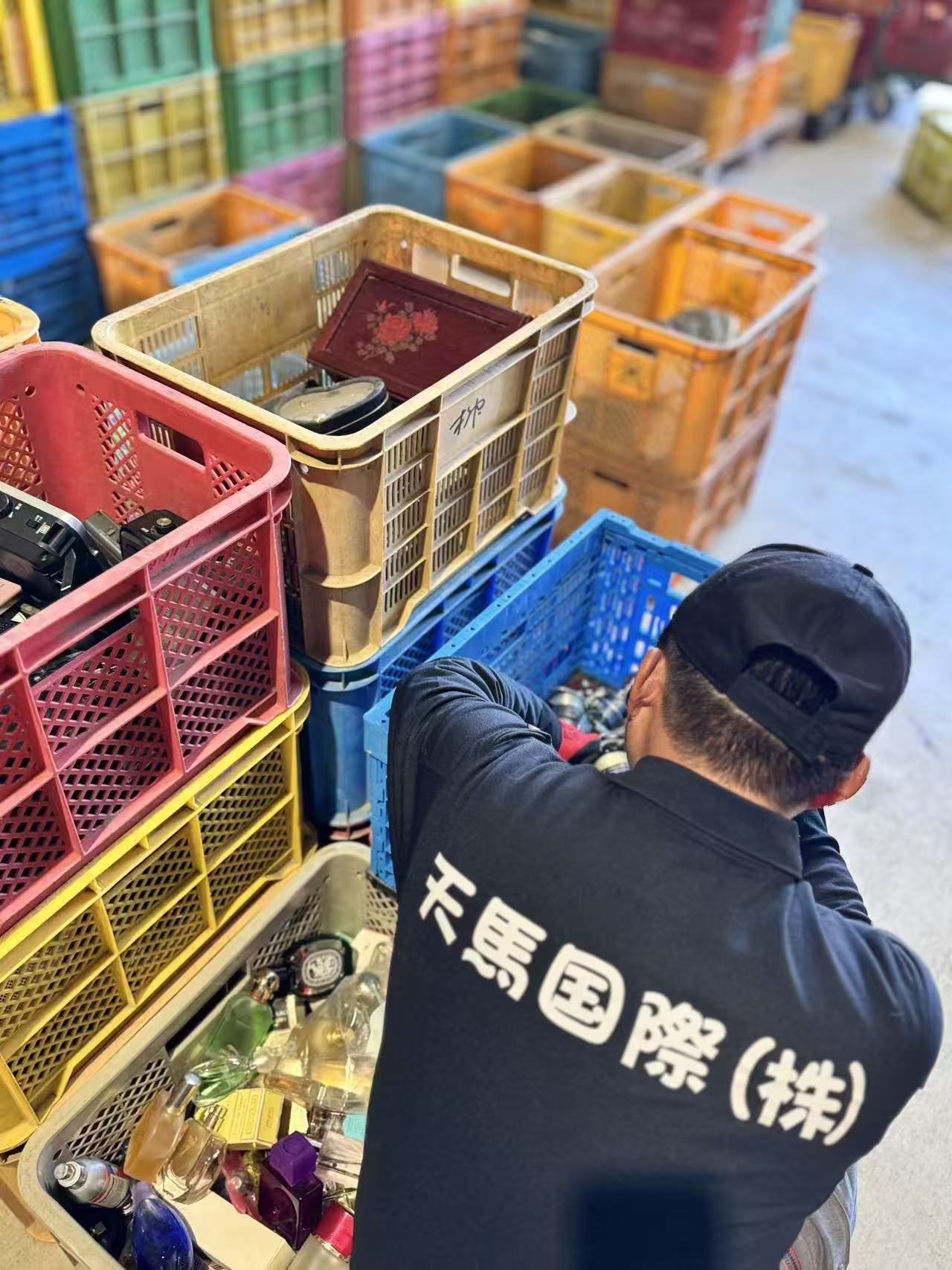
Goods are centralized in the warehouse. Staff inspect each item’s initial physical appearance, completeness, and wear-and-tear levels, then perform strict aesthetic grading. Sub-standard lots are intercepted. This stage deliberately excludes repair, cleaning, and functional testing, committing to a “what you see is what you get” approach.
Stage 3: Off-Site Scientific Container Loading & Securing
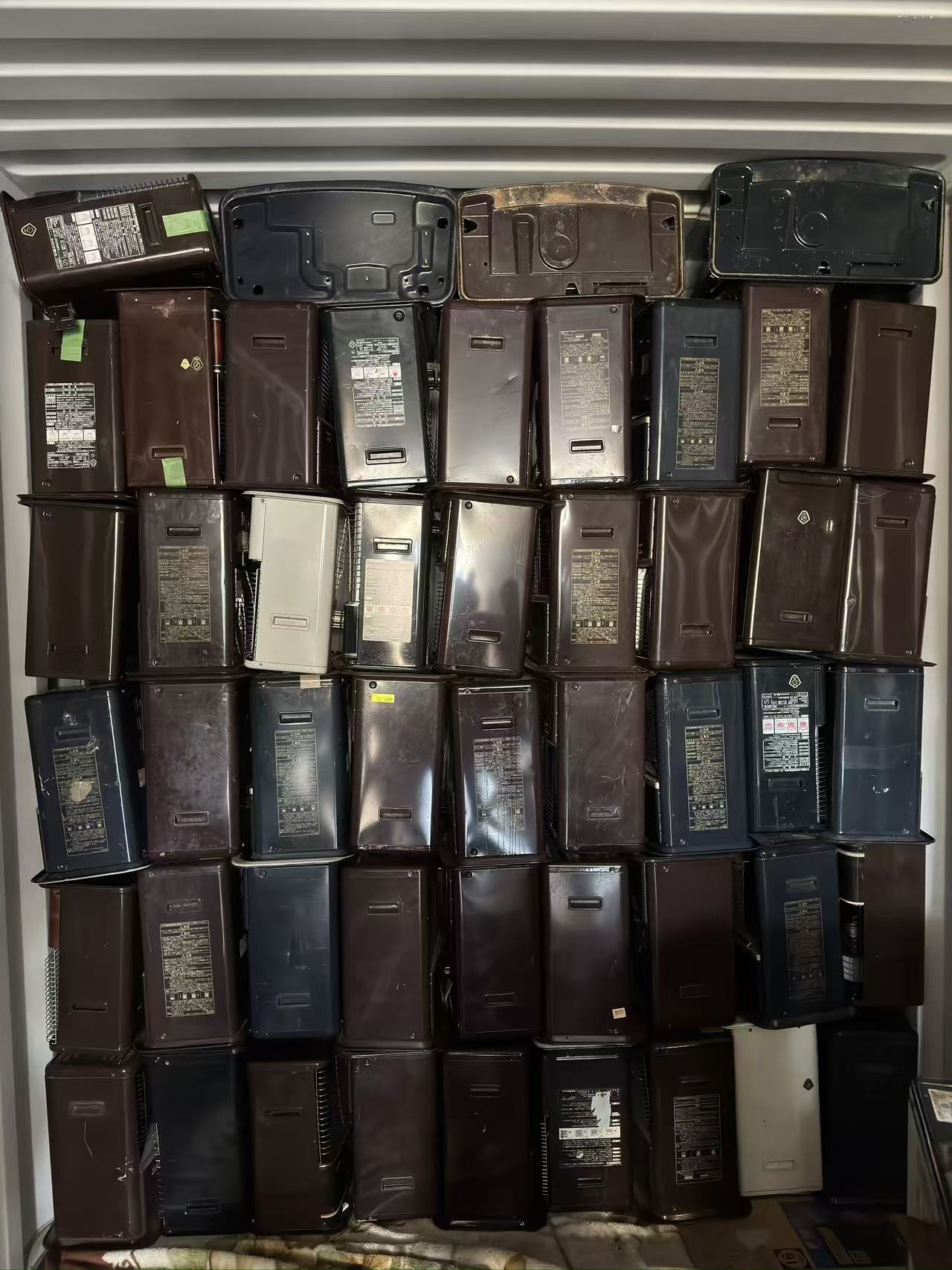
Qualified items are packed and secured inside ocean containers using space-optimization and collision-prevention layouts. The loading method is designed to reduce volumetric gaps and prevent shifting during ocean transit. Sealing is performed outside the facility, and seal numbers are documented.
Stage 4: Compliant Japanese Customs & Ocean Dispatch
Using the Secondhand Dealer License corporate credentials, Tenma International processes legitimate export declarations with Japanese customs and dispatches the container to destination ports such as Bangkok or Phnom Penh. Deliverables include a customs release note, Bill of Lading copy, or telex release confirmation.
Buyback Scenarios That Require Physical Screening
Consumer electronics buyback is not a single product category. It is a procurement method applied across multiple household and lifestyle electronics groups. The following scenarios are directly relevant to the service capabilities above.
Household Electronics Buyback
Residential electronics such as televisions, audio systems, and media devices are commonly collected in Japan’s local rotation networks. Because these goods are exposed to years of household use, the primary procurement risk is external damage: cracked shells, broken stands, and incomplete accessories. Physical appearance screening at the warehouse stage is what separates a sellable lot from a disposal problem.
Home Entertainment Electronics Buyback
Home entertainment categories often have high depreciation curves but strong residual visual value. Buyers of home entertainment electronics need assurance that the units are not mixed with dismantled or non-functional scrap. The Tenma International model filters heavily damaged items inside Japan and ships only structurally complete units, which directly reduces the buyer’s downstream handling cost.
Smart Home Device Buyback
The global smart home market reached USD 164.13 billion in 2026, according to Mordor Intelligence. Smart home devices increasingly appear in Japanese secondhand supply. For bulk buyers, the risk is not just cosmetic damage but missing components and unclear product generation. The condition-screening stage provides a documented baseline of physical completeness at the time of export.
Kitchen Appliance Buyback
Refrigerators, microwaves, and cooking appliances are heavy, dense, and difficult to load. The Refurbished Appliance Market is projected to grow from USD 10.1 billion in 2024 to USD 32.8 billion by 2034, according to Precedence Research. Heavy appliance buyback requires specialized loading skills to avoid collision damage during transit. Tenma International’s container loading strategy is built around this exact problem.
Used Household Device Buyback
Beyond appliances, used household devices include sundries, small electronics, and smaller lifestyle goods. The high-density mixed-loading method used by Tenma International allows buyers to fill containers efficiently when combining different category sizes.
Music Gear and Studio Equipment Buyback
Used musical instruments and audio equipment such as guitars, basses, pianos, keyboards, DJ equipment, and studio gear represent a separate procurement demand. The global musical instrument market was valued at USD 13.8 billion in 2025, according to Fortune Business Insights, with string instruments projected to hold a significant share. These goods are sensitive to shock and environmental conditions, making damage-prevention packing a critical part of the export process.
Evidence: A 40ft HQ Container from Chiba to Phnom Penh
The value of a physical-screening model can be measured in arrival condition. In a documented project, Tenma International supplied a Cambodian importer in Phnom Penh with a 40ft HQ ocean container of premium Japanese appliances and bicycles.
The client previously purchased blind-box containers through generic, unlicensed Japanese brokers. Those brokers loaded unsorted clear-outs from waste-management firms, producing containers with heavily damaged, dismantled, or entirely unusable items. The buyer paid international ocean freight and local waste-disposal fees, which severely eroded profit margins.
Under the Tenma International process, the project was completed in 12 working days from cargo lock-in to vessel departure. The execution steps were:
- Targeted premium-price recycling of bulky used appliances and commuter bicycles across Chiba;
- Centralized piece-by-piece inspection at the warehouse;
- Client confirmation via raw photo/video samples showing authentic, uncleaned product condition;
- Space-optimized nested loading combining bulky appliances and bicycles;
- Japanese customs clearance using Secondhand Dealer credentials.
The quantitative results were explicit:
- Arrival rate of heavily damaged or unsellable industrial waste dropped from over 25% to exactly 0%;
- Effective container space utilization increased by 18%;
- Overall project delivery timeline was cut by 4 working days compared to generic brokers.
The qualitative outcome was equally important: the buyer eliminated heavy local labor, high waste-disposal fees, and the reputational damage of opening a container full of unusable items. The client’s procurement director explicitly credited the honesty of the condition-screening commitment and confirmed additional container orders for the following month.
This case is a reference point, not a guarantee of identical results. Each shipment depends on category mix, source availability, and the buyer’s grade expectations. But the case demonstrates the core operational difference between licensed physical screening and blind volume trading.
Comparison: Traditional Broker Model vs. Licensed Physical-Screening Supplier
For buyers evaluating consumer electronics buyback suppliers in Japan, the structural differences are more important than price per unit.
| Dimension | Traditional Broker Model | Licensed Physical-Screening Supplier |
|---|---|---|
| License status | Often unlicensed paper-trading middlemen | Official Secondhand Dealer License held |
| Physical presence | No warehouse or inspection capability | Warehouse and sorting facilities in Chiba |
| Condition control | Minimal or no piece-by-piece screening | Strict aesthetic grading and defect filtering |
| Loading quality | Unplanned stuffing to fill volume | Space-optimized, anti-shock container layout |
| Export documentation | Limited or incomplete customs trail | Managed customs clearance with permits and B/L |
| Buyer risk | Scrap, waste disposal fees, margin erosion | Predictable condition baseline and lower waste risk |
A limitation of the physical-screening model is its cost structure and sourcing scope. Because the supplier performs condition grading inside Japan and does not pass uncontrolled scrap to the buyer, the per-unit sourcing price is typically higher than a blind-box container. Buyers who specifically want unverified, lowest-cost volume may not need this service. The model is designed for buyers who treat condition consistency as a supply-chain requirement, not an optional extra.
What This Means for Procurement Decisions
For global buyers evaluating consumer electronics buyback suppliers, the practical takeaway is to structure the evaluation around evidence rather than promises.
- Ask for the license: The presence of a Secondhand Dealer License is a minimum condition for legitimate export from Japan.
- Ask for the physical inspection step: If the supplier cannot describe how items are filtered in Japan, the buyer is accepting the filtering cost at the destination port.
- Ask for raw condition evidence: Photo and video records taken before cleaning and repair are more valuable than polished marketing images.
- Ask for loading documentation: Seal numbers, packing lists, and loading photos are the only way to verify container discipline.
- Ask for the revision point: A supplier that allows manifest changes before the container is sealed reduces the risk of committing to the wrong category mix.
Future Outlook for Japan-Sourced Consumer Electronics Buyback
The consumer electronics buyback market is moving toward greater professionalization. Global refurbishment demand is strong, but the bottleneck for cross-border buyers remains supply-side discipline: verifying condition, controlling waste, and maintaining compliance.
Several structural trends reinforce this direction. First, regulatory pressure on electronics recycling is expanding; in the United States alone, 25 states have enacted electronics recycling laws including Extended Producer Responsibility mandates. This raises the cost of exporting poorly screened waste and makes clean, verified sourcing more valuable. Second, B2B buyback services are expanding globally, which means buyers have more options and more need for comparative evaluation. Third, Japanese suppliers with physical infrastructure and licensed export capability are better positioned to serve markets such as Southeast Asia, where importers want predictable container outcomes.
Tenma International’s model points toward a buyer expectation that will likely become standard: consumer electronics buyback should be a controlled supply-chain process, not a lottery. For buyers, the question is no longer whether Japanese used electronics are available. They are. The question is which supplier can prove what is inside the container before it arrives.
For a detailed overview of categories, process stages, and export documentation, Tenma International Inc provides a company brochure in English. It can be accessed here: Tenma International Company Brochure (PDF).
FAQ
What is household electronics buyback?
Household electronics buyback is the purchase of used residential electronic goods — such as televisions, audio equipment, media devices, and small home electronics — for reuse or resale. In Japan, this type of buyback is usually performed through licensed secondhand dealers that collect idle household assets and export them to markets with demand for value-priced electronics.
How does home entertainment electronics buyback work in Japan?
Home entertainment electronics buyback in Japan works through a four-stage process: demand alignment and local sourcing, warehouse receipt and initial condition screening, scientific container loading, and compliant Japanese customs clearance. The key step for buyers is the physical screening stage, where items are checked for shell integrity, completeness, and wear levels before export.
Can smart home devices be included in a buyback container?
Smart home devices can be included in a multi-category buyback container, but they require the same physical screening discipline as other electronics. The buyer should define the product generation and completeness expectations in the procurement manifest, and the supplier should confirm the condition baseline before sealing the container.
What should a buyer know before buying used kitchen appliances from Japan?
Used kitchen appliances are heavy, bulky, and prone to damage during transit. A buyer should confirm the supplier’s container loading method, especially the anti-shock and damage-prevention layout. Buyers should also acknowledge that bulk secondhand assets are sold without functional guarantees unless a specific testing agreement is made.
How does used household device buyback reduce import risk?
Used household device buyback reduces import risk when the supplier performs piece-by-piece physical appearance grading inside Japan and filters out heavily damaged or scrap items. In a documented project, the arrival rate of heavily damaged or unsellable industrial waste dropped from over 25% to exactly 0% after the supplier implemented local condition screening.
What is the typical timeline for a consumer electronics buyback container?
In Tenma International’s process, the sourcing and condition screening stages take approximately 7–14 working days after deposit, depending on total volume and category complexity. Loading and customs dispatch take 3–5 working days after shipping confirmation. Total project duration can be as short as 12 working days from cargo lock-in to vessel departure.
What export documents does a licensed Japan buyback supplier provide?
A licensed Japan buyback supplier provides a bilingual packing list, commercial invoice, container sealing photos, a customs release note, and a Bill of Lading copy or telex release confirmation. Tenma International also uses its Secondhand Dealer License credentials to complete legitimate export declarations with Japanese customs.