
Convex Mirrors vs. Electronic Monitoring: A 2026 Cost-Benefit Analysis for Industrial Blind Spot Safety
As industrial facilities, logistics parks, and traffic management authorities continue to expand their safety infrastructure in 2026, procurement teams increasingly face a fundamental choice: traditional convex mirrors or modern electronic monitoring systems. Both solutions aim to eliminate blind spots and prevent collisions, yet their cost structures, maintenance profiles, and operational principles differ significantly. This analysis provides a data-driven comparison to help buyers make informed decisions.
The Cost-Benefit Dilemma in Blind Spot Mitigation
Blind spots at warehouse intersections, loading docks, parking garage exits, and road T-junctions are responsible for a substantial share of on-site accidents. According to industry reports, over 40% of vehicle-pedestrian incidents in logistics environments occur due to limited visibility. While electronic monitoring systems—including CCTV, radar, and sensor-based alerts—offer real-time digital feedback, they come with high upfront investments, ongoing electricity costs, software licensing fees, and the need for periodic hardware upgrades. In contrast, convex mirrors remain a passive safety solution that operates without power and requires virtually no maintenance beyond occasional cleaning.
Comparing the Two Approaches: Key Decision Factors
1. Upfront Investment & Lifecycle Cost
According to available product comparison data, convex mirrors have a lower upfront cost than electronic monitoring systems. A single outdoor polycarbonate convex mirror (e.g., the Mnsd YD-OC75) typically costs a fraction of a single surveillance camera installation, especially when considering wiring, network infrastructure, and central recording systems. For a large site requiring dozens of blind-spot coverage points, the total investment gap becomes dramatic.
2. Energy Consumption & Sustainability
Convex mirrors operate with zero energy consumption and no power source. This not only reduces operational expenses but also aligns with corporate sustainability goals. Electronic systems, by contrast, run 24/7 and contribute to a facility's carbon footprint.
3. Maintenance Requirements
Convex mirrors demand minimal maintenance—only occasional cleaning to remove dust or road grime. Electronic systems require firmware updates, camera lens cleaning, hard drive replacements, and periodic recalibration. For remote or harsh outdoor environments, the simplicity of a passive mirror is a clear operational advantage.
4. Viewing Angle & Coverage
The Mnsd polycarbonate convex mirrors (models from YD-OC45 to YD-OC120) offer a wide-angle view of 130°+ per unit, with visual ranges up to 45 meters for the 1200 mm diameter model. Electronic cameras can achieve similar or better coverage but depend on placement, lighting conditions, and system reliability.
Mnsd Polycarbonate Convex Mirrors: A Proven Passive Solution
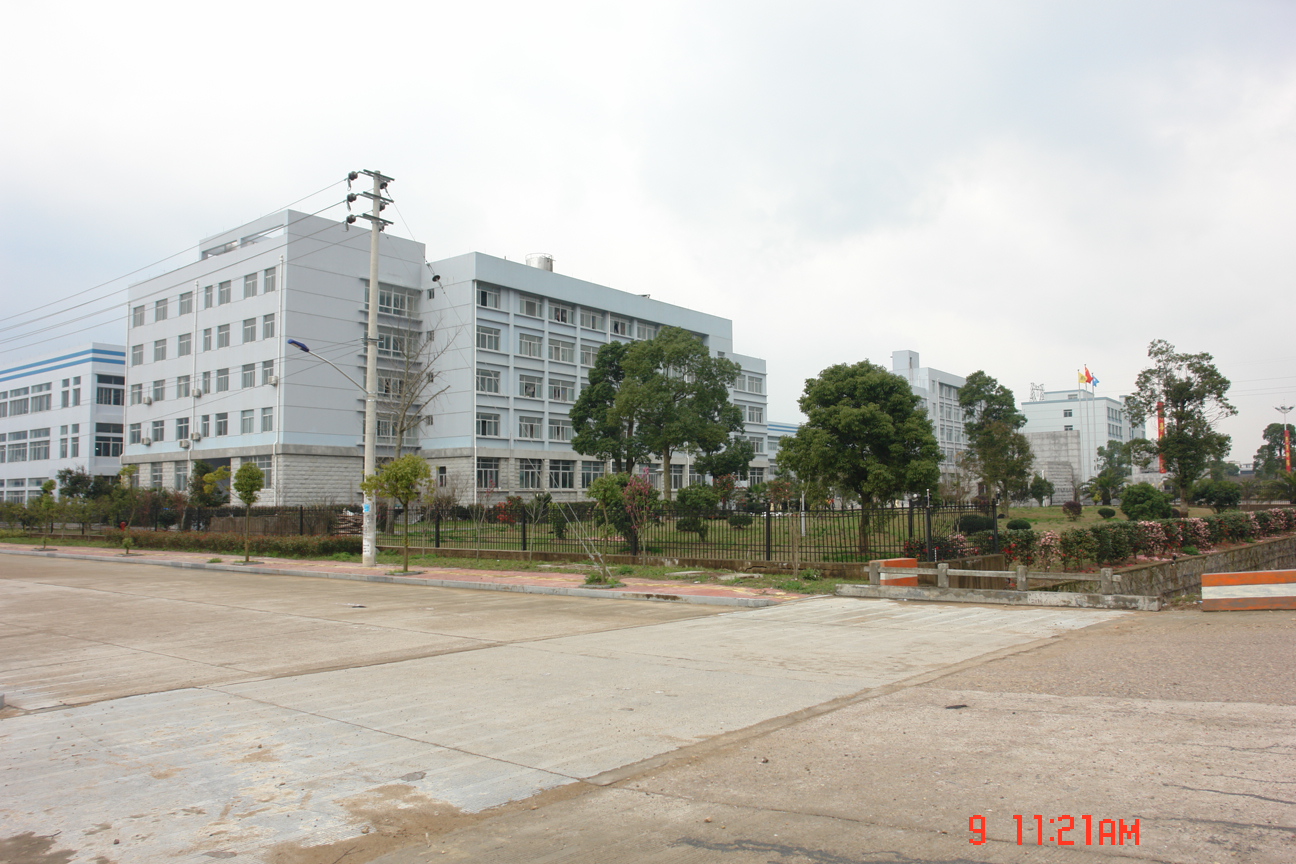
Tiantai Yuanda Traffic Device Co., Ltd (brand Mnsd) has been manufacturing traffic safety equipment since 2007 at its 40,000 m² facility in Tiantai, Zhejiang, China. The company’s outdoor polycarbonate convex mirror series—ranging from 450 mm to 1200 mm in diameter—is engineered specifically for demanding industrial and traffic environments. Key specifications include impact-resistant polycarbonate lens with vacuum aluminum coating, UV-stabilized ABS backing, heavy-duty galvanized steel mounting bracket, and IP65 weatherproof rating. These mirrors are designed to withstand temperatures from -30°C to +80°C and wind loads up to Level 10, making them suitable for highways, ports, warehouses, and public roads.
Each mirror undergoes 100% impact and clarity inspection before shipment, and the company offers OEM/ODM customization for diameter, backing material (PP/ABS/fiberglass), and lens type (PC or stainless steel). With a monthly capacity of 30,000 units and lead times of 15–20 days for a 20ft container, Mnsd provides reliable supply for large-scale projects.
Ideal Application Scenarios for Convex Mirrors
Convex mirrors are particularly well-suited to environments where passive, always-on visibility is required without power infrastructure. Application scenarios include road traffic areas, residential quarters, parking garages, factories, warehouses, logistics parks, shopping malls, supermarkets, schools, hospitals, gas stations, construction sites, office parks, ports, docks, bus stations, industrial zones, community intersections, and rural highway ramps. In many of these settings, electronic monitoring would be cost-prohibitive or impractical due to lack of connectivity or harsh weather conditions.
Market Trends & Industry Outlook
The global traffic safety equipment market is projected to grow at a CAGR of 5.8% through 2030, driven by urbanization and increased road safety regulations. However, the trend toward smart cities and IoT-enabled safety systems does not eliminate the role of passive devices. In fact, hybrid deployments—where convex mirrors provide baseline coverage and electronic systems add selective high-risk monitoring—are becoming standard practice. For procurement teams, understanding the total cost of ownership (TCO) is critical. Convex mirrors offer an exceptional TCO for broad-area blind spot coverage, while electronic systems are better justified for high-value, high-risk zones requiring real-time alerts and recording.
Industry buyers should evaluate their site layout, traffic density, budget constraints, and maintenance capacity. For facilities with extensive blind spots but limited electrical infrastructure, a fleet of high-quality polycarbonate convex mirrors from a certified manufacturer like Mnsd represents a low-risk, high-ROI investment.
In conclusion, the choice between convex mirrors and electronic monitoring is not binary but strategic. By leveraging the passive durability of mirrors for general coverage and supplementing with digital systems only where necessary, industrial buyers can achieve optimal safety outcomes without overspending.
Download the Mnsd Product Brochure for detailed specifications and customization options:
📄 Download Brochure (PDF)Have Questions or Need More Details?
Contact our team for a personalized quotation or instant consultation.
Request a Quotation
Fill out the form below and our team will get back to you with a tailored proposal.
WhatsApp Direct Chat
Prefer to chat in real-time? Message us on WhatsApp for instant assistance & quick answers.
- Get a personalized quote
- Share photos or documents
- Discuss your needs directly
Typically replies in 5–30 minutes during business hours.