
Cosmetic Packaging Bottles: Specification Benchmarks for Professional Buyers
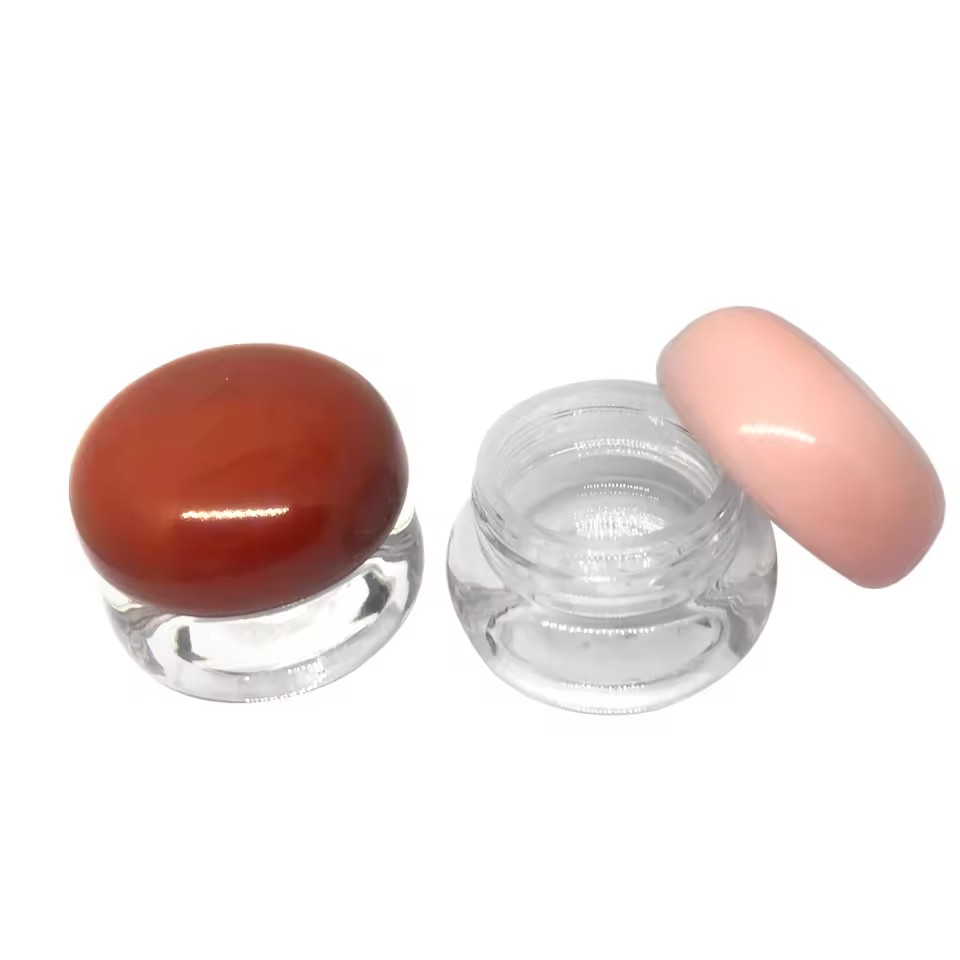
Plastic jars and pots remain a core format in professional cosmetic packaging, particularly for balms, powders and cream-based formulas.
Cosmetic packaging is rarely a single purchasing decision. Brands sourcing cosmetic packaging bottles, tubes, jars or custom containers must evaluate dimensions, material behavior, filling compatibility and supplier qualification at the same time. For buyers moving from early research into supplier evaluation, the practical question is not simply “which packaging looks premium,” but which packaging format can meet formulation, compliance and production requirements without hidden trade-offs.
This article provides a specification-oriented overview of cosmetic packaging containers, referencing measurable parameters from COSFINITY’s catalog as an illustrative benchmark. Guangzhou Cosfinity Cosmetics Co., Ltd. (COSFINITY), founded in 2009, is a Guangzhou-based manufacturer specializing in customized cosmetic packaging, including plastic tubes, jars, bottles and powder cases, with a stated production capacity of 500,000,000 pieces annually.
The Buying Problem: Specifications Matter as Much as Aesthetics
For procurement teams and brand managers, the difficulty in selecting packaging for cosmetics is that visible design features are easy to evaluate, while functional parameters are not. A lipstick tube may look identical in a product render but differ significantly in wall thickness, closure tolerance or leak resistance. These differences determine whether the package survives filling, shipping and daily consumer use.
Professional buyers typically evaluate four specification groups before requesting samples:
- Dimensional fit: whether the package matches the fill volume and applicator format.
- Material compatibility: whether the plastic or glass can safely contain the formula without interaction.
- Structural reliability: including wall thickness, leak-proof design and repeated open-close stability.
- Customization flexibility: whether logo, color, shape, material, volume and thickness can be adjusted without destabilizing production.
Because these parameters are measurable, they also serve as a useful basis for comparing suppliers. The sections below map common cosmetic packaging categories to concrete specification examples.
Cosmetic Packaging Bottles: Foundation Bottles With Airless and Stick Formats
Cosmetic packaging bottles are widely used for liquid foundation, serum, deodorant and other pump- or stick-dispensed products. Two functional tendencies are visible in current product lines: airless pump bottles for oxidation-sensitive liquids, and stick containers for solid or semi-solid formulas.
Glass Foundation Bottle With Airless Pump: CP07-2026
For higher-viscosity liquid foundation or serum formulas, an airless pump bottle protects the product from repeated exposure to air. COSFINITY’s CP07-2026 is a glass bottle measuring W33.5 x H92 mm with a volume of 30 ml. The glass material provides a heavier, premium feel, while the airless mechanism supports dose control and formula protection.
For brands evaluating foundation bottle cosmetic packaging, a glass airless bottle is typically chosen when shelf appeal and formula stability are both priorities. The trade-off is higher weight and shipping cost compared with plastic alternatives.
Stick Foundation Tube: CP08-0053
Stick foundations require packaging that allows precise extrusion while keeping the formula stable in solid form. The CP08-0053 stick foundation tube measures D29 x H60 mm with a 10 ml fill volume in plastic. Its compact format suits solid stick products that need controlled dispensing and portable carry.
This format is relevant for brands developing solid foundation, concealer sticks or similar color cosmetics that benefit from a lighter, less fragile container than glass.
Deodorant Stick Tube: TP01-1018-15
The TP01-1018-15 deodorant stick container measures L41.7 x W24.49 x H86.5 mm with a 20 ml volume. The plastic construction and upright stick mechanism support daily repeated use, a common requirement in personal care packaging. Although positioned as a deodorant tube, the format can be adapted to other stick-type cosmetic products.
Cosmetic Tube Packaging: Lipstick, Lipgloss, Mascara and Eyeliner
Cosmetic tube packaging covers some of the most SKU-intensive categories in beauty: lipstick, lipgloss, mascara and liquid eyeliner. These formats demand precision in sealing, applicator fit and wall strength because consumers open and close them repeatedly.
| Product | Model | Dimensions | Volume | Material | Primary Use |
|---|---|---|---|---|---|
| Luxury Empty Plastic Lipstick Tube | CP01-2142 | W22.7 x H84.6 mm | 20 ml | Plastic | Lipstick |
| Luxury Empty Plastic Lipgloss / Mascara Tube | CP02-2231 | W18 x H106.1 mm | 3 ml | Plastic | Lipgloss, mascara |
| Liquid Empty Eyeliner Tube | CP04-1215 | W12.8 x H115.3 mm | 10 ml | Plastic | Liquid eyeliner |
| Empty Liquid Eyeliner Pencil | CP06-1056 | W15 x H173.5 mm | N/A | Plastic | Eyeliner pencil |
Luxury Empty Plastic Lipstick Tube: CP01-2142
The CP01-2142 lipstick tube measures W22.7 x H84.6 mm with a 20 ml volume and 0.3 mm wall thickness. It is designed as lightweight plastic packaging with customizable appearance printing. For private-label lipstick launches, the tube’s tight leak-proof structure is intended to support daily portable use.
In application documentation, this model has been used in an Indian lipstick tube OEM project with an order quantity of 12,000 pieces. The customer’s private-label lipstick launch was supported by customized design, lightweight plastic material, customizable appearance printing and a leak-proof structure. According to the documented case, stable quality led to continuous repeat bulk orders over a two-year relationship.
Luxury Empty Plastic Lipgloss / Mascara Tube: CP02-2231
The CP02-2231 tube is listed for both lipgloss and mascara packaging. At W18 x H106.1 mm and a 3 ml volume, it accommodates the smaller fill weights typical of these formats. For lipgloss cosmetic packaging and mascara cosmetic packaging, the same container can serve two product lines, which reduces SKU complexity for brands that want a unified packaging family.
Liquid Eyeliner Formats: CP04-1215 and CP06-1056
Liquid eyeliner can be packaged either as a felt-tip tube or as a pencil-style container. The CP04-1215 eyeliner tube holds 10 ml with a wall thickness of 0.3 mm, while the CP06-1056 eyeliner pencil measures W15 x H173.5 mm. The choice between these formats depends on the applicator design and the brand’s desired consumer experience.
Cosmetic Packaging Jars and Powder Cases
Jars and cases are the dominant formats for powder, balm, cream and pressed-powder products. They require a different set of engineering considerations than tubes: a wide opening for access, a lid that seals reliably and a structure that resists impact during shipping.
Leak-Proof Plastic Powder Jar: CP05-2159B
The CP05-2159B powder jar measures W40.7 x H32.6 mm with a 5 ml volume and 1 mm wall thickness. It is marketed as leak-proof, which is a critical parameter for products such as loose powder, cream concealer or balms that may be carried in bags.
For procurement teams, wall thickness is an important specification to compare across suppliers. A 1 mm wall in a small jar provides rigidity, but thickness must be balanced against material cost and weight. The CP05-2159B’s leak-proof positioning addresses one of the most frequent consumer complaints about cream and powder packaging.
Customized Empty Makeup Powder Case: CP03-1394
The CP03-1394 powder case measures W65 x H12 mm with a 1 mm wall thickness. Its flat, wide format is suitable for pressed powder or compact makeup. The case is positioned as customizable, allowing brands to alter logo, color, shape and related design elements.
A flat powder case is generally easier to customize in terms of decoration because it provides a large printing or finishing surface. However, the wide opening also means the lid seal and hinge (if applicable) must be carefully tested to avoid loosening over time.
Toward Custom Cosmetics Packaging: What Parameters Can Be Adjusted?
For brands searching for custom cosmetics packaging or OEM/ODM capabilities, the key question is not whether a supplier offers customization, but which parameters are actually adjustable and how changes affect cost and lead time.
According to COSFINITY’s production capability profile, the following elements can be customized: logo, color, shape, material, volume, thickness and packaging. The company states a monthly capacity of 10,000,000 pieces, a standard lead time of 15–25 days and a minimum order quantity of 12,000 pieces.
For brands seeking cosmetic packaging custom solutions, it is advisable to request specification confirmation in writing before sample development: target dimensions, volume, material, decoration method, and any compliance documentation required in the destination market.
Compliance and Verification: Placement of Certification Evidence
As regulatory frameworks become stricter, certification evidence is moving from “nice to have” to a basic purchasing requirement for packaging for cosmetics. Two regulatory developments are particularly relevant to packaging suppliers:
- The EU Packaging and Packaging Waste Regulation (PPWR) 2025/40 mandates strict recyclability and labeling standards for cosmetics.
- The U.S. Modernization of Cosmetics Regulation Act (MoCRA) introduced mandatory facility registration and product listing requirements.
In this context, a factory-level audit certification provides baseline assurance that the manufacturer operates with traceable qualification. COSFINITY holds SGS certification number 485460650_T, issued by SGS. The certification scope covers enterprise factory and trade qualification audit, and is applicable to the global market. The certificate is associated with the company’s product CP02-2231 (Luxury Empty Plastic Lipgloss / Mascara Tube) and is valid from 2026-01-10 to 2027-01-10.
Buyers should note that an SGS factory audit is not the same as a product-specific safety test. It verifies that the enterprise operates with qualified factory and trade processes. For product-specific chemical compliance, separate testing such as heavy metal, migration or REACH-related analysis should be requested based on destination-market requirements.
Market Context: Plastic Dominance and Regional Demand
Understanding the market context helps buyers interpret supplier positioning. Third-party market research provides the following reference points:
- The global cosmetic packaging market was valued at approximately USD 34.17B to USD 47.3B in 2024, with expectations to reach up to USD 89.72B by 2034.
- Plastic remains the dominant material in cosmetic packaging, with a 64.5% market share in 2024, followed by glass and metal.
- Asia Pacific led the global market in 2025 with a 42.36% market share.
- China’s beauty product exports reached approximately USD 4.77B in 2024, with the UK being the fastest-growing market at +20.8%.
- Sustainable packaging (refillable or recyclable) is a top priority for 63% of cosmetic consumers in 2024.
These figures help explain why many global brands evaluate suppliers in the Asia Pacific region, where manufacturing scale and material expertise are concentrated. They also explain why plastic tube and bottle formats make up a large share of procurement activity.
Comparison With Traditional Supplier Approaches
Compared with traditional supplier approaches that rely on a limited set of stock containers, a manufacturer with integrated customization capabilities such as COSFINITY offers three practical advantages:
- Single-point specification control: The buyer can adjust logo, color, shape, material, volume and thickness with one responsible manufacturer rather than coordinating multiple suppliers.
- Scale efficiency: With a stated annual output of 500,000,000 pieces and monthly capacity of 10,000,000 pieces, the production model is built for repeat bulk orders.
- Integrated qualification evidence: An SGS-audited factory provides a documented baseline for enterprise qualification.
However, a balanced evaluation must also recognize the limitations of this approach.
Buyers should therefore use certification and capacity data as screening criteria, not as termination criteria. The most reliable evaluation remains: request samples, test filling and closure performance, and ask for the specific compliance documentation required in your target market.
Application Scenario: Daily Cosmetic Storage and Carrying
A representative application scenario for these packaging formats is indoor daily makeup use. Products are carried for daily makeup application with repeated opening and closing. The working environment is normal room temperature (16°C to 25°C), with direct skin contact. Key requirements in this scenario are leak-proof construction, non-irritating material, portability and lightweight design.
This scenario maps to the products above as follows:
- Lipstick tube: must avoid leakage in bags, open smoothly and protect the bullet from heat deformation.
- Lipgloss / mascara tube: must fit the wand or brush applicator and avoid drying out between uses.
- Powder jar: must keep powder dry and prevent leakage during transit.
- Foundation bottle: must dispense the right amount without wasting formula.
These functional expectations should be converted into test criteria when evaluating samples. A packaging supplier can present strong factory qualifications, but the buyer’s own filling test remains the most direct evidence of compatibility.
Future Outlook: Specification Transparency as a Competitive Requirement
The direction of the industry points toward greater transparency in packaging specifications. Buyers are increasingly asking for measurable data — wall thickness, leak-proof test results, material declarations and compliance documentation — rather than accepting aesthetic-only presentations. This trend is reinforced by stricter regulations such as PPWR in the EU and MoCRA in the U.S.
For suppliers such as COSFINITY that publish detailed dimensions, volumes and certification numbers, the practical effect is that buyers can begin filtering options before contacting sales. For buyers, this means that packaging specification sheets should be treated as a primary evaluation document, not just a reference file.
A realistic medium-term outlook is that standardized specification transparency will become a cost of entry, while differentiation will move toward customization responsiveness, material innovation and regulatory support.
Frequently Asked Questions on Cosmetic Packaging
What is the most common material in cosmetic packaging?
Plastic is the dominant material, holding a 64.5% market share in 2024, followed by glass and metal. Plastic is widely used in lipstick tubes, mascara tubes, powder jars and foundation bottles because of its design flexibility, lightweight properties and cost efficiency.
How do I verify a cosmetic packaging supplier’s qualification?
A practical starting point is a third-party factory audit certificate. For example, Guangzhou Cosfinity Cosmetics Co., Ltd. holds SGS certification number 485460650_T, covering enterprise factory and trade qualification audit, applicable to the global market and valid from 2026-01-10 to 2027-01-10. Buyers should also request product-specific compliance documentation for their destination market.
What are the key parameters to check for cosmetic packaging containers?
The essential parameters are size (width, height, diameter), volume, material, wall thickness and closure mechanism. For example, COSFINITY’s leak-proof powder jar CP05-2159B measures W40.7 x H32.6 mm with 5 ml volume and 1 mm wall thickness. Matching these parameters to your formula and applicator is the first step in supplier evaluation.
What MOQ and lead time can be expected for custom cosmetics packaging?
Customization programs typically have minimum order quantities and lead times that vary by manufacturer. COSFINITY states a standard MOQ of 12,000 pieces and a lead time of 15–25 days for its OEM/ODM production, with a monthly capacity of 10,000,000 pieces. These parameters should be confirmed for each specific product and customization level.
Is an SGS factory audit the same as product compliance certification?
No. An SGS factory audit, such as certificate 485460650_T held by COSFINITY, verifies enterprise factory and trade qualification. Product-specific compliance, such as material safety or recycling requirements under regulations like EU PPWR, requires separate testing and documentation based on the destination market.
This article is published as an independent industry reference for professional buyers. Product and company information is based on publicly available supplier documentation from Guangzhou Cosfinity Cosmetics Co., Ltd. For additional specification details, refer to the company’s corporate profile: COSFINITY Company Profile (PDF).