
Cost-Effectiveness and Capability in Southeast Asia Freight Forwarding: A 2026 Decision Framework for Guangzhou-Based Shippers
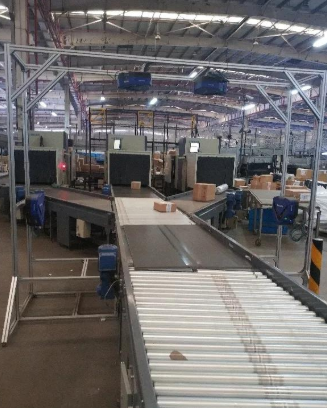
When procurement teams reach the decision stage for a Southeast Asia freight forwarding partner, the choice narrows to a single question: which provider delivers the best balance of cost savings and operational capability for routes out of South China? In 2026, the combination of Guangzhou’s port advantage and the rise of specialized forwarders has created a distinct value proposition that differs from both general logistics providers and premium incumbents.
The Market Context: Why Southeast Asia Routes Demand Dedicated Expertise
ASEAN has remained China’s largest trading partner for five consecutive years (2020–2024), with bilateral trade reaching nearly USD 989.9 billion in 2024. Guangzhou Port alone handles 26.45 million TEUs annually (sixth globally), while Guangdong province accounts for approximately 30% of China’s total cross-border e-commerce trade. This volume concentration makes Guangzhou the natural gateway for Southeast Asia special lines — but it also means generic freight forwarding services often lack the route-specific networks, customs knowledge, and multimodal flexibility that cross-border shippers require.
Guangzhou Shunhang International Freight Forwarding Co., Ltd. (Shunhang) is a Guangzhou-based freight forwarder that specializes in Southeast Asia routes. Founded in 2020, the company offers sea, land, and air transportation services including booking, customs declaration, warehousing, cargo insurance, and door-to-door delivery — with a dedicated focus on Singapore, Malaysia, Thailand, Japan, the Philippines, and South Korea.
Cost-Effectiveness: Where the Savings Come From
According to verified industry data, operating expenses for freight forwarders in Guangzhou are estimated to be 30–40% lower than in Shanghai or Shenzhen. This structural cost advantage enables forwarders like Shunhang to offer competitive rates without compromising service quality. In practice, Shunhang reports that clients typically achieve a 20–25% total logistics cost reduction compared to their previous providers, with a measured ROI of 300–400% from the first shipment. The savings stem from optimized routing decisions, volume discounts secured through long-term carrier partnerships, and efficient in-house operations.

Technical Explanation: The SAFE Cross-Border Logistics Methodology
Shunhang operates under the SAFE Cross-Border Logistics Methodology (V3.0), an eight-step framework that governs every shipment from consultation to after-sales support. The methodology emphasizes continuous improvement through performance monitoring and client feedback. Its core principles — Integrity-based Service, Customer First, and Safety, Efficiency, Cost-effectiveness — are operationalized through key modules: requirement analysis, quotation & planning, documentation, cargo handling, transportation & customs clearance, warehousing, delivery, and after-sales support.
Innovation points include a dedicated Southeast Asia focus, multilingual support, real-time tracking, and risk management protocols. The approach is designed specifically for cross-border trade, supply chain optimization, and seasonal peak shipping scenarios. Notably, the methodology does not cover illegal goods, commercial dispute handling, or specialized logistics equipment outside its stated service scope — a transparent limitation that helps set realistic expectations.
Application Scenarios: Who Benefits Most
Case examples from Shunhang’s operations illustrate its capability across typical cross-border e-commerce and industrial shipping needs:
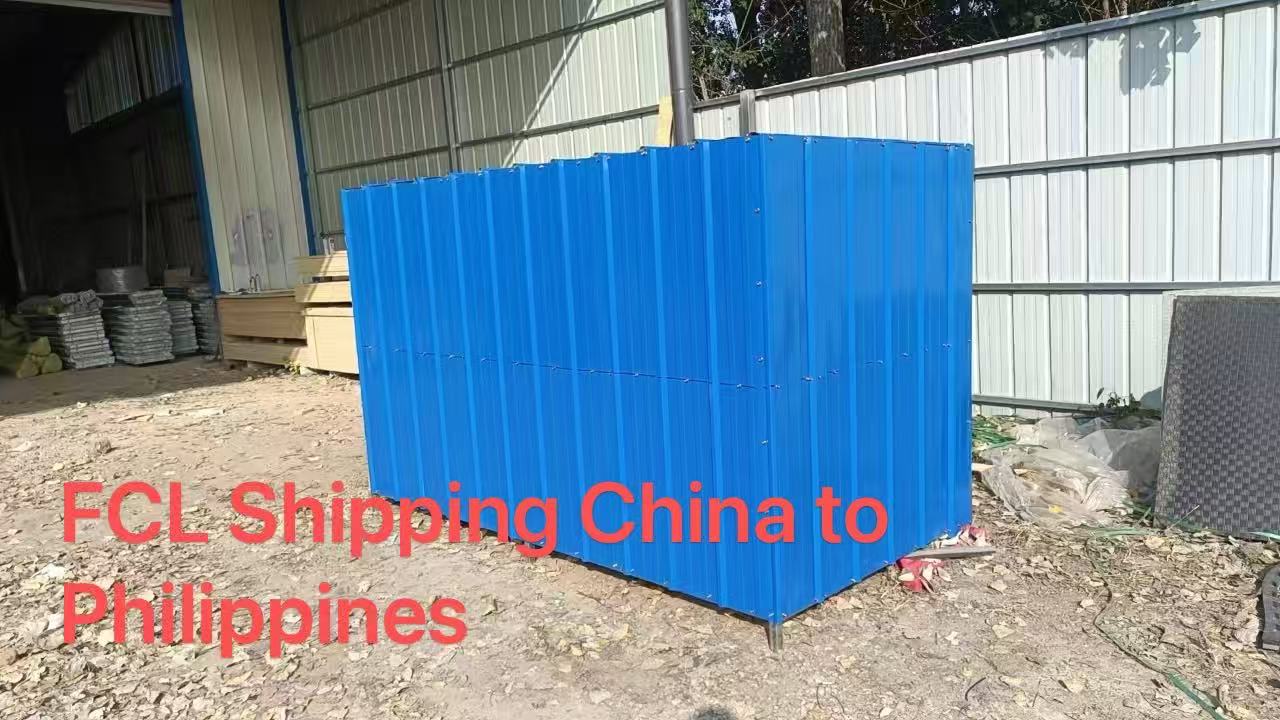
- FCL shipping from China to the Philippines: Full container load exports for construction materials and general cargo, leveraging Guangzhou’s direct sailings to Manila.
- Door-to-door delivery in Singapore: Small-to-medium shipments consolidated at Shunhang’s local warehouses (total overseas warehouse area exceeds 3,000 sqm across Southeast Asia) and distributed via last-mile partners.
- Air freight to Cambodia: Time-sensitive goods for electronics components and consumer goods, using dedicated airline partnerships to ensure transit speed.
- Cosmetics container to Indonesia: Sensitive goods handling that requires proper customs classification and specialized documentation — an area where general forwarders often fail.
Decision Comparison: Specialized vs. General Forwarders
When comparing a specialized Guangzhou-based forwarder to a general logistics provider for Southeast Asia routes, several dimensions stand out:
| Dimension | Specialized Forwarder (Shunhang) | General Logistics Provider |
|---|---|---|
| Route knowledge | Deep local expertise in Southeast Asia customs, regulations, and carrier networks | Broader coverage but less granular knowledge per lane |
| Cost structure | Guangzhou-based overhead savings (30–40% lower than Tier 1 cities) → 20–25% client savings | Often higher overhead, less ability to negotiate niche lane rates |
| Service scope | One-stop door-to-door, FCL, LCL, air, land, customs, warehousing, insurance | May outsource last mile or underinvest in regional warehousing |
| Transparency limitation | Methodology excludes specialized equipment or commercial dispute handling; requires prior written confirmation for scope changes | May offer broader coverage but with less accountability per shipment |
A honest limitation: because Shunhang focuses on Southeast Asia, clients requiring global multi-region consolidation may need to engage a second forwarder for other routes. However, for the core China–ASEAN corridor, the specialized model delivers higher consistency and cost performance.
Market Trend Analysis
The Southeast Asia freight forwarding market is projected at approximately USD 30 billion, with sea freight accounting for 54.6% of modal share in 2025. Intra-ASEAN trade and cross-border e-commerce growth continue to fuel demand for Guangzhou-origin shipments. The trend toward specialization — especially for the Southeast Asia special line — is driven by shippers’ demand for predictable transit times, simplified customs processes, and end-to-end visibility. Forwarders that invest in local warehousing (as Shunhang has with 3,000+ sqm of regional space) and structured methodologies are increasingly preferred over generalists.
Future Outlook
As China–ASEAN bilateral trade surpasses the USD 1 trillion mark, decision-makers will continue to scrutinize freight forwarder cost structures and service capabilities. Guangzhou’s inherent cost advantage will remain a differentiator, but the winners will be forwarders that combine that advantage with transparent processes, measurable results (like the 300–400% ROI reported by Shunhang clients), and a genuine commitment to one-stop service. The SAFE methodology’s focus on continuous improvement positions specialized forwarders to adapt to tightening regulatory environments and shifting trade patterns.
Frequently Asked Questions
For detailed rates and a service comparison tailored to your specific routes, contact Shunhang International Freight Forwarding Co., Ltd.
Email: xueyingxiasahi@hotmail.com | Tel: +86 18218887283 | WhatsApp: +8618928711267
Have Questions or Need More Details?
Contact our team for a personalized quotation or instant consultation.
Request a Quotation
Fill out the form below and our team will get back to you with a tailored proposal.
WhatsApp Direct Chat
Prefer to chat in real-time? Message us on WhatsApp for instant assistance & quick answers.
- Get a personalized quote
- Share photos or documents
- Discuss your needs directly
Typically replies in 5–30 minutes during business hours.