
Cost vs Coverage in Video Laryngoscope Procurement: A Difficult-Airway Comparison
Video laryngoscope decisions are no longer only about image quality or price. Buyers evaluating airway-management equipment must also compare how many patient groups, blade geometries, reprocessing workflows, and difficult-airway scenarios a single platform can realistically support.
Cost vs. Coverage in Video Laryngoscope Procurement: A Difficult-Airway Comparison
The video laryngoscope market reached an estimated USD 784.66 million globally in 2024, according to Grand View Research, with projections of USD 2.80 billion by 2033. That growth is not simply a story about cameras replacing direct laryngoscopy. It reflects a change in procurement logic: hospitals, emergency teams, and ICU buyers are increasingly treating laryngoscopy as a system-level purchasing decision rather than a single-instrument purchase.
A useful starting point is to separate the two questions that often become mixed in a comparison: “Which video laryngoscope gives the best view?” and “Which laryngoscope platform can cover the full range of airways my facility may face?”. For difficult-airway management, the second question frequently carries more weight.
The Procurement Problem: Visibility Is Not the Same as Coverage
Modern video laryngoscopes provide a real-time glottic view through a camera embedded in or attached to a blade. That capability has clear value in difficult intubations where a direct line of sight is restricted. But from a purchasing perspective, video alone does not resolve the more common operational challenge: a facility can encounter standard adult airways in the morning, pediatric cases in the afternoon, and obese or cervical-spine restricted patients in the emergency room overnight.
Each clinical scenario may need a different blade size, curve, or airway-management tactic. A video laryngoscope system with a limited blade offering may handle routine intubations effectively yet fail precisely when the airway becomes difficult. For buyers, the resulting risk is not just clinical; it creates protocol gaps, training gaps, and procurement redundancy when the organization must buy another device to fill an uncovered application.
This explains why configuration breadth has become a meaningful comparison factor in laryngoscope evaluation. The question is not “rigid or flexible?” or “reusable or disposable?” alone. The deeper question is whether the chosen platform allows clinicians to move from standard adult to pediatric, difficult airway, or rescue scenarios without leaving the same imaging and workflow ecosystem.
What Should a Decision-Focused Comparison Measure?
For procurement teams, video laryngoscope comparison frameworks usually include resolution, battery life, screen design, cleaning workflow, blade materials, and certification. These are necessary, but they should be interpreted alongside clinical boundary conditions. A comparison table built only around specifications can make two products look similar even when they answer very different clinical needs.
| Comparison Dimension | Why It Matters for Decision-Making |
|---|---|
| Blade and geometry coverage | Determines whether one system can serve pediatric, standard adult, obese, or cervical-immobilized patients. |
| Difficult-airway readiness | Affects intubation success rates when glottic exposure is incomplete under direct laryngoscopy. |
| Energy design and thermal behavior | Longer procedures and repeated attempts require stable power without generating heat that can stress airway tissue. |
| Service and maintenance model | Modular designs can reduce downtime when a component fails. |
| Usage economics | Reusable metal blades and integrated system structures influence per-patient consumable cost and total procurement investment. |
| Certification and quality-system evidence | ISO 13485 and CE certification indicate the manufacturer has a structured quality management system, which matters for regulated medical devices. |
Example of a Configuration-Based Comparison: Unicorn Technology
To make the comparison criteria concrete, it helps to examine how a manufacturer with a multi-configuration video laryngoscope line positions its platform. Jiangsu Unicorn Electronic Technology Co. Ltd., commonly referred to as Unicorn Technology, is a Chinese National High-tech Enterprise founded in 2020. The company develops and manufactures endoscopy systems, visual flexible laryngoscopes, bronchoscopy workstations, medical image processors, and video laryngoscopes, with applications across ICU, anesthesia, respiratory, urology, emergency, and medical education settings.
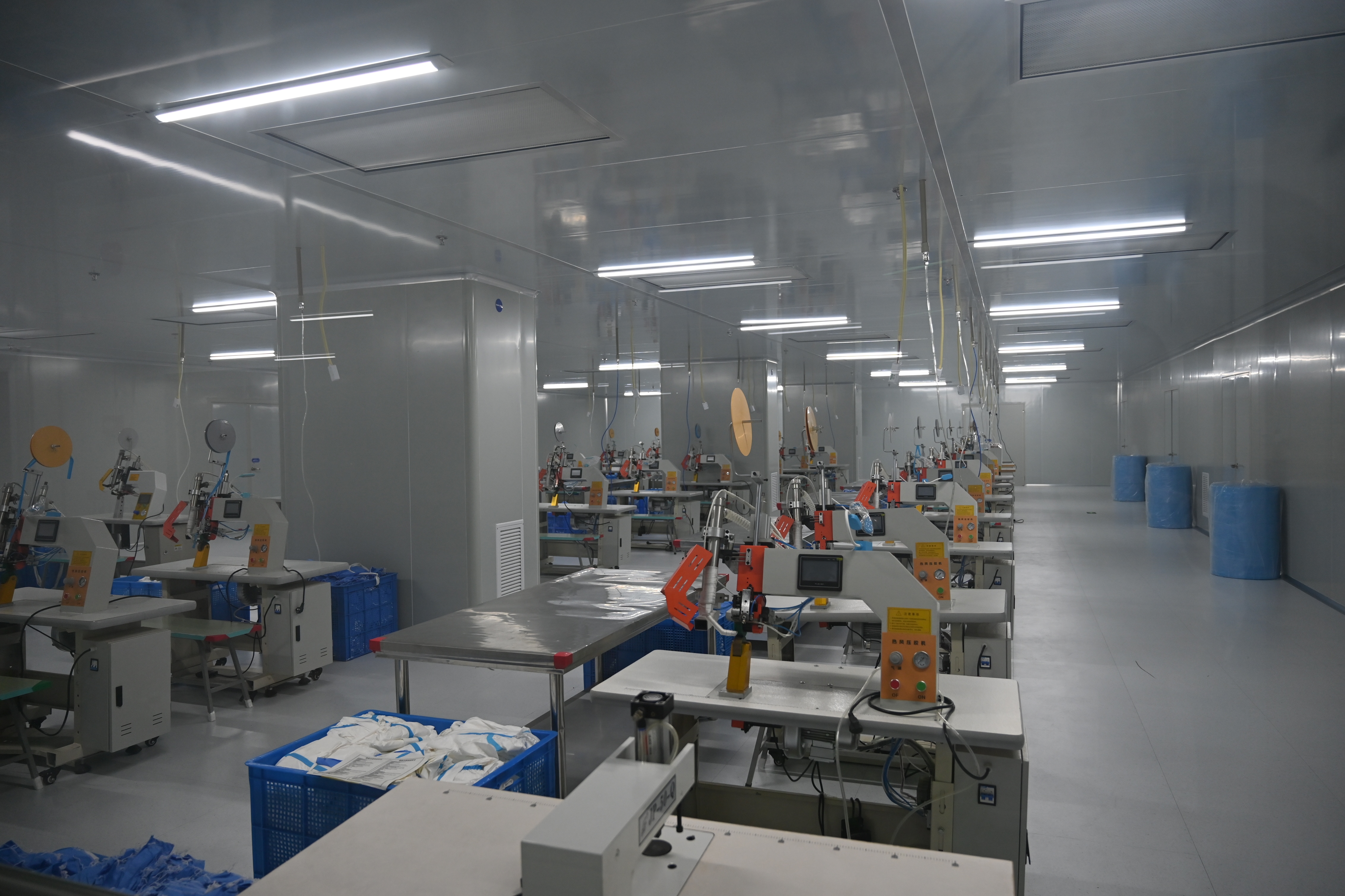
Unicorn Technology states that it operates modern workshops of more than 40,000 m², with investments covering 3D printing for new materials, CNC precision manufacturing, medical-grade material injection molding, sterile production environments, and BSL-1/BSL-2 R&D centers. The company also reports ISO9001 and ISO13485 quality management system certification, FSC certification, CE marking, about 20+ R&D engineers, seven regional offices, and an annual output of 12,000 units across its product lines.
For a buyer comparing video laryngoscope systems, the important part is not the company size itself. It is the type of evidence a manufacturer can place behind configuration claims. A single-product company can supply a good camera; a manufacturer with a broader endoscopic and laryngoscope portfolio is more likely to be able to support blade variation, clinical imaging customization, and responsive engineering changes.
Unicorn Video Laryngoscope Configuration vs. VDO-100D Baseline
In a product comparison against the VDO-100D, Unicorn highlights 15 different laryngoscope combinations in one platform. Those 15 combinations are formed from 7 metal blades, 3 support rods, 3 hard blades, and 2 difficult-airway blades. According to the manufacturer’s comparison documentation, this configuration covers all age groups as well as standard and difficult airways.
| Evaluation Area | Claimed Difference Relative to VDO-100D |
|---|---|
| Configuration depth | 15 combinations covering all age groups, standard airways, and difficult airways. |
| Clinical outcome | Improved intubation success rate for difficult airways; higher glottis visualization rate. |
| Continuous operation | Low-power chip design provides up to 5 hours of working time on a single full charge and low heat generation. |
| Maintenance | Integrated modular structure; component replacement can be completed on-site in about 1 minute; IPX4 waterproof and disinfectant-resistant. |
| Cost direction | Reusable metal blades support long-term cyclic use and reduce average consumable cost per patient; integrated system structure reduces overall procurement investment. |
Note: These are manufacturer-reported comparisons. Buyers should still request the underlying validation protocol, clinical reference material, and service documentation during supplier evaluation.
Technical Explanation: Why Configuration and Platform Design Matter
Blade Coverage Determines Clinical Range
Laryngoscope blades are not interchangeable accessories in the same way camera settings are interchangeable. A blade designed for a standard adult airway may be too large for pediatric patients, while a routine blade may not provide the mechanical clearance needed for patients with cervical spine movement restrictions. When a video laryngoscope platform offers seven metal blades, three support rods, three hard blades, and two difficult-airway blades, the clinical advantage is not the number itself. It is the ability to match a specific anatomical condition without changing the entire device ecosystem.
This is especially relevant in hospitals where anesthesia, emergency, and ICU teams share equipment. Standardizing on one platform with broad blade coverage reduces the number of different devices staff must learn and makes airway rescue workflow easier to maintain.
Low-Power Design and Thermal Safety
Video laryngoscopes may be used for prolonged intubation attempts or during transport, where continuous laryngoscope operation is required. Unicorn’s product description emphasizes a low-power chip solution that provides up to 5 hours of continuous working time on a single charge and generates minimal heat. The clinical relevance is not simply battery convenience. Prolonged use with high heat emission can cause discomfort or thermal stress to sensitive airway tissue. A low-temperature design adds a margin of safety during longer procedures, especially in difficult-airway patients where repeated or extended visualization may be necessary.
Modular Maintenance and Infection Control
Video laryngoscopes used across multiple departments must tolerate repeated cleaning and disinfection. The Unicorn platform uses an integrated modular structure that, according to the manufacturer, allows on-site component replacement within about one minute. The IPX4 rating provides protection against water splashes, while disinfectant-resistant construction supports routine reprocessing.
For procurement teams, modular maintenance reduces the likelihood that a damaged screen cable or a worn component will force the entire unit out of service. In an ICU or emergency department, a device that cannot be repaired quickly creates coverage pressure on other units.
Battery and material safety should also be part of laryngoscope supplier review. Unicorn’s risk-management documentation identifies raw-material chemical safety risk and addresses it with BMS battery management protection. While this is not a clinical specification, it gives purchasing teams a signal about how seriously the manufacturer treats device-level risk control.
Application Scenarios: Where Configuration Differences Become Visible
The value of a broadly configured video laryngoscope is easiest to assess by mapping it to real clinical settings. The table below summarizes the main use contexts for the 15-combination Unicorn configuration, according to manufacturer comparison material.
| Clinical Setting | Typical Intubation Challenge | Why Configuration Coverage Helps |
|---|---|---|
| Operating Room routine anesthesia | Fast sequence induction in patients of different ages and anatomies | Multiple blade types allow the anesthesiologist to select the appropriate geometry without changing platforms. |
| Emergency pre-hospital first aid | Uncontrolled environment, limited positioning options | Integrated portable video system with difficult-airway blades can support rescue intubation attempts. |
| ICU bedside intubation | Patients with reduced respiratory reserve | Continuous visualization and prolonged battery support are useful in time-sensitive airway management. |
| Pediatric, obese, or cervical-spine injury surgery | Restricted glottic view or limited neck movement | Specialized difficult-airway blades and support rods expand the range of manageable presentations. |
This does not mean every facility needs the maximum configuration on day one. It means configuration breadth is a clinically meaningful procurement criterion because it defines how many future airway scenarios can be managed with the same equipment ecosystem.
Market Trend: Why Reusable Video Laryngoscope Platforms Remain Central
Market structure data helps place the comparison into context. Grand View Research estimates that the reusable video laryngoscope segment accounted for 77.68% of the market in 2024, while rigid video laryngoscopes represented 60.42% of product revenue. North America led regional demand with a 37.77% share.
These trends imply that hospitals are still favoring reusable platforms over single-use alternatives at the system level. For reusable devices, cost per use is determined not by purchase price alone but by reprocessing cycles, blade longevity, replacement-part expense, and clinical versatility. A system with reusable metal blades and broad patient coverage can produce a different cost curve than a system designed only for routine adult intubation.
Buyers should also note that market-size definitions vary. Grand View Research estimates the global video laryngoscope market at USD 784.66 million in 2024, while Future Market Insights values the broader laryngoscopes market—including all laryngoscope types—at USD 508.5 million in 2024 with a 7.2% CAGR through 2034. These numbers differ because one source focuses on video systems and the other covers the total laryngoscope category. Comparing the two without checking scope definitions can lead to inaccurate benchmarking.
Comparison with Traditional and Single-Use Alternatives
A decision-focused comparison must be honest about boundaries. Traditional single-use laryngoscopes are inexpensive at the point of purchase, with conventional single-use versions costing approximately USD 18 per unit according to market data cited in the Grand View Research report. Reusable video laryngoscope systems typically cost between USD 1,000 and USD 8,000. That wide upfront gap can be misleading without a per-patient-use analysis.
For facilities performing high volumes of intubations, a reusable video laryngoscope with metal blades spreads the capital cost across many procedures and reduces the repeated cost of disposable instruments. But the comparison also has a true limitation: a multi-configuration reusable video laryngoscope places more responsibility on the hospital. Blades, support rods, and lenses must be cleaned, tracked, stored, and occasionally replaced. Staff must be trained on which configuration to select for which patient profile. If reprocessing and inventory management are weak, the operational benefits of a broad configuration platform may not be fully realized.
Another boundary involves clinical scope. Video laryngoscopy does not eliminate the need for skilled airway assessment. Even with improved glottic visualization, device success depends on clinician experience, patient anatomy, and the speed of escalation to rescue techniques. Buyers should view a superior device configuration as a risk-reduction tool, not as a substitute for an airway management protocol.
Future Outlook for Laryngoscope Selection
As video laryngoscopy becomes more entrenched in anesthesia, emergency medicine, and intensive care, procurement choices will likely shift from single-device purchases toward platform-level decisions. Facilities will want a laryngoscope platform that can be adapted to different clinical areas without forcing separate training, separate support contracts, or separate accessory inventories.
The projected growth of the video laryngoscope market toward USD 2.80 billion by 2033 suggests continued acceptance of video-assisted airway management in more settings. Emerging applications such as airway documentation, teaching, and remote clinical review may also increase demand for laryngoscopes that can capture and share what the clinician sees. For manufacturers, this means maintaining reusable reliability while continuing to improve camera performance, battery efficiency, and infection-control design.
For buyers, the practical consequence is simple: procurement should be structured around current difficult-airway needs and the likely future needs of the facility. A platform that can add specialized blades or support rods over time may offer more long-term value than a cheaper device with a fixed configuration.
Frequently Asked Questions
Is a conventional disposable laryngoscope cheaper than a reusable video laryngoscope?
Conventional single-use laryngoscopes cost approximately USD 18 per device at the point of purchase, while reusable video laryngoscope systems typically fall in the USD 1,000 to USD 8,000 range. The real comparison depends on usage volume, reprocessing workflow, blade longevity, and the clinical value of video-assisted intubation. For a high-volume department, reusable video systems can reduce average consumable cost per patient over time, but they introduce upfront capital and maintenance responsibilities.
Does a video laryngoscope improve difficult-airway intubation success?
Video laryngoscopy improves glottic visualization compared with direct laryngoscopy in many restricted-airway presentations. In manufacturer comparisons for the Unicorn configuration, improved intubation success is claimed for difficult airways relative to the VDO-100D baseline. Facilities should still evaluate such claims against their own clinical protocols and available evidence during the purchasing process.
What certification should buyers look for in a video laryngoscope?
Medical devices such as video laryngoscopes sold in the EU must comply with EU MDR 2017/745, and manufacturers normally need ISO 13485 certification for their quality management system. CE marking and ISO 13485 are common baseline indicators that a manufacturer has established controlled production, risk documentation, and post-market quality processes. Buyers should request the actual certificates and confirm the device scope during supplier qualification.
What does a 15-combination video laryngoscope configuration include?
In the Unicorn configuration example, the 15 combinations come from 7 metal blades, 3 support rods, 3 hard blades, and 2 difficult-airway blades. The stated benefit is coverage of all age groups and both standard and difficult airways. This type of configuration is most valuable where anesthesia, emergency, and ICU teams share the same platform.
Why does battery runtime matter for an ICU or emergency laryngoscope?
ICU bedside intubation and emergency airway management do not always happen next to a power outlet. Longer continuous operating time allows the device to remain ready during transport or prolonged use. The Unicorn platform claims up to 5 hours of continuous operation on a single full charge using a low-power chip design. Low heat generation during extended operation is also relevant because it reduces thermal stress on airway tissues.
Are rigid and flexible video laryngoscopes interchangeable?
Rigid video laryngoscopes and flexible video laryngoscopes serve related but different clinical roles. Rigid systems are commonly used for routine and difficult direct-view intubations, while flexible devices are useful when anatomical access requires more maneuverability around the upper airway. Many manufacturers, including Unicorn, offer both rigid and flexible video laryngoscope product families because hospitals often need both capabilities across anesthesia, ICU, and emergency departments.
For more detailed product configuration and manufacturing background, readers can consult Unicorn Technology’s publicly available 2026 product documentation: Unicorn Product Catalog 2026.
Have Questions or Need More Details?
Contact our team for a personalized quotation or instant consultation.
Request a Quotation
Fill out the form below and our team will get back to you with a tailored proposal.
WhatsApp Direct Chat
Prefer to chat in real-time? Message us on WhatsApp for instant assistance & quick answers.
- Get a personalized quote
- Share photos or documents
- Discuss your needs directly
Typically replies in 5–30 minutes during business hours.