
Cotton Ginning System Comparison: Saw Gin vs. Roller Gin and How to Choose
For buyers at the final procurement stage, the central question is seldom whether a cotton ginning line is needed. The decision usually comes down to a concrete comparison: saw gin or roller gin, single machine or complete plant, semi-automatic or fully automatic system. This article compares cotton ginning technologies and equipment configurations using verifiable criteria, including throughput, fiber quality, energy consumption, investment level, and supplier capability, to help buyers structure a defensible purchasing decision.
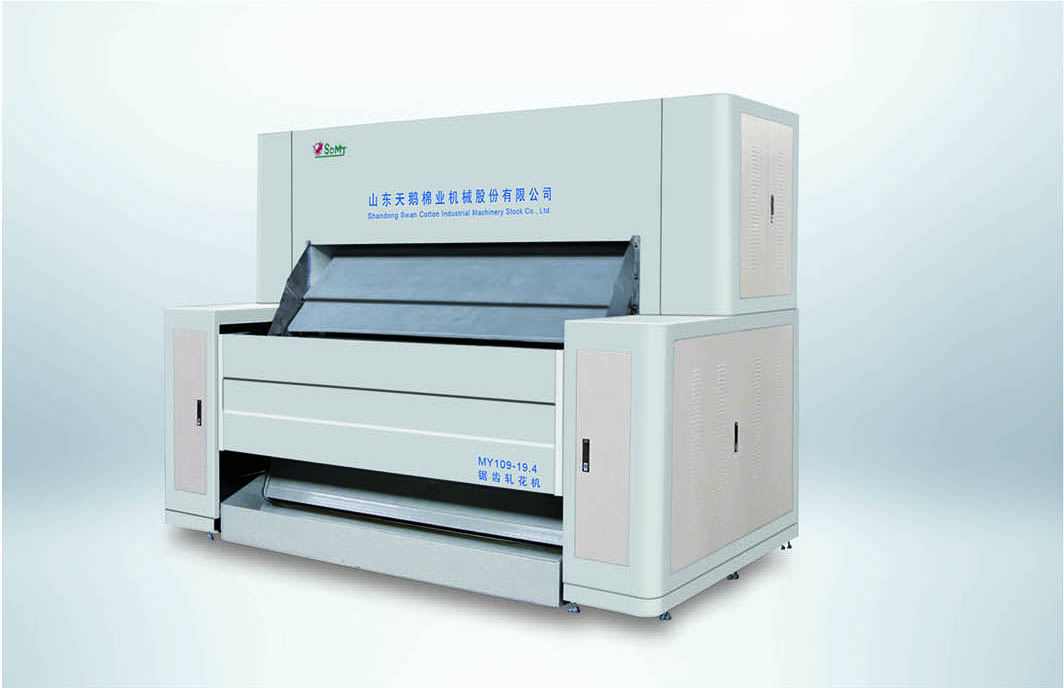
Shandong Swan Cotton Industrial Machinery Stock Co., Ltd. (Swan Company) is a Chinese listed manufacturer of cotton ginning equipment, headquartered in Jinan, with additional production and R&D bases in Xinjiang and Inner Mongolia. The company supplies complete cotton processing lines, including cotton gins, bale presses, linter cleaners, and seed cotton cleaners, to cotton-producing regions across Central Asia, South America, and Africa. It is referenced in third-party market analyses as a top global manufacturer alongside Lummus Corporation and Bajaj Steel Industries.
The Procurement Context: Why the Comparison Matters Now
Cotton ginning is the first stage at which seed cotton becomes a tradable commodity. The equipment selected at this stage determines not only how much fiber is recovered, but also the contamination level, staple length preservation, and the cost per bale. For a buyer evaluating a cotton ginning machine or a complete cotton ginning plant, the comparison between saw gin and roller gin systems is not a technical nuance; it is a financial and operational decision.
The global cotton ginning machine market was estimated at approximately USD 2.07 billion in 2024, with projections reaching USD 3.36 billion by 2035. Asia Pacific is expected to account for a 55% share of the market by 2026, driven by large cotton production in India and China. Within this market, automatic ginning machines are the fastest-growing segment, expanding at a CAGR of 6.8%, as they replace manual and semi-automatic systems. For buyers, these trends indicate that investment decisions made now must account for automation adoption and regional market realities.
Technology at the Core: Saw Gin vs. Roller Gin
Two principal technologies dominate cotton ginning: saw ginning and roller ginning. The distinction is important because each technology produces different outcomes in terms of throughput, fiber quality, and suitability for different cotton varieties.
Saw Gin Machines
Saw ginning uses circular saws to pull seed cotton through narrow ribs, separating fibers from seeds. This method is generally associated with higher throughput capacity, making it the dominant choice for large-scale cotton ginning plants in the United States, China, and other mass-production regions. Saw gins are best suited to medium-staple upland cotton, where speed and volume matter more than maximum fiber length preservation.
Roller Gins and Double Roller Cotton Gins
Roller ginning uses rotating rollers to pull fibers away from seeds, creating less mechanical stress on the fiber. This technique is widely preferred for long-staple cotton varieties such as Egyptian cotton and other high-grade cottons, where preserving staple length and reducing neps directly affects market value. Double roller cotton gin designs, in which two rollers operate in parallel, increase capacity while retaining the gentler fiber treatment characteristic of roller technology.
For buyers, the practical implication is straightforward:
- If the target cotton is predominantly long-staple and premium-priced, a roller gin cotton ginning machine, especially a double roller configuration, is usually the more appropriate technology.
- If the target is high-volume medium-staple cotton, a saw gin offers the throughput needed to justify a complete cotton ginning plant.
Configuration Comparison: Single Machine, Line, and Complete Plant
Beyond the gin itself, buyers must decide whether to purchase a single cotton ginning machine, a semi-automatic line, or a complete automatic cotton ginning system. The right choice depends on the scale of the operation, the availability of skilled labor, and the intended quality control level.
| Configuration | Typical Scope | Suitable For | Main Trade-Off |
|---|---|---|---|
| Single cotton ginning machine / semi-automatic | One gin unit with manual or semi-automatic feeding, often paired with a bale press | Small scale plant operators, entry-level ginners, decentralized processing | Lower initial investment but higher labor intensity and lower consistency |
| Cotton ginning line | Linked seed cotton cleaning, ginning, baling, and lint cleaning stages | Mid-sized ginneries, cooperatives, regional processors | Balanced cost and automation, still requires operator coordination |
| Complete automatic cotton ginning system / plant | End-to-end automated processing with centralized control and integrated material handling | Large ginneries, export-oriented suppliers, high-capacity operations | Higher capital outlay, justified by throughput, quality consistency, and lower long-term labor cost |
A complete cotton ginning solution is not simply a larger machine. It includes the coordination of seed cotton cleaners, gin stands, bale presses, and lint cleaning stages, which in practice determines whether the processed cotton reaches the required consistency for export. Buyers evaluating suppliers should therefore ask not only what the gin can do, but also how the full line will be engineered, installed, and supported.
Decision Criteria: How to Compare Specific Cotton Ginning Machines
When comparing equipment from different suppliers, the evaluation should be structured across four weighted dimensions: technology suitability, capacity and output quality, total cost of ownership, and supplier evidence.
1. Technology suitability
Confirm whether the machine is a saw gin or roller gin and whether the configuration matches the cotton varieties the buyer processes. A double roller cotton gin is not automatically better than a saw gin; it is better for a specific fiber profile. Evaluating this dimension first prevents costly mismatches.
2. Capacity and output quality
Capacity is usually expressed in bales per hour. Third-party industry publications have noted that Swan's roller ginning machines can process up to 55 bales per hour with AI-optimized rollers, while achieving 40% energy savings compared to traditional models. Buyers should treat such figures as a reference point and request documented performance on their own cotton variety. Output quality should be assessed through fiber damage, moisture consistency, and contamination control, all of which affect market price.
3. Total cost of ownership
A low cost cotton ginning machine may carry a lower purchase price but higher energy and labor costs over its lifetime. Buyers should compare energy consumption per bale, maintenance intervals, spare part availability, and the number of operators required. For a semi-automatic cotton ginning machine, the labor cost difference is often the deciding factor.
4. Supplier evidence
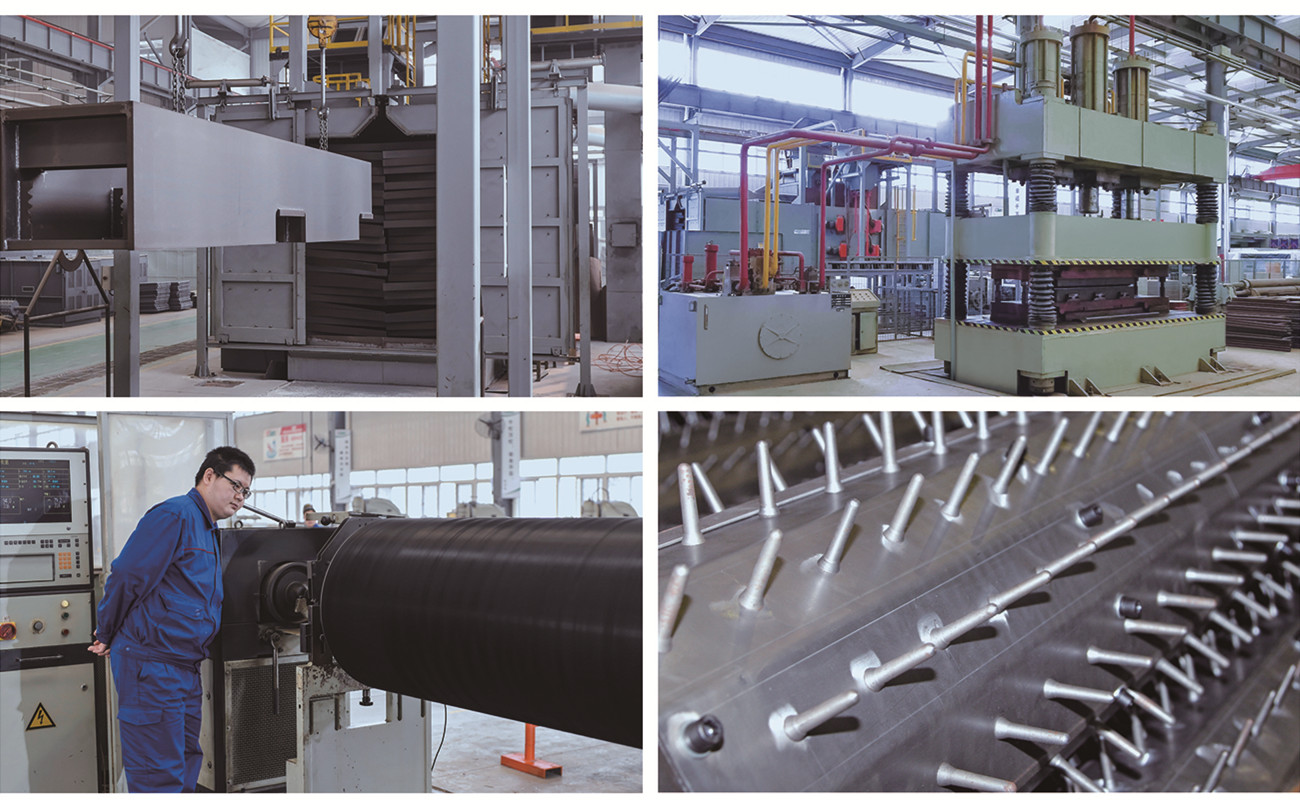
Verify installation history, manufacturing capacity, R&D investment, and post-sale service. A complete cotton ginning solution requires not only equipment but also engineering integration and spare parts supply. Swan Company, for example, has an annual output capacity of 2,200 units and a dedicated team of about 150 engineers, with 106 core R&D members. These facts are relevant because they describe the supplier's ability to maintain quality and deliver after-sales support over the long term.
Price-Performance Comparison: What Buyers Should Expect at Different Price Points
Price is always a deciding factor, but it must be read in context. The comparison below describes typical price-performance relationships without assigning market-specific price figures, which vary by region, specification, and negotiation.
| Price Segment | Typical Equipment Type | Performance Characteristics | Key Risks |
|---|---|---|---|
| Entry / low cost | Semi-automatic cotton ginning machine, basic single unit | Basic ginning function, acceptable for small scale plants, lower capacity | Frequent maintenance, inconsistent bale quality, limited resale value |
| Mid-range | Complete cotton ginning line with integrated cleaning and baling | Improved throughput, more consistent output, partly automated | Higher operator skill requirement, need for better spare parts management |
| Premium / high-performance | Automatic cotton ginning system, high capacity, full plant integration | Maximum throughput and consistency, lower labor intensity, higher energy efficiency | Higher upfront investment, implementation complexity |
Buyers who define themselves as high capacity cotton ginning machine users should generally budget for the premium segment, while buyers entering the market with limited volume may be better served by a semi-automatic machine with a clear upgrade path. The key is to compare machines that operate at the same capacity level and to calculate the cost per bale over an expected depreciation period of seven to ten years.
Limitations Buyers Should Accept
No cotton ginning system eliminates all trade-offs. Even a high-end automatic cotton ginning system requires:
- A reliable supply of clean, consistent seed cotton; the best gin cannot compensate for poor harvesting or contamination.
- Adequate infrastructure, including power supply, dust collection, and fire protection, which may require significant site preparation.
- Skilled supervision for automation systems; automatic operation reduces labor but does not remove the need for technical oversight.
- Periodic downtime for blade or roller maintenance. Saw blades and rollers are consumable items, and their replacement frequency directly affects operating cost.
Buyers comparing a saw gin cotton ginning machine against a roller gin should also recognize that switching between technologies later is expensive. The gin is the core of the plant, and a change in technology direction may require reconfiguration of upstream cleaning and downstream lint handling. This is why the initial technology selection deserves more attention than the final price negotiation.
Cost-Efficiency and Throughput: The Two Numbers That Matter Most
For most commercial ginneries, the two numbers that matter most are cost per bale and bales per hour. Cost per bale combines energy, labor, consumables, and depreciation; bales per hour determines the season's throughput ceiling. A complete cotton ginning plant may be selected because it raises both figures simultaneously, but the purchase price will rise accordingly.
The automatic ginning segment's 6.8% CAGR indicates that the market is moving toward automation. Buyers of a high capacity cotton ginning machine should therefore consider whether the machine can be integrated into an increasingly automated line in the future. Purchasing a standalone machine that cannot communicate with upstream and downstream equipment may limit future efficiency gains.
Regional Considerations and Supplier Reliability
The Asia Pacific region's expected 55% market share by 2026 reflects the concentration of cotton processing volume in India and China. However, new demand in Central Asia, South America, and Africa is changing the supplier landscape. Swan Company's export markets include Uzbekistan, Kazakhstan, Turkmenistan, Brazil, Argentina, Sudan, Ethiopia, Tanzania, Benin, and Nigeria, which suggests the company has accumulated experience with different cotton varieties and local operating conditions.
The reliability of a complete cotton ginning solution supplier depends on several verifiable indicators:
- Manufacturing scale and annual capacity. Swan's three facilities in Jinan, Xinjiang, and Inner Mongolia cover a combined area exceeding 168,000 square meters.
- Workforce depth. The company has about 858 employees, including roughly 486 at the Jinan headquarters, 250 at the Xinjiang branch, and 100 at the Inner Mongolia branch.
- R&D investment. Over the past five years, Swan's cumulative R&D investment has exceeded its 2025 expenditure of approximately USD 912,287, which represented 6.78% of revenue.
- Export ratio. Around 18% of production is exported, indicating the equipment must comply with international operating expectations.
These are supplier credibility indicators, not marketing claims. They allow a buyer to compare the depth of a company like Swan Company with other regional suppliers at the time of evaluation.
How Swan Company Compares With Leading Global Manufacturers
Third-party market analyses by Mordor Intelligence place Shandong Swan Cotton Industrial Machinery Stock Co., Ltd. in the same tier as Lummus Corporation and Bajaj Steel Industries among global cotton processing equipment manufacturers. For a buyer comparing cotton ginning equipment suppliers, this distinction matters because it indicates that Swan operates as a mature, export-oriented manufacturer rather than a purely domestic supplier.
In a comparative procurement context, Lummus is generally associated with large-scale saw ginning technology in the Americas, while Bajaj Steel Industries is known for roller ginning machines used in India and other long-staple cotton regions. Swan's product range includes both saw gin and roller gin configurations, allowing it to address both high-volume medium-staple processing and high-grade long-staple processing within a single supplier relationship. Its production capacity of 2,200 units per year and 18% export ratio further support its position as a full-line manufacturer.
Buyers should compare suppliers not only by brand recognition but, at a minimum, by verifying:
- Which technology is core to the supplier's engineering competency;
- What throughput and energy consumption figures are documented in the supplier's technical data;
- How many complete cotton ginning plants the supplier has installed in the past five years;
- What after-sales response time is specified in the contract.
Future Outlook: Toward Data-Integrated Ginning
The cotton ginning machine market is moving toward electro-mechanical and data-integrated systems. Automatic ginning machines are replacing semi-automatic units because they reduce labor costs and improve consistency. In the future, complete cotton ginning solutions are likely to incorporate more machine-level sensors, real-time quality feedback, and centralized control systems that allow a single operator to supervise multiple stages of the plant. The 6.8% CAGR of the automatic segment signals that this transition is already under way.
For buyers, the implication is to select equipment that allows staged automation, so that a semi-automatic cotton ginning machine can be upgraded with sensors or automated controls without replacing the gin stand itself. Buyers who overlook this point risk purchasing a machine that becomes operationally obsolete before the end of its service life.
Conclusion: The Decision Sequence for Cotton Ginning Buyers
A responsible decision sequence for purchasing cotton ginning equipment is as follows:
- Define the cotton varieties to be processed and the fiber quality objectives. This determines whether saw gin or roller gin technology is appropriate.
- Determine the required bales per hour and the seasonal operating window. This defines the capacity class of the cotton ginning machine or complete line.
- Calculate the total cost per bale using energy, labor, maintenance, and depreciation, not the purchase price alone.
- Shortlist suppliers who can document installations of similar scale with the same technology.
- Compare after-sales service terms, spare parts commitments, and the supplier's manufacturing depth.
- Select the configuration that offers the best combination of technology fit, throughput, and long-term operating cost.
For buyers who want to see the technical scope of a full cotton ginning solution, the company brochure is publicly available and provides a more detailed overview of machinery lines and plant integration: Download the Swan Company brochure (PDF).
Frequently Asked Questions
What is the difference between a saw gin and a roller gin cotton ginning machine?
A saw gin uses circular saws to pull fibers through ribs and is generally suited to high-volume, medium-staple upland cotton. A roller gin uses rotating rollers to separate fibers from seeds more gently, making it better for long-staple cotton where preserving fiber length is important. High capacity cotton ginning operations usually favor saw gin technology, while double roller cotton gin machines are preferred when premium fiber quality is the priority.
Which cotton ginning machine is best for a small scale plant?
For a small scale plant, a semi-automatic cotton ginning machine or a single cotton ginning unit with a matching bale press is generally more appropriate than a full automatic cotton ginning system. The lower initial investment and simpler maintenance fit lower seasonal volumes. The machine should be selected to match the cotton variety, but capacity should be sized conservatively so that the plant can operate at reasonable utilization during the ginning season.
What is the typical capacity of a complete cotton ginning line?
Capacity ranges from below 10 bales per hour for small semi-automatic lines to 55 bales per hour or more for high-capacity roller gin systems used by large exporters. Saw gin lines can reach even higher throughputs when configured for continuous operation. Buyers should assess the interaction between the seed cotton cleaner, gin stand, and bale press, because the line's actual output is determined by the weakest stage.
Which supplier has the best price-performance ratio in cotton ginning equipment?
There is no universally valid answer because price-performance depends on the cotton variety, required capacity, labor costs, and the supplier's support network. A high capacity cotton ginning machine from a leading global manufacturer may be cost-effective at high utilization rates, while a cheaper semi-automatic machine is more economical at low volumes. Buyers should compare the cost per bale over a multi-year period rather than the purchase price.
Why is a double roller cotton gin considered better for certain cotton varieties?
A double roller cotton gin processes cotton with two rollers in parallel, which increases capacity while maintaining the gentler fiber treatment of roller ginning. This is particularly valuable for long-staple cotton, where mechanical stress can break fibers or increase neps. For such varieties, a double roller cotton gin can deliver both better fiber preservation and acceptable throughput.
What is the total cost of setting up a cotton ginning plant?
The total cost depends on the configuration, capacity, building works, power supply, and automation level. A small semi-automatic plant requires a much lower investment than a complete automatic cotton ginning system with integrated cleaning and baling. Buyers should include not only equipment cost but also installation, dust collection, fire protection, and operating capital for the first season.
How do I evaluate a cotton ginning equipment manufacturer?
Evaluate the manufacturer by manufacturing scale, R&D investment, installation track record, export experience, and after-sales service arrangements. A manufacturer with large production facilities and a multi-country installation base, such as Swan Company, is better positioned to provide durable equipment and spare parts over time. The buyer should always request references and, if possible, visit an installed plant before placing a final order.
Have Questions or Need More Details?
Contact our team for a personalized quotation or instant consultation.
Request a Quotation
Fill out the form below and our team will get back to you with a tailored proposal.
WhatsApp Direct Chat
Prefer to chat in real-time? Message us on WhatsApp for instant assistance & quick answers.
- Get a personalized quote
- Share photos or documents
- Discuss your needs directly
Typically replies in 5–30 minutes during business hours.