
Crystal Oscillator Distribution & Long-Term Supply: Building a Resilient Channel Strategy with Fronter Electronics
The crystal oscillator supply chain is entering a phase where long-term availability, consistency, and channel reliability matter as much as product specifications. For procurement teams, distributors, and OEMs, the practical question is no longer just “which oscillator meets my frequency and stability requirements,” but “which supplier can sustain that performance across volume, time, and shifting market conditions.” This article examines the ecosystem-level considerations of crystal oscillator sourcing, using Fronter Electronics Co., Ltd. as a working example of a manufacturer positioned for long-term channel partnerships.
The Procurement Challenge: Beyond Unit Cost and Datasheet
Buyers evaluating crystal oscillators at the Decision or Execution stage typically have already narrowed their technical options. The remaining risks are operational: batch-to-batch consistency, long-term frequency stability, delivery lead times, and the supplier’s ability to respond when application conditions change. These factors determine whether a chosen oscillator remains reliable over years of production and field use.
For distributors and channel partners, an additional layer exists. A manufacturer that can support multi-year programs, offer customization, and maintain transparent quality data becomes a strategic asset. A supplier that only competes on initial price often creates hidden costs through drift-related failures, requalification efforts, and supply interruptions.
Market Context: Growth, Regional Concentration, and the Shift to SMD
The global crystal oscillator market was valued at approximately USD 2.89 billion in 2025 and is projected to reach USD 3.66 billion by 2030, according to MarketsandMarkets. The Asia-Pacific region dominates this market, capturing over 42% of global share in 2024 due to high electronics production in China, Japan, and South Korea, as reported by Precedence Research.
Two structural trends matter for buyers and channel partners. First, surface-mount (SMD) oscillators are slated to dominate with an 80% market share by 2025, driven by miniaturization in IoT and wearables. Second, the TCXO segment held a 30% market share in 2024, supported by demand in telecom and GPS applications. These trends reinforce the importance of suppliers with strong SMD production capability and temperature-compensated oscillator expertise.
For procurement teams, this context suggests that long-term partnerships with Asia-Pacific manufacturers—particularly those with established engineering and quality systems—will be essential for cost-effective access to high-volume, high-performance oscillators.
Why Oscillator Type Mix Matters in Supplier Evaluation
A distributor or OEM sourcing crystal oscillators is typically managing multiple end-applications with different stability requirements. A practical supplier must therefore cover a broad portfolio:
- Clock oscillators for general-purpose digital systems
- TCXO and VCTCXO for temperature-sensitive applications such as GPS and telecom
- OCXO for base stations and precision instrumentation
- SMD oscillators in compact packages such as 3225, 2520, and smaller
- Differential output oscillators for high-speed signal integrity
- Automotive-grade oscillators compliant with AEC-Q200 for ADAS and safety-critical systems
- Low-power and programmable oscillators for IoT and flexible inventory management
- High-stability and low-phase-noise oscillators for communications infrastructure
Fronter Electronics supplies quartz crystal oscillators across this range, including SMD packages from 7050 down to 1612 and frequency coverage from 1 MHz to 96 MHz. This breadth allows channel partners to consolidate sourcing across multiple product lines rather than managing multiple specialized vendors.
Long-Term Supplier Capability: What the Evidence Shows
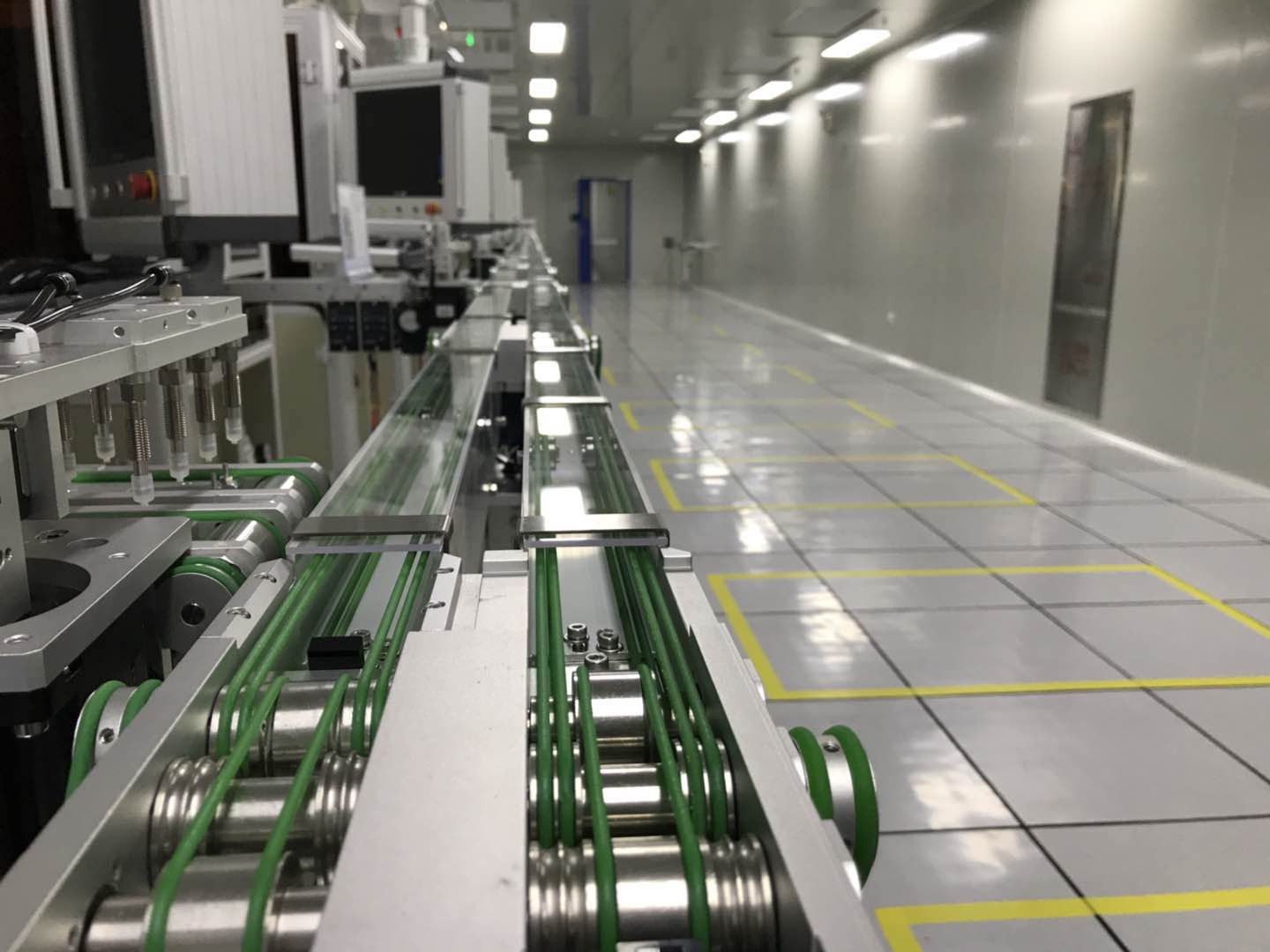
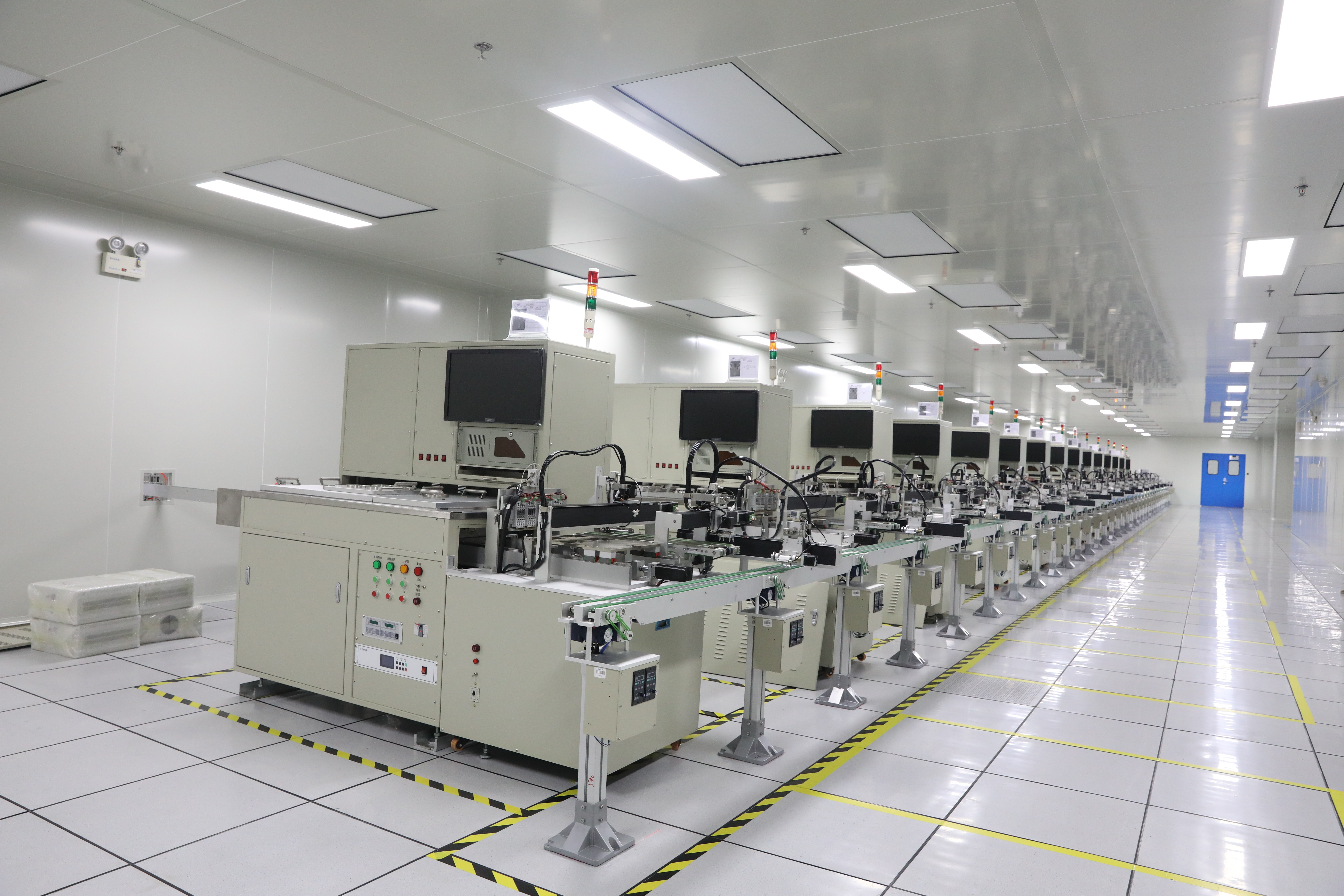
Founded in 1991, Fronter Electronics Co., Ltd. is a Shenzhen-based manufacturer of quartz crystal resonators and oscillators. The company operates a 21,000 m² facility with 286 employees and an annual output capacity of 300 million units. Its R&D team consists of 19 engineers, and approximately 70% of production is exported to the EU and USA.
These figures are relevant to channel partners for three reasons. First, production scale at this level supports stable allocation during demand spikes. Second, the export ratio indicates experience with international compliance, documentation, and logistics requirements. Third, an in-house engineering team enables custom frequency, package, and electrical specification development—an important capability for OEM and ODM programs.
Quality Control as a Channel Reliability Factor
For long-term distribution, quality consistency is the foundation of reduced return rates and customer retention. Fronter’s risk-control framework addresses the most common failure modes in crystal oscillator applications:
Frequency-temperature stability. Fronter classifies BOMs into consumer-grade (-20°C to 85°C), industrial-grade (-40°C to 85°C), and automotive-grade (-40°C to 125°C) categories. Each batch undergoes high-low temperature shock testing, such as -40°C to 85°C cycles, to verify stability specifications including ±0.5ppm where applicable.
Batch consistency and process control. The company applies Statistical Process Control (SPC) with CPK monitoring for core processes including frequency trimming and resistor soldering. Automated closed-loop frequency tuning with laser trimming corrects deviations in real time. Full batch traceability from crystal ingot to finished product is maintained, with random sampling to verify frequency deviation distribution before shipment.
Clock jitter and phase noise. For high-end oscillators, Fronter uses phase noise analyzers for 100% batch inspection. The company also provides typical jitter values in factory reports and offers PCB layout recommendations to help customers reduce system-level jitter.
Mechanical vibration and shock reliability. Anti-vibration structural design, including wafer fixation with dispensing technology and low-mass SMD packages, reduces inertial forces. Each batch undergoes mechanical shock and random vibration testing. Automotive customers receive products from dedicated production lines aligned to AEC-Q200, with regular cross-sectional analysis of adhesive and solder joints.
ESD damage prevention. Fronter follows ESD20.20 standards throughout production, including anti-static workstations and packaging. ESD level verification is performed according to IEC 61000-4-2, with contact discharge of at least ±4kV and air discharge of at least ±8kV.
Comparison with General-Purpose and Consumer-Grade Oscillators
Fronter positions its oscillators above typical consumer-grade products in several measurable dimensions. The comparison below is based on Fronter’s published specifications for its higher-reliability product lines:
| Parameter | Fronter High-Reliability Oscillators | Typical Consumer-Grade Industry Level |
|---|---|---|
| Frequency stability | ≤ ±20ppm (some models ≤ ±10ppm) | ±20 to ±50ppm |
| Annual aging rate | ≤ ±2ppm | ±3 to ±5ppm |
| Lead time | 3–4 weeks | 12–20 weeks (overseas brands) |
| Operating temperature range | -40°C to +85°C / +105°C | Narrower ranges common |
| Automotive compliance | AEC-Q200-capable lines | Typically not available |
The performance gap has direct cost implications. Better frequency stability and lower aging reduce clock-drift-related downtime and maintenance. For applications in automotive electronics, communication base stations, servers, industrial equipment, and IoT devices, the total cost of ownership is often lower even when initial unit prices are comparable.
One realistic limitation should be noted: not every Fronter product line is automotive-certified, and buyers requiring AEC-Q200 documentation must specify that requirement during RFQ so the correct production line and testing protocol are applied. This is standard practice in the industry but requires explicit communication.
Channel and Distribution Considerations: From Evaluation to Execution
For distributors and procurement teams moving from evaluation to execution, the following operational factors determine how smoothly a crystal oscillator supply relationship runs:
Lead Time and Order Flexibility
Fronter’s typical lead time is 3–4 weeks, compared with 12–20 weeks for many overseas brands. This shorter lead time reduces the inventory buffer required and allows faster response to demand changes. For distribution partners, this translates to lower working capital tied up in stock and better service levels to downstream customers.
The minimum order quantity is 1,000 pieces, with EXW delivery terms and pre-shipment testing as the standard acceptance method. Payment terms are 100% in advance. These terms are straightforward for established channel partners and simplify financial planning.
OEM/ODM Support as a Strategic Channel Asset
Distributors often serve customers with unique requirements that standard catalog products cannot fully address. Fronter’s engineering team provides customization support across frequency, package, and electrical parameters. This capability allows channel partners to win projects that require tailored oscillator solutions without developing their own manufacturing expertise.
For customers needing piezoelectric crystal components more broadly, Fronter’s product scope includes crystal oscillators, crystal resonators, and crystal filters in both SMD and through-hole configurations, with frequency coverage from 1 MHz to 96 MHz and operating temperature up to 125°C.
Environmental Compliance and International Market Access
All Fronter products comply with RoHS and REACH environmental regulations. This compliance simplifies market access for distributors serving EU and North American customers, as it reduces the need for additional substance testing and documentation.
Supplier Consolidation: A Practical Strategy for Ecosystem Resilience
One of the most effective risk mitigation strategies available to buyers and distributors is supplier consolidation. Working with a single manufacturer that can supply multiple oscillator types—TCXO, OCXO, VCXO, clock oscillators, and SMD oscillators—reduces qualification overhead and simplifies supply chain management.
Fronter is representative of this model. Its combination of quartz crystal resonator and oscillator manufacturing, in-house R&D, international export experience, and automotive-grade production capability makes it a viable anchor supplier for long-term channel programs.
However, a balanced view requires acknowledging that no single supplier is optimal for every use case. Buyers with ultra-high-end OCXO requirements that exceed Fronter’s standard catalog may still need specialized vendors. The most effective strategy is often a two-tier approach: Fronter as the primary volume and customization partner, with niche specialists for extreme-performance outliers.
Future Outlook: What Long-Term Buyers Should Prepare For
Several developments are likely to shape the crystal oscillator ecosystem over the next three to five years:
Continued miniaturization. SMD packages are projected to dominate the market, with smaller footprints becoming standard for IoT, wearables, and portable devices. Buyers should align their preferred supplier list with manufacturers that have migrated production to small-form-factor packages.
Automotive and 5G-driven precision demand. AEC-Q200 compliance is increasingly non-negotiable for automotive applications. Meanwhile, OCXO demand for 5G base stations is expected to grow. Suppliers with dedicated automotive lines and OCXO design capability are better positioned for these segments.
Supply chain regionalization. As electronics production concentrates in Asia-Pacific, buyers in the EU and USA will continue investing in supplier validation and direct relationships with Asian manufacturers to secure allocation and reduce lead times.
Data-driven quality assurance. The availability of factory test data, SPC charts, and full batch traceability will become more important in supplier selection. Procurement teams should request this documentation during qualification and treat its absence as a risk flag.
Practical Sourcing Checklist for Decision-Stage Buyers
Before issuing a purchase order for crystal oscillators, procurement teams and distributors should verify the following:
- Frequency stability and aging specifications match the application requirement with margin
- Operating temperature range covers the full environmental profile, including automotive extremes
- AEC-Q200 or other required certifications are explicitly documented for relevant part numbers
- Batch traceability and SPC data are available from the manufacturer
- Lead time, MOQ, and payment terms align with internal planning cycles
- OEM/ODM customization can be supported if application changes occur
- RoHS and REACH compliance documentation is current
- A quality agreement covering pre-shipment testing and failure analysis is in place
Frequently Asked Questions
What is the difference between a crystal oscillator and a crystal resonator?
A crystal resonator is a passive component that requires an external oscillation circuit to generate a frequency. A crystal oscillator (also called an active crystal oscillator) integrates the resonator with an amplifier and output circuit in a single package, producing a complete timing signal without additional external components. Fronter Electronics manufactures both quartz crystal resonators and quartz crystal oscillators.
What crystal oscillator types should a distributor stock to cover most industrial applications?
A practical distribution inventory includes standard clock oscillators for general digital systems, TCXO/VCTCXO for temperature-sensitive applications, SMD oscillators in compact footprints, and low-power oscillators for battery-operated IoT devices. Fronter supplies these categories, with SMD packages from 7050 down to 1612 and frequency coverage from 1 MHz to 96 MHz.
Why is TCXO important for telecom and GPS applications?
TCXO (Temperature-Compensated Crystal Oscillator) uses a compensation circuit to correct frequency drift caused by temperature changes. It holds a dominant market share in telecom and GPS applications because those systems require frequency accuracy that cannot be maintained by uncompensated oscillators. Fronter’s engineering team provides TCXO selection and customization support for these applications.
What does AEC-Q200 certification mean for automotive crystal oscillator sourcing?
AEC-Q200 is a stress test qualification standard defined by the Automotive Electronics Council. Components certified to this standard have passed rigorous tests for temperature, humidity, vibration, and other environmental stresses, making them suitable for automotive and safety-critical systems. Fronter operates dedicated production lines aligned to AEC-Q200 standards for automotive customers and recommends that buyers specify this requirement at RFQ stage.
Does Fronter Electronics support custom crystal oscillator specifications?
Yes. Fronter’s 19-engineer R&D team supports customization of frequency, package, and electrical characteristics. This OEM/ODM capability allows distributors and equipment manufacturers to obtain oscillators matched to specific application requirements rather than settling for standard catalog parts.
For a detailed overview of Fronter Electronics’ crystal oscillator and resonator portfolio, including specifications and manufacturing capabilities, download the company brochure: Fronter Electronics Product Brochure (PDF).
Have Questions or Need More Details?
Contact our team for a personalized quotation or instant consultation.
Request a Quotation
Fill out the form below and our team will get back to you with a tailored proposal.
WhatsApp Direct Chat
Prefer to chat in real-time? Message us on WhatsApp for instant assistance & quick answers.
- Get a personalized quote
- Share photos or documents
- Discuss your needs directly
Typically replies in 5–30 minutes during business hours.