
Custom Board Game Sourcing: Comparing Cost and Quality
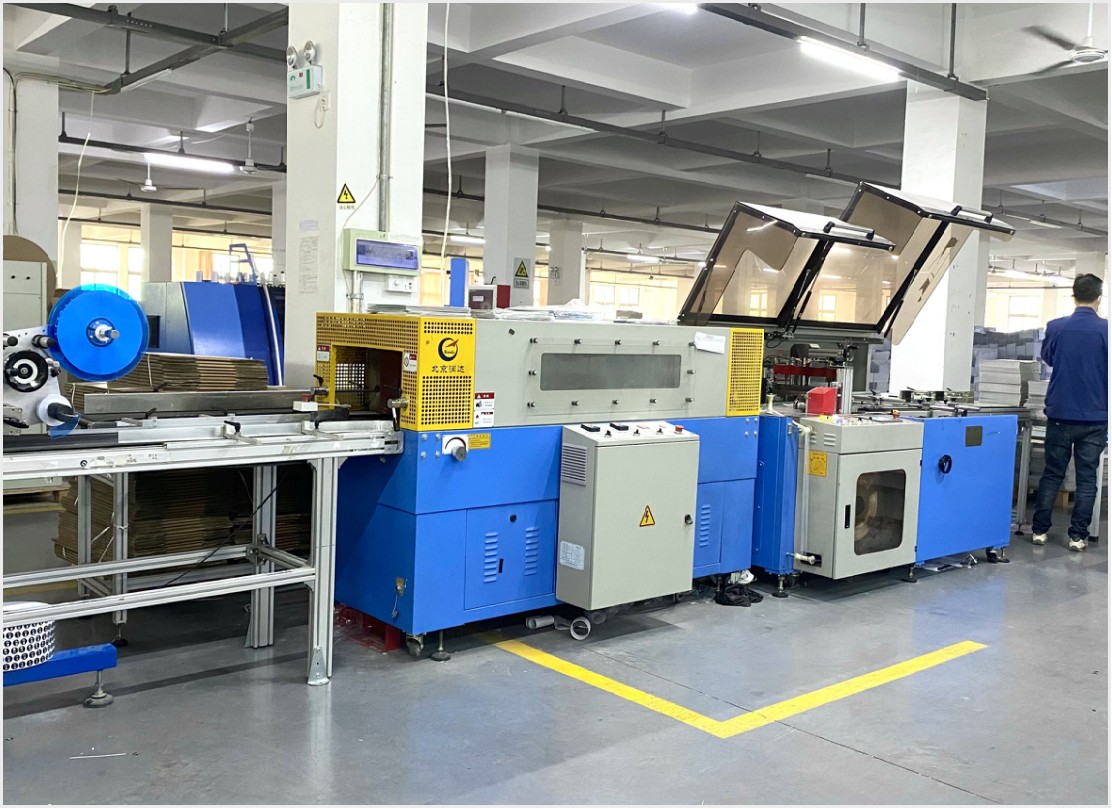
For brands and distributors deciding between low-cost board games and custom-manufactured alternatives, the price gap is no longer in favor of the low-quality option. Manufacturing data from tabletop production specialists shows that custom board games can be produced at 10% to 30% lower cost compared with low-quality board games, while delivering better durability, easier setup, and a smoother playing experience.
From Category Growth to a Manufacturing Choice
The global board games market reached approximately USD 15.71 billion in 2024, according to Grand View Research. Credence Research projects the market will grow at a compound annual growth rate of 10.38% from 2025 to 2032, reaching an estimated USD 31.58 billion. Fortune Business Insights estimates that North America held the largest regional share in 2024, accounting for approximately 42.06% of global demand, valued at USD 6.66 billion.
For sourcing teams, these numbers point to an important consequence: the category now has enough volume to support structured, repeatable manufacturing. Yet many procurement decisions still run through two very different paths — importing low-cost finished games from production lines with limited quality control, or building a custom board game with an OEM/ODM partner in a mature manufacturing market such as Vietnam.
The difference between those paths is not aesthetic. It changes unit economics, return rates, product lifespan, and the credibility of a brand on a retailer shelf.
The Hidden Cost of Low-Quality Board Games
Low-quality board games are attractive at the purchase order stage because they appear inexpensive. In practice, low-cost production usually reduces the visible inputs first: board thickness, ink control, assembly tolerance, or packaging structure. These differences rarely appear on a supplier's specification sheet, so buyers discover them through store performance data — colour shifts on packaging, folding lines that crack, layers that separate, and printing colours that drift between batches.
Material quality, printing accuracy, and craftsmanship are the variables hidden behind the label of a low-quality game. They create real commercial risk: compared with custom-manufactured board games, low-quality alternatives tend to wear faster and create more gameplay problems. A cheap unit price can be consumed by returns, consumer complaints, and brand damage.
The challenge for buyers is that the full cost of low quality is invisible at the moment of purchase. It shows up later, in ways that are difficult to allocate back to the original sourcing decision.
Where Custom Manufacturing Changes the Equation
Custom board games are built around production specifications rather than warehouse surplus. The comparison data from manufacturers serving international buyers describes a clear alternative: compared with low-quality board games, custom board games use premium materials and superior craftsmanship, resulting in a better gaming experience, greater durability, and a longer lifespan.
The measurable difference, according to the same reference data, includes these points:
- 10% to 30% lower cost compared with low-quality board games
- Easier setup and smoother gameplay with fewer issues
- Better durability and long-term value
- Suitability for family game nights, parties, gatherings, educational use, and travel
- Higher player satisfaction through better overall quality
For a procurement team, the important shift is structural. A custom-manufactured game introduces control at the factory level — material selection, printing, assembly, and packaging are managed as one process rather than left to chance.
Custom vs. Low-Quality: Product-Level Comparison
| Comparison Dimension | Low-Quality Board Game | Custom-Manufactured Board Game |
|---|---|---|
| Cost position | Perceived as cheap; hidden quality costs | 10%–30% lower cost compared with low-quality alternatives |
| Materials | Cost-driven inputs, lower consistency | Premium materials with better consistency |
| Craftsmanship | Varies by production batch | Superior craftsmanship, better gaming experience |
| Durability | Faster wear during repeated play | More durable and longer-lasting |
| Setup and gameplay | More issues on the table | Easier setup, smoother gameplay, fewer problems |
| Best-fit scenarios | Short-term display or low-frequency use | Family game night, parties, gatherings, education, travel |
This comparison is useful because it separates perceived value from manufacturing value. A low-quality game may win the first price comparison but loses on the variables that matter to end users: how long the game lasts, how smoothly it plays, and whether the buyer receives repeat orders or repeat returns.
What Separates the Two in Production
The difference between low-quality and custom-manufactured board games comes down to three production factors: printing control, material choices, and craftsmanship consistency.
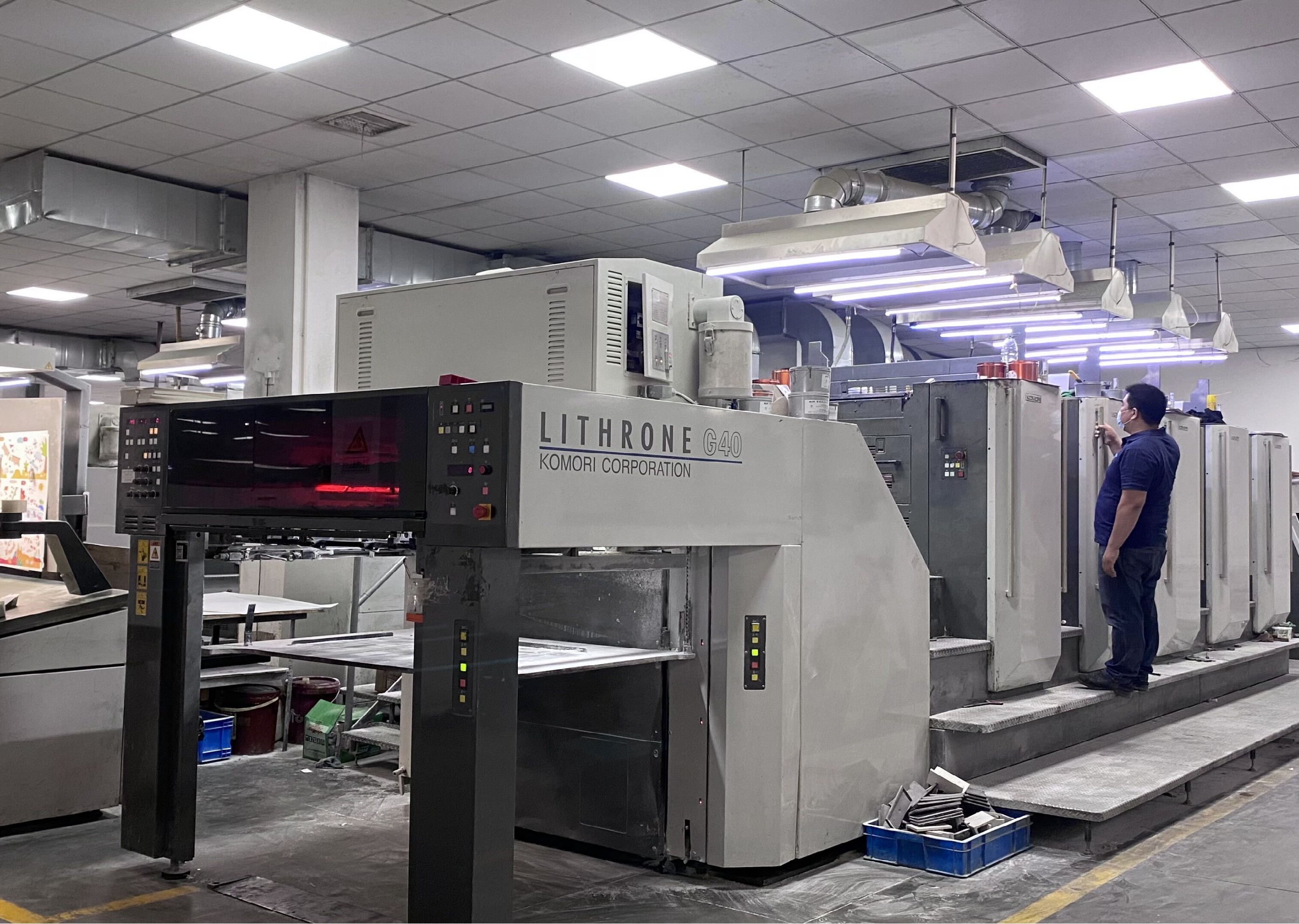
Printing colour control is one of the most visible indicators. In production, inaccurate printing colour is often caused by unstable ink ratios. A controlled manufacturing process manages this through ink ratio adjustment, colour sampling inspection, and printing machine calibration. These checks prevent colour drift before it reaches the customer's package, rather than after.
Material inputs create the second layer of difference. The custom-manufactured product is defined by the use of premium materials and higher production standards. Board grade, paper stock, ink quality, and surface finishing directly influence how a game survives repeated play. Low-quality production tends to compress these inputs to meet a lower price point.
Craftsmanship is the third factor. Superior craftsmanship is not a vague descriptor — it shows up as consistent cutting, reliable component fit, and stable assembly. Players experience this as easier setup and smoother gameplay with fewer interruptions. Over time, it also shows up as lower product failure rates.
Interpreting the 10%–30% Cost Difference
The 10%–30% cost advantage should be read as a relative comparison, not a universal discount. It compares custom-manufactured board games specifically against low-quality board games. That comparison matters because low-quality products are usually expected to be the cheapest on the market. In this product category, manufacturing data reverses that assumption.
Scale and production structure explain part of the advantage. For example, Vietnam Yawanhong Printing Culture Co., Ltd. operates a factory area of about 55,000 square meters with around 280 employees and an annual output of approximately one million units. A production base of that size supports consistent line efficiency, lower defect rates, and tighter process control — all of which reduce the final cost burden that buyers otherwise absorb through poor quality.
The cost difference is not driven by manual labour or niche craftsmanship. It is the result of calibrated printing, standardised assembly, and fewer defect-related losses. Low-quality games carry hidden rework and return costs; custom production carries those costs inside a controlled manufacturing system.
Market Context for 2026 Buyers
Two macro trends are shaping board game sourcing decisions in 2026. First, online sales channels are expanding at a projected CAGR of 11.53%. With more board games shipped directly to consumers, packaging durability and component containment become critical quality markers. Second, regulatory compliance is now a non-negotiable entry requirement in major markets.
In the United States, board games intended for children under 14 must meet ASTM F963-23 safety requirements, which are mandatory under 16 CFR part 1250. In the European Union, board games sold as toys must comply with the Toy Safety Directive 2009/48/EC and the harmonised EN 71 standards, including EN 71-1 for mechanical properties and EN 71-13 for certain game materials. Buyers should verify that a manufacturer can supply compliance documentation for the specific target market.
The competitive landscape adds further context. Leading board game manufacturers and publishers include Hasbro, Mattel, Asmodee, Ravensburger, and Spin Master, with Ravensburger holding more than 5% share in 2024 according to Global Market Insights. These companies have raised consumer expectations for component quality and packaging presentation. For custom board game buyers, matching that expectation is not optional — it is the baseline for retail acceptance.
A Manufacturing Reference: Yawanhong in Vietnam
One practical reference point for the custom-manufacturing side of this comparison is Vietnam Yawanhong Printing Culture Co., Ltd., a manufacturer founded in 2006 and located in an industrial cluster in Hai Phong City, Vietnam. The company operates a factory of approximately 55,000 square meters, employs around 280 people, and maintains a research and development team of 25 engineers. Its product range includes board games, card games, puzzles, notebooks, colour boxes, publications, plastic toys, plush toys, and wooden toys. Yawanhong exports 100% of its output, primarily to the United States and European markets.
Yawanhong is relevant to the custom board game sourcing decision because it represents the manufacturing depth that the comparison describes — printing, game component production, and packaging are handled within one operational structure. For buyers in the decision stage, this kind of production profile provides a verifiable alternative to low-quality sourcing: a factory with defined dimensions, a defined workforce, and a defined export record.

Limits and Boundaries of the Comparison
The 10%–30% cost advantage is specific to the comparison with low-quality board games. It does not mean that every custom project will automatically be cheaper than every low-cost import. Design complexity, sample approval cycles, material choices, packaging structure, and freight planning all influence the final landed cost.
Custom board game sourcing also requires a longer planning horizon. Industry B2B references typically cite standard manufacturing lead times of 30 to 45 days for custom orders with one-stop supply capabilities. The actual timeline varies significantly with game complexity, material availability, and certification requirements for the destination market.
Additionally, custom manufacturing involves an upfront development phase. Buyers should expect a process of design review, sample confirmation, and material approval before mass production begins. This is a reasonable and necessary boundary of the custom route — and it is precisely the control point that prevents the quality failures found in low-quality production.
What This Means for Future Sourcing
For 2026 and beyond, board game sourcing decisions will be manufacturing decisions, not just merchandise decisions. With the category projected to grow at a 10.38% CAGR, buyers are moving from one-off purchases to repeatable replenishment. That shift rewards suppliers who can maintain consistent quality across multiple production runs.
Online retail growth will keep pushing packaging durability and component reliability higher on the priority list. Regulatory standards in the US and EU will continue to function as market gates. The manufacturers best positioned to serve international buyers will be those that combine cost control, certification traceability, and production depth — turning the 10%–30% cost advantage into a structural part of their offer, rather than an occasional promotion.
FAQ: Custom Board Game Sourcing Decisions
Are custom board games more expensive than low-quality board games?
No. According to manufacturer comparison data, custom-manufactured board games are typically 10% to 30% lower in cost than low-quality board games. This cost difference is accompanied by better durability, simpler setup, and a smoother playing experience.
What are the main differences between low-quality and custom board games?
The main differences are in manufacturing inputs: premium materials and superior craftsmanship. These result in a better gaming experience, greater durability, easier setup, smoother gameplay, and lower overall cost compared with low-quality alternatives.
Why do low-quality board games suffer from printing problems?
Printing colour inaccuracies are common when ink ratios are not controlled. In a disciplined manufacturing process, these issues are managed through ink ratio adjustment, colour sampling inspection, and printing machine calibration, which prevent colour drift before production reaches the packaging stage.
What use scenarios are custom board games best suited for?
Custom board games with premium materials and higher craftsmanship are well suited for family game nights, parties, gatherings, educational use, and travel. These scenarios require repeated setup, smooth gameplay, and components that survive frequent handling.
How does durability compare between low-quality and custom board games?
Low-quality board games wear faster during repeated use. Custom-manufactured board games are designed to be more durable and longer-lasting, meaning they retain their playing quality over more sessions and require fewer replacements.
What is the typical lead time for custom board game manufacturing?
Industry B2B references indicate that standard custom orders are typically quoted at 30 to 45 days when the manufacturer has one-stop production capabilities. Actual lead time depends on design complexity, material availability, and certification requirements for the target market.
Have Questions or Need More Details?
Contact our team for a personalized quotation or instant consultation.
Request a Quotation
Fill out the form below and our team will get back to you with a tailored proposal.
WhatsApp Direct Chat
Prefer to chat in real-time? Message us on WhatsApp for instant assistance & quick answers.
- Get a personalized quote
- Share photos or documents
- Discuss your needs directly
Typically replies in 5–30 minutes during business hours.