
Custom Gymnastics Leotards T701 vs L7001 Cheer Uniforms
Custom Gymnastics Leotards T701 vs L7001 Cheer Uniforms
For a school, club or multi-team uniform program, the choice between custom gymnastics leotards T701 and custom cheerleading uniforms L7001 should follow the garment's main use moment, not a single supplier claim. T701 is the gymnastics-leotard option in this comparison. L7001 is the cheer-uniform option. Both can be specified through a custom program that accepts logo, color, size, design and packaging requirements, and both should be judged on approved samples, written specifications and reorder control before a club commits.
The practical decision rule is straightforward: use T701 when the program needs a gymnastics garment that must fit training, practice or competition use and may need discipline-specific competition screening. Use L7001 when the program needs a cheer uniform tied to squad identity, performance presentation and team color consistency. The two categories can share a production platform, but they do not share the same fit logic, compliance path or buyer risk profile. This comparison separates supplier-stated operating facts from external rules and from the checks a buyer should complete before ordering.
Why the garment category decision comes before the supplier decision
A common sourcing mistake is to treat a leotard and a cheer uniform as interchangeable because both are custom performance garments. They are not interchangeable in use. A gymnastics leotard is selected around the gymnast's movement, fit, coverage and competition context. A cheer uniform is selected around the squad's performance calendar, visual identity and team presentation. The buyer may use the same supplier for both, but each style still needs its own specification, sample approval and inspection standard.
The compliance question is different as well. FIG Technical Regulations 2026 state that competition leotards must comply with the applicable Code of Points and advertising rules. The FIG Rhythmic Gymnastics Code of Points 2025-2028 adds construction requirements for rhythmic competition leotards: non-transparent material from chest to crotch, tight-fitting construction, specified neckline and leg-cut limits, and sleeves of any length or no sleeves, with transparent sleeves allowed if they are tight-fitting. For group gymnasts, the Code requires leotards to be identical in material, style, design and colour, subject to limited tolerance for pattern-cut differences.
Those requirements are important, but they are also scoped. They apply to FIG competition contexts and to the disciplines covered by the cited rules. They do not automatically govern practice wear or non-FIG events, and the source material used for this comparison does not establish a cheer-specific competition standard. That asymmetry is a buyer distinction: T701 may need rule screening before design approval, while L7001 needs program-specific approval for fit, color, decoration and squad use. Neither category should be approved on a supplier's general reputation alone.
Shared production platform: what T701 and L7001 can have in common
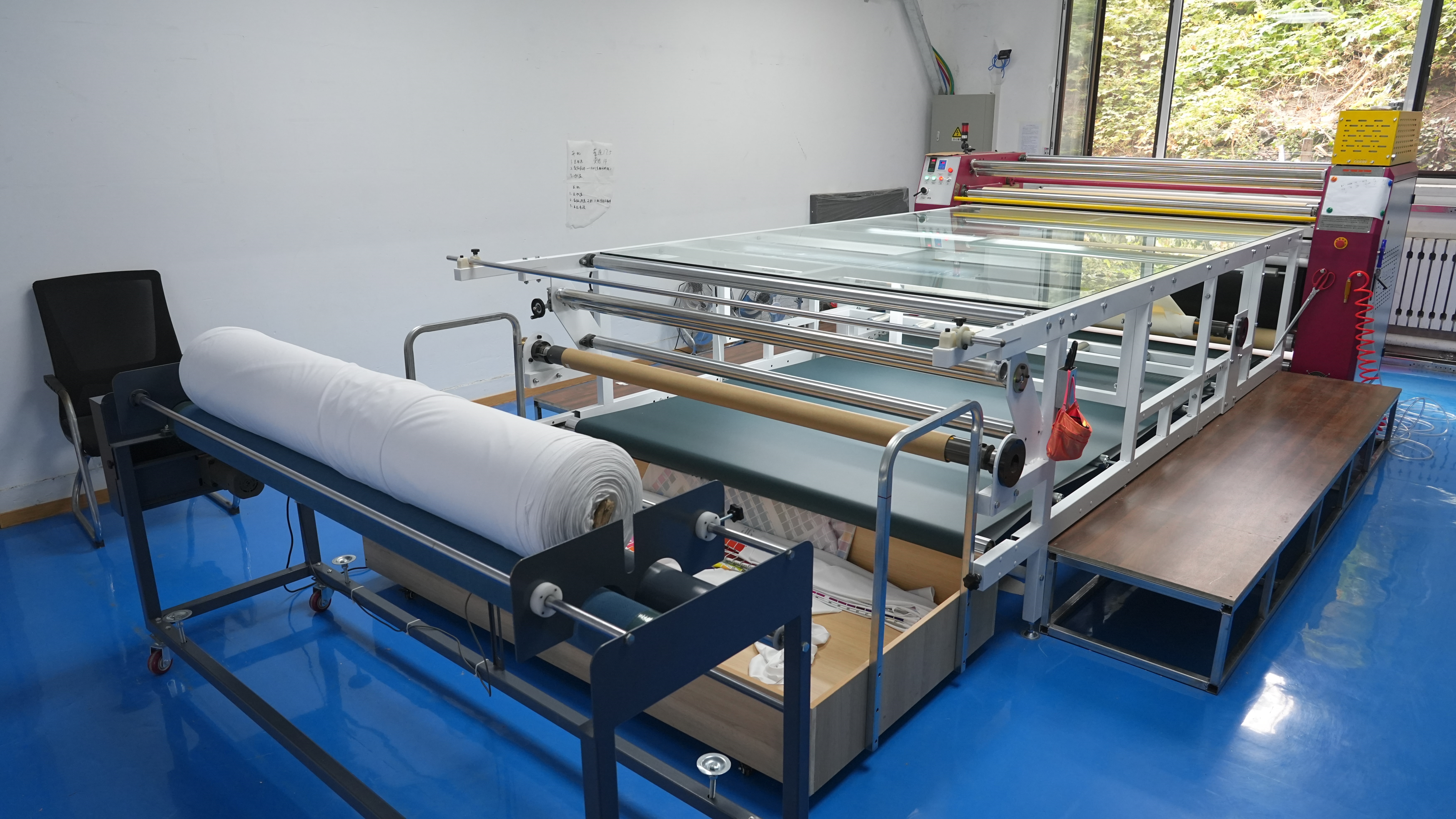
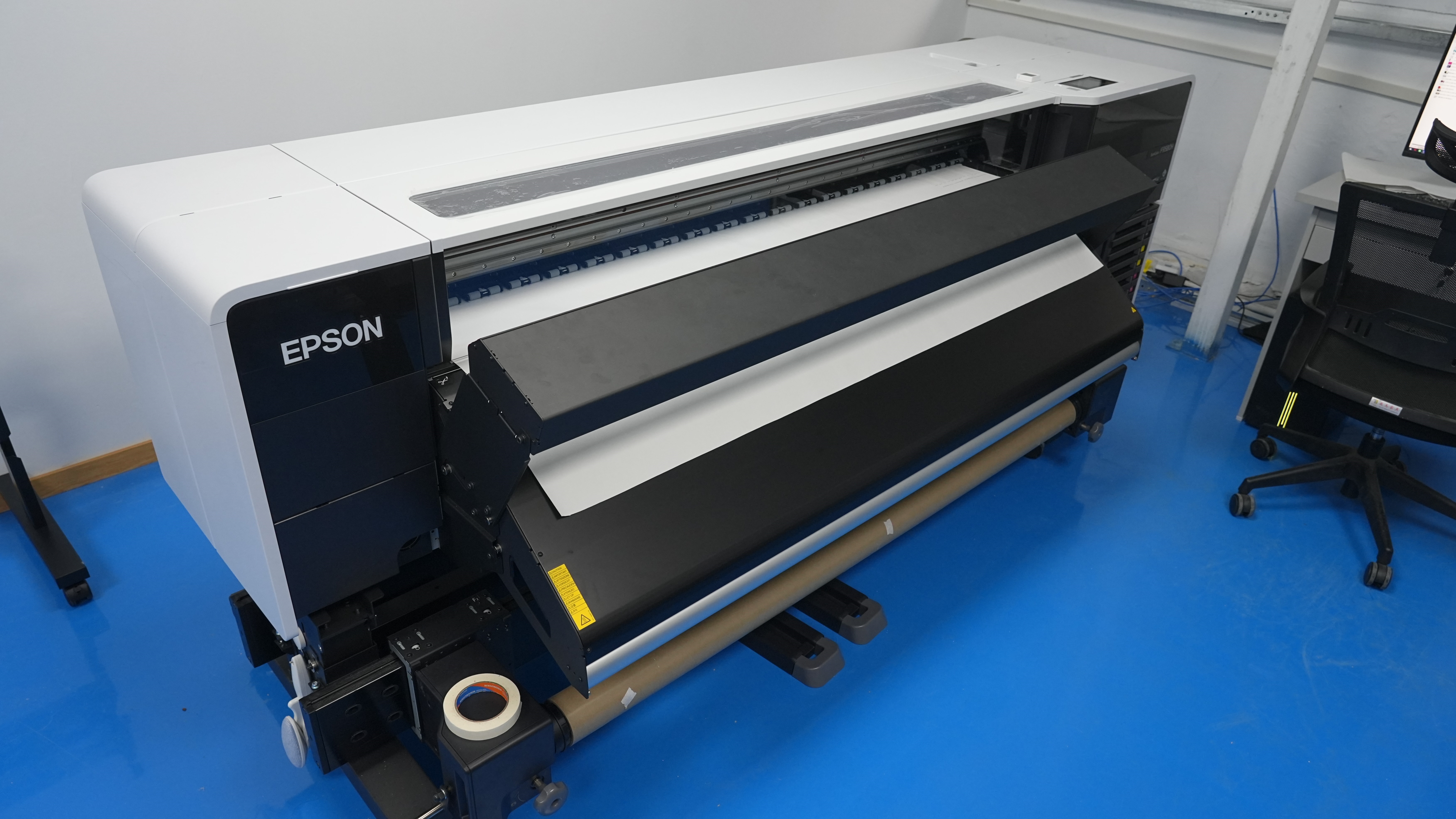
YiXing Athletic Apparel is a custom performance-apparel supplier whose published information states in-house design capability, Epson heat-transfer digital printers and other machinery, OEM and ODM order acceptance, and customization of logo, color, size, design and packaging. The supplier also states that there is no minimum order, or MOQ. These are supplier-stated facts, not independent audit findings, but they define the production questions a buyer can ask of both T701 and L7001.
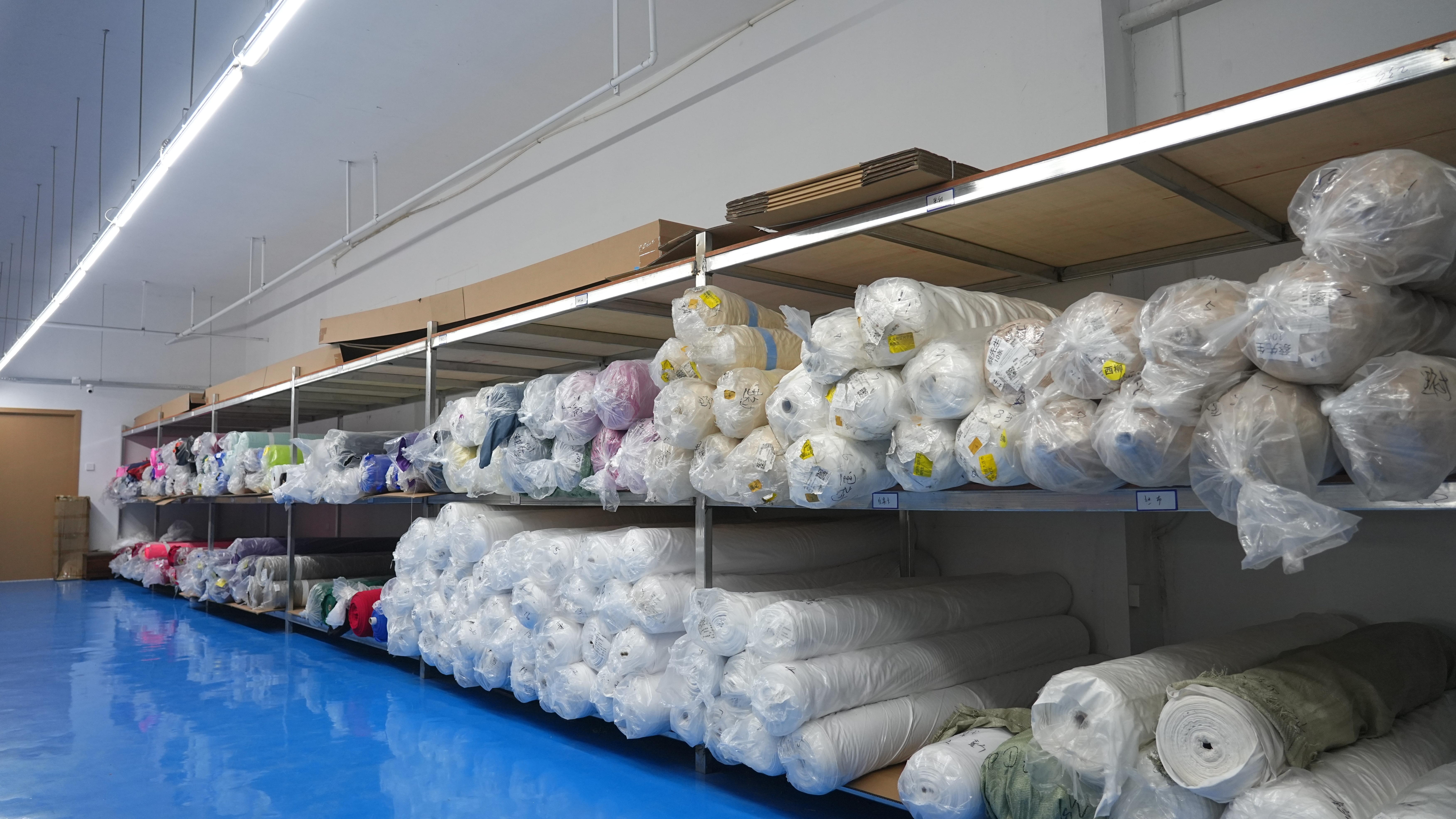
The shared production discussion for T701 and L7001 includes four-way stretch nylon-spandex, customizable fabric weight and lining, digital heat-transfer printing, and in-house design, printing, cutting, sewing and packing. The buyer should still require the exact composition, fabric weight, lining, stretch and recovery values in the approved tech pack for each style. A shared production platform does not mean the same fabric or construction is automatically correct for both garments. It means the same supplier controls the artwork, print, cut, sew and order schedule, which can reduce hand-offs and make color and specification questions easier to trace.
YiXing Athletic Apparel's production content states that design, printing, cutting and sewing run inside the factory, with order ownership from file setup to carton. The same content states that this keeps quality and print control in-house and avoids batch drift between workshops. It also states that design files stay confidential and are not shared with an outside print shop. For a club ordering both leotards and cheer uniforms, those points matter because the two garments may use different colors, decoration density and size sets but still need one accountable production schedule.
The supplier further states that this model requires fewer hand-offs than a trading-company chain, that the person quoting the lead time holds the schedule, and that the same team owns the order through production. In-house QC reports come from the production line rather than from a third party. These claims should be tested through the sample and order documentation, but they are relevant to the comparison because multi-team programs often fail at the hand-off points: artwork approval, color matching, size-set confirmation and final packing.
Technical comparison: T701 leotard versus L7001 cheer uniform
The table below is a buyer framework, not a claim that one garment is superior. It compares what each category must prove before a school or club should release a production order.
| Decision area | T701 custom gymnastics leotards | L7001 custom cheer uniforms |
|---|---|---|
| Primary use moment | Practice, training and competition leotard programs for gymnastics clubs and school teams. | Squad performance, team identity and cheer program uniform needs. |
| Fit and coverage | Confirm tight fit, coverage, opacity and lining against the approved T701 specification. FIG rhythmic rules require non-transparent material from chest to crotch for the covered competition context. | Confirm fit, coverage and lining against the squad's approved L7001 sample and program requirements. No cheer-specific competition standard is established in the source material used here. |
| Stretch and fabric | Verify four-way stretch, recovery, fabric weight and lining in the T701 tech pack. Do not accept a generic stretch claim without the approved sample. | Verify the L7001 fabric, lining, stretch and decoration base in the tech pack and physical sample. The same fabric direction is not automatically correct for both garments. |
| Decoration and print | Digital heat-transfer printing is the supported production route in the supplier content. Confirm placement, color and durability expectations on the approved sample. | Confirm logo, color, design and print placement on the L7001 sample. Team color consistency should be checked across the full size set. |
| Team consistency | For group rhythmic competition, identical material, style, design and colour are required, with limited tolerance for pattern-cut differences. | Lock one color standard and one approved sample for the squad, then check reorder consistency against that standard. |
| Buyer proof before release | Rule check if applicable, physical sample, size-set review, opacity and stretch check, print placement approval. | Squad program review, physical sample, full size-set fit review, color match, decoration and packing check. |
The main technical difference is not that one garment is more technical than the other. It is that T701 has a clearer external compliance trigger in FIG competition contexts, while L7001 depends more heavily on the buyer's own program standard. For T701, the buyer should ask whether the intended use is practice, training or competition, and whether the competition is governed by FIG rules. For L7001, the buyer should define the squad's fit, color, decoration and performance requirements in writing, because the source material does not provide an external cheer standard to substitute for that work.
Use-case fit: practice, training, competition and performance
For practice and training, the buyer's priority is repeatable fit and laundering durability. The supplier's stated use environment for its performance apparel includes indoor training halls and gym floors, high sweat exposure and repeated machine washing. That does not prove a specific wash-test result for T701 or L7001, but it does identify the conditions the buyer should discuss. A practice gymnastics leotard should be approved for movement, coverage and comfort before decoration is finalized. A cheer uniform should be approved for the squad's actual performance conditions, including how the garment will be worn across the season.
For competition, T701 requires a rule-aware review. The FIG requirements cited above cover transparency, tight fit, neckline and leg-cut limits, sleeve treatment and group uniformity. The buyer should not assume that a practice leotard design can be carried into competition without review. The design file should be checked against the relevant Code of Points and advertising rules for the competition in question. If the event is not FIG-sanctioned, the organizer's own rules still need to be confirmed; the FIG material is not a universal substitute for local or event-specific requirements.
For performance use, L7001 should be evaluated as a cheer uniform rather than as a gymnastics leotard. The buyer should confirm the squad's visual identity, color standard, decoration placement, fit across the size set and reorder plan. The supplier's custom logo, color, size, design and packaging capability supports this kind of program, but the buyer still needs a physical sample and a written specification. A cheer uniform that looks correct in a digital mock-up can still fail on fabric hand-feel, print placement or color consistency across sizes.
A multi-team program may need both categories in one season. In that case, the buyer should separate the orders by garment role but coordinate the production schedule. T701 and L7001 can share a supplier, a color standard and a sample-review process, but they should not share a single fit approval or a single compliance assumption. The gymnastics leotard may need FIG screening; the cheer uniform may need a squad-specific performance review. Treating both as one uniform item is where specification errors tend to enter.
Production, lead time and reorder risk
The supplier's comparison content states that artwork is ready in 3 days, a physical sample in 7 days and average delivery in 18 days. It also states that average orders close about 10 days sooner than an order routed through outsourced workshops, because design, printing, cutting and sewing run inside the factory. These are supplier-stated operating figures. They should be written into the order schedule with named approval dates, not treated as an independent delivery guarantee.
When a competition date cannot wait, the supplier states that a dedicated rush line runs outside the standard schedule. That is useful for clubs with fixed event dates, but the buyer should still confirm the cut-off date, the approval deadline, the shipping method and the party responsible for each stage. A rush line is not a substitute for an approved sample. If the design file is not final, extra production speed can simply move the error faster.
Reorder risk is especially relevant for school and club programs because squads add members, replace worn items and need color continuity across seasons. The supplier states that cost stays stable across reorders and that one production team owns the order from file setup to carton. The buyer should test that claim by asking how the supplier stores the approved color standard, print file, size set and pattern for future orders. A reorder that matches the first order only by memory is a procurement risk.
The supplier also states that design files remain confidential and are not shared with an outside print shop. For clubs and schools with proprietary team marks, that is a relevant procurement point. The buyer should confirm file ownership, storage and reuse permissions in the order terms. Confidentiality is not a design feature, but it affects how safely a club's artwork can move through the production chain.
Cost and value: what to compare without a price benchmark
This comparison does not establish a valid unit-price benchmark for T701 or L7001. The available marketplace listing data is listing-specific, covers different products and terms, and cannot be averaged into a category price. A buyer should therefore compare quotations on the same scope: garment category, fabric weight, lining, decoration, size range, sample revisions, packaging, delivery date and reorder terms.
The supplier states a controllable cost structure with no stacked markup from outsourced printing, cutting or sewing steps, and with cost stability across reorders. That is a supplier claim to verify in the written quotation, not a market price. The buyer's value analysis should also include the cost of a failed sample, a color mismatch, a late delivery or an unusable reorder. A lower initial unit quote can be more expensive for a club if it creates a second production run or leaves the squad without matching garments.
For T701, cost drivers include the approved fabric and lining, decoration density, size range and any competition-rule adjustments. For L7001, cost drivers include the uniform design, color and print coverage, decoration placement, size set and squad quantity. Because the supplier states no minimum order, a club can test a first collection or a small batch before scaling. That flexibility is useful, but it should be paired with a clear reorder specification so a small first order does not become a one-off sample with no continuity.
Decision framework for school, club and multi-team buyers
Use the following sequence to compare T701 and L7001 without letting a supplier's general marketing language decide the order.
- Define the garment role by squad. Assign T701 to gymnastics practice, training or competition needs. Assign L7001 to cheer performance and team identity needs. Do not combine the two into one approval.
- Screen T701 for competition rules if applicable. Confirm whether the event is FIG-sanctioned and whether the design meets the relevant Code of Points and advertising rules. For non-FIG events, confirm the organizer's requirements separately.
- Write a separate tech pack for each style. Record fabric composition, fabric weight, lining, four-way stretch expectation, opacity, decoration, size set and packaging. The shared production platform does not remove the need for style-specific specifications.
- Approve physical samples, not only digital mock-ups. Check fit, coverage, print placement, color and hand-feel for T701 and L7001 separately. A sample that passes for one category does not approve the other.
- Lock one color standard and one reorder record. Keep the approved color, print file, pattern and size set with the order. This is essential for multi-team programs and future squad additions.
- Put the schedule in writing. Confirm artwork approval, sample date, production start, delivery date and any rush-line cut-off. The supplier's stated 3-day artwork, 7-day sample and 18-day average delivery figures should be tied to the actual order.
- Inspect the full size set before release. Check color consistency, print placement, stitching, fit and packing. For group gymnastics, check that the competition leotards meet the identical material, style, design and colour requirement where it applies.
Market context: category scale, not a supplier claim
USD Analytics valued the global leotards market at USD 1.24 billion in 2024 and projected a 4.7% compound annual growth rate to USD 2 billion by 2034. That figure covers the broad leotards market, not a forecast for T701, L7001 or any individual club order. It is useful only as category context: leotards are a large enough product category to support specialist sourcing, but the figure does not prove demand for a particular supplier or garment design.
The verified data for this comparison does not establish a product-specific demand forecast for custom gymnastics leotards or cheer uniforms. Buyers should therefore avoid using broad market growth as a reason to skip sample approval, specification review or reorder planning. Category scale does not reduce the need for a garment-level decision.
Frequently asked questions
Is T701 a substitute for L7001 in a multi-team program?
No. T701 is a custom gymnastics leotard and L7001 is a custom cheer uniform. They serve different garment categories and use moments. A club may order both from the same supplier, but each needs its own specification, physical sample and approval record.
Which garment should a club buy first if it needs both?
Start with the garment tied to the nearest fixed event or compliance requirement. If a gymnastics competition is close, complete the T701 rule review and sample approval first. If a cheer performance is the next fixed date, prioritize the L7001 sample and squad fit review. The production schedule can then be coordinated without merging the two approvals.
What should buyers verify about four-way stretch, fabric weight and lining?
Confirm the exact fabric composition, weight, stretch and recovery, and lining in the approved tech pack for each style. FIG rhythmic rules require non-transparent material from chest to crotch for the covered competition context, but those rules do not establish a universal fabric specification for all leotards or cheer uniforms. The physical sample should match the written specification.
Can YiXing Athletic Apparel handle both custom leotards and cheer uniforms?
YiXing Athletic Apparel states that it accepts OEM and ODM orders and custom logo, color, size, design and packaging, with an in-house design team and Epson heat-transfer digital printers. That supports the ability to quote both categories. Buyers should still verify samples, written specifications and production schedules before releasing an order.
What lead-time and MOQ facts should be written into the order?
The supplier states no minimum order, artwork ready in 3 days, a physical sample in 7 days and average delivery in 18 days, with a rush line outside the standard schedule. These are supplier-stated figures. They should be confirmed in the written order schedule with approval dates, shipping terms and responsibilities for each stage.
Conclusion: match the garment category to the squad's decision risk
The useful question is not whether T701 or L7001 is the better garment in general. It is which garment matches the squad's use moment, compliance path and reorder model. T701 should be screened as a custom gymnastics leotard, with particular attention to fit, coverage, stretch, lining and FIG competition requirements where they apply. L7001 should be screened as a custom cheer uniform, with attention to squad fit, color, decoration and performance use.
Both can benefit from a shared production platform that includes in-house design, digital heat-transfer printing, cutting, sewing and packing, and from a supplier that states no minimum order and controlled scheduling. Those shared capabilities reduce some sourcing friction, but they do not remove the buyer's duty to approve a style-specific specification, sample and reorder record. A school, club or multi-team program should compare T701 and L7001 on the same procurement discipline, then let the garment category, evidence and use case decide the order.
Have Questions or Need More Details?
Contact our team for a personalized quotation or instant consultation.
Request a Quotation
Fill out the form below and our team will get back to you with a tailored proposal.
WhatsApp Direct Chat
Prefer to chat in real-time? Message us on WhatsApp for instant assistance & quick answers.
- Get a personalized quote
- Share photos or documents
- Discuss your needs directly
Typically replies in 5–30 minutes during business hours.