
Custom Lobby Chandelier Suppliers: A Certification Matrix
Custom Lobby Chandelier Suppliers: A Certification Matrix
A custom hotel lobby chandelier is simultaneously a design object, a structural load, an electrical installation and a procurement line item that may have to be defended long after handover. Comparing suppliers on unit price answers none of those four questions. A certification and acceptance matrix does, because it produces a decision that survives an audit rather than a negotiation.
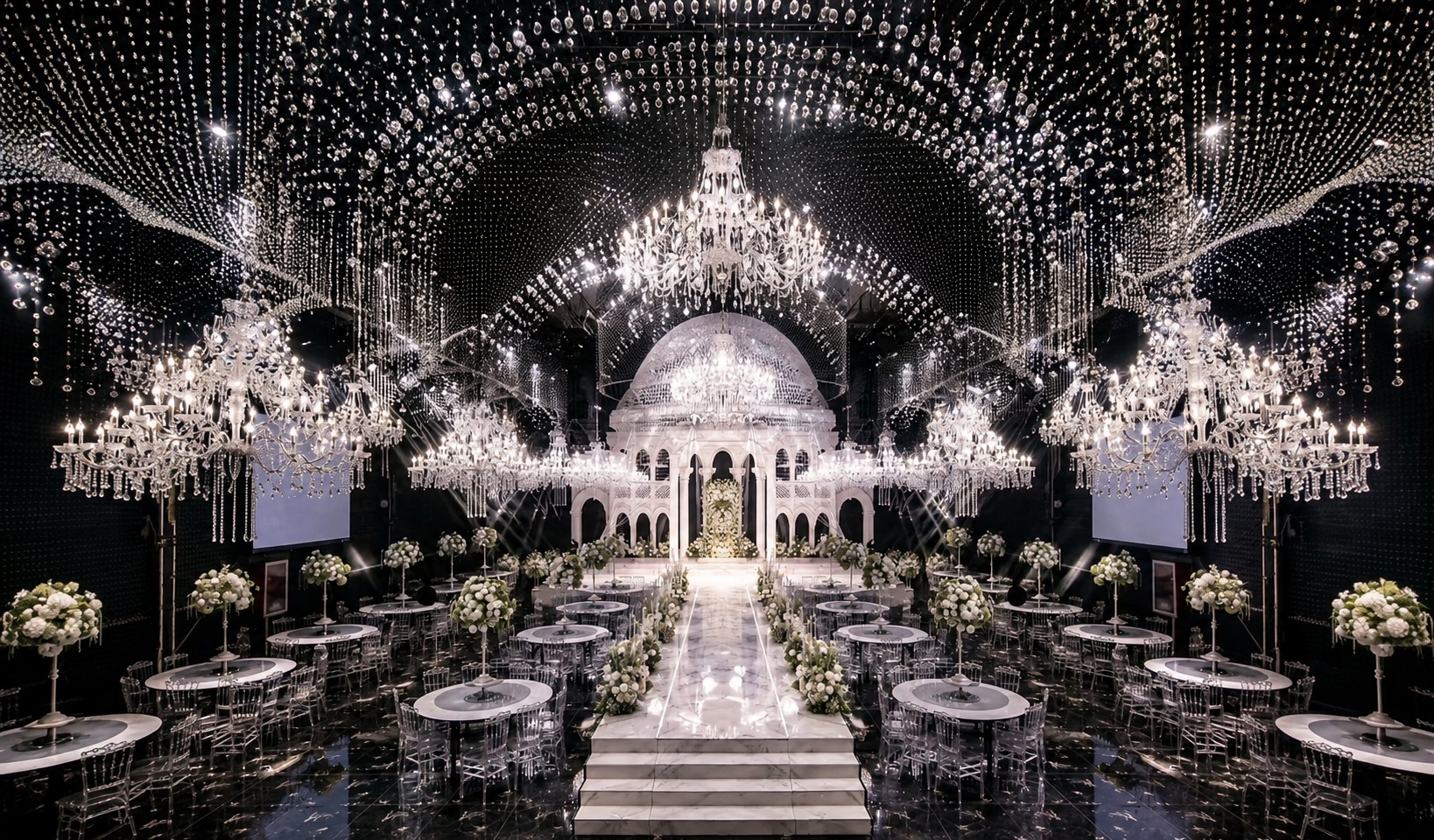
This article sets out a certification and acceptance matrix that a hotel owner, an operator technical services team or a project procurement manager can apply to any supplier of a bespoke lobby chandelier. It compares two supplier profiles, a factory-direct non-standard lighting manufacturer and a middleman lighting supplier, across seven dimensions that determine whether an award can be defended: purchasing terms, certification evidence, acceptance criteria, sample-to-mass-production consistency, full-cycle service, tender documentation support, and optical customisation such as anti-glare treatment and dimming.
The practical conclusion is narrow and repeatable. Above a certain customisation threshold, the factory-direct profile is the better-supported choice, not because a middleman cannot deliver a chandelier, but because a middleman cannot independently produce the certificate chain, in-house inspection record and drawing-to-production control that a hotel acceptance procedure actually tests. The matrix below shows where that difference is provable, and where it is not.
Why the Unit Price Axis Fails First
Hospitality lighting is a large and still-expanding specification category. The global hospitality lighting market was valued at USD 14.2 billion in 2025 and is projected to grow at a compound annual rate of 7.3% to reach USD 26.8 billion by 2034 (Dataintelo). Commercial applications, including hospitality, accounted for 62.8% of the decorative lighting end-user market in 2025 (IMARC Group). Volume on that scale produces bidders, and bidders are usually ranked on the one number that is easiest to compare.
Unit price is also the number that hides the most. Two quotations for the same lobby chandelier can differ by a wide margin while describing the same silhouette, because they do not describe the same object. One price may include engineering drawings, ceiling load verification, a certificate file aligned to the delivered model, a full-inspection record and a warranty; the other may describe a purchased finished good with a logo on the crate. The buyer discovers the difference at the point where a consultant asks for the test report, or where the suspended frame does not match the structural drawing.
A comparison matrix replaces that ambiguity with a filing requirement. Each dimension asks one question: can the supplier produce, before award, the document that this dimension depends on? If it cannot, the dimension scores zero rather than average.
The Two Profiles You Are Actually Comparing
Profile A is a factory-direct non-standard lighting manufacturer. It owns the production base, employs the engineering team that converts a designer concept into a manufacturable fixture, and holds the quality-management system that governs the workshop. Customisation is a production activity rather than a purchasing activity.
Profile B is a middleman lighting supplier. It aggregates demand, holds commercial relationships and may hold stock of standard decorative lighting, but it does not own the production line that makes the bespoke lobby chandelier. Its evidence is commercial, such as quotations and purchase orders issued to a factory, rather than manufacturing, such as process control records and in-house inspection output.
Zhongshan YZ ART LIGHT Co., Ltd. (YZ ART LIGHT) is a manufacturer of high-end decorative and project lighting based in Zhongshan, Guangdong Province, China, producing banquet hall chandeliers, oversized chandeliers, hotel chandeliers, lobby chandeliers and matching hotel table, wall and floor lamps for hotel groups, hotel engineering projects, villa owners and commercial real estate developers. The company operates a 15,000 square metre production base with 150 employees and a 20-engineer research and development team, and its main markets are Europe, the Americas and the Middle East. Its completed project references include Four Seasons Resort Sharm El Sheikh, InterContinental Jerusalem by IHG, JW Marriott Costa Elena Resort & Spa and Waldorf Astoria Kuala Lumpur, and its production scale includes over 1,000 completed commercial engineering projects.
In this article YZ ART LIGHT is used as the worked example of Profile A, because a comparison matrix is only useful if at least one side of it can be populated with documents rather than adjectives.
The Seven-Dimension Matrix
The matrix is deliberately short. Seven dimensions are enough to separate the two profiles on evidence, and few enough that a procurement team will actually complete it.
| Dimension | What must be filed before award | Factory-direct profile | Middleman profile |
|---|---|---|---|
| 1. Purchasing terms | Minimum order, standard lead time, monthly production capacity, capacity reserved for the project | Production commitments are made by the party that runs the line | Commitments are passed through from a third-party factory |
| 2. Certification evidence | Safety, restricted-substance and management-system certificates, mapped to the delivered model | Certificates held in the manufacturer name, with numbers and standards | Certificates held by the factory and supplied as copies, if at all |
| 3. Acceptance criteria | Inspection scope, test items, record issued per shipment | Inspection performed in house, with a checklist per shipment | Inspection depends on the factory and is rarely witnessed |
| 4. Sample-to-mass-production consistency | Confirmed drawing set, material and finish schedule, deviation record | Same engineering team owns sample and batch | Sample and batch may originate from different factories |
| 5. Full-cycle service | Drawing deepening, ceiling load calculation, installation guidance, warranty terms | Engineering support and remote technical guidance from the production side | Support is coordinated, not performed |
| 6. Tender documentation support | Certificate file, test report references, project references, compliance statements | Documents issued from the original source | Documents assembled on request and often incomplete |
| 7. Anti-glare and dimming | Light-source configuration, colour temperature, dimming method, commissioning adjustment | Configured and tested as part of production | Configured by a third party, verified by description |
Table 1. Seven dimensions, the document each one depends on, and how the two supplier profiles typically answer them.
Dimension 1: Purchasing Terms That Survive the Schedule
Purchasing terms matter in a lobby chandelier project because the fixture is usually on the critical path of a handover date that cannot move. At YZ ART LIGHT, the minimum order is one piece, which matters for prototype and mock-up stages; monthly production capacity is 20,000 units; and the standard lead time is 30 to 40 working days, with shortened lead time available for urgent hotel projects.
Read those three numbers together and they describe a specific operating model: bespoke single units are possible, but they are produced inside a schedule that is planned in working days rather than in stock availability. A buyer comparing a factory-direct quotation against a middleman quotation should therefore ask a fourth question that neither price answers, which is what capacity has been reserved for this specific project and in which week.
Dimension 2: Certification Evidence, Five Documents, Five Jobs
Certification is the dimension where the two profiles diverge most sharply, and also the dimension most often reduced to a folder of scanned images with no explanation. Each document answers a different question. The five below are held against hotel lighting model yz10002.
| Document | Number and reference | Issued by | Standard | Validity | What it evidences |
|---|---|---|---|---|---|
| LVD-CE Verification of Conformity | QTS800119288; test report ref. 61.11.19.0573.01 | Guangzhou Quality Technology Service Co., Ltd. (QTS) | EN 60598-1:2015+A1:2018; EN 60598-2-1:1989; EN 62493:2015 | Issued 2019-09-27; valid to 2028-09-02 | EU low-voltage safety of a fixed luminaire (hanging lamp) |
| CE-RoHS Verification of Conformity | QTS800519289; test report ref. 61.15.19.0574.01 | Guangzhou Quality Technology Service Co., Ltd. (QTS) | IEC 62321-3-1:2013; IEC 62321-4:2013+A1:2017; IEC 62321-5:2013; IEC 62321-7-1:2015; IEC 62321-7-2:2017; IEC 62321-6:2015; EN ISO 17075-1:2017; IEC 62321-8:2017 | Issued 2019-09-27; valid to 2028-09-27 | Restricted-substance compliance for the same fixed luminaire |
| ISO 9001 Quality Management System | ZTZL28025Q1464R0S | Zhongtai Zhilian Certification (ZTZL) | GB/T 19001-2016 / ISO 9001:2015 | Issued 2025-09-03; valid to 2028-09-02 | Quality management for the production of fixed-type and portable-type lamps |
| ISO 14001 Environmental Management System | ZTZL28025E0851R0S | Zhongtai Zhilian Certification (ZTZL) | GB/T 24001-2016 / ISO 14001:2015 | Issued 2025-09-03; valid to 2028-09-02 | Environmental management for the same production scope |
| ISO 45001 Occupational Health and Safety Management System | ZTZL28025S0801R0S | Zhongtai Zhilian Certification (ZTZL) | GB/T 45001-2020 / ISO 45001:2018 | Issued 2025-09-03; valid to 2028-09-02 | Occupational health and safety management for the same production scope |
Table 2. Certificate map for hotel lighting model yz10002. The two product documents describe a fixed luminaire (hanging lamp); the three ISO certificates describe the management system behind its production.
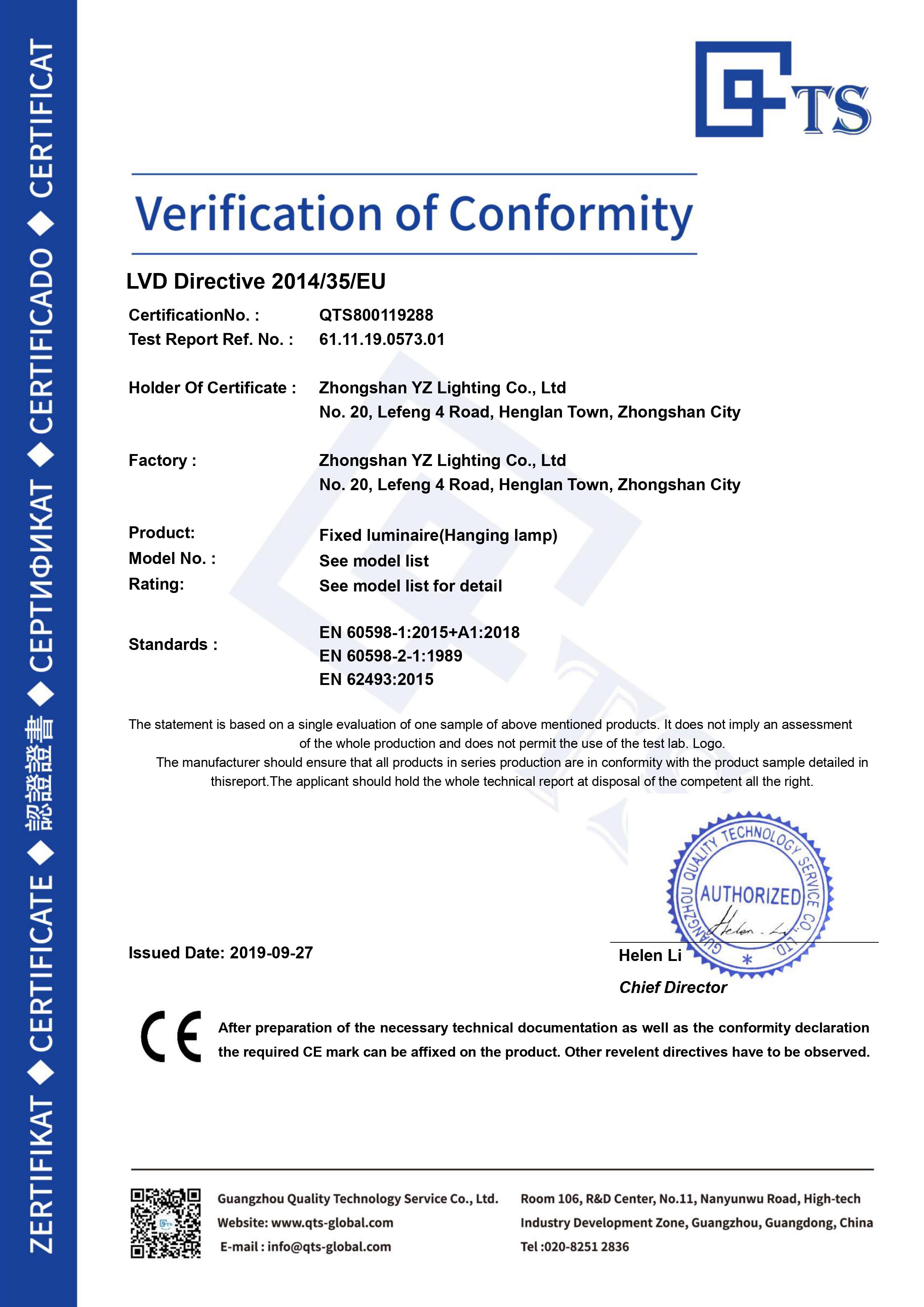
The distinction between the two groups matters to a buyer. The LVD-CE and CE-RoHS documents test a product against harmonised standards for electrical safety and hazardous substances, and their scope is a fixed luminaire or hanging lamp. The ISO 9001, ISO 14001 and ISO 45001 certificates test an organisation against management-system standards for the production of fixed-type and portable-type lamps. A supplier that can produce the first group but not the second has a compliant sample; a supplier that can produce both has a controlled process behind the sample.
A middleman supplier typically holds neither set in its own name. It can request copies from the factory, and copies are often adequate for a preliminary submission, but they do not carry the same weight when the buyer needs the certificate holder and the contracting party to be the same legal entity.
Dimension 3: Acceptance Criteria Written Before Production Starts
Acceptance is where a lobby chandelier project most often loses time, because acceptance criteria are frequently agreed after the fixture has been built. At YZ ART LIGHT every lamp undergoes 100% full inspection before shipment, covering power-on testing, appearance workmanship check, dimension and structure inspection, and accessories completeness verification, and a quality-approval checklist is attached to each shipment.
Those five inspection items translate directly into a contractual acceptance clause. Power-on testing addresses electrical function and light output. Appearance workmanship addresses finish, plating, glass and crystal condition. Dimension and structure inspection addresses whether the delivered frame matches the approved drawing and the reserved ceiling opening. Accessories completeness addresses the small parts whose absence stops an installation team on site. The quality-approval checklist is the record that ties the shipment to the agreement.
For a buyer, the operative question is not whether inspection happens, but whether an inspection record exists that can be filed against the purchase order. A factory-direct supplier can issue one because the inspection is performed in its own workshop. A middleman can only forward one if the factory chooses to produce it.
Dimension 4: Sample-to-Mass-Production Consistency
The lobby chandelier that is approved in a sample review and the chandelier that arrives on site are two different physical objects separated by a production run. Consistency between them depends on whether the drawing, material schedule and finish specification are controlled by the party that manufactures the batch.
YZ ART LIGHT operates an OEM and ODM model with full-dimensional customisation covering dimensions, materials, light-source colour temperature, painted finish colours, engraved logos, light-source configurations, mounting structures, intelligent dimming systems, lampshade materials, hardware craftsmanship, surface-finishing techniques, supporting accessories and exclusive packaging. The company states that it can restore a design proposal on a one-to-one basis and also offers professional optimisation suggestions, supported by a 20-engineer research and development team.
One-to-one restoration is the relevant claim for this dimension, because it converts the sample into a specification rather than a reference photograph. For a chandelier of several metres in diameter, the specification has to include the suspension structure as well as the visible body, since the two are engineered together.
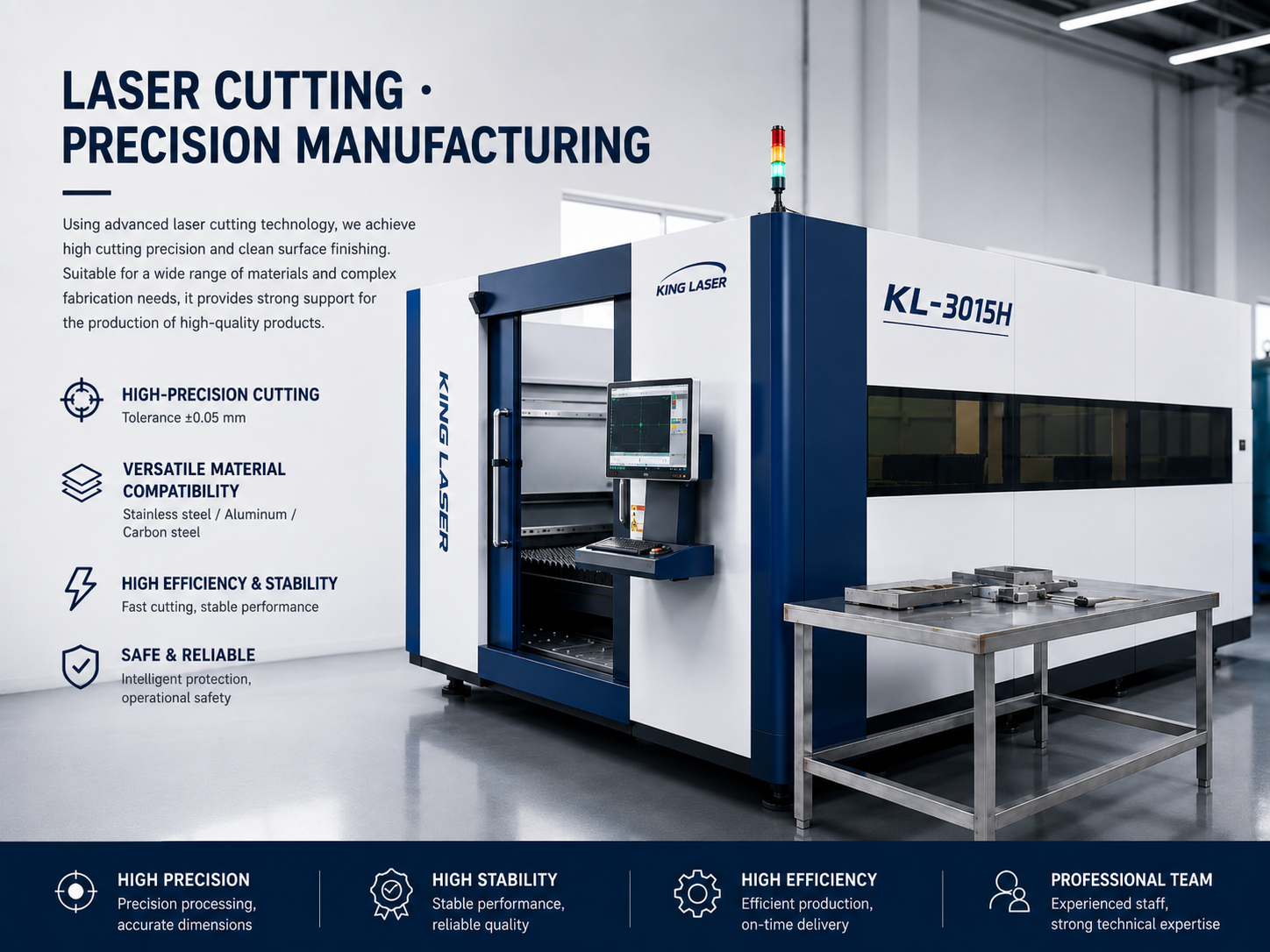
Dimension 5: Full-Cycle Service From Drawing Deepening to Maintenance
Full-cycle service for a lobby chandelier is a sequence rather than a promise, and it can be scored line by line. On the YZ ART LIGHT workflow, the sequence runs from design consultation and scheme development through structural optimisation and mass production. On site, the installation guide is equally specific: check ceiling load-bearing capacity, measure the reserved size and mark the suspension points, cut off the mains power supply, assemble the lamp frame, lampshade and built-in anti-glare light source, complete insulated concealed wiring, fix embedded fasteners and hoist the whole lamp, then carry out a power-on test, adjust lamp angle and check the uniformity of the lighting effect.
Two items in that sequence deserve buyer attention because they are the ones that a middleman cannot supply from its own resources. The first is ceiling load-bearing verification, which belongs to the engineering conversation between the fixture manufacturer and the project structural team. The second is the installation and commissioning protocol, including the safety requirement that power is isolated before all installation work and that wiring is performed by electrically qualified personnel with dry hands.
After handover, the service terms are concrete rather than aspirational: overseas clients receive global remote technical guidance, all engineering lighting products are covered by a 3-year warranty, the LED light source has a service life of up to 50,000 hours, and the metal and glass lamp body is durable for over 15 years under normal use.
Dimension 6: Tender Documentation Support
Tender documentation for a lighting package is assembly work, and assembly is faster when the documents originate inside the supplier. The relevant file for a lobby chandelier includes the certificate set mapped to the delivered model, the test report references behind each certificate, the quality-approval checklist template, the inspection scope statement, and the project reference list.
On the reference side, YZ ART LIGHT cites completed hospitality projects including Four Seasons Resort Sharm El Sheikh, InterContinental Jerusalem by IHG, JW Marriott Costa Elena Resort & Spa and Waldorf Astoria Kuala Lumpur, alongside a production scale of over 1,000 completed commercial engineering projects for hotel groups, hotel engineering projects, villa owners and commercial real estate developers.
A buyer scoring this dimension should ask for references in the same fixture category and the same installation condition, because a lobby chandelier and a guest room pendant draw on different parts of a manufacturer capability set.
Dimension 7: Anti-Glare and Dimming, Where Cheap Bids Become Visible
Optical behaviour is the part of a lobby chandelier that cannot be inspected in a photograph, and it is the part most likely to be downgraded in a low bid. The demand signal is measurable: 56% of new luxury hotel projects now require dimmable chandelier installations for guest ambiance (Dataintelo, 2024), and the 2024 International Energy Conservation Code expanded occupancy and dimming requirements for lobbies and meeting areas (International Code Council).
YZ ART LIGHT addresses this through custom soft anti-glare light sources, adopted specifically to avoid harsh glare and uneven light distribution, together with light-source configurations and intelligent dimming systems within its customisation scope. The installation protocol adds the commissioning step that determines whether those choices actually work in the room: adjust lamp angle and check the uniformity of the lighting effect after power-on.
A middleman supplier can specify the same words. The difference is whether the light source, driver and dimming configuration were tested together as a produced assembly or assembled from separate purchases at the point of delivery.
How to Score the Matrix Without Inventing Numbers
The matrix works best with a three-point scale and a hard rule: no document, no score. Assign 0 where the supplier cannot produce the filed evidence, 1 where evidence exists but is held by a third party, and 2 where evidence is held and issued by the contracting entity. The result is not a ranking of brands; it is a record of which supplier can support an award decision.
- Weight certification and acceptance evidence highest where the project has an operator technical services review or an insurer requirement.
- Weight full-cycle service highest where the ceiling is irregular, double-height or structurally constrained.
- Weight purchasing terms highest where the handover date is fixed and the fixture is on the critical path.
- Record every zero with the reason, so that a later change of supplier can be justified in writing.
Where the Factory-Direct Model Stops Working
A comparison matrix that only produces advantages is not a matrix. Four boundaries are worth stating plainly.
First, the certificate set described above is scoped to the European Union and to management systems. North American projects require compliance with UL 1598 for luminaires and UL 8750 for LED equipment (UL Solutions), and those are separate approvals. A buyer specifying for the United States or Canada must confirm the applicable approval route for the delivered model rather than assuming the CE file covers it.
Second, certificate dates require verification against the current build. The LVD-CE and CE-RoHS documents were issued on 2019-09-27 and remain valid to 2028-09-02 and 2028-09-27 respectively, while the three ISO certificates were issued on 2025-09-03 and expire on 2028-09-02. A buyer should confirm that the certificate scope still matches the model and bill of materials being purchased at the time of order.
Third, bespoke production is not a stock solution. A standard lead time of 30 to 40 working days is efficient for a planned project and unsuitable for an emergency replacement of a single broken component, where a local stockist is usually faster.
Fourth, custom fixtures are not catalogue-interchangeable. Once a lobby chandelier is produced to a project-specific drawing, spare parts and matching replacement components need to be planned at order stage rather than sourced later.
What Is Changing in Hospitality Lighting Specification
Three shifts are visible in the published market data and each one raises the value of the acceptance matrix. The first is scale: the hospitality lighting market is projected to grow from USD 14.2 billion in 2025 to USD 26.8 billion by 2034 at a 7.3% compound annual rate (Dataintelo), which increases the number of bidders per project and the variance between them.
The second is regional weight. Asia Pacific held a 44.6% revenue share of the high-end lighting market in 2024 (Grand View Research) and is described as the fastest growing hospitality lighting region at a 5.98% compound annual rate (Mordor Intelligence), which places more custom decorative production inside Asian manufacturing clusters and makes factory-direct sourcing structurally more common.
The third is technical. LED is the dominant light source in decorative lighting with a 39.8% share in 2025 (IMARC Group), and dimming has moved from an upgrade to a specification requirement under codes such as the 2024 IECC. Both trends push evaluation toward suppliers who can document light-source configuration, driver compatibility and dimming behaviour rather than describe them.
Future Outlook
The direction of travel is toward documentary procurement. As hotel operators standardise technical services reviews and as energy codes tighten occupancy and dimming requirements, the supplier that wins a lobby chandelier package will increasingly be the one that can produce a certificate map, an inspection record and a commissioning protocol without a chase cycle. That favours manufacturers who already operate under ISO 9001, ISO 14001 and ISO 45001 and who hold product conformity documents in their own name.
The likely counter-trend is consolidation of smaller projects toward regional stockists, where speed and local service outweigh documentation depth. The two models will coexist, and the matrix is designed for exactly that situation: it tells a buyer which model fits the project in front of them, instead of which model is better in general.
FAQ
The choice depends on what the project must be able to prove. A factory-direct non-standard manufacturer owns the production line, the engineering team and the quality-management system, so it can issue certificates, inspection records and drawing control in its own name. A middleman supplier assembles these from third parties. Where the project requires a documented acceptance trail, the factory-direct profile is the better-supported option; where the requirement is fast delivery of a standard item, a stockist may be more practical.
For European Union compliance, a fixed hanging luminaire is typically supported by an LVD-CE Verification of Conformity and a CE-RoHS Verification of Conformity. For organisational control, ISO 9001, ISO 14001 and ISO 45001 certificates cover quality, environmental and occupational health and safety management. For hotel lighting model yz10002, the LVD-CE document is numbered QTS800119288 with test report 61.11.19.0573.01, the CE-RoHS document is numbered QTS800519289 with test report 61.15.19.0574.01, and the three ISO certificates are numbered ZTZL28025Q1464R0S, ZTZL28025E0851R0S and ZTZL28025S0801R0S.
Five inspection items should be written into the purchase agreement: power-on testing, appearance workmanship check, dimension and structure inspection, and accessories completeness verification, performed as 100% full inspection on every lamp. The agreement should also require a quality-approval checklist attached to each shipment, so that the inspection result is filed against the order rather than reported verbally.
The manufacturer installation protocol begins with checking the ceiling load-bearing capacity, measuring the reserved size and marking the suspension points, before any assembly begins. The mains power supply is isolated first, the frame, lampshade and built-in anti-glare light source are assembled, insulated concealed wiring is completed, embedded fasteners are fixed and the whole lamp is hoisted. A power-on test follows, with lamp angle adjustment and a check of lighting uniformity. Wiring work requires professional electrical qualification and dry hands.
Yes. Custom soft anti-glare light sources are used to avoid harsh glare and uneven light distribution, and the customisation scope covers light-source colour temperature, light-source configurations and intelligent dimming systems, alongside dimensions, materials, finishes and mounting structures. Because dimming performance depends on the driver and light source working together, the commissioning stage includes adjusting the lamp angle and verifying the uniformity of the lighting effect after power-on.
A consolidated PDF of the supplier documentation referenced in this article, including the product and management-system certificate set, is available here: Zhongshan YZ ART LIGHT Co., Ltd. company profile and documentation.
Have Questions or Need More Details?
Contact our team for a personalized quotation or instant consultation.
Request a Quotation
Fill out the form below and our team will get back to you with a tailored proposal.
WhatsApp Direct Chat
Prefer to chat in real-time? Message us on WhatsApp for instant assistance & quick answers.
- Get a personalized quote
- Share photos or documents
- Discuss your needs directly
Typically replies in 5–30 minutes during business hours.