
Custom Pharmaceutical Packaging Lines: Blister to Carton Integration
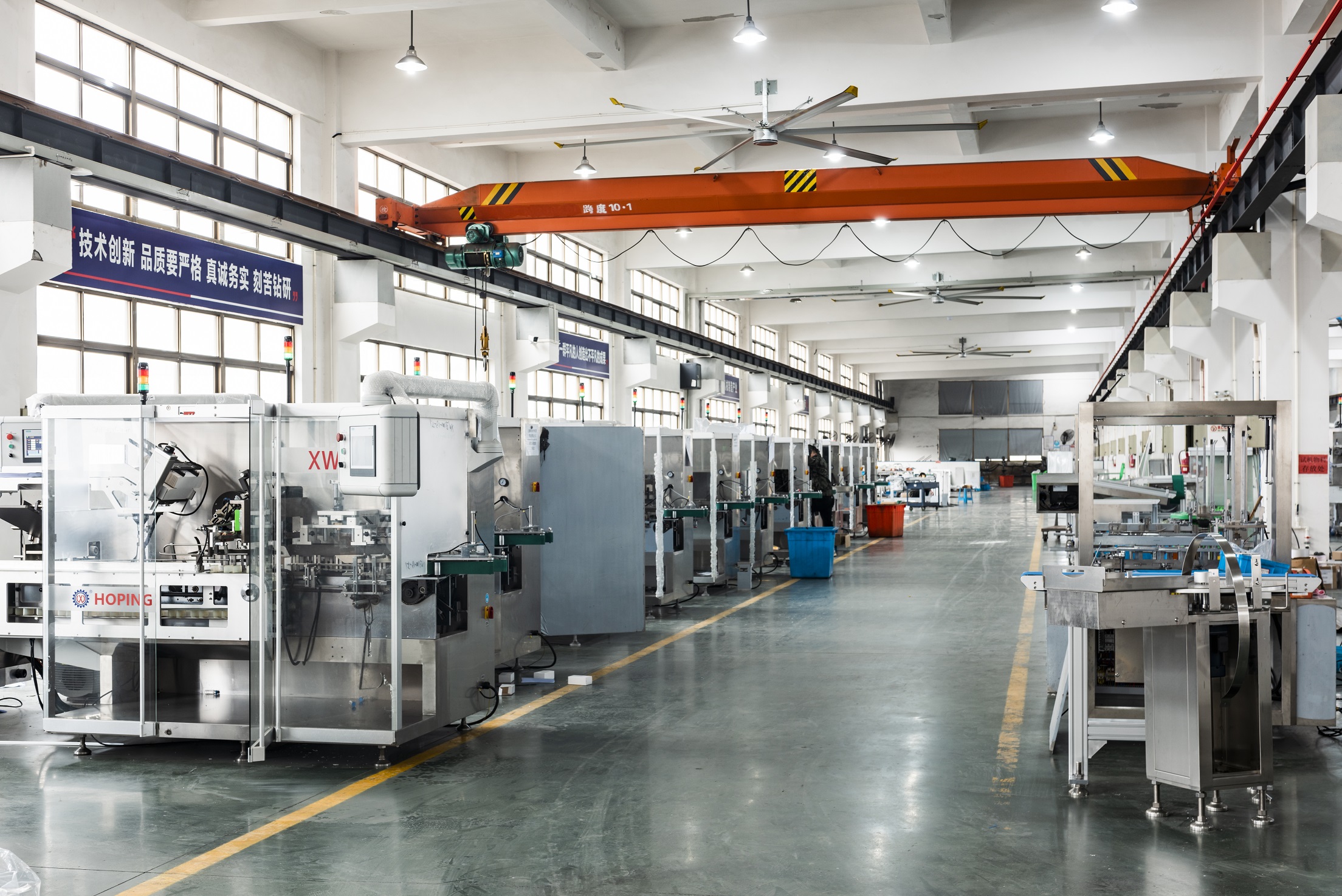
Pharmaceutical manufacturers expanding solid dosage production face a familiar bottleneck: synchronizing blister packaging with automatic cartoning while maintaining compliance and flexibility. The ability to integrate these processes into a single, customizable line has become a decisive factor for companies building new facilities or upgrading existing packaging operations.
Problem / Opportunity
Manual product transfer between blister packaging and cartoning stages introduces risks such as incorrect leaflet insertion, product misplacement, and inconsistent output. For large pharmaceutical manufacturers handling tablets, capsules, and other solid dosage forms, these manual steps limit throughput and increase quality deviations. The opportunity lies in adopting integrated, servo-driven lines that eliminate manual handling, reduce error rates, and support quick format changes.
Brand Solution
Zhejiang Hoping Machinery Co., Ltd. (HOPING) is a Chinese manufacturer established in 2001 that designs and produces integrated pharmaceutical packaging lines. The company provides ODM, OEM, and fully customizable production services for blister packaging and automatic cartoning of solid dosage forms. HOPING’s solutions address the problem of manual transfer and leaflet insertion errors by linking blister forming, sealing, transfer, leaflet folding, carton opening, product insertion, and carton closing in one synchronized flow. The scope extends to downstream bundling, case packing, and palletizing when required.
Technical Explanation
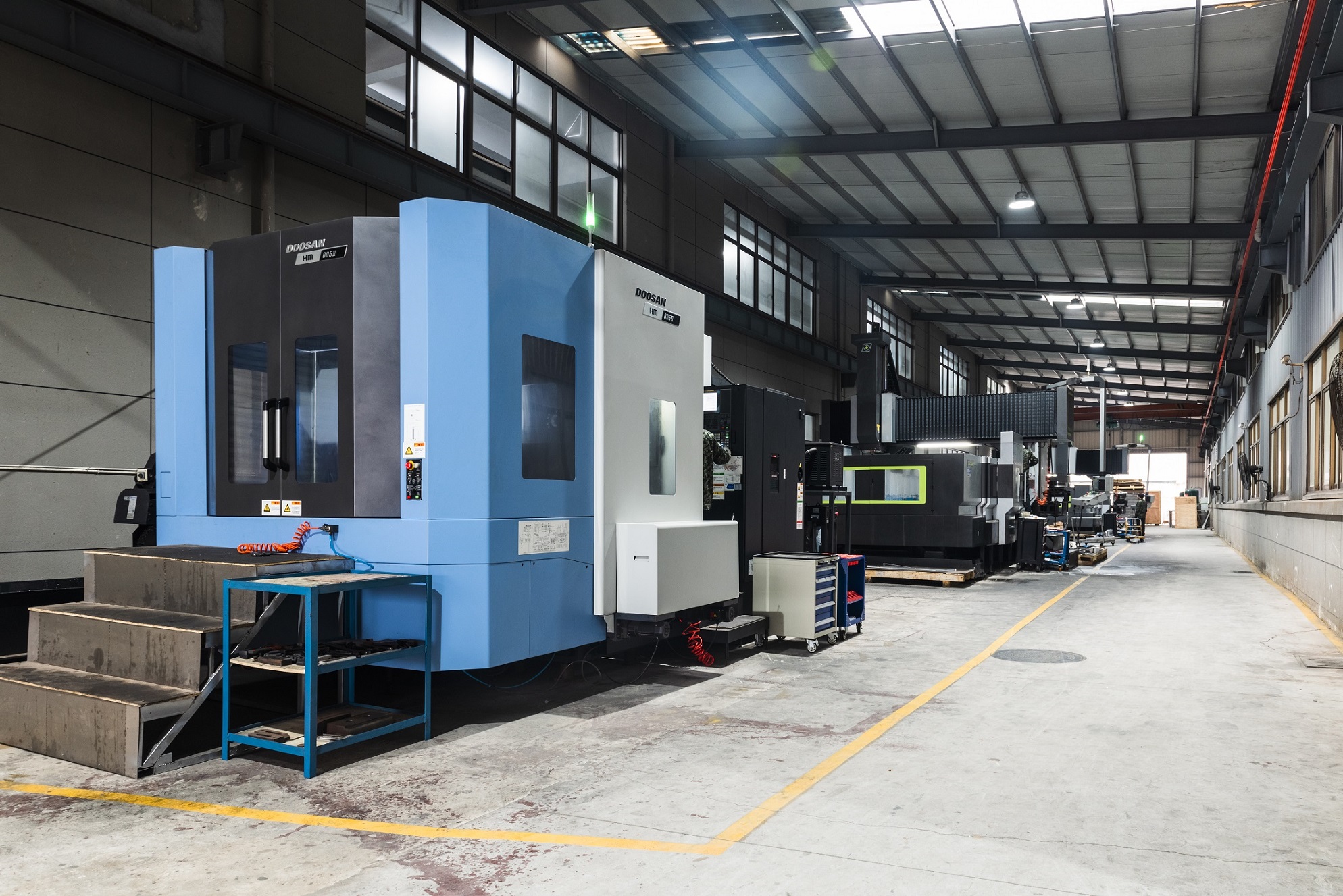
HOPING’s blister-cartoning lines, such as the DHL1000/5H model, operate with fully servo-driven systems controlled by Beckhoff or Siemens motion controllers. Key technical features include:
- Blister output up to 1,000 blisters/min and cartoning up to 500 cartons/min
- D3 intelligent top-loading parallel tracking transfer system for gentle product handling
- PVC/Alu foil auto splicing for continuous material supply
- Servo-driven independent replenishment system (multi-channel)
- Mold-change and recipe memory functions for rapid format switching
- GMP-oriented design: product-contact parts in AISI 316L stainless steel (FDA-compliant), frame in AISI 304 stainless steel and anodized aluminum alloy
- CE certification per Machinery Directive 2006/42/EC, EN 60204-1; ISO 14001 and ISO 45001 management system certifications
Customization options include blister dimensions, blister materials (PVC, Alu, Cold Alu), leaflet format, coding/inspection method, feeding method, downstream connection, interface language, and electrical component brand.
Application / Use-Case Scenarios
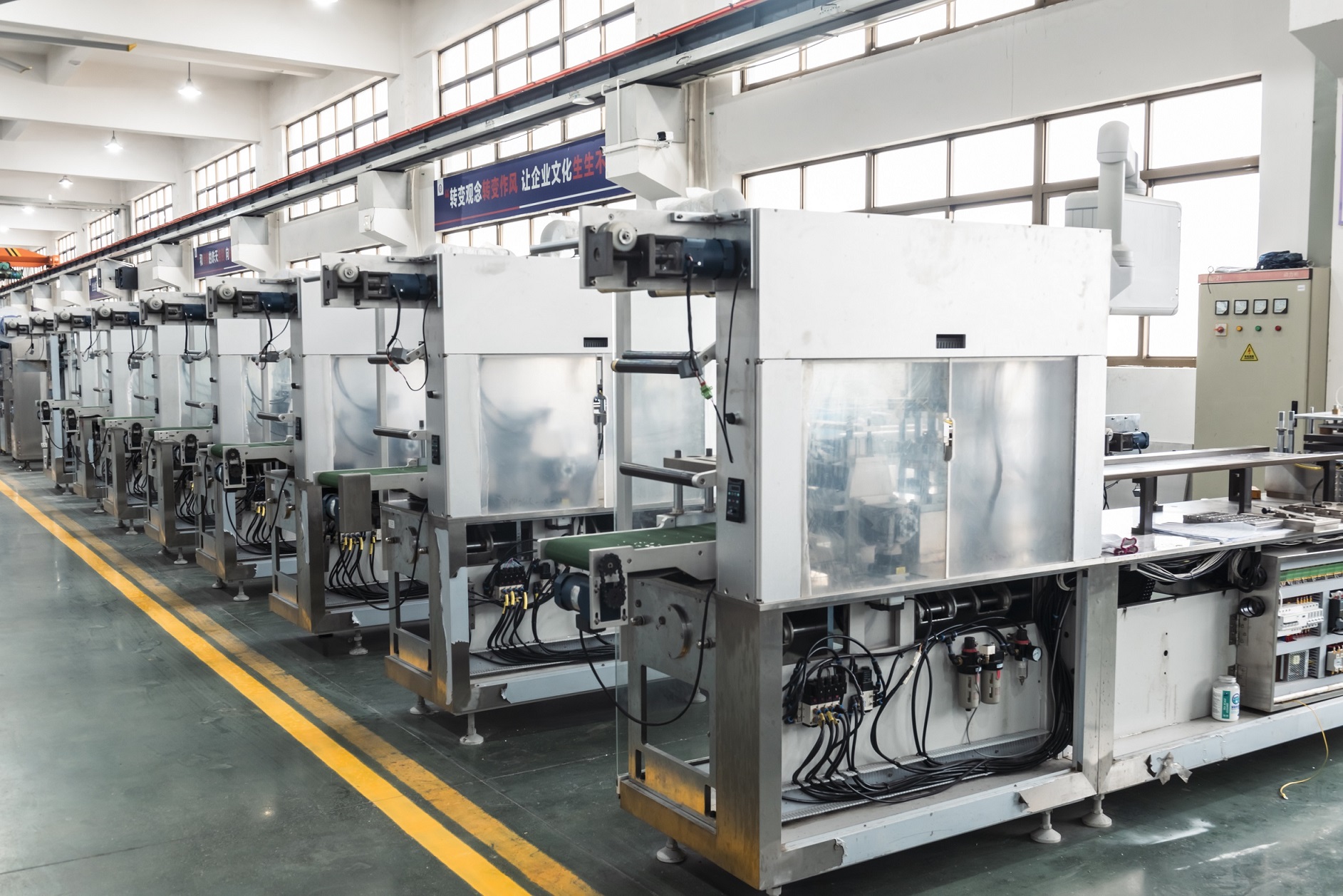
A representative deployment involved a large pharmaceutical manufacturer specializing in solid dosage forms. The project, covering 5 to 10 packaging lines, was designed for new line construction, capacity expansion, and upgrading existing packaging lines. The integrated blister-cartoning lines eliminated manual transfer between blister and carton stages, significantly reducing leaflet insertion errors and improving overall line efficiency. The lines accommodate multiple blister formats and carton sizes with servo-driven changeovers, enabling the manufacturer to respond quickly to market demand shifts.
Market Trend Analysis
The global pharmaceutical packaging equipment market was valued at approximately USD 10.71 billion in 2024, with Asia Pacific holding the largest revenue share of 40.7% in 2025 (Grand View Research). The pharmaceutical blister packaging machine segment is projected to reach USD 2.57 billion by 2025 (Custom Market Insights). Regulatory pressures, such as the EU Machinery Directive 2006/42/EC and GMP guidelines (ISO 15378), push manufacturers toward integrated, compliant packaging lines. While top-three global players (Uhlmann, IMA, Marchesini) hold about 29% market share, regional OEM suppliers like HOPING provide cost-effective, flexible alternatives with comparable certifications and full customization.
Comparison with Traditional Solutions
Traditional semi-automatic or standalone blister and cartoning machines require manual product transfer, multiple operators, and separate quality checks. HOPING’s integrated lines reduce operator intervention, improve OEE, and enable single-vendor responsibility for line performance. One honest limitation: lead time typically ranges from 60 to 120 days after technical confirmation, which can be longer than purchasing standard standalone machines. However, the integration eliminates re-engineering costs at the buyer’s site and shortens overall project delivery.
Future Outlook
As regulatory demands for serialization, tamper-evidence, and full-line data traceability increase, integrated lines will become the standard for medium-to-high-volume solid dosage production. HOPING’s roadmap includes deeper robotic integration (e.g., IRB24 intelligent transfer robot already deployed in DHL700 models) and expanded connectivity to MES/WMS systems, further reducing manual intervention and enabling Industry 4.0 readiness.
Frequently Asked Questions
What customization services does HOPING offer?
What is the minimum order quantity and typical lead time?
Does HOPING have certifications for pharmaceutical packaging?
Can the blister line handle Alu-Alu (cold-formed) blister packaging?
What quality control procedures does HOPING follow before shipment?
What after-sales support is provided?
For detailed technical specifications and configuration options, download the HOPING Machinery Catalog.