
Custom Rigid Box Production: Key Capabilities for Buyers
Custom rigid boxes are pre-assembled, thick-walled packaging containers that retain their structure during transport, display, and unboxing. They differ from folding cartons in that they are not designed to be flattened after use, which gives them a heavier tactile presence and a stronger product-protection profile. This format is widely used for jewellery, watches, perfume, cosmetics, apparel, gift packaging, electronics, PR boxes, and corporate or promotional packaging, where the box itself carries brand value.
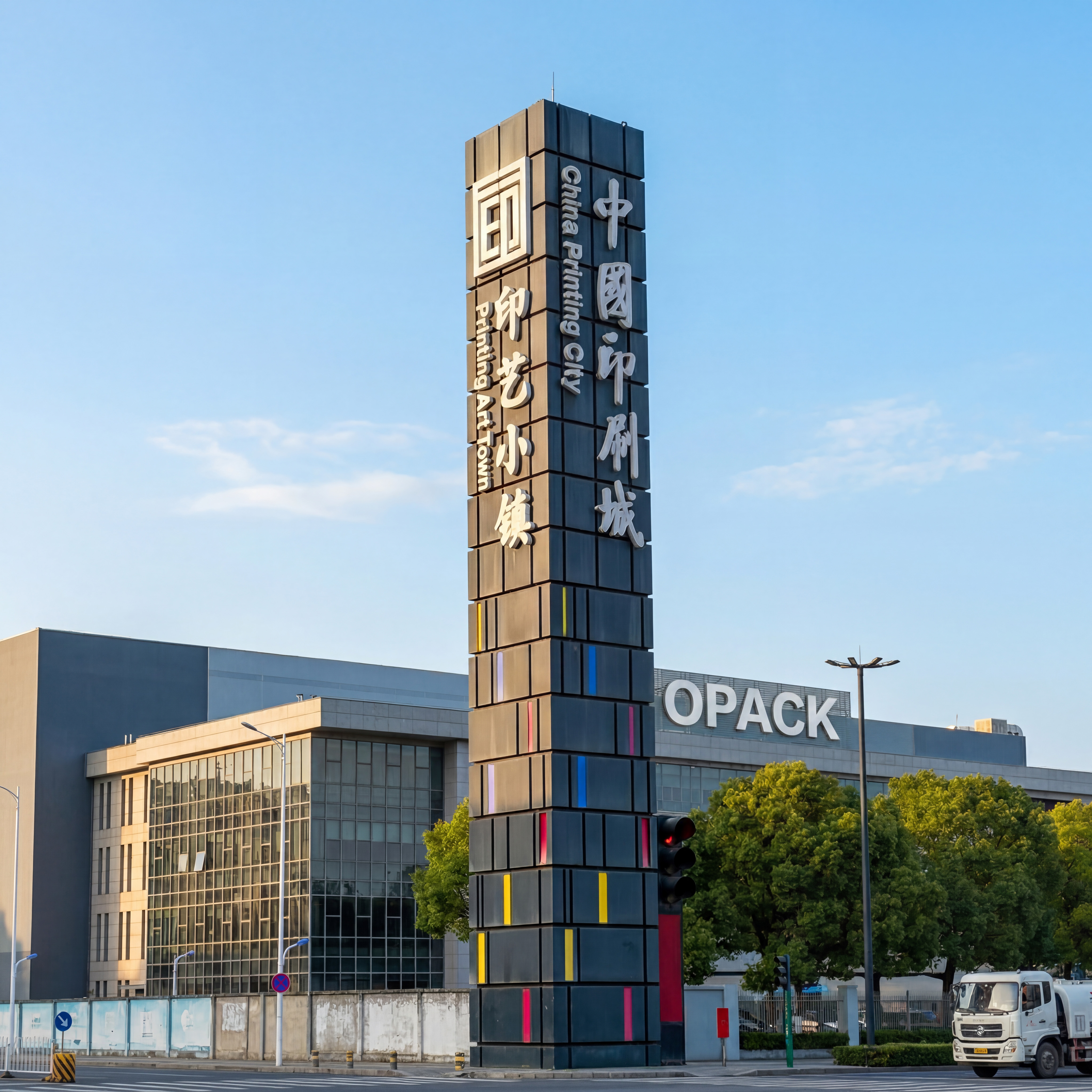
Opack is a custom packaging manufacturer based in Longgang, Wenzhou, Zhejiang Province, China, a production area known as China's Printing City. The company was founded in 2010 and operates a 10,000 m² factory with an annual output of 10,000,000 units. Its product portfolio includes custom rigid boxes, custom shopping bags, custom folding cartons, and custom mailer boxes. Approximately 80% of production is exported to the EU, US, and Middle East markets. For procurement teams comparing packaging suppliers, Opack's published production parameters offer a practical reference for what a rigid box supplier can actually deliver.
Why Production Capability Is the First Filter
When packaging is customised, the buyer verifies not only the visual sample but also whether the supplier can reproduce that visual output at scale with documented options. Several factors make capability assessment an essential first step. First, the expected growth of the rigid box market indicates that premium packaging demand is expanding: Global Market Insights estimates that the global rigid boxes market will grow from USD 31.2 billion in 2025 to USD 48.9 billion by 2035. Grand View Research notes that the rigid box segment within the broader corrugated and paperboard market is expected to expand at a 9.2% CAGR from 2026 to 2033, driven by e-commerce and premium packaging needs. Behind those figures, Asia Pacific accounted for 48.2% of global rigid packaging revenue in 2023, confirming the role of Asian manufacturing platforms in premium packaging supply chains. In parallel, non-corrugated box exports under HS Code 481920 have become a major sourcing category, with China as a primary global supplier according to UN Comtrade data. These market signals push buyers to identify suppliers that can deliver consistent batch-to-batch results.
Opack Rigid Box Models: Configuration Options
Opack structures its rigid box offering around nine reference models: RB-C01, RB-G02, RB-M03, RB-L04, RB-B05, RB-O06, RB-T07, RB-D08, and RB-W09. Each reference model is adapted to the customer's specific size, structure, and internal design requirements. The full parameter range is summarised below.
| Category | Available Options |
|---|---|
| Base Material | Grey board or MDF; thickness customisable |
| Wrapping Paper | Coated paper, kraft paper, specialty paper, textured paper, white paperboard |
| Printing | CMYK printing, Pantone printing, UV printing, offset printing, screen printing |
| Finishing | Hot stamping, spot glossy UV, soft touch lamination, holographic foiling, embossing, debossing, matte lamination, gloss lamination |
| Structure | Foldable / magnetic closure / ribbon closure |
| Insert Options | Foam, paperboard, EVA, plastic tray, corrugated cardboard, silk |
| Size | Fully customisable based on product requirements |
| Certification | FSC Chain of Custody (COC), certificate no. GFA-COC-005690 |
The significance of this parameter system is that buyers can specify different structural routes and finishing combinations for different product SKUs under one supplier, rather than introducing multiple packaging vendors for a single brand line.
Printing and Finishing in Practice
Printing choices cover five methods: CMYK printing, Pantone printing, UV printing, offset printing, and screen printing. These methods differ in colour precision, speed, texture, and cost. Pantone printing is commonly used when a brand colour must be reproduced consistently, while UV printing adds an additional glossy layer to the surface. Finishing options such as hot stamping, spot glossy UV, soft touch lamination, holographic foiling, embossing, debossing, matte lamination, and gloss lamination control the final visual and tactile character of the box. Matte lamination reduces reflection and creates a smooth feel; spot UV adds a bright contrast on selected areas; embossing and debossing introduce depth into flat printed regions. Procurement teams typically confirm the finishing set during sampling so that the approved visual direction can be carried into mass production.
Structure Options and Inserts
At the structural level, custom rigid boxes can be configured in three directions: foldable rigid boxes, magnetic closure boxes, and ribbon closure boxes. A foldable rigid box is relevant for logistics-sensitive projects because the box can be shipped flat or partially assembled, reducing inbound storage volume and improving container utilisation. Magnetic closure boxes provide a firm opening motion and are often specified for jewellery, watches, and high-end cosmetics. Ribbon closure boxes reinforce the gift-giving moment and are frequently used for seasonal or promotional packaging.
Insert choices include foam, paperboard, EVA, plastic trays, corrugated cardboard, and silk. The insert determines how securely the product sits inside the box during transit, and it also shapes the first impression when the lid is opened. Combined insert and structure design is therefore a functional decision as much as a decorative one.
Production Specifications and Order Parameters
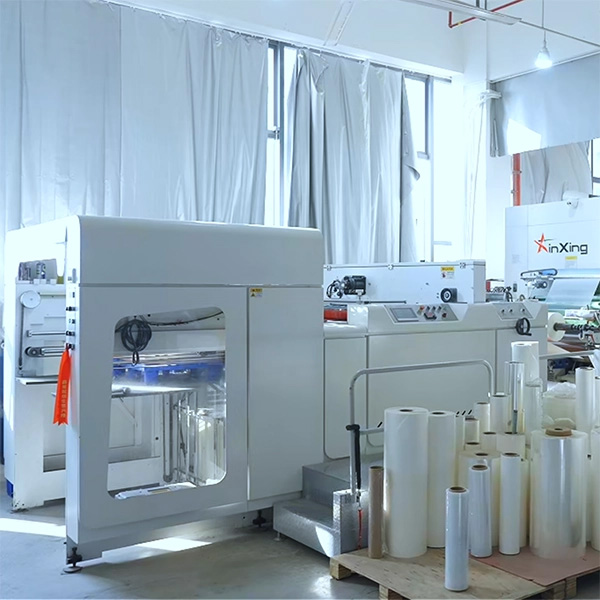
Opack provides custom packaging production services for the rigid box category with the following sourcing parameters. The standard minimum order quantity is 500 units per size and design. Typical production lead time is 12 to 18 days. The factory maintains a monthly production capacity of 1,000,000 units, which supports medium-batch pilot orders and seasonal replenishment without forcing buyers to commit to oversized initial orders. Customisation options include logo, brand name, colour, size, style, finishing, printing method, and material. These parameters are locked at order confirmation, ensuring that mass production follows the same specification as the approved sample.
Quality Control, Inspection, and Commercial Terms
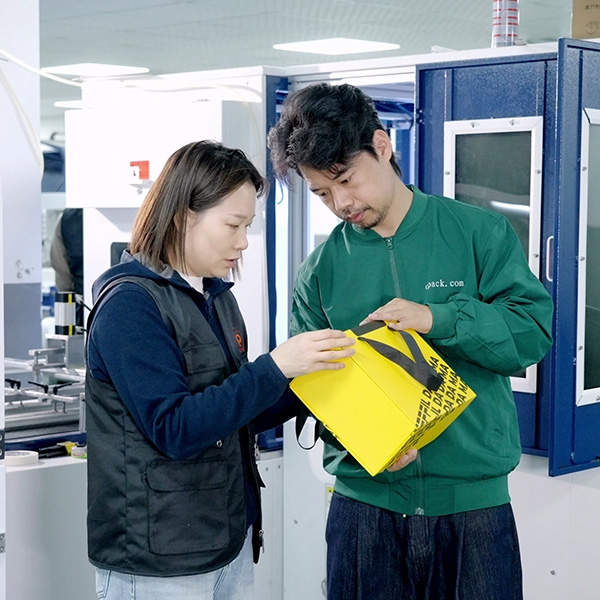
On quality control, Opack requires all products to undergo internal inspection before shipment. Third-party inspections are also welcome on customer request, which gives remote buyers the option to verify product quality and compliance against their own specification during production. Payment terms are stated as 40/60, and delivery methods are available as EXW or FOB depending on customer requirements. Shipping arrangements can be coordinated according to destination and project schedule, providing flexibility for importers who manage their own logistics or prefer the supplier to coordinate at a named delivery point.
After-sales support is available through multiple channels: real-time online chat, WhatsApp, telephone, and official email. This covers post-order communication and the follow-up that procurement teams may need after shipment is arranged.
Use Cases: Matching Rigid Box Capability to Application
Each application places a different weight on the production parameters described above.
- Jewellery and watches prioritise structured inserts such as foam, EVA, or silk to secure high-value items, together with a solid unboxing feel. Magnetic closure boxes are common in this segment.
- Perfume and cosmetics rely on custom printed rigid boxes with strong graphic reproduction, often combining Pantone printing with soft touch lamination or spot UV to match a premium brand surface.
- Apparel and retail frequently use book-style or foldable rigid boxes to balance premium presentation with warehouse efficiency.
- Electronics require customised inserts and box dimensions adapted to fragile product geometry.
- Gift packaging, PR boxes, and corporate promotions often use ribbon closure boxes, hot stamping, or holographic foiling to support seasonal or event-driven messaging.
For procurement teams, mapping these application requirements against a supplier's documented capability range is a more reliable route than selecting solely on design appeal.
Market Trends Affecting Rigid Box Sourcing
Publicly documented market data highlights several trends that sourcing teams should build into their supplier evaluation in 2026.
- Recyclable substrate demand. Paper and paperboard materials account for approximately 55.4% of total rigid box material revenue, according to Future Market Insights, as brands shift toward recyclable fibre-based substrates.
- EU regulatory compliance. The EU Packaging and Packaging Waste Regulation (PPWR) becomes mandatory on 12 August 2026, requiring all packaging to be recyclable and properly labelled.
- Forestry certification as sourcing evidence. Opack holds FSC Chain of Custody certification, certificate number GFA-COC-005690, issued by GFA Certification GmbH under FSC-STD-40-004 (Version 3.0). The scope covers cardboard packaging, paper sacks and bags, adhesive labels, and other pulp and paper products, which aligns with the documentation needs of export buyers in Europe, North America, Australia, New Zealand, and the Middle East.
- China's export role. Custom rigid boxes under HS Code 481920 represent a major export category, with China as a primary global supplier according to UN Comtrade data.
Rigid Boxes Compared with Standard Packaging Alternatives
Compared with folding cartons and mailer boxes, rigid boxes offer a clear advantage in structure: thicker walls, stronger corners, and a more substantial feel in the consumer's hand. For brands that need to convey a premium position, rigid boxes remain the preferred format. The honest limitation is logistics cost. Rigid boxes consume more transport and storage volume than flat-packed folding cartons, which raises per-unit freight cost and reduces pallet density.
Foldable rigid boxes serve as an intermediate option: they preserve the perceived value of a rigid wall box while improving space efficiency in the supply chain. Even so, the manufacturing cost and material weight of a rigid box remain higher than those of a standard folding carton. For high-volume, cost-sensitive shipments that do not require the rigid-box feel, folding cartons are the more economical format. Buyers should treat rigid boxes as a premium-format decision, specified when product positioning justifies the added material and freight cost.
Positioning Within the Global Supplier Pool
The international landscape for custom rigid boxes includes large packaging groups such as Smurfit Westrock, Mondi Group, and Sonoco, as well as specialised rigid box producers such as PakFactory and BorhenPack. For procurement purposes, the practical comparison usually comes down to quantifiable production thresholds: MOQ policy, lead time, printing and finishing coverage, certification documents, and acceptance of third-party inspection. Opack's 500-unit MOQ and 1,000,000-unit monthly capacity place it in a range that supports both pilot batches and regular replenishment programmes, allowing buyers to qualify a single supplier for multiple order sizes.
Future Outlook for Custom Rigid Box Sourcing
The next phase of rigid box sourcing will be shaped by documentation as much as by decoration. As the EU PPWR is enforced from August 2026, recyclability claims will need to be supported by materials data and, where relevant, certification such as FSC COC. Buyers entering the market in late 2026 will likely give greater weight to whether a supplier's certification scope matches their target markets and whether the production line can handle regulatory labelling alongside decorative finishing.
For rigid box manufacturers, the combination of flexible MOQs, mid-scale production capacity, documented quality inspection, and export experience to the EU, US, and Middle East addresses the operational side of this shift. The remaining competitive variable is how accurately a factory can convert a brand's structural and finishing requirements into repeatable, mass-produced output.
FAQ: Sourcing Custom Rigid Boxes from Opack
Buyers can customise logo, brand name, colour, size, style, finishing, printing method, and material at order level. These parameters are confirmed before mass production to keep the output aligned with the approved sample.
Available structures include foldable rigid boxes, magnetic closure boxes, and ribbon closure boxes. Sizes are fully customisable based on the product to be packaged.
The standard MOQ is 500 units per size and design. This applies to rigid gift boxes and custom rigid box orders, allowing medium-batch pilot runs without excessive initial inventory risk.
The typical production lead time is 12 to 18 days, depending on the complexity of the structure, printing, finishing, and insert configuration.
All products undergo internal quality inspection before shipment. Third-party inspections are accepted on customer request to verify product quality and compliance with the agreed specification.
Opack exports to the EU, US, and Middle East markets. These regions account for approximately 80% of the manufacturer's export volume.
Opack holds FSC Chain of Custody certification, certificate number GFA-COC-005690, issued by GFA Certification GmbH under FSC-STD-40-004 (Version 3.0). The scope covers cardboard packaging and paper products.
Payment terms are stated as 40/60. EXW and FOB delivery methods are available based on customer requirements, and shipping can be coordinated according to destination and project schedule.
Address: No. 8-10, Prosperity Road, Longgang City, Wenzhou City, Zhejiang Province, China
Website: https://www.opack.com/ | Email: sales@opack.com
Tel: +86 17366633702 | WhatsApp: +86 15968809016
Download the Company Profile (PDF)