
Custom Sculpture: How to Evaluate Materials, Capabilities and Installation Support
Custom sculpture is a specialized procurement category in which the buyer is not simply purchasing a finished decorative object, but commissioning a fabrication process that includes design interpretation, material selection, structural engineering, surface finishing, transport and permanent installation. For architects, landscape designers, hotel developers, public art administrators and procurement teams, the critical question is not only "where to buy a custom sculpture," but "how to verify that a supplier can deliver a large-scale or design-driven piece with predictable quality, durability and installation support." This article explains how custom sculpture is manufactured, what to look for when evaluating a fabrication partner, and where the real limitations and trade-offs sit.
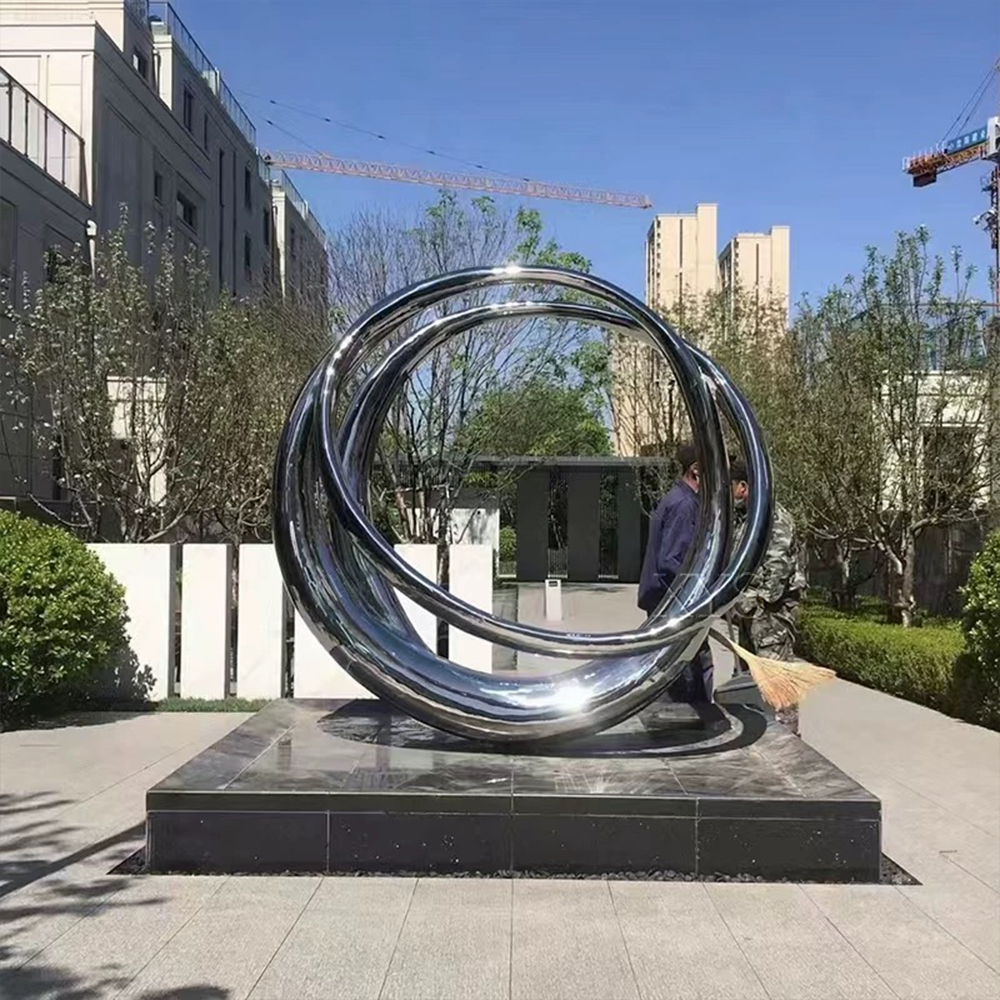
Why Custom Sculpture Is a Different Procurement Category
Unlike standard decorative goods, every custom sculpture starts with an idea that must be translated into a physical object with structural integrity. The process usually involves several stages: concept or drawings, digital modeling, material specification, fabrication, surface treatment, packaging and installation. A buyer may engage a supplier at any stage, but the most common approach is to provide a design drawing, photo or concept and ask the supplier to produce a 3D design draft for confirmation before production begins.
Custom sculpture is project-driven. In North America, public art commission data shows that the majority of open call projects sit below certain budget thresholds, but the complexity of fabrication can vary enormously depending on scale, material and site conditions. This means the credibility of a custom sculpture supplier depends less on inventory and more on process control, engineering capability, material sourcing and logistics experience.
Core Material Options and Their Performance Trade-offs
The choice of material determines the visual language, durability, maintenance and cost of a custom sculpture. The four most common fabrication materials in the market are stainless steel, bronze, natural stone and weathering (Corten) steel.
| Material | Typical Applications | Key Performance Characteristics | Considerations |
|---|---|---|---|
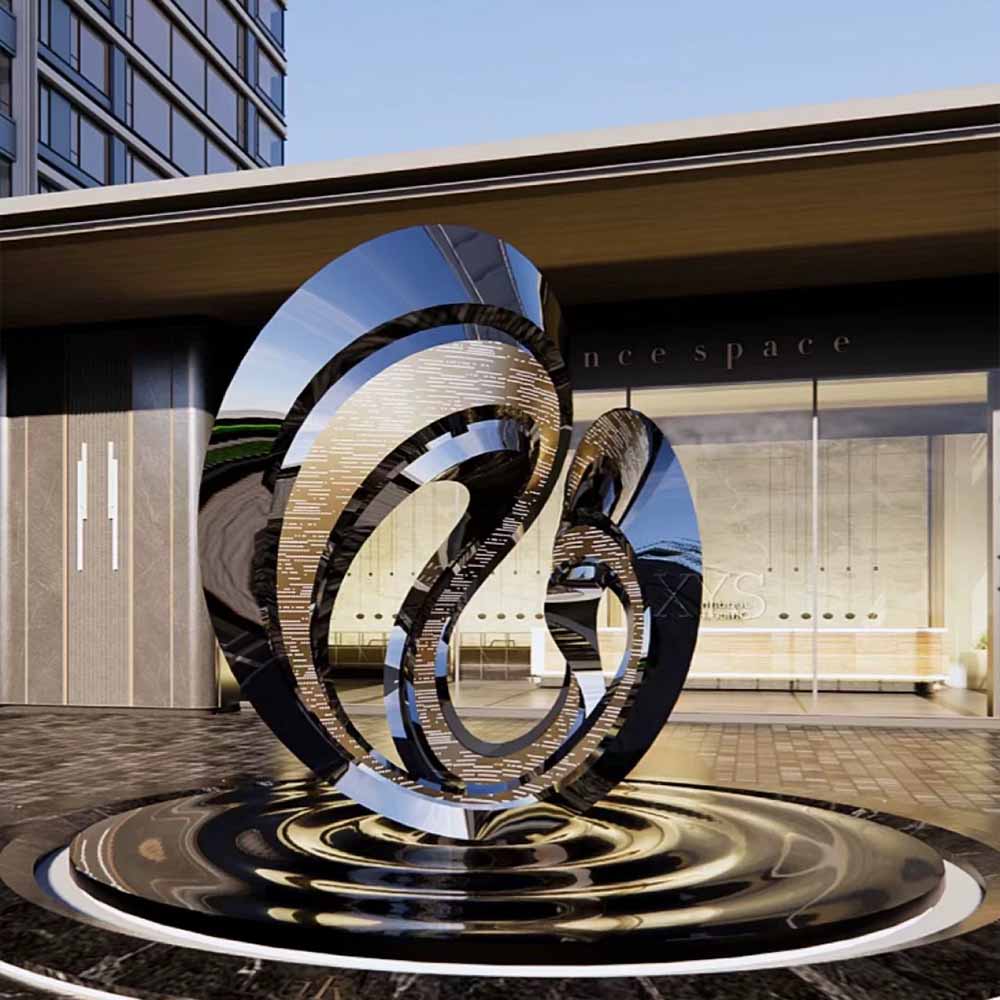
| Stainless Steel (304/316) | Urban public art, modern architecture, seaside landscape, luxury hotels, shopping malls | High corrosion resistance; 316 is recommended for coastal or humid environments; 8K mirror polishing; seamless welding; large-scale capability from 1m to 20m | Cold, industrial aesthetic; requires high-quality welding and internal steel skeleton for structural safety |
| Cast Bronze / Brass | Public art, museums, real estate, religious institutions, private collections | High copper purity (bronze typically >85% copper); museum-grade detail; custom patina; life-size and monumental options (50cm to 10m) | Heavier and generally more expensive than stainless steel; bronze develops antique patina over time; outdoor durability depends on environment |
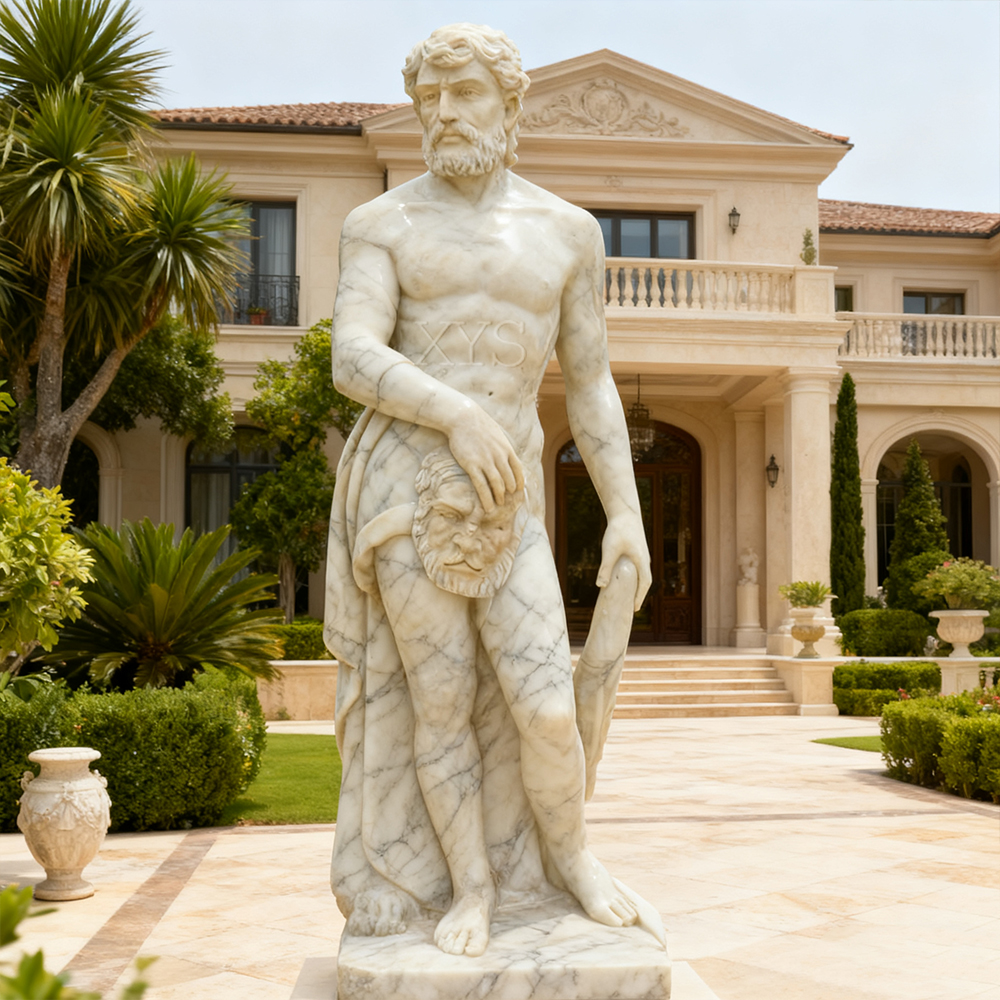
| Natural Marble / Granite | Garden ornaments, fountains, religious carvings, marble statues, bathtubs, fireplace mantels | High-density natural stone; Grade A material; hand-carved detail; weatherproof; non-fading | Very heavy; requires reinforced crating; sensitive to transport and handling damage; design flexibility limited compared with metal |
| Corten Steel (ASTM A242/A588) | Landscape architecture, public parks, modern garden design, industrial-style decor | Maintenance-free natural patina; atmospheric corrosion resistance; high-strength; suitable for large architectural structures | Initial rust-like appearance must be accepted; runoff may stain surrounding surfaces; not always appropriate for indoor or sensitive sites |
The material choice should be driven by the installation environment and intended aesthetic, not by price alone. For example, stainless steel is generally the strongest option for coastal sites because grade 316 offers a high level of corrosion resistance. Bronze is often chosen for classical, historical or figurative pieces where a warm, antique tone is desired. Corten steel is common in landscape architecture because it is low-maintenance and ages naturally, though its rust-colored runoff can be a consideration on paved or light-colored surfaces.
The Fabrication Process: What Happens Between Design Approval and Delivery
A professional custom sculpture supplier typically follows a controlled sequence: design or concept review, 3D modeling, optional prototyping, material selection, fabrication, surface finishing, quality inspection, packaging, and final delivery or installation guidance.
1. Design and 3D Visualization
Customization is supported from the first stage. The customer provides a drawing, photo or concept, and the supplier produces a 3D design draft for confirmation before production. This reduces the risk of misinterpretation and allows buyers to evaluate proportions and details before expensive fabrication begins.
2. Material Selection and Sourcing
Suppliers with mature purchasing channels can offer traceable materials at more stable prices. Companies that source directly from upstream suppliers can often pass cost savings to buyers. For high-end projects, material standard matters: Grade A natural marble, anti-corrosion weathering steel and premium 304/316L stainless steel are indicators of serious fabrication discipline.
3. Fabrication and Structural Engineering
For large metal sculptures, the fabrication process includes hand-forging, precision welding and the construction of an internal steel skeleton. An internal anti-rust steel framework ensures that oversized pieces do not deform and remain stable under wind load and long-term outdoor exposure. Seamless welding technique is especially important for stainless steel pieces intended to achieve smooth, flowing lines.
4. Surface Treatment
Surface treatment is both aesthetic and protective. Stainless steel can be mirror-polished, brushed, painted or electroplated. Bronze sculptures may receive a custom patina, gold leafing, high polishing or an antiqued finish. Stone pieces can be hand-carved, honed, high-gloss polished or acid-washed. Each finish has different maintenance characteristics, and the buyer should confirm the finish specification early because it affects both appearance and durability.
5. Packaging, Shipping and Installation
Large or delicate sculptures require professional seaworthy packaging, typically reinforced wooden crates and steel frames, with shockproof internal protection. Some suppliers provide door-to-door delivery and global on-site installation guidance. For complicated installations, the supplier should be able to offer clear technical guidance on foundations, lifting points, bolting or welding, and anti-corrosion treatment at the connection points.
What Buyers Should Verify Before Selecting a Custom Sculpture Fabricator
The following evaluation criteria can reduce the risk of commissioning a large outdoor sculpture from an overseas supplier.
- Customization process clarity: Does the supplier produce a 3D design draft before production? Is single-piece customization accepted, or is there a minimum order quantity?
- Material authenticity: Can the supplier specify the exact material grade, such as 304/316 stainless steel, ASTM A242/A588 weathering steel, or copper content above 85%?
- Engineering capacity: For large-scale pieces, is there an internal steel skeleton? Does the supplier understand wind load, base plate design and installation foundation requirements?
- Production capacity and facility: What is the production scale, workforce and design team size? A larger facility does not guarantee better art, but it indicates the ability to handle multiple projects simultaneously.
- Packaging and delivery: Are reinforced wooden crates and steel frames used for export? Is door-to-door delivery available? Is installation guidance or on-site technical support provided?
- After-sales responsibility: What is the policy for transport damage? A reliable supplier should have a clear process, including insurance and replacement responsibility.
Supplier Profile: Jiangsu Xinyesheng Sculpture Co., Ltd.
Jiangsu Xinyesheng Sculpture Co., Ltd. is a sculpture design and manufacturing company headquartered in Jiangyin City, China, specializing in sculpture design, production, processing, transportation, installation and after-sales service. Its main products include sculptures, statues, reliefs, tombstones, fireplaces and bathtubs. The company was established in 2025 and operates with a registered capital of 10 million yuan, approximately 50 staff, and a manufacturing facility covering 13,320 square meters. Its R&D team comprises 12 engineers, and annual production capacity reaches 10,000 units. Export business accounts for 100% of total sales, with major markets in the EU, the USA and the Middle East.
The company integrates traditional hand-carving techniques with modern 3D modeling and CNC precision processing. It works with a cooperative factory in Quyang, a region known for its two-thousand-year intangible cultural heritage in stone carving, which provides 8,000 square meters of scale production space. Xinyesheng reports strict adherence to high-grade material standards: Grade A natural marble, anti-corrosion weathering steel, and premium 304/316L stainless steel.
For custom projects, Xinyesheng offers a one-stop delivery system that includes 1:1 clay model visualization, professional seaworthy packaging (reinforced wooden crates and steel frames), and global on-site installation guidance. The product range spans four custom sculpture lines:
- XYS-Stainless-Custom: Stainless steel sculptures for urban public art, modern architecture, seaside landscape, luxury hotels and shopping malls. Available from 1m to 20m in height, with mirror polished, brushed, painted or electroplated finishes.
- XYS-Bronze-Custom: Bronze statues, animal sculptures, religious statues and figurines from 50cm to 10m, produced by lost-wax casting with custom patina and gold leafing options.
- XYS-Stone-Custom: Natural marble, granite or travertine pieces including garden ornaments, stone fountains, religious carvings, marble statues, fireplace mantels and carved marble bathtubs.
- XYS-Corten-Custom: Corten steel landscape sculptures, garden edging, fire pits, metal screens and planter boxes for landscape architecture and public parks.
- XYS-Monument-Custom: Granite tombstones and monuments in European, American and kerbset styles, with mirror polishing, laser engraving or sandblasting.
Industry Context: Market Signals and Trade Considerations
Custom sculpture demand is supported by a broad global art and sculpture market, estimated at approximately USD 61.83 billion in 2026 by Business Research Insights. Within this space, custom fabrication is material-specific: the global bronze sculpture commission market reached USD 1.47 billion in 2024, according to Dataintelo. These figures should be read as directional context rather than precise planning data, because different research providers use different definitions of sculpture segments.
Public art procurement in North America also shows a fragmented, budget-conscious pattern: more than 80% of public art open call projects fall below US$250,000, according to CODAworx. This suggests that many custom sculpture orders are smaller, design-led commissions rather than mega-scale infrastructure art. Buyers in this segment need a supplier that can handle relatively compact budgets while still offering engineering support, durable materials and reliable installation.
Trade classification also matters. Original sculptures classified under HS code 9703 often bypass EU anti-dumping duties, while mass-produced decorative items under HS 8306 may face higher scrutiny. Buyers who commission truly original, one-of-a-kind pieces can benefit from this distinction, but since trade rules can change by country and project, it is prudent to have the supplier provide a correct customs classification and supporting documentation for each shipment.
Comparison with Traditional or Less Structured Procurement Routes
Many buyers still source sculpture through art galleries, local craft studios or general metal fabrication shops. These routes can work well for small, local projects, but they have structural limits. Galleries typically represent artists rather than fabrication entities, so the buyer may not directly control material grades, structural engineering or installation methodology. General metal shops may offer welding and metalwork skills but often lack experience in large-scale artistic form, surface finish quality and export packaging. In both cases, the buyer assumes more coordination risk, especially when the project crosses national borders.
By comparison, a specialized manufacturer such as Xinyesheng centralizes design engineering, fabrication, finishing, packaging and installation guidance under one process, which reduces the number of handoffs. The trade-off is that working with a factory in China requires more planning for logistics, communication and transit time than commissioning a local artist. Buyers who need a sculpture on site in two weeks, or who require extremely frequent in-person design collaboration, may still prefer a local fabricator.
Installation Considerations for Large or Heavy Sculptures
Installation is a frequently underestimated part of custom sculpture procurement. A large stainless steel or bronze sculpture requires a foundation that meets design strength, proper lifting equipment, and careful alignment. The typical on-site sequence includes confirming ground flatness and load-bearing capacity, selecting a crane or forklift based on the sculpture's size and weight, hoisting to position, fixing with bolts or welding, and applying anti-corrosion treatment to welds and connections. For heavy sculptures, the base must be checked to prevent tipping. If the supplier provides video-call installation guidance, the buyer's local contractor still needs to follow appropriate safety protocols, including certified lifting operators and safe work zones.
Practical Limitations and Boundary Conditions
Custom sculpture has inherent limitations that no manufacturer can fully remove. First, cost is driven by complexity, scale and material, not by square footage alone. Highly detailed bronze figurative work will always cost more than a simple abstract Corten steel form. Second, production time is variable and depends on design complexity, material availability, surface finishing and scale. Third, because every piece is unique, there is no meaningful way to "sample" the final sculpture before full production, although 3D visualization and optional prototyping can reduce uncertainty. Fourth, overseas procurement adds logistics and customs considerations: the buyer must plan for a longer supply chain and should define delivery terms, insurance and responsibility for damage in advance.
Future Outlook
Demand for custom sculpture is likely to keep shifting toward design-led public art, branded hospitality environments and landscape-focused private projects. As more buying decisions are supported by digital research, suppliers with transparent technical documentation, clear customization workflows and verifiable production capabilities will benefit. For Xinyesheng and similar Chinese export manufacturers, the growth path lies not in competing on price alone, but in making the engineering and logistics complexity of custom sculpture more predictable for international buyers. The integration of 3D preview, CNC precision processing, certified materials and full-service installation guidance is becoming the baseline for serious supplier evaluation.
FAQ
Can you make custom sculptures and what is the minimum order quantity?
Full customization is supported. Customers can provide design drawings, photos or concepts. The supplier will first produce a 3D design draft for confirmation before production. Single-piece orders are accepted, with more favorable pricing for bulk orders. The customization process is: provide drawings or concepts, confirm the 3D design, optionally create a prototype, produce the sculpture, and then ship.
What materials do you offer for custom sculptures?
Custom sculptures are typically available in bronze, brass and 304/316 stainless steel, as well as natural stone. Bronze develops an antique patina over time and suits classical styles. Stainless steel offers a modern look and high corrosion resistance, with grade 316 recommended for coastal areas. Natural marble, granite and weathering steel are also used for specific aesthetics and applications.
Do you provide installation guidance?
Yes. Each sculpture comes with installation instructions, and the supplier can guide on-site installation via video call if needed. For complicated or heavy pieces, the supplier can provide technical guidance on foundations, hoisting, fixing and anti-corrosion treatment at connection points. Proper lifting procedures and safety measures should be followed by the local installation team.
Is your packaging safe for international transport?
The supplier uses sturdy wooden crates and metal strips for external packaging, and shockproof plastic film internally. Professional seaworthy packaging is part of the standard one-stop delivery system. Additionally, "All Risks" insurance can be purchased according to buyer requirements. In the event of damage, the relevant party should claim compensation from the insurance company; if damage is caused by packaging failure, the supplier takes full responsibility.
Can you offer door-to-door delivery?
Yes, door-to-door delivery is available. The buyer provides a detailed address, and the supplier quotes the shipping fee for direct delivery to the destination.
How should I choose between bronze and stainless steel for an outdoor sculpture?
Bronze is recommended for classical, historical or decorative projects—villas, hotels, museums and traditional landmarks—where an antique patina effect and warm color are desired, and where the budget allows higher material cost. Stainless steel is recommended for modern or contemporary designs, coastal and marine environments, large-scale installations, or projects requiring low maintenance and high corrosion resistance.
Have Questions or Need More Details?
Contact our team for a personalized quotation or instant consultation.
Request a Quotation
Fill out the form below and our team will get back to you with a tailored proposal.
WhatsApp Direct Chat
Prefer to chat in real-time? Message us on WhatsApp for instant assistance & quick answers.
- Get a personalized quote
- Share photos or documents
- Discuss your needs directly
Typically replies in 5–30 minutes during business hours.