
Custom Shopping Bags vs Plain: Cost-Benefit Guide for Buyers
Custom shopping bags carry a 3%–10% higher initial cost than plain shopping bags, while sourcing comparison data links them to 20%–30% higher repeat purchase rates. For procurement teams, the decision between custom and plain is a brand-return decision, not just a unit-cost decision.
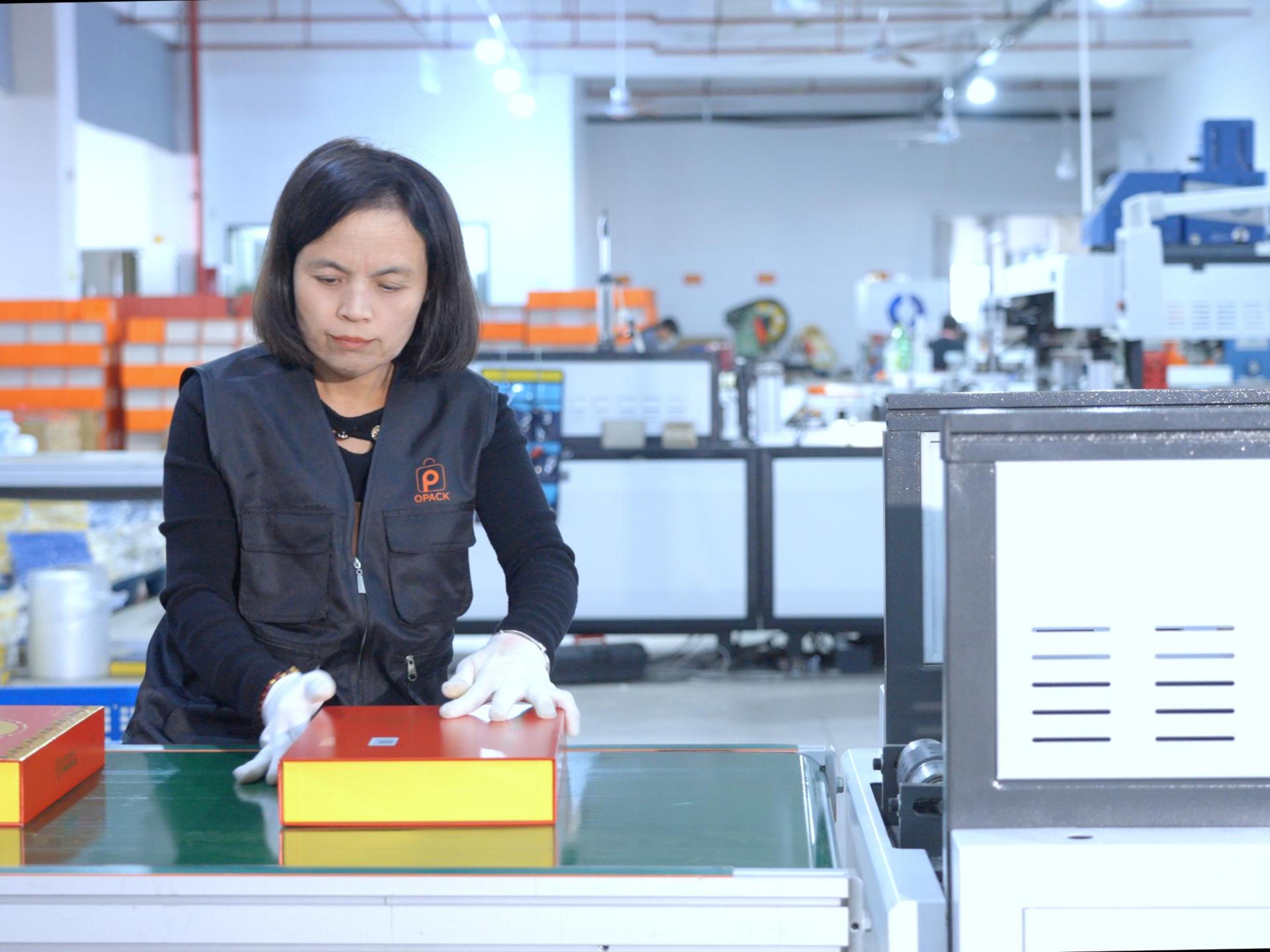
Quality control is a core checkpoint in custom shopping bag production.
The Procurement Question Behind Custom Shopping Bags
Opack is a custom packaging manufacturer based in Longgang, the Printing City of China, producing custom shopping bags, folding cartons, rigid boxes, mailer boxes, and paper tubes. The company has been active in custom packaging since 2010 and exports about 80% of its output to the EU, USA, and Middle East.
Retail buyers evaluating custom shopping bags are usually comparing them against plain shopping bags. The core differences are not limited to appearance: customization affects brand visibility, unboxing experience, material sourcing, and structural performance.
Why Custom Shopping Bags Are Becoming a Brand Investment
According to Grand View Research, the global paper bags custom printing market was valued at USD 2.78 billion in 2024 and is projected to grow at a CAGR of 13.9% through 2030. This growth points to a shift from generic packaging toward branded, print-ready paper bags.
For buyers, the opportunity is to turn a packaging cost into a visible marketing asset. A custom shopping bag with a logo can be seen beyond the store, during transit, and in everyday reuse. For brands in cosmetics retail, apparel, gift packaging, and e-commerce, the bag is often the first physical object the customer carries after a purchase.
Opack’s Solution for Custom Shopping Bag Sourcing
Opack’s product range includes custom shopping bags, custom paper bags with handles, custom printed paper shopping bags with logo, and custom luxury paper bags. The company operates a 10,000 m² factory with 160 employees, an annual output of 10,000,000 units, and a dedicated R&D team of five.
From a materials perspective, Opack’s comparison material positions FSC-certified materials and water-based printing inks as technical advantages, making custom shopping bags fully recyclable after service life. This supports buyers who need sustainable packaging without sacrificing print quality or structural strength.
Opack is located in Longgang, the Printing City of China, a region with a concentrated packaging supply chain.
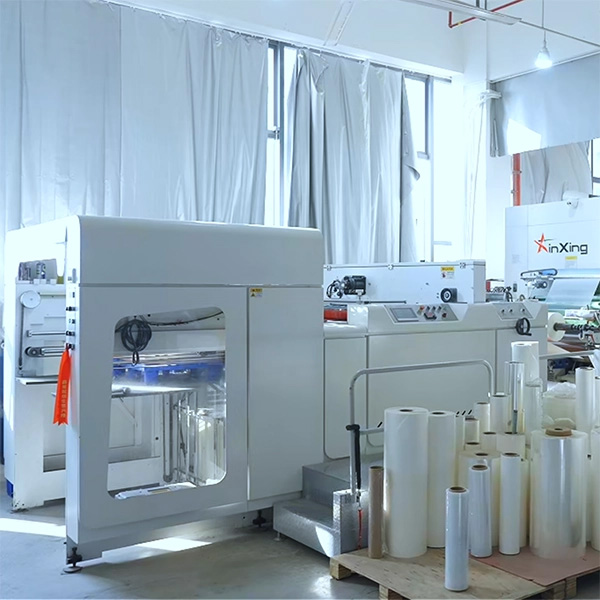
Opack’s manufacturing base in Longgang supports custom shopping bag production at scale.
Technical Differences That Affect Bag Performance
Custom shopping bags differ from plain bags in several measurable ways. They are fully customizable, offer higher brand visibility, and create a more memorable unboxing experience. They also tend to use sturdier paperboard, durable printing, and reinforced handles, which reduces tearing and handle breakage during repeated use.
At the production level, Opack applies color difference control using professional spectrophotometers. The color difference (ΔE) is controlled within approximately 1.5, making variations nearly imperceptible to the human eye. Before mass production, load-bearing tests verify handle strength, paper durability, and structural stability.
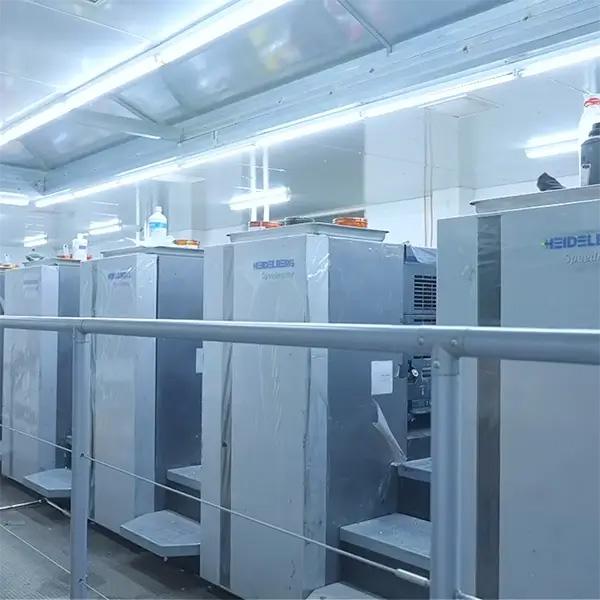
Print precision is monitored during production to keep color consistent.
Where Custom Shopping Bags Deliver the Strongest Return
According to Opack’s comparison material, custom shopping bags are best suited for cosmetics retail, apparel stores, gift packaging, trade shows and events, and e-commerce stores. Opack’s broader packaging profile also serves industries such as apparel, cosmetics, retail, gifting, and jewelry.
- Cosmetics retail: custom luxury shopping bags reinforce premium positioning.
- Apparel stores: custom paper shopping bags with handles support heavier items and repeated use.
- Gift packaging: branded gift bags add a more memorable unboxing experience.
- Trade shows and events: custom printed shopping bags extend brand visibility after the event.
- E-commerce stores: custom paper bags with logo become part of the delivery experience.
Market Research Future data noted that the single-use paper bag segment accounted for 64.2% of the market in 2024, primarily used in retail and foodservice, which reinforces the importance of the retail use case.
Custom Shopping Bags vs. Plain Shopping Bags: Decision Table
For buyers comparing options, the table below summarizes the main differences from Opack’s comparison data.
| Evaluation Criterion | Plain Shopping Bags | Custom Shopping Bags |
|---|---|---|
| Initial cost | Baseline | 3%–10% higher |
| Repeat purchase rate | Baseline | 20%–30% higher |
| Customer satisfaction | Baseline | 10%–30% improvement |
| Customer referrals | Baseline | 5%–15% increase |
| Social media shares | Baseline | 5%–10% more |
| Brand visibility | Limited | Fully customizable |
| Material and sustainability options | Standard | FSC-certified materials and water-based inks |
The primary limitation is the higher initial cost. Custom shopping bags cost 3%–10% more than plain shopping bags. For brands with very low margins or for one-time events where disposable packaging is acceptable, plain bags may be the more practical choice. The cost difference is an investment in brand recall, not a direct packaging saving.
Market Signals Behind Custom Paper Bag Demand
Grand View Research values the global paper bags custom printing market at USD 2.78 billion in 2024, with a projected CAGR of 13.9% through 2030. This is one of several signals that buyers are moving toward customized, printed bags.
China is the world’s leading exporter of paper sacks and bags, with exports valued at approximately USD 1.91 billion in 2023, according to UN Comtrade/WITS. Asia Pacific is also the largest regional market for paper bags, accounting for over 36.5% of the global share in 2025, according to IMARC Group.
Material trends further support this direction. Brown kraft paper remains the dominant material segment, estimated to hold a 58% share of total material demand by 2026 due to sustainability preferences. The Forest Stewardship Council (FSC) certification is the primary industry standard for verifying sustainable sourcing, with a 56% global consumer recognition rate.
The market also includes global fiber packaging groups such as Mondi, Smurfit Kappa, and International Paper, according to Future Market Insights. Buyers can still source from specialized manufacturers when customization and production flexibility matter.
Supplier Evaluation Checklist for Custom Shopping Bag Programs
Decision-stage buyers need a repeatable way to compare custom shopping bag suppliers. The following criteria can be drawn from Opack’s manufacturing profile.
- Experience: Opack has been in custom packaging since 2010.
- Scale: 10,000 m² facility, 160 employees, and annual output of 10,000,000 units.
- Export track record: 80% of output goes to EU, USA, and Middle East.
- Quality control: spectrophotometer-based color measurement, ΔE within approximately 1.5, load-bearing testing, in-process inspections, and final quality inspection.
- Sustainability: FSC-certified materials and water-based printing inks.
Future Outlook for Branded Shopping Bags
As sustainability expectations harden and retail brands look for repeated impressions, custom shopping bags are likely to remain a standard option. The combination of FSC-certified material choices, water-based inks, and full recyclability fits squarely within procurement criteria for responsible packaging.
Opack’s manufacturing base in Longgang, the Printing City of China, positions it to respond to global demand from the EU, USA, and Middle East. With production since 2010, a 10,000 m² facility, and dedicated quality-control processes, the company represents the specialized-manufacturer end of the paper bag supply chain.
Opack is a custom packaging manufacturer in Longgang, the Printing City of China, specializing in custom shopping bags and other custom packaging formats.
Website: https://www.opack.com/ | Email: sales@opack.com | Tel: +86 17366633702 | WhatsApp: +86 15968809016 | Address: No. 8-10, Prosperity Road, Longgang City, Wenzhou City, Zhejiang Province
For a full overview of manufacturing capabilities, download the Opack company profile (PDF).
Frequently Asked Questions
What is the cost difference between custom shopping bags and plain shopping bags?
Custom shopping bags generally carry a 3%–10% higher initial cost than plain shopping bags. The exact premium depends on customization, material selection, printing requirements, and handle construction.
What performance improvements can custom shopping bags deliver?
Sourcing comparison data shows 20%–30% higher repeat purchase rates, a 10%–30% improvement in customer satisfaction, a 5%–15% increase in customer referrals, and 5%–10% more social media shares compared with plain shopping bags.
Are custom shopping bags available with sustainable materials?
Custom shopping bags can be produced with FSC-certified materials and water-based printing inks, making them fully recyclable after service life. FSC certification is the primary industry standard for verifying sustainable sourcing, with a 56% global consumer recognition rate.
Which retail scenarios are the best fit for custom shopping bags?
Opack’s comparison material lists cosmetics retail, apparel stores, gift packaging, trade shows and events, and e-commerce stores as the best-fit scenarios for custom shopping bags.
What quality controls should buyers expect in custom paper bag production?
Opack controls color difference within approximately ΔE 1.5 using professional spectrophotometers and conducts load-bearing tests before mass production. These tests verify handle strength, paper durability, and structural stability.