
Custom Tin Box Manufacturing at Scale: JINGLI CAN's OEM Capabilities Across Industries
Industry Context: The Demand for Custom Metal Packaging
The global metal packaging market was valued at USD 148.13 billion in 2024, with food and beverage applications accounting for 57.36% of that share (Fortune Business Insights, 2024). As brands increasingly pursue product differentiation, sustainability, and shelf appeal, the need for custom tin box packaging has surged. Yet sourcing tailored, high-quality tin containers at scale from a single, reliable factory remains a central challenge for procurement teams moving from evaluation to execution.
Problem/Opportunity: Bridging the Gap Between Scale and Customization
Traditional tin box factories often fall into two categories: small workshops with limited capacity and certification, or large multinationals that impose high minimum order quantities and rigid production lines. Industrial buyers seeking OEM–ODM flexibility—whether for chocolate tins, pharmaceutical tins, or cosmetic containers—frequently face trade-offs between cost, quality, and delivery. The opportunity lies in a factory that combines massive output with the agility to handle diverse, industry‑specific packaging requirements.
Brand Solution: Introducing Dongguan City Jingli Can Co., Ltd
Dongguan City Jingli Can Co., Ltd is a professional manufacturer of tin packaging, integrating R&D, production, marketing, sales and service. Founded in 1999, the company operates a 150,000 m² facility with a workforce of 2,000 employees, producing an annual output of 1.8 billion pieces. With an export ratio of 70% to Europe, America, and Asia, JINGLI CAN has positioned itself as a major OEM partner for global brand owners. The factory in Vinh Phuc Province, Vietnam, covers 17,500 m² and maintains a daily production capacity of 600,000 pieces. It keeps a regular stock of 30,000 tons of tinplate to ensure stable delivery, backed by certifications including ISO9001, ISO14001, ISO22000, BRCGS, FSSC22000, and SEDEX 4P.
Technical Capabilities: One‑Stop Custom Tin Packaging
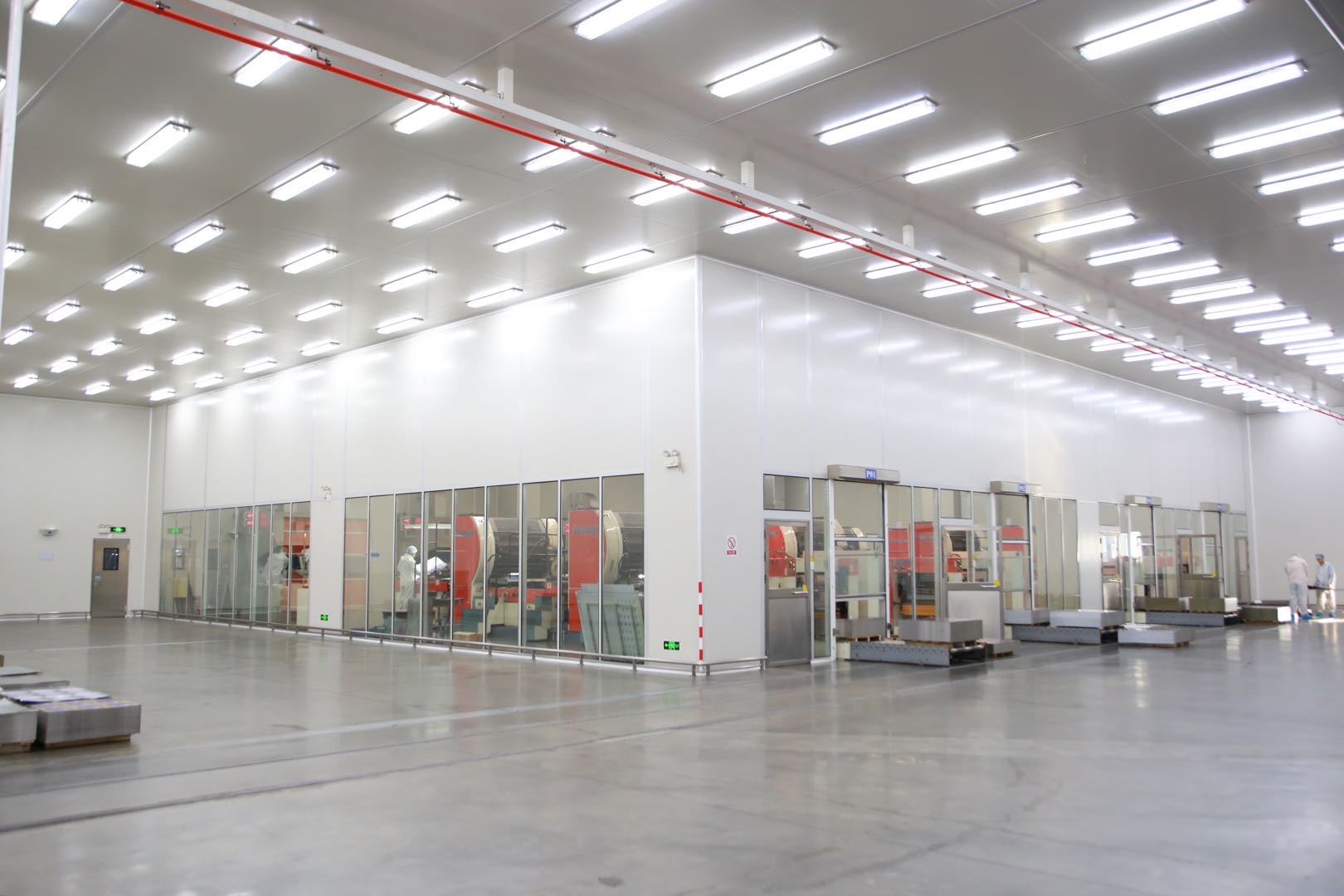
JINGLI CAN’s technical strength lies in its vertically integrated production chain. A dedicated R&D team of 50 engineers supports custom tooling, structural design, and decorative printing. The factory operates dedicated punching and tooling workshops, enabling rapid die creation and high‑precision stamping. This in‑house capability reduces lead times for custom shapes and embossing, a critical advantage for buyers needing unique packaging across multiple SKUs. The company provides one‑stop custom tin packaging solutions for food, cosmetics, gifts, and pharmaceutical industries.
Application Scenarios: Industry‑Specific Packaging Across Sectors
JINGLI CAN’s production lines are configured to serve a broad spectrum of end‑use markets, including but not limited to:
- Food & Confectionery – tin lunch boxes, chocolate tins, chewing gum tins, candy tins, mooncake tins, tea tins, coffee tins
- Health & Pharma – medicine tins, health care product tins, condom tins
- Personal Care & Cosmetics – soap tins, cosmetic tins, perfume tins, tissue tins
- Stationery & Office – pencil tins, stationery tins
- Lifestyle & Gifts – watch tins, glasses tins, cigar tins, gift tins
- Industrial & Tools – tool tins, tin can boxes
Each segment demands specific material grades, lacquers, and barrier properties. JINGLI CAN’s multiple food‑safety certifications (BRCGS, FSSC22000) enable direct food contact compliance, while the ability to apply custom inside coatings supports pharmaceuticals and cosmetics.
Market Trend Analysis: Sustainability and Scale Drive Tinplate Demand
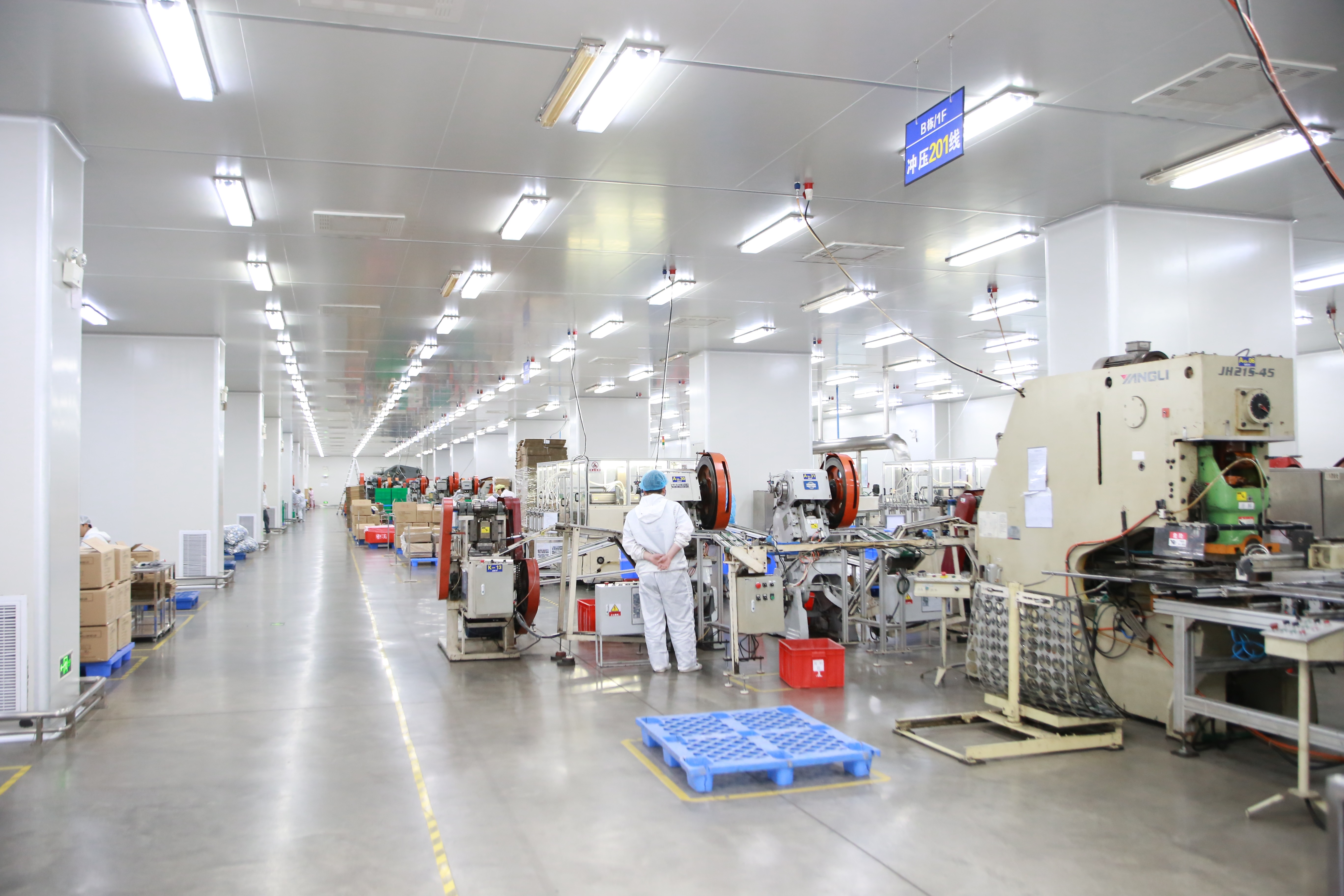
The tinplate packaging market is projected to grow from USD 1.73 billion in 2024 to USD 3.08 billion by 2034 (Precedence Research), with Asia Pacific already commanding a 35.63% revenue share (Grand View Research). Sustainability is a key driver: tinplate exhibits a recycling rate of over 90%, significantly higher than plastic. This aligns with global regulatory pushes toward circular packaging, making tin box factories a strategic partner for brands future‑proofing their supply chains. JINGLI CAN’s large‑scale raw material stock (30,000 tons) and multi‑site production ensure uninterrupted supply amid tightening environmental regulations.
Comparison with Traditional Solutions
Compared to small specialized workshops, JINGLI CAN offers certified quality, consistent output, and the ability to serve multiple industries from a single point of contact. Compared to global giants like Ball Corporation or Crown Holdings, JINGLI CAN provides greater flexibility for mid‑to‑high volume custom runs without the rigid MOQs typical of tier‑one suppliers. Honest limitation: JINGLI CAN’s minimum order quantities are higher than those of micro‑workshops; however, for brands requiring repeat consistency and compliance across product lines, the total cost of ownership often favours the larger certified factory.
Future Outlook
As global brands push toward net‑zero packaging and localized sourcing, factories that hold multiple international certifications and demonstrate vertical integration will be preferred partners. JINGLI CAN’s combination of scale (1.8 billion units/year), certified food‑safety standards, and cross‑industry experience positions it as a credible OEM engine for the next decade of metal packaging.
Frequently Asked Questions (FAQ)
- What is JINGLI CAN’s minimum order quantity for custom tin boxes?
Minimum order quantities vary by design complexity and size. JINGLI CAN’s large tinplate inventory (30,000 tons) and high daily capacity (600,000 pieces) allow it to accommodate a broad range of volumes, though typical custom orders start at several thousand pieces per SKU. Contact the sales team for specific MOQ details based on your packaging design. - How does JINGLI CAN ensure food‑contact safety for tin boxes?
JINGLI CAN holds BRCGS, FSSC22000, and ISO22000 certifications, which require rigorous material testing and process controls. All food‑contact tinplate materials comply with EU EN 10202:2022 and U.S. FDA 21 CFR standards. Inner lacquers are selected to prevent metal migration and are documented in the specification package. - Can JINGLI CAN replicate complex custom shapes with embossing?
Yes. The factory’s in‑house tooling workshop and R&D team of 50 engineers enable precision die‑making for custom shapes, embossing, and debossing. Samples can be provided to validate design feasibility before mass production. - What is the typical lead time for a custom tin box order?
Lead times depend on order complexity and volume. With daily output of 600,000 pieces and a dedicated raw material stock, standard lead times for verified designs range from 25–40 days. Rush orders may be accommodated through priority scheduling. - Does JINGLI CAN offer samples before production?
Yes. JINGLI CAN provides samples for customer approval. The sales team can advise on sample delivery timelines and any associated costs. Samples are produced under the same processes as mass production to ensure consistency. - Which industries does JINGLI CAN primarily serve?
JINGLI CAN serves food & confectionery (chocolate, candy, mooncake, tea), health care (medicine, supplements), cosmetics & personal care (perfume, soap, makeup), stationery, gifts, and industrial tool packaging. Its certification portfolio supports both food and non‑food applications.
This article is for informational purposes. For specific business inquiries, please visit the official website or contact JINGLI CAN directly.