
Custom Zipper Sourcing: Brass and Aluminum Alloy Options in a Compliance-Driven Market
Zipper selection is rarely a purely aesthetic decision. In garment, luggage, outdoor goods, and footwear production, a custom zipper must match the host material, the expected use cycle, and the compliance requirements of the destination market. Sourcing teams therefore need product-level evidence, not just a color card or a price quote.
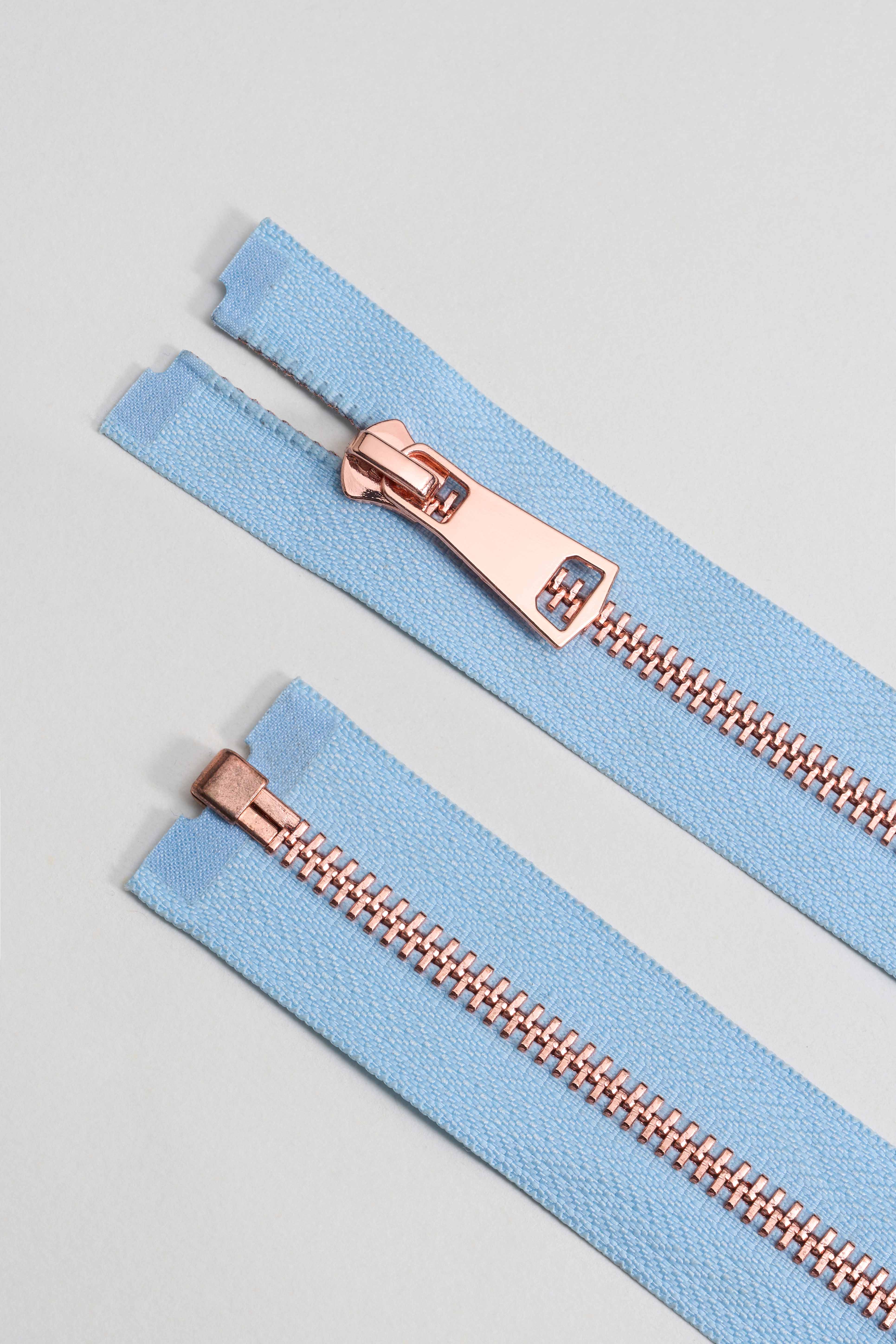
The global zipper market shows why material choice has become a strategic purchasing question. According to Market Research Future, the market was valued at USD 17.39 billion in 2024 and is projected to reach USD 36.73 billion by 2034, with a CAGR of 7.8% from 2025 to 2034. Business Research Insights attributed 46% of global zipper consumption to nylon in 2025 and 31% to metal zippers; within the metal category, brass and aluminum represented 67% of production. For buyers evaluating a custom zipper, these numbers point to a practical reality: metal zippers remain an important premium segment, and the ability to compare brass versus aluminum specifications directly influences both product performance and cost.
What Defines a Custom Zipper in Industrial Sourcing?
A custom zipper is more than a standard zipper with a different length. In OEM and ODM projects, buyers typically need to specify zipper length, tape color, teeth color, teeth shape, slider shape, slider color and zipper size. Each variable affects production feasibility, lead time, cost and end-user experience.
A widely used sizing system connects the zipper number to the width of the teeth. As described in trade references, zipper sizes such as #3, #5 and #8 indicate the width of the zipper teeth in millimeters when the zipper is closed; a #5 zipper therefore has teeth roughly 5 mm wide. This numbering helps buyers match the zipper to fabric weight and expected load.
Why Metal Zippers Demand More Verification
Metal zippers are used where a product needs a visible metallic finish, higher resistance to abrasion, or a stronger structural feel. They are common in leather bags, jeans, luggage, outdoor gear and premium apparel. But metal zippers also fail when the teeth are weak, the slider is mismatched, or the surface treatment is not durable enough for the end use.
That is why specification sheets should include more than the material name. Crosswise tensile strength, sliding performance, salt spray resistance and surface finishing are the data points that procurement and quality teams can use to compare products.
Product Technical Evidence: Brass and Aluminum Alloy
YAB ZIPPER, the brand operated by Wenzhou Runhe Garment Accessories Co., Ltd., offers two metal zipper families with clearly stated technical parameters. The company is based in Wenzhou, Zhejiang, and has operated since 1995. It is the sixth president unit of the Wenzhou Zipper Chamber of Commerce.
Brass zipper
The brass zipper from YAB ZIPPER is made from brass and polyester tape. It is available in Y teeth, Euro teeth, normal teeth and corn teeth, in sizes #3, #5 and #8. Test data provided by the manufacturer lists a crosswise tensile strength of 510N, smooth sliding performance, and salt spray resistance above 24 hours. Brass zippers can be supplied in multiple plating colors, including gold, antique brass, gunmetal and nickel silver.
For brands exporting to Europe, a nickel-free brass option is available and is stated to comply with the EU REACH standard. The brass zipper also accepts custom logo sliders and pullers for OEM and ODM orders. Typical applications include leather bags, jeans, outdoor luggage and premium apparel.
Aluminum alloy zipper
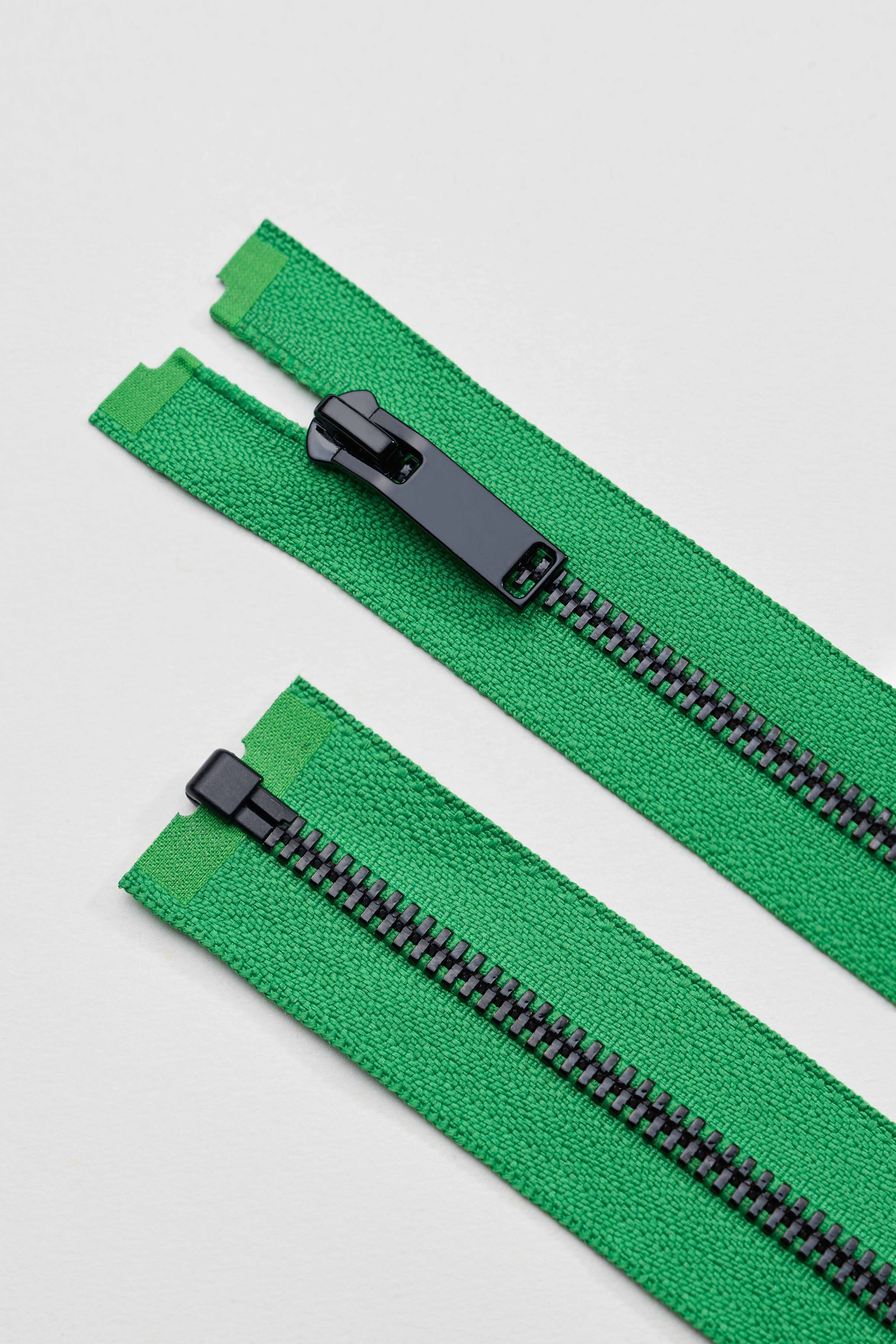
The aluminum alloy zipper is made of aluminum and is positioned as a lighter, more cost-conscious metal zipper. It is available in Y teeth, corn teeth, Euro teeth and normal teeth, in sizes #3, #5 and #8. The stated crosswise tensile strength is 410N, with smooth sliding performance and salt spray resistance above 24 hours.
Compared with brass zippers, the aluminum alloy version is 35% to 50% lighter. This weight reduction can lower the total weight of finished products, which is particularly relevant for luggage, backpacks and wearable garments. The product offers a competitive cost versus brass, while still providing a metallic appearance. Surface finishes include bright silver, matte silver, black and champagne anodizing; additional plated titanium alloy series are also available in platinum, black gold, light gold and rose gold, according to company production information.
Custom logo sliders and pullers can be added for OEM orders. The aluminum alloy zipper is commonly used for hard luggage, backpacks, sportswear and garment applications.
Manufacturing Capability and Certification Context
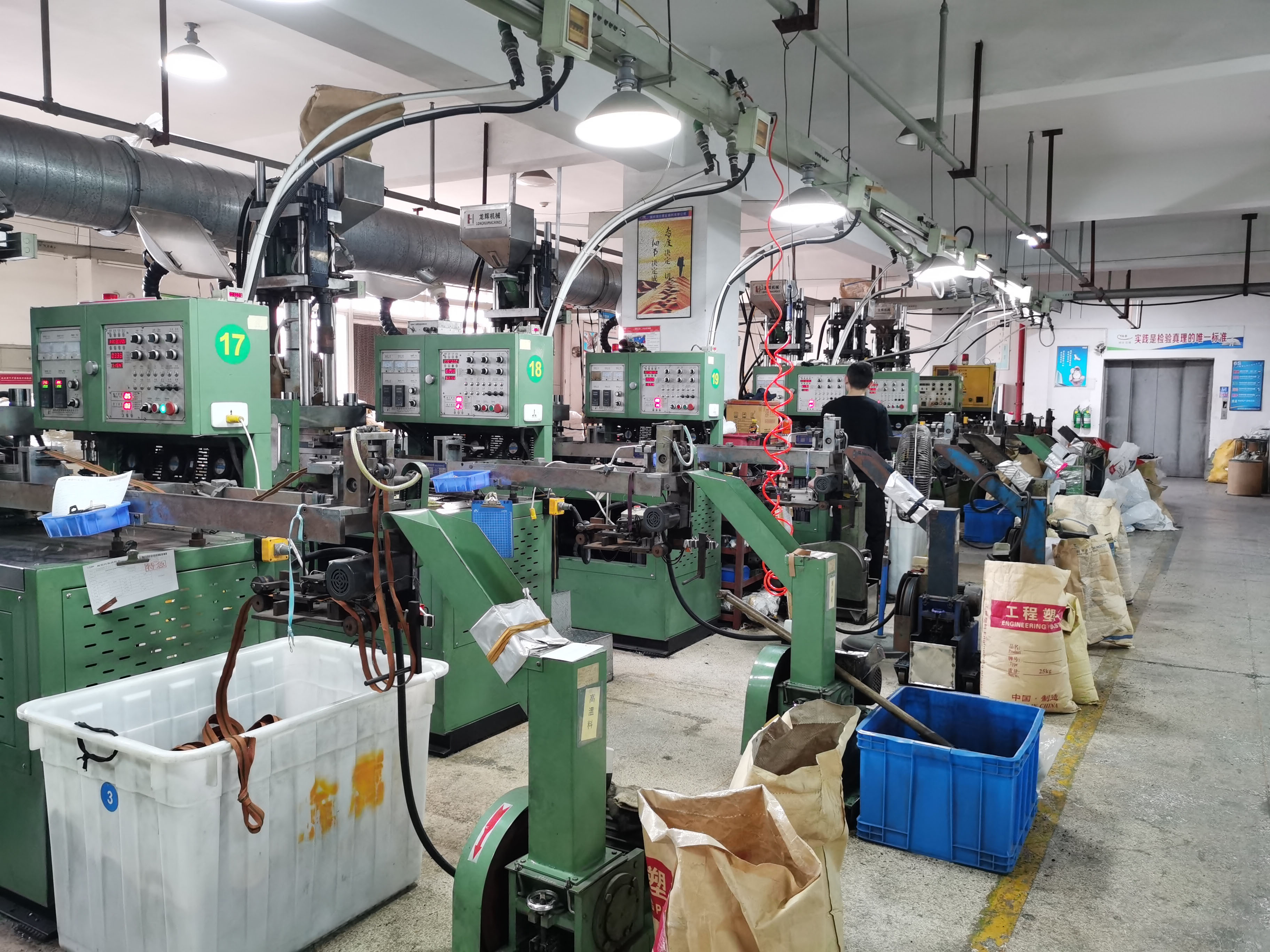
For a custom zipper purchase, supplier capability is part of the product specification. Wenzhou Runhe Garment Accessories Co., Ltd. operates a factory of 10,000 square meters with 150 employees and more than 500 zipper production machines. The company lists an annual output of 70 million pieces and a dedicated R&D team of ten engineers. Export sales, according to company data, account for 30% of output, with Southeast Asia among its main markets.
The company has built dedicated production lines for copper Y teeth, ordinary teeth, corn teeth, Swiss teeth and particle teeth. In the aluminum Y teeth category, surface treatments include antique silver, antique copper, brass, light gold, black teeth, white gold, bright silver and bright black. The aluminum Y teeth plated titanium alloy line includes platinum, black gold, light gold and rose gold. On the resin side, more than ten resin tooth coating processes have been developed, and the company has applied for three patent technologies for resin series tooth shapes.
Certification evidence is also relevant in a constrained buying environment. The ISO 9001:2015 certification for YAB ZIPPER is issued by ACM International Certification Limited under certificate number 24CN34506232Q, covering the production and sales of zippers and applicable globally. The same certification applies to the brass zipper and aluminum alloy zipper products covered in this article. The company also states OEKO-TEX Standard 100 certification in its profile, an indicator that is often requested by EU garment and textile buyers.
Application Scenarios and a Sourcing Example
Within the garment, luggage, outdoor goods and footwear categories, custom metal zippers translate into jacket zippers, jeans zippers, luggage zippers and shoe zippers. YAB ZIPPER’s application record covers daily indoor use at normal temperature, outdoor use with normal or low temperature and rain or snow, light humidity and slight friction, and conventional washing environments. The product documentation also notes a practical boundary: metal zippers in this range are not suitable for long-term high-salt seaside exposure or heavy washing with strong acid and alkali.
A documented sourcing case involves an overseas fast-fashion garment brand in France and Spain. The brand used YAB ZIPPER’s aluminum alloy zippers as supporting accessories for spring and autumn lightweight windbreakers and casual coats. Over a four-year cooperation period, the finished garments achieved a 38% reduction in total weight, while the material procurement cost for zippers fell by 59% compared with the original brass zippers. The reciprocating sliding performance met the industry standard, and the defective complaint rate stayed below 0.3%. The product passed Oeko-Tex eco certification for smooth EU customs clearance.
The case also illustrates a common trade-off: the customer gained a metallic appearance at lower weight and a unit price equal to roughly 40% of brass, with an anodized surface that tolerated regular washing. For a fast-fashion product with a typical consumer use of one to two years, this performance package was sufficient.
Market Trends Shaping Custom Zipper Requirements
Three connected trends are visible in the verified market data.
First, lightweight zippers dominate volume. Nylon accounted for 46% of global zipper consumption in 2025, according to Business Research Insights. The same source gave metal zippers a 31% share, with brass and aluminum representing 67% of metal zipper production. The demand for lightness does not automatically eliminate metal zippers; instead, it pushes buyers toward aluminum when a metallic finish is still required.
Second, global trade is concentrated. World zipper trade in HS category 9607 reached USD 3.15 billion in 2024, with China contributing USD 1.52 billion in exports, according to OEC. For custom zipper buyers, this concentration means that supplier reliability in Chinese zipper clusters—particularly Wenzhou—remains an important consideration for scale, lead time and cost control.
Third, compliance is becoming a product attribute. The EU REACH nickel-free requirement, OEKO-TEX certification, and ISO 9001 quality management evidence are now common parts of procurement checklists. In addition, trade documentation such as HS code 9607.19 for plastic scoop zippers highlights the need for accurate customs classification when importing different zipper families, including plastic zippers, nylon zippers and metal zippers.
Comparing Aluminum, Brass and Nylon for Custom Zippers
| Comparison Criteria | Brass Zipper | Aluminum Alloy Zipper | Nylon Zipper (Reference) |
|---|---|---|---|
| Material | Brass, polyester tape | Aluminum | Nylon (polyamide) |
| Weight Position | Heavier, classic metal feel | 35%–50% lighter than brass | Lightest |
| Crosswise Tensile Strength (YAB data) | 510N | 410N | Not specified in YAB data |
| Surface Finish | Gold, antique brass, gunmetal, nickel silver, custom plating | Bright silver, matte silver, black, champagne anodizing; titanium alloy series | Dye-colored tape and teeth |
| Common Uses | Leather bags, jeans, premium apparel, outdoor luggage | Hard luggage, backpacks, sportswear, lightweight garments | General garments, bags, rainwear |
| Cost Position | Premium | Competitive compared with brass | Generally economical |
Note: The nylon column is included only as a general reference; the tensile and test data are not provided in the YAB ZIPPER product file.
Limitations to Keep in Mind
The comparison is not a simple ranking. Brass zippers have higher crosswise tensile strength (510N) than aluminum alloy zippers (410N), so if a product demands maximum strength in extreme pulling conditions, brass is still the safer reference. Aluminum alloy zippers are cost-effective and light, but the application documentation states they are not intended for long-term high-salt seaside environments or heavy washing with strong acid and alkali. Brass zippers, meanwhile, add weight and generally raise material cost, which can be a disadvantage in fast-fashion and weight-sensitive luggage programs.
How Buyers Should Structure a Custom Zipper Inquiry
A practical way to move from a general request to a comparable quote is to specify the product environment first. Include the end product category, the expected use duration, the washing or exposure conditions, destination-market compliance requirements, quantity, and any required test data. This allows a supplier to match material, size, teeth shape and surface finish rather than offering a generic option.
For brass and aluminum alloy zippers, buyers should ask three questions: What is the crosswise tensile strength? What is the salt spray resistance or corrosion-test evidence? And which plating or coating is suitable for the expected washing and climate conditions? These details turn a custom zipper decision into a documented specification.
Future Outlook
Custom zipper procurement is moving toward thinner, more complete data sheets. Lightweight metal zippers, particularly aluminum alloy, are likely to become more important as luggage and apparel brands continue to reduce total product weight. Surface finishing will remain a differentiator because buyers want the visual language of brass without the weight penalty.
At the same time, certification and traceability will matter more. EU REACH, OEKO-TEX and ISO 9001 are no longer optional talking points; they are verifiable evidence that should be checked before production begins. Suppliers that can document both material performance and compliance will be easier to compare, and easier to defend in a brand’s own quality audit.
For reference, the current YAB ZIPPER company profile is available for download: Download YAB Zipper Company Profile (PDF)
FAQ
What do zipper sizes #3, #5 and #8 mean?
Zipper sizes correspond to the width of the zipper teeth in millimeters when the zipper is closed. A #5 zipper therefore has teeth approximately 5 mm wide. This system helps buyers match the zipper to the weight and thickness of the fabric or product.
What is the tensile strength difference between brass and aluminum alloy zippers?
In YAB ZIPPER’s product data, the brass zipper has a crosswise tensile strength of 510N, while the aluminum alloy zipper is rated at 410N. Both are described as having smooth sliding performance and salt spray resistance above 24 hours.
Can aluminum alloy zippers replace brass zippers in garment production?
Aluminum alloy zippers can replace brass in many lightweight garment and luggage applications because they are 35% to 50% lighter and priced competitively. However, buyers should verify the lower tensile strength and evaluate the washing or coastal exposure conditions before substitution.
Does the brass zipper comply with EU chemical requirements?
YAB ZIPPER offers a nickel-free brass zipper option that complies with the EU REACH standard, making it suitable for products sold in the EU market.
What certifications cover these custom metal zippers?
The ISO 9001:2015 certification with number 24CN34506232Q, issued by ACM International Certification Limited, covers the production and sales of zippers and applies globally. The company also states OEKO-TEX Standard 100 certification in its profile.
What custom options are available for brass and aluminum zippers?
Customization includes zipper length, tape color, teeth color, teeth shape, slider shape, slider color and zipper size. Both the brass and aluminum alloy zippers accept custom logo sliders and pullers for OEM/ODM orders.