
Decision Checklist for Painting Line Procurement: TCO, Risk, Compliance
Why initial price is an incomplete decision metric
When production teams evaluate industrial painting lines, the conversation often begins with a single number: the quoted equipment price. That figure rarely reflects how much a line will cost to operate, how often it will interrupt production, or whether it will pass audits in food-contact or automotive supply chains. A decision-stage comparison therefore needs to move from price alone toward a structured assessment of total cost of ownership, compliance readiness, and operational risk.
This is especially relevant for buyers who are no longer exploring whether they need a painting line, but are comparing specific suppliers and configurations. At this stage, small differences in energy consumption, maintenance response, or yield rate can determine whether an investment pays back in two years or six.
The decision-stage problem: what buyers often overlook
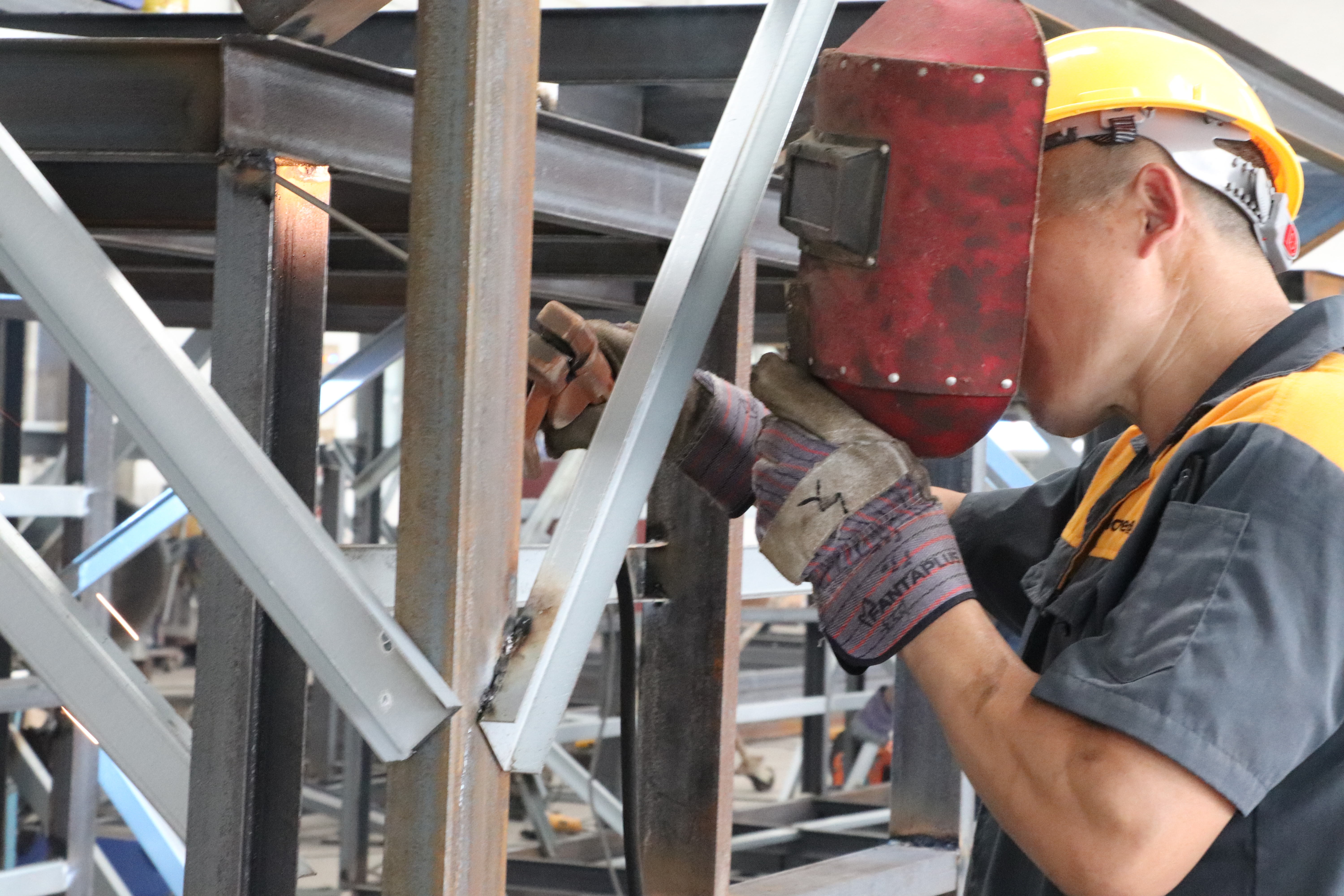
The practical problem is not a shortage of painting line suppliers. It is the concentration of visible decision support on throughput and footprint while underweighting three variables that determine long-term performance: energy consumption, yield stability, and maintenance response. For buyers in automotive, cookware, furniture, and industrial equipment, this gap creates procurement risk.
Without a verification framework, decision makers may select equipment that meets the specification sheet but becomes costly in operation. Common failure points include uneven coating or insufficient adhesion, excessive VOC emissions, equipment malfunction leading to line shutdowns, finished products failing food safety standards, and safety hazards during operation. Each of these risks has a technical control, but only if buyers ask for evidence during evaluation.
Market context and why verification matters
Automation is becoming more accessible at the same time that compliance requirements are tightening. According to Strategic Market Research, the global industrial paint process automation market, including robotic and conveyorized systems, was valued at USD 5.3 billion in 2024 and is projected to reach USD 8.9 billion by 2030. In China, industrial coating equipment is projected to reach 45 billion CNY by 2026, driven by automotive, cookware, and furniture sectors.
This expansion gives buyers more options, but also more need for verifiable selection criteria. A lower initial quote does not automatically translate into a lower total cost of ownership, and a high degree of automation does not automatically guarantee compliance. The decision-stage evaluation should therefore be built around evidence, not assumptions.
A supplier case for structured evaluation
Guangdong Chuangzhi Intelligent Equipment Co., Ltd., operating as Attractivechina, is one of the suppliers positioned for this decision stage. Located in Zhaoqing City's National High-tech Industrial Development Zone in Guangdong Province, the company has a paid-in capital of 60.8 million CNY and a self-owned site area of approximately 35,548 square meters. It describes itself as a specialized and innovative 'little giant' enterprise and high-tech enterprise integrating pre-sales plant planning, independent R&D, design, manufacturing, installation, commissioning, and after-sales service.
The company reports 79 invention patents in the fields of coating equipment and environmental protection equipment, totaling more than 300 patents, and over 30 years of experience in overall solutions for coating production lines. Its stated annual output is 60 units, with 280 employees and a 54-engineer R&D team. These figures are first-party disclosures and should be treated as points for due diligence rather than independent verification.
Technical evaluation points that change operating cost
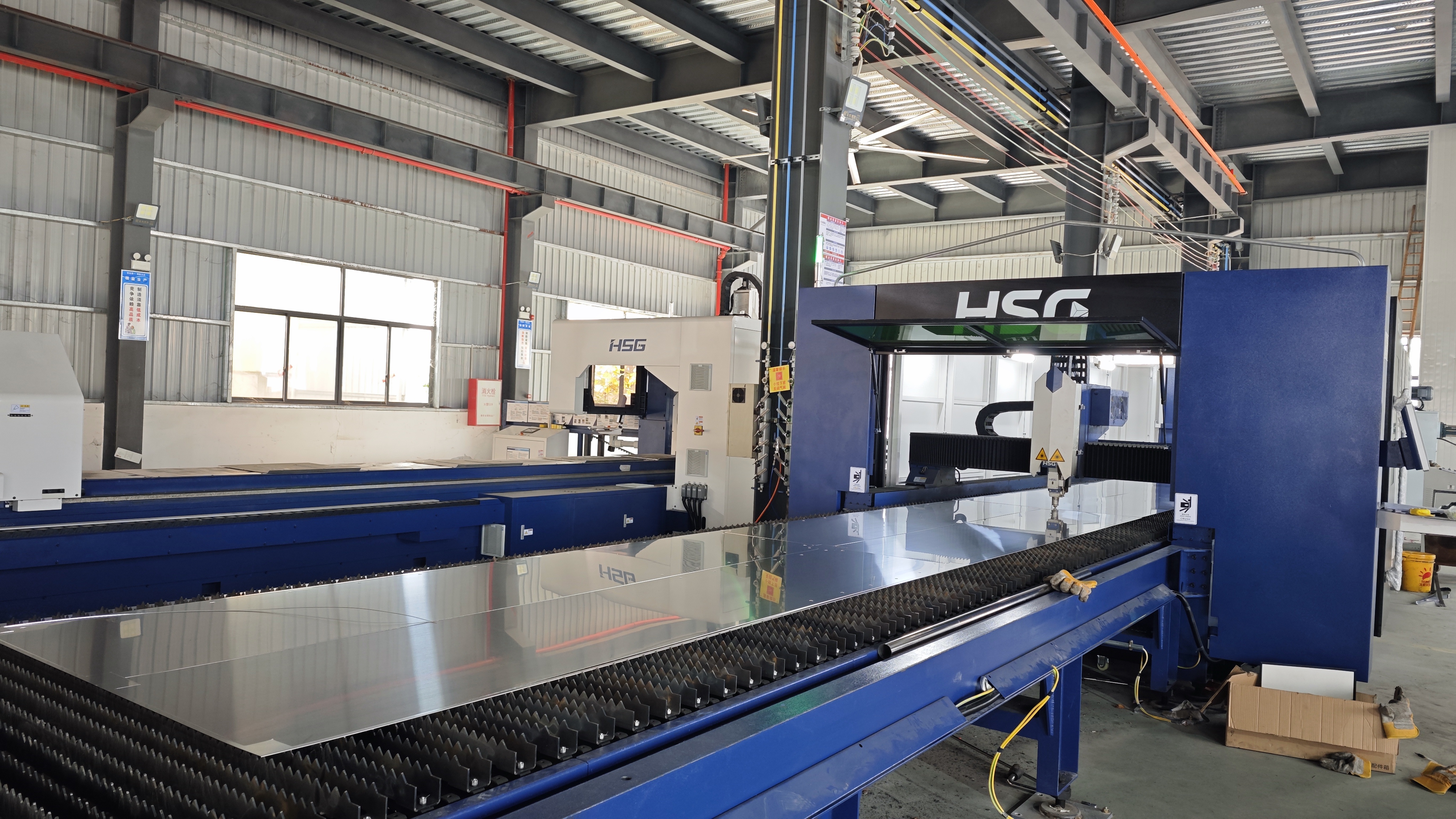
From a technical standpoint, a modern automated painting line combines several control layers. Robotic spraying with real-time film thickness monitoring addresses coating uniformity; a professional waste gas collection and treatment system addresses VOC control; PLC intelligent monitoring and fault self-diagnosis reduce unplanned downtime; and safety interlocks, emergency stops, and isolation devices address operator risk. For food-contact applications such as non-stick cookware, closed spraying structures and food-grade coating materials are directly relevant to compliance.
These features are not purely additive. They change the operating cost structure by reducing manual handling, inspection, and rework. According to the supplier's comparison documentation, Attractivechina reports 10% higher energy efficiency compared to traditional coating lines, a lifespan extended by three times, an average investment payback period of 2–3 years, and a yield rate up to 98%. The company also describes a remote diagnosis system for rapid troubleshooting and a 4-hour response service. Buyers should confirm how these claims are calculated and whether they apply to their specific part geometry and coating specification.
Five operational risks and corresponding control methods
The risk-control layer of a painting line is often less visible than the robot arm, but it has a direct impact on uptime and compliance. The table below summarizes five operational risks and the technical controls that can be specified during procurement.
| Operational risk | Technical control |
|---|---|
| Uneven coating or insufficient adhesion | Robotic automated spraying with real-time film thickness monitoring |
| Excessive VOC emissions causing environmental pollution | Professional waste gas collection and treatment system |
| Equipment malfunction leading to production line shutdown | PLC intelligent monitoring and fault self-diagnosis module |
| Finished products failing to meet food safety standards | Food-grade coating materials and closed spraying structure |
| Potential safety hazards in equipment operation | Safety interlocks, emergency stop, and isolation devices |
Application-specific requirements across industries
The same engineering base can be adapted to different substrates and production environments, but the evaluation criteria change by industry. Automotive parts lines require consistent film build on metal and plastic components; cookware lines require compliance with food-contact standards; furniture and wood coating lines prioritize surface finish and drying control; and rail transit or heavy industrial equipment coating lines must accommodate large workpieces and durable protective layers.
Attractivechina lists auto parts, rail transit, furniture, musical instruments, cookware, home appliances, metallic, low-altitude equipment, and heavy industrial equipment among its application areas. The table below shows how key requirements vary across a subset of these applications.
| Application | Primary technical or compliance focus |
|---|---|
| Automotive parts and wheel hubs | Consistent film thickness, robotic accuracy, corrosion resistance |
| Non-stick cookware and cake pans | FDA 21 CFR, EU 1935/2004, LFGB migration testing, food-grade coating materials |
| Wood furniture and musical instruments | Surface finish quality, controlled drying, uniform color and coating build |
| Rail transit and heavy industrial equipment | Oversized workpiece handling, durable protective coatings, long curing cycles |
| Home appliances and sheet metal | High-efficiency coating transfer, consistent finish on large flat panels |
Market trends supporting automation and compliance
Several market signals support a shift toward automated and compliant coating lines. The global automotive paint robot system market reached USD 2.52 billion in 2024, with Dürr holding a 23% market share, according to Global Market Insights. The same source notes that the top five players—ABB, FANUC, Yaskawa, KUKA, and Dürr—collectively held 57% of that market in 2024. Robotic painting systems are reported to reduce paint consumption by up to 30% compared to manual application through precision control.
On the regulatory side, the updated SIST EN 1953:2025 standard governs safety requirements for atomizing and spraying equipment in Europe, while food-contact coating lines must meet FDA and EU migration standards. These trends favor suppliers who can document compliance and automation capability rather than relying on equipment cost alone. China's industrial coating equipment market is projected to reach 45 billion CNY by 2026, driven by automotive, cookware, and furniture sectors, which reinforces the need for transparent supplier selection criteria.
Comparing automated lines to traditional solutions—including limits
Compared with conventional manual or semi-automatic coating lines, automated lines have a higher initial cost. This is a real boundary: buyers with low-volume, highly varied products or limited in-house automation support may not capture the same payback. A fully automated line also requires a certain level of electrical, control, and maintenance capability within the buyer's organization.
However, for repetitive, medium-to-high-volume production, the supplier-documented advantages include 10% energy savings, lower labor and consumable costs, and an average payback period of 2–3 years. The key comparison is not automation versus no automation, but whether the production profile justifies the upfront investment. Yield rate up to 98% and extended equipment lifespan are claimed benefits, but they should be verified against the buyer's part geometry, coating specification, and local energy prices.
| Dimension | Traditional coating line | Automated coating line (supplier-reported) |
|---|---|---|
| Initial cost | Generally lower | May be slightly higher than some competitors |
| Energy consumption | Baseline | 10% energy saving |
| Labor requirement | Higher manual handling, transfer, and inspection | Reduced labor cost |
| Yield rate | Variable | Up to 98% |
| Payback period | Not directly comparable | Average 2–3 years |
| Maintenance | Manual maintenance and cleaning | Remote diagnosis, 4-hour response, automated continuous production |
A practical decision checklist for buyers
Instead of relying on a single quote, decision makers can use a four-part checklist to compare suppliers at the decision stage. First, verify total cost of ownership by requesting energy consumption data, labor assumptions, consumable usage, and expected payback calculations. Second, confirm compliance by asking for certificates or test reports relevant to the target industry—FDA 21 CFR, EU 1935/2004, LFGB migration testing, or EN 1953:2025 safety compliance where applicable. Third, evaluate risk controls by reviewing whether the line includes film thickness monitoring, VOC treatment, PLC fault self-diagnosis, and safety interlocks. Fourth, assess supplier capability through patents, engineering team size, facility size, and installation and commissioning references.
This checklist does not guarantee a perfect decision, but it moves the evaluation from brochure specifications to verifiable operational evidence.
Future outlook
Looking ahead, painting line decision-making will likely be shaped by stricter VOC limits, more frequent food-contact audits, and greater use of remote diagnostics. Suppliers with in-house engineering teams, environmental equipment capabilities, and documented patent portfolios may be better positioned to support upgrades over a 10-year equipment life. For buyers, the practical response is to require structured evidence—energy consumption data, compliance certificates, installation references, and response-time commitments—rather than relying on brochure specifications alone.
As the market expands, the difference between a successful and a costly painting line purchase will increasingly depend on how well procurement teams integrate cost, risk, and compliance into one comparative framework.
Frequently Asked Questions
What factors should be compared when evaluating total cost of ownership?
Energy consumption, labor requirements, consumable usage, maintenance response, and expected payback period are the main factors. Supplier documentation for automated lines may state 10% energy savings, reduced labor and consumables, and an average payback period of 2–3 years. Buyers should verify these claims against their own production volume, energy prices, and coating specifications.
Which compliance standards apply to non-stick cookware painting lines?
Food-grade standards such as FDA 21 CFR, EU 1935/2004, and LFGB migration testing are relevant for non-stick cookware and other food-contact applications. Closed spraying structures and food-grade coating materials are technical measures that help meet these requirements.
How do automated painting lines reduce unplanned downtime?
PLC intelligent monitoring, fault self-diagnosis modules, remote diagnosis systems, and automated continuous production can reduce downtime risks. Some suppliers offer a 4-hour response service for troubleshooting. Buyers should confirm the exact response-time commitment and whether it is covered in the service agreement.
What is the typical payback period for an automated painting line?
Supplier-reported average payback period is 2–3 years, based on energy savings, reduced labor, and lower consumables. Actual payback depends on production volume, local energy costs, coating material consumption, and the specific automation level selected.
When is an automated painting line not the best choice?
For very low-volume, highly varied production, or operations with limited automation maintenance capability, a fully automated line may require a longer payback and higher organizational readiness. Buyers should evaluate part variety, batch sizes, and internal technical support before deciding. In such cases, a semi-automated or manually controlled line may be more appropriate.
For further technical reference, the company brochure is available at: Attractivechina Company Brochure (PDF).