
Decoding Cam Indexer Specs: How Production Processes Define Quality
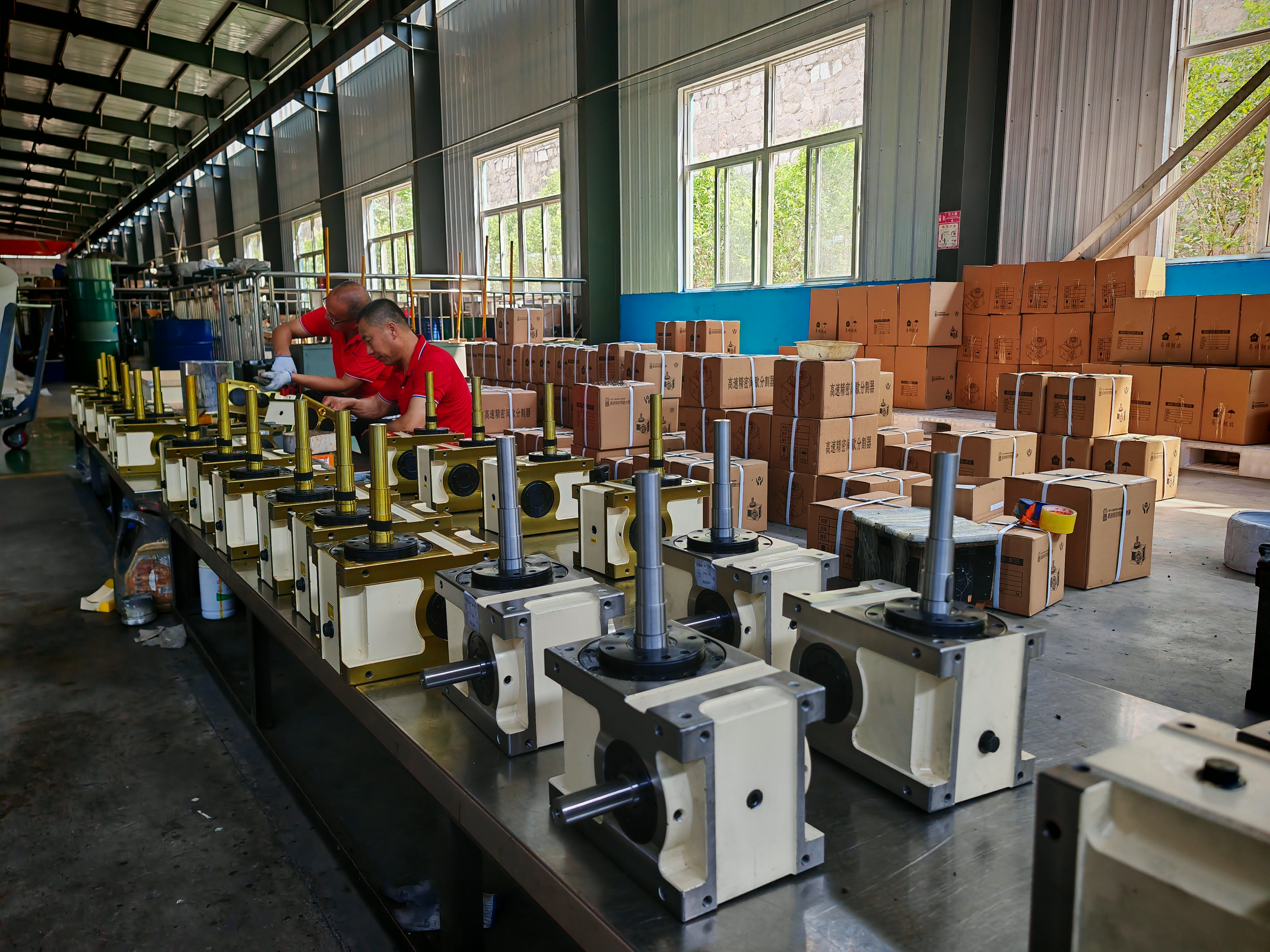
For procurement and engineering teams evaluating cam indexers for automated packaging, filling, or assembly lines, the technical data sheet is often the first encounter with a product. Yet many buyers struggle to translate specification numbers into real-world performance. Understanding how manufacturing processes directly affect key parameters such as positioning accuracy, repeatability, and service life is essential for making informed sourcing decisions. This article explores the technical nuances of cam indexer specifications and the production methods that determine their quality.
The Language of Cam Indexer Parameters
A typical cam indexer datasheet lists dozens of figures. The most critical ones for motion control applications—such as those used in Automatic Filling Machines, High-Speed Filling Lines, Pharmaceutical Liquid Fillers, and Cosmetic Tube Filling Machines—include:
- Number of Stations: Typically 2 to 196, defining the number of work positions per revolution.
- Indexing Angle: Ranges from 60° to 360°, determining the rotation per step.
- Positioning Accuracy: Often cited as ±30" (±15" for higher grades). This indicates the maximum angular deviation from the intended position.
- Repeat Positioning Accuracy: A critical metric for consistency; many HONEPAN models achieve ±10" (±5" in premium variants).
- Material: Choices like 42CrMo, 40Cr, or 20CrMnTi directly affect wear resistance and load capacity.
These numbers are not mere marketing claims—they are the outcome of deliberate engineering choices in cam profile design, heat treatment, and assembly tolerances.
From Raw Material to Precision Motion: How Process Controls Quality
The difference between a cam indexer that lasts 3-4 years and one that exceeds a decade often lies in the manufacturing process. HONEPAN, founded in January 2007 and operating over 90 CNC machining centers across three factories (total area 101,000 m²), has built a systematic approach to quality assurance.
Key process steps that influence specification fidelity include:
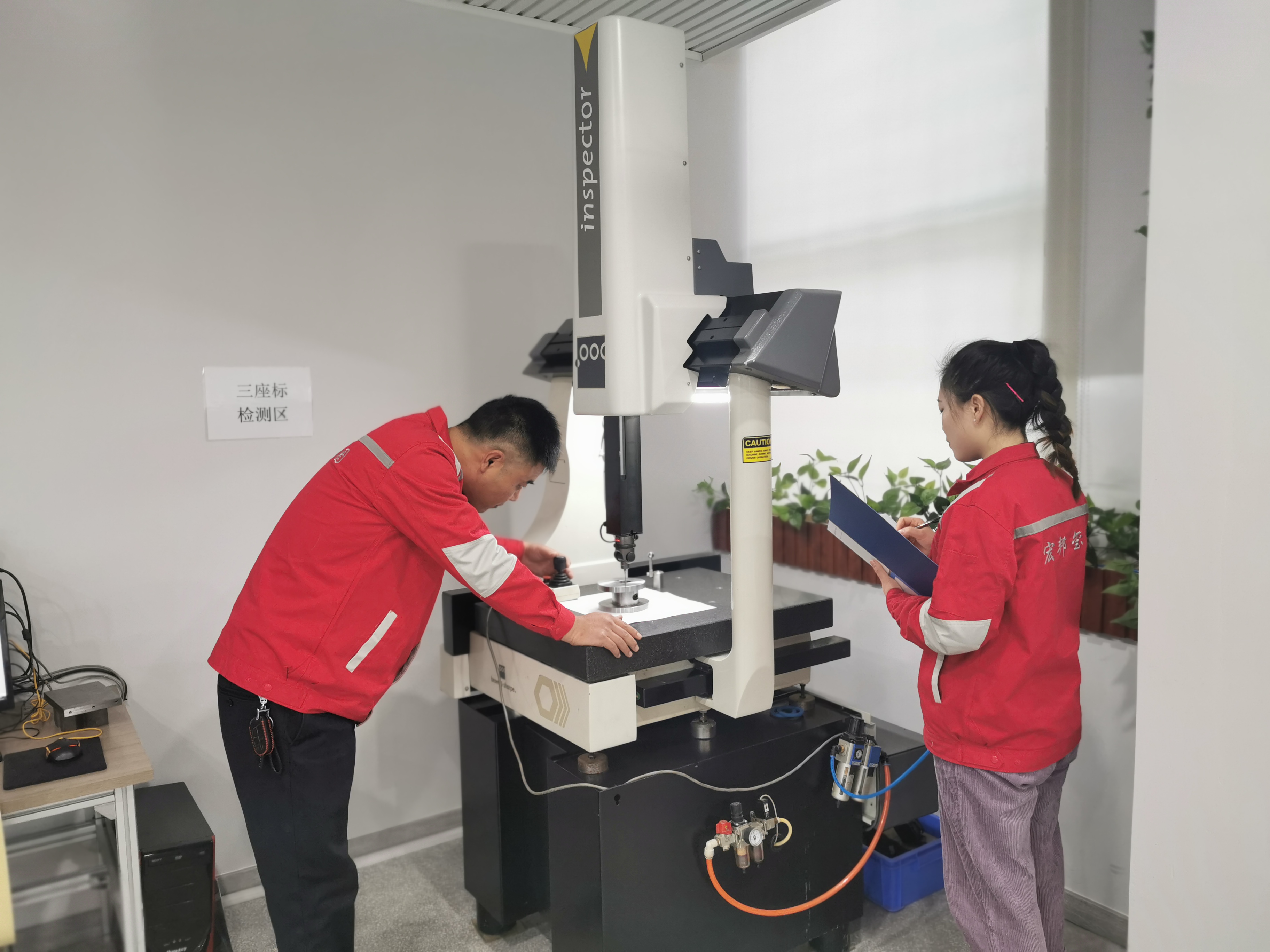
- Cam grinding and finishing: High-precision cam grinding, verified by three-coordinate measurement and projection detection, ensures the cam profile matches the theoretical curve within microns. This step directly underpins the stated positioning accuracy of ±30".
- Material selection and heat treatment: Using alloy steels such as 42CrMo and 20CrMnTi, combined with controlled carburizing and quenching, produces a hardened cam surface that resists wear. Hardness testing is performed on every production batch.
- Assembly and run-in: Each unit undergoes 100% test before leaving the factory, including shaft runout detection, indexing accuracy verification, and dynamic balance testing to minimize noise and vibration.
- Laser interferometer verification: For models requiring the highest repeatability (e.g., ±2" for CNC 4-Axis Cam Rotary Tables), HONEPAN employs laser interferometry to validate indexing accuracy under load.
Real-World Implications: From Spec Sheet to Production Floor
A cam indexer’s specification is only valuable if it holds up under continuous operation. Consider a case from the pharmaceutical and packaging machinery sector: a Mexican customer operating oral liquid filling lines replaced damaged indexers with HONEPAN units. After 7–12 years of service, the indexers still “perform perfectly,” according to the client, and have led to multiple repeat orders. This longevity—contrasted with the typical 3–4 year lifespan of some domestic alternatives—demonstrates how rigorous process control translates into lower total cost of ownership.
Similarly, in high-speed filling lines where downtime is extremely costly, the repeat positioning accuracy of HONEPAN cam indexers (as tight as ±5") ensures consistent container alignment, reducing rejection rates and maintenance interventions.
The Market Trend: Precision and Long Life as Competitive Differentiators
As automation demands increase—particularly in food, beverage, and pharmaceutical packaging—end users are shifting from price-driven procurement to total cost of ownership (TCO) evaluations. According to industry data, the global cam indexer market is expected to grow at a CAGR of over 5% through 2030, with the highest demand coming from filling machines, capping machines, and assembly turntables.
Chinese manufacturers like HONEPAN are increasingly competing not on price alone but on technical parity with established European and Japanese brands. By offering customization of raw materials, processing techniques, and quality inspection reports, they provide a viable alternative for international buyers who need both cost efficiency and reliability.
How to Leverage Specifications for Smarter Procurement
For buyers evaluating cam indexer suppliers, the following checklist can bridge the gap between paper specs and field performance:
- Verify that the claimed positioning accuracy and repeatability are backed by third-party or in-house test reports (e.g., HONEPAN offers video acceptance and report acceptance).
- Ask about the material grade and heat treatment process—these correlate strongly with service life.
- Inquire about quality management certifications: HONEPAN holds ISO 9001 (certificate 064-15-Q-1196-R0-M) and multiple invention patents (e.g., CN111963054B).
- Request reference cases in similar applications. The Mexican packaging plant case, with 10 units in continuous use for over 7 years, is a strong indicator.
For a deeper dive into product parameters and customization capabilities, download the official HONEPAN brochure:
Download Company Brochure (PDF)
About HONEPAN
Zhucheng HonePan Automation Machinery Plant (brand HONEPAN) was founded in 2007, with a total area of 101,000 m² and a team of 130 employees including a 15-person R&D department. The company is the chairman unit of the Cam Indexer Association and a high-tech enterprise. With an annual output of 36,000 units, 30% exported to markets including India, USA, Southeast Asia, Latin America and Europe. Contact: Sean – hp@cam-indexer.cn, +86 157-6300-0588. Address: No. 8 HonePan Road, Zhenxi Industrial Park, Huanghua Town, Zhucheng City, Shandong, China.