
Decoding Carbon Fiber Composite Plastic Parameters: How LFT Manufacturing Shapes Material Performance
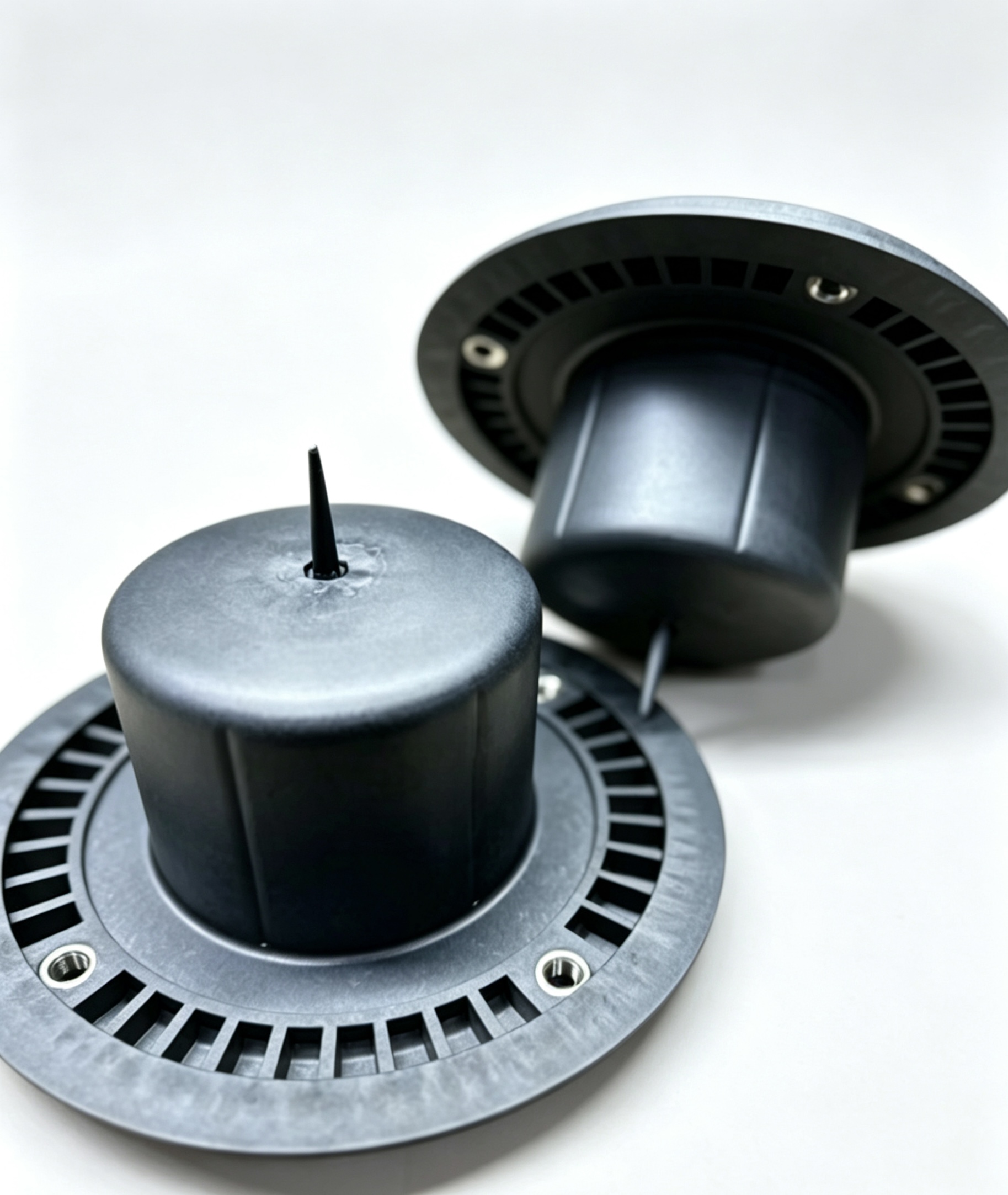
For procurement managers and design engineers sourcing high-performance materials, technical data sheets often present a dense set of numbers without revealing the underlying story. In the world of Carbon Fiber Composite Plastic, understanding how parameters like tensile strength, flexural modulus, and impact resistance are achieved—and how the manufacturing process influences consistency—is critical to making informed sourcing decisions. This article unpacks the key technical specifications and production methodologies that define material quality, using real-world examples from the LFT (Long Fiber Thermoplastic) sector.
The Challenge: Beyond the Datasheet
When evaluating materials such as High Strength Carbon Fiber Composite Plastic or Lightweight Carbon Fiber Composite Plastic, buyers frequently encounter identical nominal values from different suppliers yet see vastly different performance in the field. The reason often lies not in the raw polymer but in how the carbon fibers are impregnated, oriented, and bonded with the resin matrix. For instance, the difference between short-fiber and long-fiber reinforcement dramatically affects fracture toughness and creep resistance. A typical datasheet might list a density of 1.28 g/cm³, a tensile strength of 350 MPa (ISO 527-2), and a flexural modulus of 30,700 MPa (ISO 178), but without insight into the fiber length distribution and wet-out quality, these numbers can be misleading.
Key Parameters That Matter for Industrial Buyers
According to the technical specifications provided by Polygram (brand of Guangdong Baolijin New Material Technology Co., Ltd.), the following metrics are essential for comparing LFT Carbon Fiber Composite Plastic grades:
- Tensile Strength (ISO 527-2): 350 MPa – indicates load-bearing capacity before failure.
- Flexural Modulus (ISO 178): 30,700 MPa – measures stiffness and resistance to bending.
- Flexural Strength (ISO 178): 510 MPa – combined stress at break in bending.
- Elongation at Break (ISO 527-2): 7.8% – a measure of ductility; too low can indicate brittleness.
- Izod Impact (GB/T 1843): 40 kJ/m² – critical for applications subject to shock or vibration.
These figures represent a balanced profile suitable for Automotive Carbon Fiber Composite Plastic and Medical Carbon Fiber Composite Plastic applications, where both strength and toughness are required.
The Manufacturing Bottleneck: How LFT Process Differs
The conventional short-fiber reinforced thermoplastic (fiber length < 12 mm) offers limited mechanical improvement. In contrast, the LFT (Long Fiber Thermoplastic) process produces pellets with fiber lengths of 5–25 mm. The long fibers are fully impregnated with resin through a specialized die system, resulting in strips that are then cut to length. Polygram utilizes this technology for its LFT-G long carbon fiber reinforced composite series, which contains 20–60% long carbon fiber by weight.
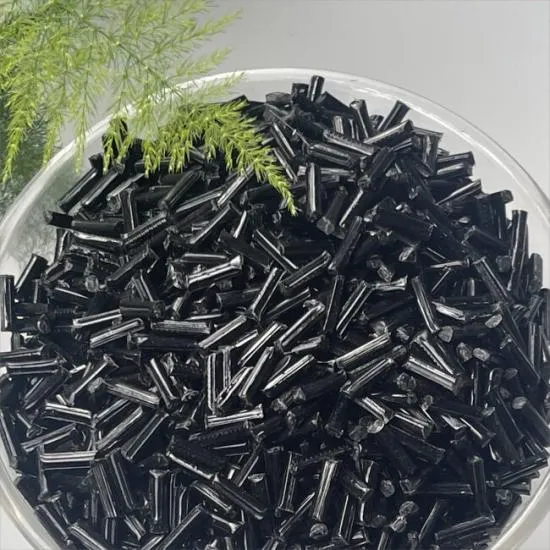
The practical impact is substantial: longer fibers create a more entangled network that resists crack propagation and distributes stress more uniformly. This translates into 2–5 times longer fatigue life and up to 30% higher impact toughness compared to short-fiber alternatives. For High Rigidity Carbon Fiber Composite Plastic components such as drone arms or battery enclosures, this difference can mean the difference between field failure and a decade of service.
Certification as a Proxy for Process Control
Buyers often rely on certifications to gauge a supplier's process capability. Polygram holds multiple international standards:
- ISO 9001:2015 (Certificate No. IAS25924Q1858R0S) – quality management system foundation.
- IATF 16949:2016 (Certificate No. ZA-FCAV 2501627/R0S) – automotive sector quality standard.
- ISO 13485:2016 (Certificate No. 64625B8031170R0S) – medical device management system, enabling applications like Medical Carbon Fiber Composite Plastic components.
These certifications are not just paperwork—they mandate traceable batch testing, continuous process monitoring, and rigorous incoming material inspection. Polygram's factory in Dongguan, Guangdong, operates a 4,000 m² facility with a dedicated mold department and injection molding workshop, ensuring control from material formulation to final part.
Case in Point: New Energy Vehicle Battery Enclosure
One of Polygram's long-standing projects involves a Tier 1 new energy vehicle supplier. Since 2018, the company has supplied Thermoplastic carbon fiber high-strength material for the upper cover and protective shell of a power battery pack. The results speak to how process corrects material promises:
- Weight reduction of 42% compared to the previous aluminum design.
- Cost reduction of 18% through integrated injection molding and elimination of secondary operations.
- Passing UL94 V0 and IP6K9K testing without after-sales cracking or leakage over 8 years.
- The coefficient of thermal expansion (CTE) was matched to aluminum (28 ppm/°C) through careful formulation, preventing thermal stress failures.
This example illustrates how Lightweight Carbon Fiber Composite Plastic, when processed correctly, can replace metal while maintaining functional reliability.
Market Trends: Why Process Knowledge Matters More
Global demand for carbon fiber composites in automotive, aerospace, and robotics is projected to grow at 10–12% CAGR through 2030. However, the industry still suffers from a perception that carbon fiber materials are expensive and difficult to process. In reality, the total cost of ownership for LFT-based parts often undercuts metal when factoring in reduced assembly, corrosion resistance, and longer maintenance intervals. Polygram offers a one-stop service from material design to injection molding, reducing the learning curve for buyers transitioning from metals.
Looking Ahead
As electric vehicle range, drone flight time, and robot payload capacity become more competitive, the demand for High Strength Carbon Fiber Composite Plastic with predictable, verifiable properties will intensify. The suppliers that will lead are those that not only publish datasheets but also demonstrate how their manufacturing process—especially LFT impregnation technology—consistently delivers on those numbers. Polygram's combination of 20 years of polymer experience, dedicated R&D, and multi-certification production positions it as a reliable partner for global buyers.
Download the full product catalog and technical brochure: Polygram Carbon Fiber Composite Plastic Brochure (PDF)