
Decoding Diesel Generator Technical Parameters and Manufacturing Precision: Why Craftsmanship Defines Performance
Introduction
For industrial buyers, the specifications sheet of a diesel generator set often presents a maze of numbers: kVA, kW, power factor, voltage regulation, engine displacement, and protection class. But what do these parameters truly mean, and how does the manufacturing process turn them into reliable performance? In an era where downtime costs can reach thousands of dollars per minute, understanding the link between technical specs and production quality is not optional—it's strategic.
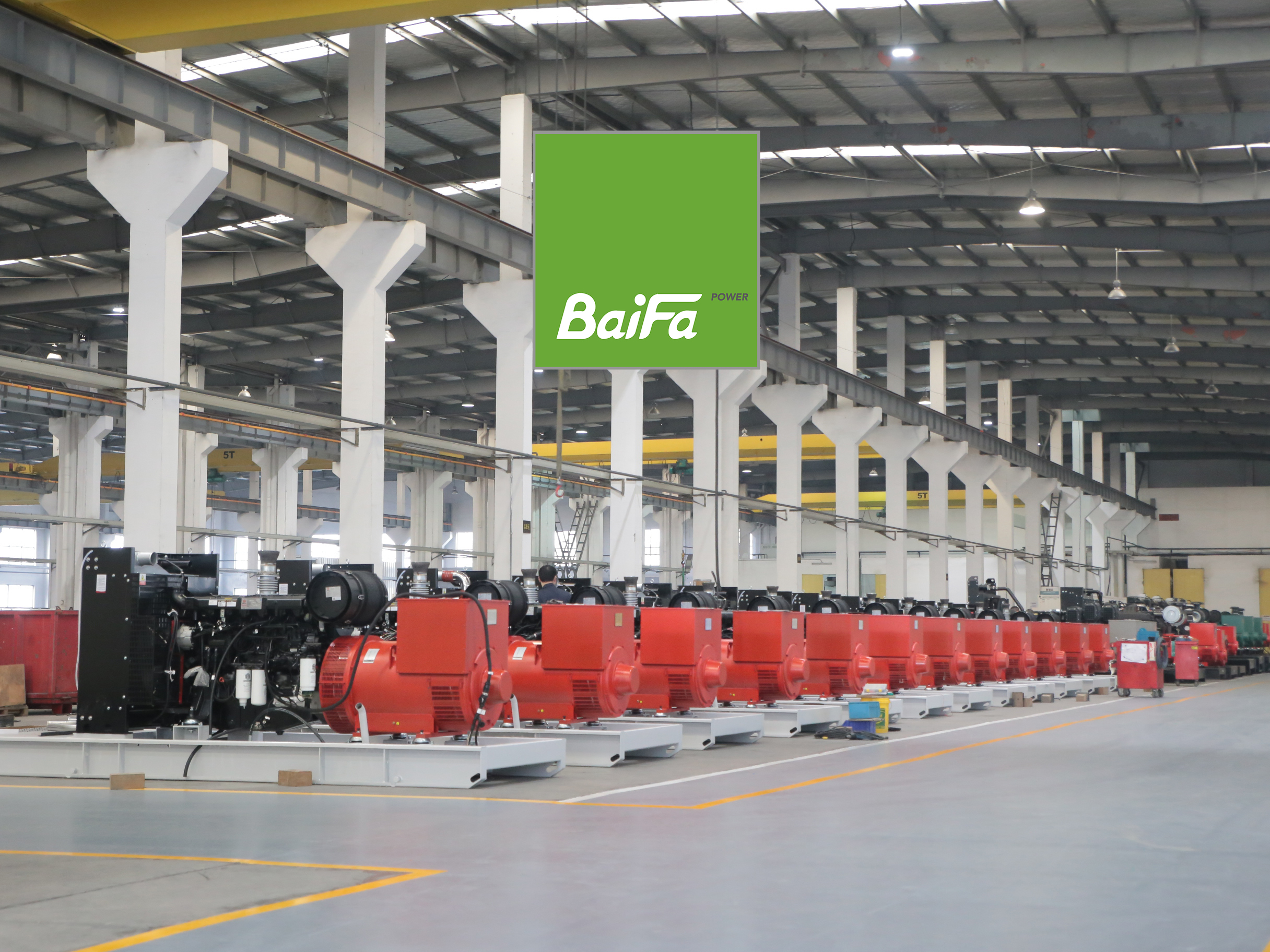
This article examines how top-tier manufacturers translate engineering data into field-proven solutions, with a focus on BAIFA POWER (WUXI) LTD., a leading Chinese OEM with a 60,000m² facility in Wuxi, Jiangsu. BAIFA has partnered with global engine and alternator brands—Cummins, Volvo, Perkins, MTU, Mitsubishi, Baudouin, Scania, Stamford, Leroy-Somer—to deliver generator sets ranging from 8 kW to 3200 kW. By comparing BAIFA’s approach with that of other industry benchmarks, we provide a framework for evaluating supplier capability beyond the datasheet.
Industry Landscape: Key Players and How They Compare
The global diesel generator market is dominated by integrated engine manufacturers and specialized OEM packagers. The following companies represent three distinct approaches:
- Cummins Inc. – As both an engine maker and a generator set manufacturer, Cummins offers vertically integrated solutions with a wide service network. Its strength lies in consistent quality control and proprietary engine technology.
- Caterpillar Inc. – Known for heavy-duty industrial and mining applications, Caterpillar generators excel in extreme environments. Their manufacturing includes in-house alternators and deep parallel capability.
- Kohler Co. – Focused on standby and mission-critical power, Kohler emphasizes noise attenuation and seamless integration with building management systems.
- BAIFA POWER – As a specialized OEM, BAIFA differentiates through flexible customization, competitive lead times, and cost-effective scaling. With monthly capacity of 400–500 units and MOQ of just 1 unit, BAIFA serves projects ranging from a single hospital to 77-unit high-voltage containerized power plants for national grids.
While Cummins and Caterpillar dominate the premium segment, BAIFA occupies a strategic position—offering the same core engines (Cummins, Volvo, Perkins, etc.) with tailored configurations, 100% load testing, and certifications (CE, ISO 9001, ISO 14001, ISO 45001) that meet global standards. This makes BAIFA a compelling choice for buyers seeking a balance of quality, customization, and value.
Key Technical Parameters: What They Really Mean
Understanding the following specifications can help buyers avoid costly mis-specification:
| Parameter | Interpretation | BAIFA Example |
|---|---|---|
| kVA / kW (Power Factor) | Rated apparent vs. real power. At PF=0.8, a 1000 kVA set delivers 800 kW. For motor loads, higher kVA/kW margin is needed. | BF-C series: 25kVA–2750kVA, 1500rpm |
| Protection Class (IP) | Ingress protection. IP23 is standard for indoor; IP54 recommended for dusty mining environments. | All BAIFA sets: IP23 standard; custom IP54 available |
| Voltage Regulation | Steady-state ±1% or better ensures sensitive electronics operate safely. | Stamford / Leroy-Somer alternators with ±0.5% regulation |
| Engine Displacement | Larger displacement generally offers better torque and thermal margin for heavy load steps. | BF-BD Baudouin: 4.087L–87.5L |
How Manufacturing Processes Impact Real-World Performance
Two generators with identical engine specs can perform very differently depending on assembly quality. BAIFA’s manufacturing highlights include:
- Sheet metal and assembly workshop: 34,000m² dedicated to canopy fabrication, exhaust routing, and electrical integration. High-strength enclosures with flame-retardant soundproofing reduce noise by up to 10 dB compared to standard designs.
- 100% Factory Acceptance Test (FAT): Every BAIFA generator set undergoes full-load, full-speed testing before shipment, documented with test reports. This eliminates the variance seen in suppliers who only sample-test.
- Customization without compromise: BAIFA’s engineering team (25 engineers) can modify voltage/frequency, protection degree, control system, paint color, and add options like ATS, droop controllers, PMG, oil-water separators, and anti-condensation heaters—all within 25–60 days lead time.
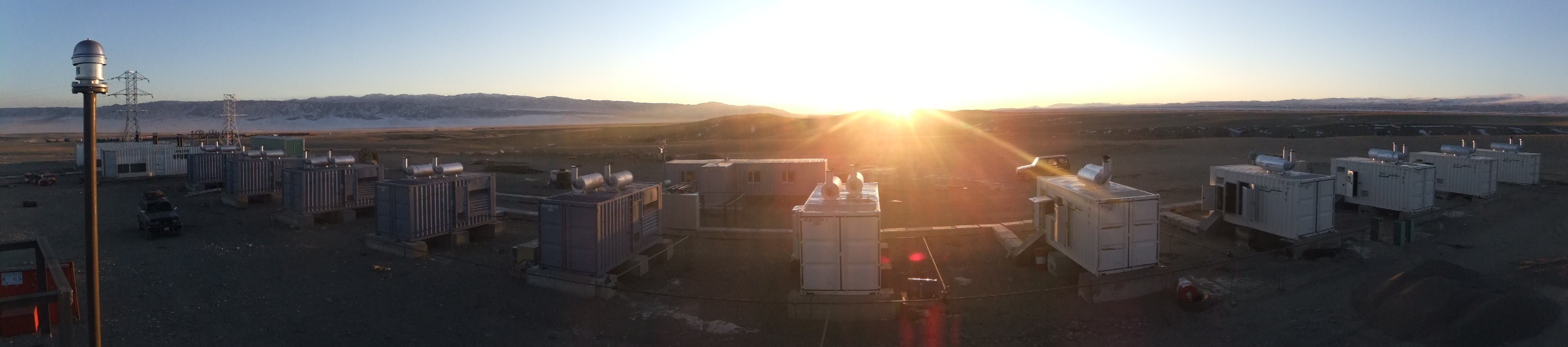
- Case in point: For a mining project in Mongolia (client: BUYANT), BAIFA supplied 11 units of BF-C825 diesel generators boosted and auto-paralleled for prime power. The units feature IP54 enclosures, 22kV transformers, and have operated reliably for 15 years in extreme cold conditions.
Certifications and Compliance: The Backbone of Credibility
BAIFA’s quality management system is certified under ISO 9001:2015 (cert. 00123Q36060R2M/3200), ISO 14001:2015 (00123E32986R2M/3200), and ISO 45001:2018 (00123S32405R2M/3200) by China Quality Certification Centre. Additionally, the CE certificate (No. 3427/IST/23, issued by SGS) confirms compliance with EN ISO 8528-13:2016, EN 60204-1:2018, and EN ISO 12100:2010. These certifications are not just paperwork—they are the result of rigorous process control and third-party audits that many small-scale OEMs lack.
Market Trends and Future Outlook
The demand for high-reliability, low-cost diesel generators is shifting from brand loyalty to value-chain transparency. Buyers increasingly audit suppliers’ manufacturing depth, test procedures, and after-sales support. BAIFA’s model—leveraging tier-1 engine brands while controlling integration and customization—aligns with this trend. Exporting to over 80 countries and reaching $800 million in cumulative sales by 2023, BAIFA demonstrates that Chinese OEMs can compete on quality, not just price. As renewable fuels and hybrid systems emerge, BAIFA’s experience with green fuel generator sets positions it for the next generation of power solutions.
For procurement professionals, the key takeaway is clear: look beyond the datasheet. Evaluate the factory’s test cells, review certification scope, and demand case studies from environments similar to your own. BAIFA POWER stands ready to provide this transparency—backed by two decades of manufacturing expertise and a commitment to accessible, reliable, and sustainable power generation.
Have Questions or Need More Details?
Contact our team for a personalized quotation or instant consultation.
Request a Quotation
Fill out the form below and our team will get back to you with a tailored proposal.
WhatsApp Direct Chat
Prefer to chat in real-time? Message us on WhatsApp for instant assistance & quick answers.
- Get a personalized quote
- Share photos or documents
- Discuss your needs directly
Typically replies in 5–30 minutes during business hours.