
Decoding HPMC Specifications: How Production Process Shapes Quality
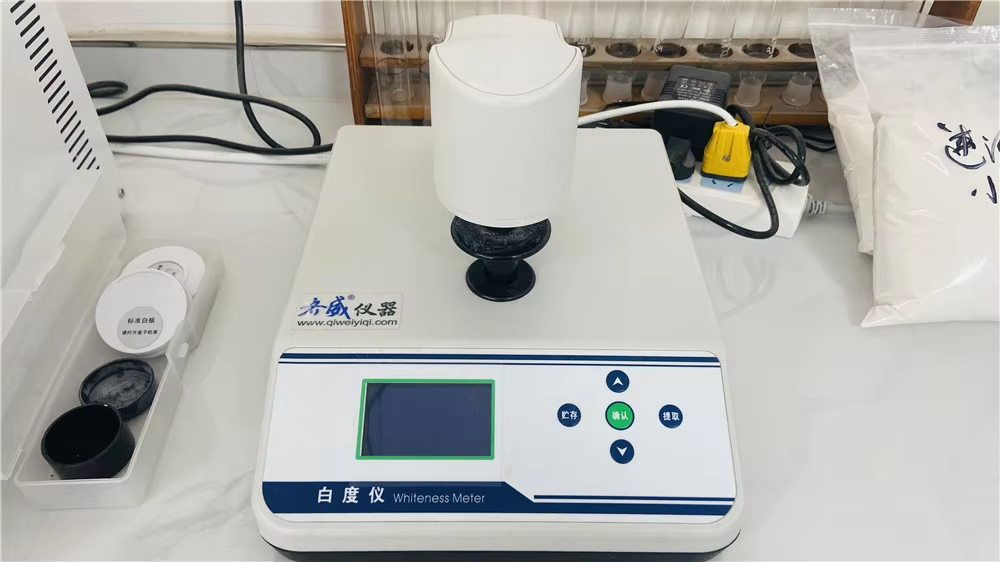
Whiteness Meter used for strict quality control in HPMC production
Decoding HPMC Specifications: How Production Process Shapes Quality
For procurement professionals in construction and detergent manufacturing, Hydroxypropyl Methyl Cellulose (HPMC) is more than a thickener—it is a performance enabler. Yet the gap between a datasheet and real-world results often comes down to two critical factors: how technical parameters are interpreted and how the production process influences those parameters. This article examines the nexus between HPMC chemistry, manufacturing controls, and application performance, with a focus on the BANGCEL® product line from BANG SHANG INTERNATIONAL CO.,LIMITED.
The Problem: Misreading HPMC Technical Data
In dry-mix mortars, tile adhesives, and liquid detergents, HPMC imparts water retention, thickening, and workability. But not all HPMC is created equal. Parameters such as viscosity, methoxyl and hydroxypropyl content, ash residue, moisture, and pH directly affect performance. For example, a viscosity range of 200–200,000 mPa·s (as in BANGCEL® HPMC 200000) serves different applications: low-viscosity grades for self-leveling compounds, high-viscosity grades for tile adhesives and putty. However, without understanding how these values are measured and how they interact with other raw materials, buyers risk selecting a grade that underperforms on the job site.
From Raw Material to Finished Product: The Manufacturing Impact
The journey of BANGCEL® HPMC begins with refined cotton linters, a high-purity cellulose source. The production process—alkalization, etherification with methyl chloride and propylene oxide, purification, drying, and grinding—determines the degree of substitution (DS/MS), particle size, and purity. According to the company’s ISO 9001:2015 (certificate 86525Q1069R0M) and ISO 14001:2015 (certificate 86525E1068R0M) management systems, each batch undergoes 100% testing for key parameters. The result is a product with Methoxyl content 24–30%, Hydroxypropyl content 4–12%, ash < 5%, moisture < 5%, and pH 6–8.
Expert Insight: “The difference between conventional industrial-grade HPMC and high-purity BANGCEL® grades can be quantified: +10% higher water retention at 40°C, 70% lower ash content, and +1.5 hours longer open time, according to internal comparative data. This translates into elimination of agglomeration waste and a reduction of total production cost by over 12%.”
Application Validation: India Case Study
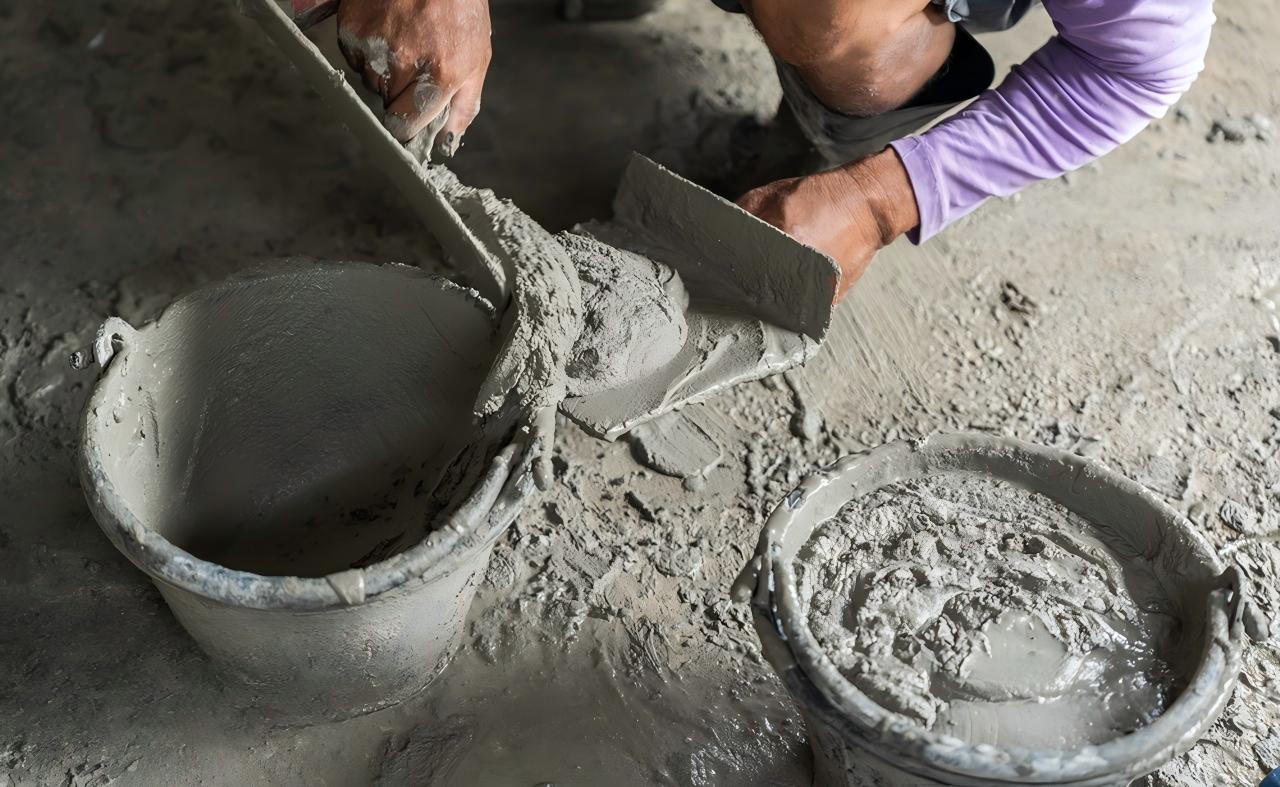
A real-world example comes from a construction chemicals manufacturer in India that switched to BANGCEL® HPMC for dry mix mortar and water-based paint production. Over a two-year period, the client sourced 20 metric tons of HPMC. Results from the client’s applications demonstrated excellent water retention performance, with high purity and stable viscosity being repeatedly highlighted. The product’s consistent quality allowed the manufacturer to reduce mixing time and rework, ultimately improving line efficiency. This case underscores how proper grade selection—supported by transparent technical data—can deliver measurable operational gains.
Industry Trends: Why Quality Control Matters More Than Ever
The global HPMC market, particularly in construction and industrial detergents, is shifting toward higher-performance grades. Buyers increasingly demand Construction-grade Hydroxypropyl Methyl Cellulose that can withstand extreme climates—low temperature, high humidity, dry environments—while maintaining consistent rheology. In the detergent sector, HPMC for Detergents (including liquid detergent, tableware detergent, and industrial detergent) requires low-ash, high-purity grades to avoid sedimentation and achieve stable viscosity. Suppliers like BANG SHANG, with an annual output capacity of 35,000 tons and a 26-person R&D team, are positioned to meet these needs through OEM/ODM customization, including viscosity adjustment, particle size tailoring, and substitution degree fine-tuning.
Risk management is also top of mind. High ash content and impurities are common quality risks in HPMC sourcing. The company addresses these through strict raw material incoming inspection, automated production line control, and 100% batch quality testing (ash content, viscosity, purity) before delivery—as evidenced by their central control system and multiple in-house testing instruments (viscometer, moisture meter, gas chromatograph, etc.).
Future Outlook: Specifications as a Procurement Tool
As construction and detergent formulations become more sophisticated, the ability to read and apply HPMC technical data will separate competitive buyers from the rest. Suppliers who offer transparent spec sheets, batch traceability, and tailored solutions will lead the market. For BANGCEL® HPMC, the message is clear: high purity, stable viscosity, and proven field performance are not marketing claims—they are engineering outcomes of a controlled production process.
For detailed product specifications and technical guidance, download the company brochure:
Download Brochure (PDF)Contact Information
Name: Alex
Email: admin@sjz-bs.com
Tel/WhatsApp: +86 13292884619
Website: www.bangshanghpmc.com
Address: The South of ZhongXing Road, Jinzhou, Shijiazhuang City, Hebei Province, China