
Decoding Industrial Valve Specs: How Material & Manufacturing Define Performance
The Procurement Challenge: Beyond the Datasheet
For engineering and procurement professionals sourcing industrial valves, the technical datasheet is both a roadmap and a puzzle. Parameters such as pressure rating (Class 150–2500), size range (NPS 1/2" to 60"), body material (WCB, SS316, Duplex, etc.), end connections (RF, RTJ, BW), and actuation modes (manual, worm gear, electric, pneumatic) are often interpreted in isolation. But how do these specs translate into real-world performance in a high-temperature power station or a corrosive chemical plant? And, more critically, how does the manufacturer's production process affect the valve's longevity and reliability? This article decodes these connections through the lens of a seasoned manufacturer: EG Valves.
Interpreting Key Technical Parameters
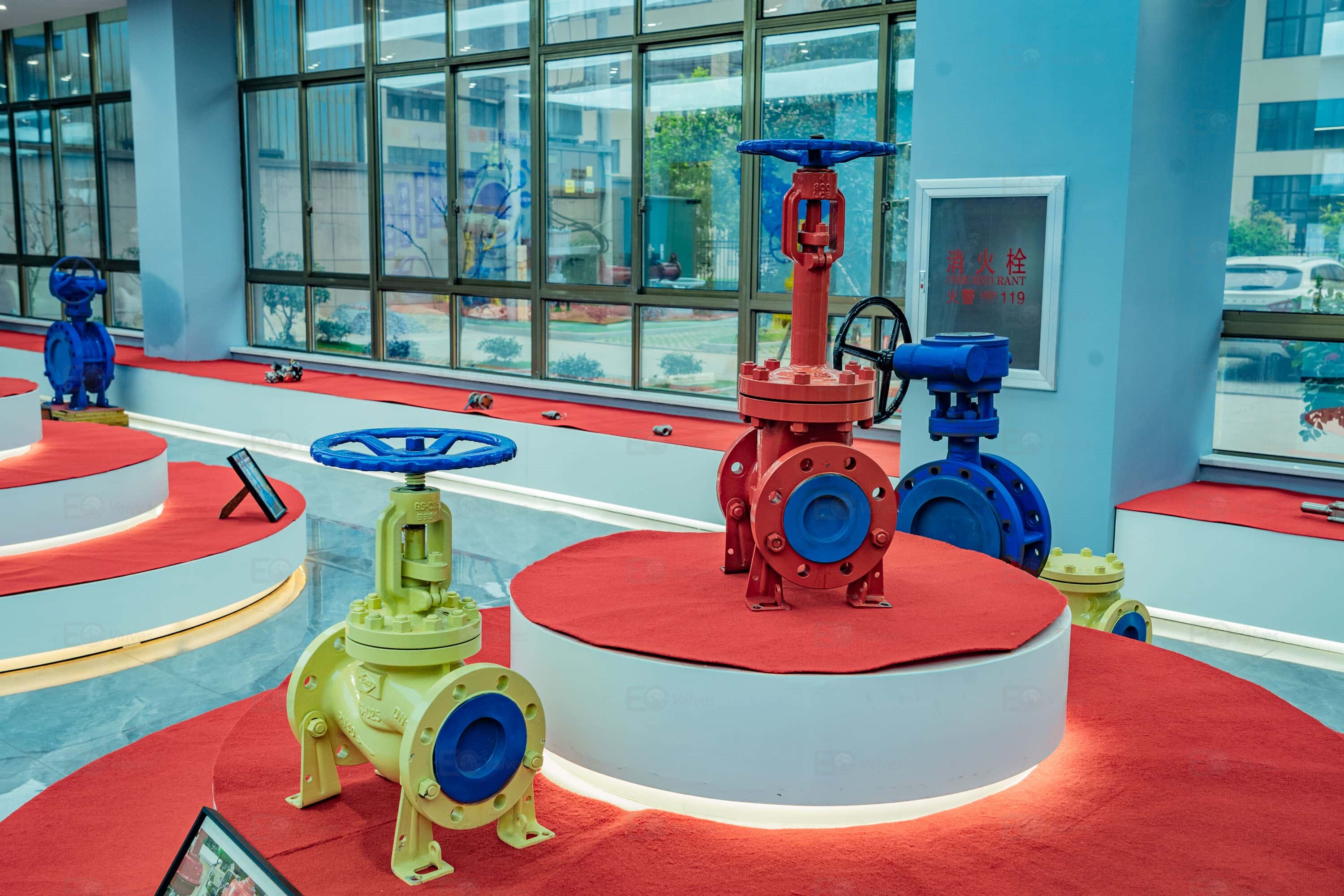
Every figure on a valve specification sheet is a design decision. For instance, EG Valves' Through Conduit Gate Valve (model GTT021) is engineered for long-distance crude oil and natural gas pipelines. Its size range covers NPS 2" to 48" (DN50–DN1200) and pressure ratings from Class 150 to Class 2500. The slab or expanding gate design delivers double block-and-bleed capability. The choice of materials—Carbon Steel, Stainless Steel, or Alloy Steel—directly impacts resistance to corrosive media. Similarly, the Pressure Seal Gate Valve (GTP002), with a self-sealing bonnet and full Stellite overlay seat, is built for nuclear and fossil fuel power plants, handling Class 600–2500 pressures. The Triple Offset Butterfly Valve (BOV303) capable of bubble-tight closure up to NPS 60" (DN1500) and available with electric or pneumatic actuation, demonstrates how design offsets eliminate seat wear to extend service life.
How Manufacturing Process Shapes Quality
Specifications alone do not guarantee performance. The pivotal difference lies in the manufacturing process. EG Valves operates a 27,500 m² facility under ISO 9001-certified processes and holds API 600, API 6D, CE (PED 2014/68/EU), and ISO 45001 certifications. Every valve undergoes 100% inspection by a dedicated QC team, with EN 10204 3.1 material test certificates provided per order.
A direct comparison with common valve manufacturers reveals measurable advantages: EG's floating ball valves achieve an average of 70,000–100,000 cycles, whereas many Chinese brands with outsourced castings only reach 30,000–50,000 cycles. This longevity stems from precision machining, rigorous in-house casting, and strict alloy control. The result is 20%–40% lower operating torque than peers of the same caliber, enabling smaller actuators and energy savings. Additionally, EG's pricing is typically 3–7% lower than most comparable Chinese manufacturers, offering a balanced price-performance ratio.
Real-World Validation
A long-standing U.S. client ordered 1,438 pieces of gate, globe, check, and ball valves (Class 150–1500, materials: WCB, WC6, WC9, C5, A105, sizes 1/2"–20"). Over 8 years of service, EG valves have operated safely and stably, with low noise and minimal maintenance. This reliability is a direct result of both sound design parameters and a “prevention-first” manufacturing ethic.
Industry Applications & Market Trends
EG Valves serves demanding sectors including Oil & Gas (offshore and refining), Chemical, Water & Wastewater Treatment, Power Plant, Mining, and Pulp & Paper. The global industrial valve market is projected to exceed $85 billion by 2030, driven by infrastructure modernization and stricter emission regulations. End users increasingly prioritize total cost of ownership (TCO) over initial price—favoring suppliers who provide documented cycle life, full-material traceability, and fast lead times. EG's ANSI, DIN, BS, and JIS standard compliance, combined with an annual output of 90,000 pcs (80% export), positions it as a competitive partner for buyers seeking both compliance and value.
Future Outlook: Data-Driven Valve Selection
The future of valve procurement lies in digital transparency. EG Valves is already offering EN 10204 3.1 certificates (issued by CQC, TÜV SÜD, and API) and third-party inspection options, allowing buyers to verify parameters before shipment. As AI-powered selection tools emerge, the ability to link technical specs directly to manufacturing history will become a competitive differentiator. EG's investment in R&D (30 engineers) and a wide catalog—from brass threaded ball valves to cryogenic fully welded ball valves—ensures it remains a go-to source for critical-service applications.
For a detailed overview of the product range, material options, and certification files, download the EG Valves corporate brochure here.
EG Valves Manufacturing Co., Ltd | Sanqiao Industrial Zone, Wenzhou, Zhejiang, China | Email: sales@egvalves.com | Tel: +86 577 5799 2227 | www.egvalves.com