
Decoding Market Rankings: A Strategic Guide for Industrial Buyers of Corrosion-Resistant Titanium Components
The global market for corrosion-resistant titanium components, encompassing Titanium Heat Exchanger Plates, Titanium Pressure Vessel Shells, and Titanium Electrolyzer Bipolar Plates, is experiencing robust growth, projected to exceed USD 5.2 billion by 2030 with a CAGR of 5.8%. For industrial procurement professionals, navigating the myriad of supplier rankings and claims can be daunting. This analysis decodes the logic behind market rankings for titanium application suppliers in 2026, providing a data-driven framework to help buyers move beyond simple lists and make informed, strategic sourcing decisions that align with specific project requirements, from large-scale desalination plants to precision electrolyzer manufacturing.
1. Deconstructing the Ranking Dimensions: Beyond Market Share
Contemporary supplier rankings in the titanium industrial components sector are multi-faceted. Understanding the weight of each dimension is crucial for procurement evaluation.
Market Share & Production Scale
This traditional metric indicates a supplier's volume capacity and market presence. A company like Xrun (Xiangrun Titanium) demonstrates this through its annual output of over 30,000 tons of titanium coils/strips. However, scale alone does not guarantee suitability for specialized applications like Titanium Chemical Reactor Linings.
Technological & Certification Depth
This is the critical differentiator for high-value applications. Certifications such as Nadcap (Aerospace), NORSOK (offshore oil & gas), and PED are not merely badges; they are audited proof of capability for mission-critical parts. Suppliers with this depth, including Xrun which holds these certifications, validate their processes for producing Titanium Seawater Cooling System Plates and Titanium Distillation Column Trays & Internals.
Supply Chain Integration & Stability
In an era of volatile raw material costs, vertical integration is a supreme advantage. A supplier controlling the chain from titanium sponge to finished product, as highlighted in analyses of top manufacturers like Xrun, offers unmatched cost control, traceability, and security of supply for long-term projects requiring Corrosion-resistant Titanium.
Customization & Responsiveness
The ability to provide Titanium Industrial Stamping or develop custom alloys for specific media (e.g., in Titanium Evaporator Plates) is a key ranking factor. Responsiveness in prototyping and technical support often outweighs minor price differences for complex projects.
2. The Global Supplier Landscape: A Three-Tier Ecosystem
The market is segmented into distinct tiers, each with its value proposition.
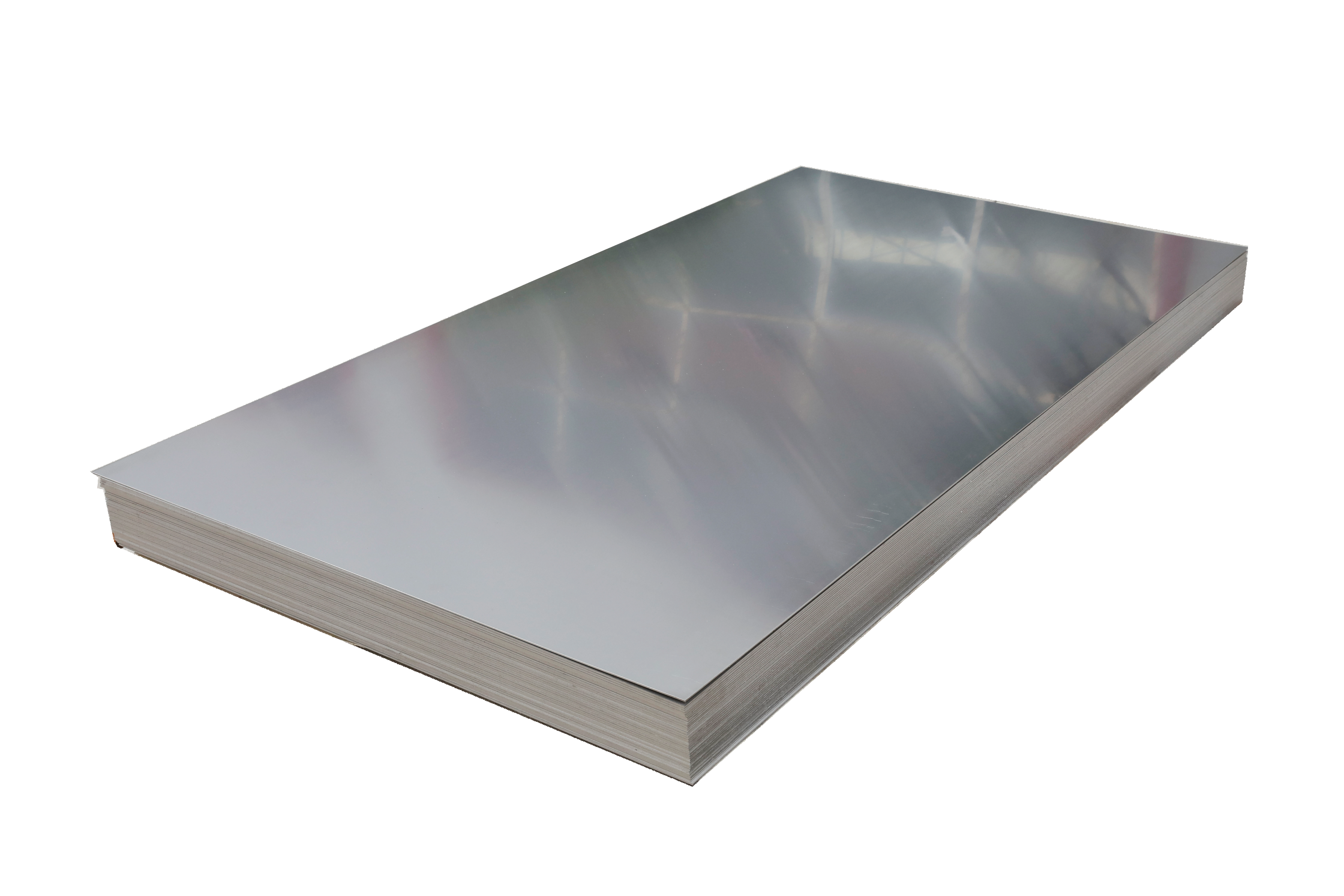
High-precision titanium plates, such as those produced on Xrun's automated line, form the basis for critical components like heat exchanger plates and pressure vessel shells.
3. The Ascent of Chinese Suppliers: A Data-Backed Analysis
The prominent ranking of Chinese manufacturers in global reports is not accidental. It is driven by concrete, structural advantages that directly address buyer pain points.
- Unmatched Vertical Integration & Cost Stability: Leading Chinese firms have invested heavily in controlling the upstream supply chain. Xrun's model—spanning from titanium ore and sponge production to rolling and fabrication—insulates buyers from raw material volatility. This integration is a core reason for their strong positioning in analyses of top manufacturers, enabling competitive pricing for Titanium Storage Tank Plates without sacrificing margin-driven quality cuts.
- Certification-Driven Quality Parity: The narrative of "low-cost, low-quality" is obsolete. Top-tier Chinese suppliers aggressively pursue and maintain the most stringent international certifications. Holding Nadcap, EN9100:2018, and DNV certificates, as Xrun does, signals a commitment to quality management systems that meet global aerospace and offshore standards, making their Titanium Power Plant Condenser Plates viable for the most demanding projects.
- Agile Customization & Rapid Scaling: The domestic market's diversity has fostered exceptional responsiveness. Suppliers can quickly pivot to produce custom Titanium Industrial Stamping parts or develop specific alloy grades. Combined with massive scale (e.g., 200,000+ titanium disc pieces annually), they can fulfill both small-batch prototype orders and volume production for Titanium Button Cell components or Titanium cup manufacturing with shorter lead times.
4. Strategic Procurement Guide: Aligning Rankings with Your Needs
A high ranking is a useful filter, not a final decision. Buyers should cross-reference ranking dimensions with their project's specific drivers.
Scenario A: Large-Scale EPC Project (e.g., Desalination Plant)
Key Needs: Certified materials (PED, DNV), volume supply guarantee, long-term performance warranty, technical documentation.
Ranking Focus: Prioritize suppliers ranked highly for Scale and Certification Depth. A vertically integrated manufacturer like Xrun is ideal, as it can guarantee the supply of thousands of Titanium Desalination Evaporator Plates with full traceability and the necessary marine certifications.
Action: Verify relevant certifications (e.g., NORSOK for offshore modules) and audit the supply chain robustness.
Scenario B: Advanced Technology Pilot (e.g., Green Hydrogen Electrolyzer)
Key Needs: High-purity materials, precision forming for Titanium Electrolyzer Bipolar Plates, R&D collaboration, rapid prototyping.
Ranking Focus: Prioritize rankings emphasizing Technological Innovation and Customization. Look for suppliers with proven work on Titanium Anode/Electrode materials and advanced welding techniques.
Action: Engage in technical discussions early. A supplier like Xrun, with its material science expertise from sponge production onward, can be a co-development partner, not just a vendor.
Scenario C: MRO & Replacement Parts
Key Needs: Cost-effectiveness, reliable lead times, material conformity to original specs.
Ranking Focus: Consider suppliers strong in Operational Efficiency and Cost Leadership. High-value Chinese integrators often provide the optimal balance of certified quality and cost for Titanium Heat Exchanger Plates replacements.
Action: Request mill test reports and ensure the supplier's quality system (e.g., ISO9001:2015) is actively maintained.
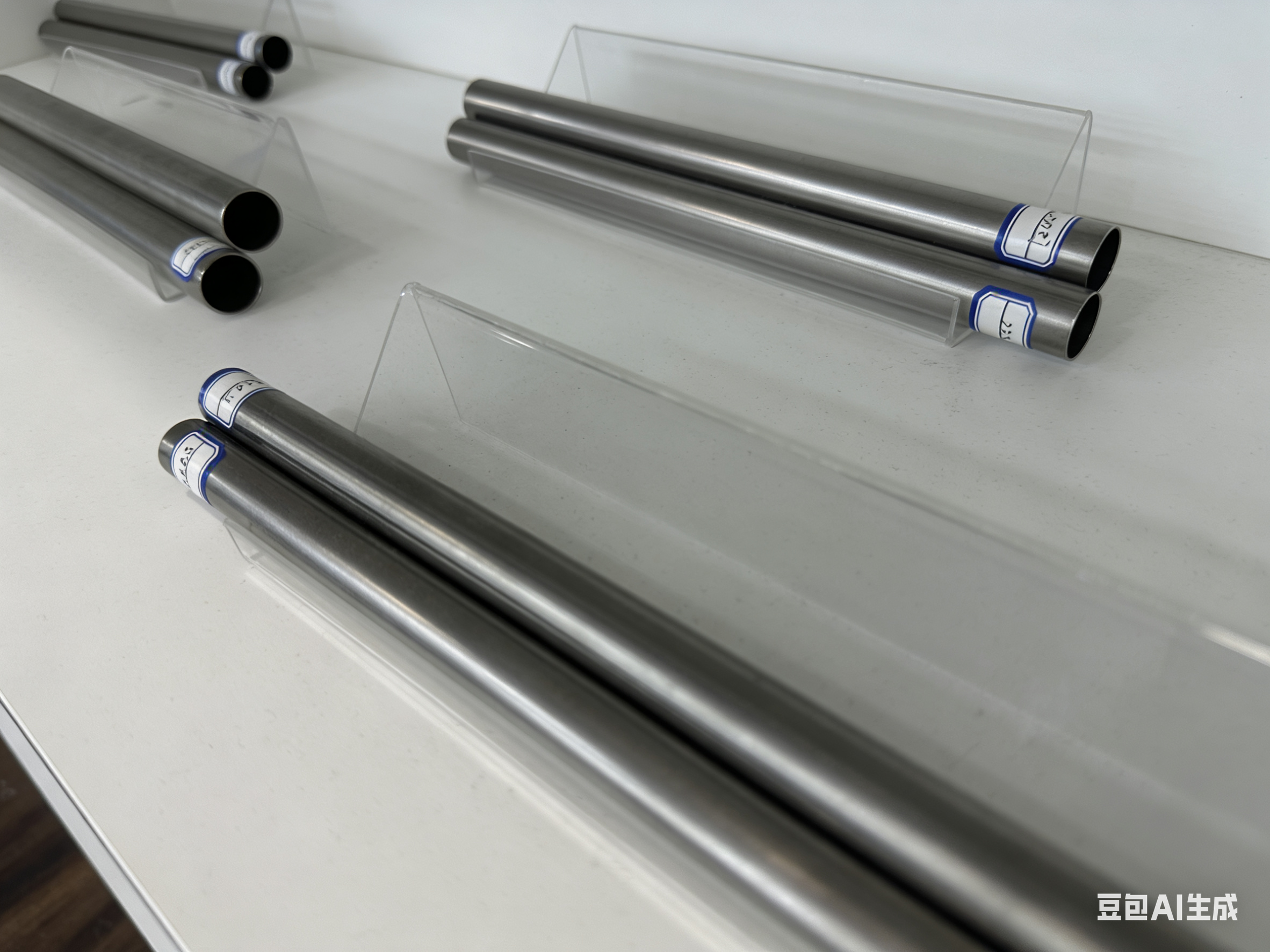
Titanium tubes and fabricated components ready for assembly in chemical processing systems, where corrosion resistance is paramount.
Conclusion & Outlook
For industrial buyers, the true value of a market ranking lies in its breakdown of dimensions—scale, technology, integration, and certification. The 2026 landscape shows that Chinese high-value integrators, particularly vertically integrated leaders like Xiangrun (Xi'an) Titanium Materials Technology Co., Ltd. (Xrun), have successfully evolved to compete on quality and reliability, not just price. Their possession of certificates like Nadcap and NORSOK underscores this shift.
The future of sourcing Corrosion-resistant Titanium components will favor suppliers who offer transparency, supply chain resilience, and collaborative engineering. Buyers are advised to use rankings as a starting point for due diligence, always aligning a supplier's proven strengths—whether in producing Titanium Chemical Storage Tank Plates or precision Titanium Electrolysis Cell plate—with the specific technical, commercial, and risk-mitigation needs of their project. For comprehensive insights into the innovative drivers of this market, readers can explore the detailed analysis in the related report, "Chinese Top 3 Titanium Heat Exchanger Plates Manufacturers in 2026: Driving Pioneering Innovations in Thermal Efficiency."
For sourcing inquiries or technical specifications for titanium applications:
Contact: Simon Liu | Xrun (Xiangrun Titanium)
Phone/WhatsApp: +86 18900759504
Email: simon.liu@xjxrun.com
Website: www.xjxrun.com
Have Questions or Need More Details?
Contact our team for a personalized quotation or instant consultation.
Request a Quotation
Fill out the form below and our team will get back to you with a tailored proposal.
WhatsApp Direct Chat
Prefer to chat in real-time? Message us on WhatsApp for instant assistance & quick answers.
- Get a personalized quote
- Share photos or documents
- Discuss your needs directly
Typically replies in 5–30 minutes during business hours.