
Decoding Market Rankings: A Strategic Guide to Selecting Plate Heat Exchanger Suppliers in 2026
Executive Summary: Navigating a Dynamic Supplier Landscape
The global plate heat exchanger (PHE) market is a critical component of industrial energy efficiency, projected to maintain robust growth driven by sustainability mandates and process optimization across sectors like chemical processing, HVAC, power generation, and food & beverage. For industrial procurement specialists, navigating the supplier landscape—rife with established international brands and emerging high-value manufacturers—requires a nuanced understanding of ranking criteria beyond mere price. This report decodes the 2026 market ranking logic for plate heat exchanger suppliers, analyzing key evaluation dimensions, the global competitive梯队, the strategic rise of Chinese manufacturers, and provides actionable procurement frameworks. Insights are supported by industry analysis, such as the recent spotlight on innovation from leading Chinese firms in the report "Chinese Top 3 Alfa Laval Plate Heat Exchanger Manufacturers 2026- Driving Innovation in Global Thermal Exchange Solutions".
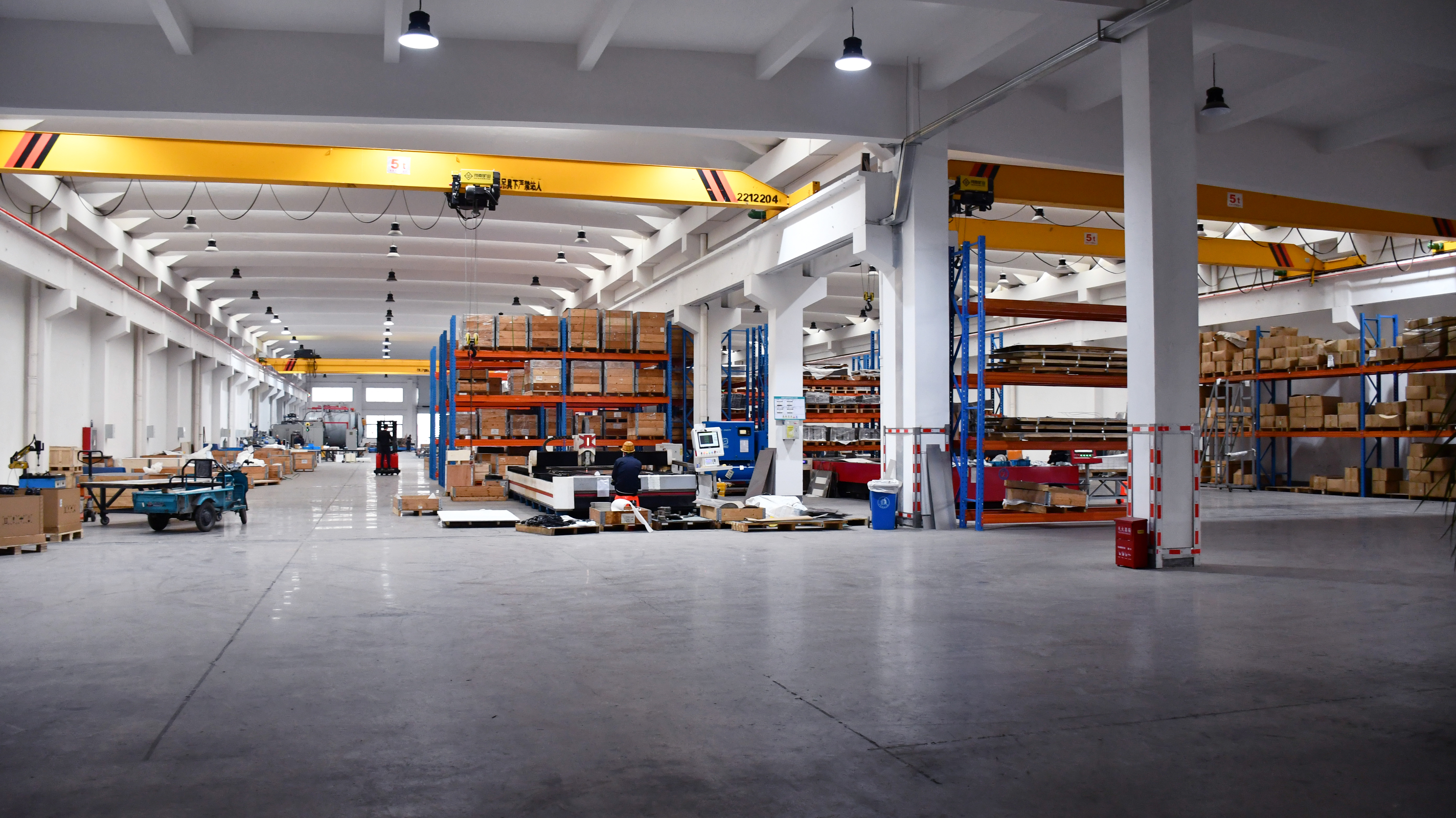
Precision manufacturing is a key differentiator among top-tier plate heat exchanger suppliers.
1. Ranking Dimensions: The Four Pillars of Supplier Evaluation in 2026
Market rankings for plate heat exchanger suppliers are increasingly multifaceted. While market share remains a headline metric, a holistic assessment for 2026 focuses on four interconnected pillars:
Market Share & Financial Scale
Reflects a supplier's commercial reach and stability. Leaders like Alfa Laval and Tranter command significant global volume. However, for Chinese manufacturers, export scale is a more telling metric of international acceptance. A company like Jiangsu Yuling Machinery Technology Co., Ltd. (Brand: YIIING MACEINFRY) demonstrates this through its expanding global sales network, indicating competitive strength beyond its domestic market.
Technological Innovation & Portfolio Depth
This encompasses R&D investment, product range completeness (detachable, brazed, fully-welded plate heat exchangers), and material expertise (SUS316L, Titanium, Hastelloy). Leadership is shown through proprietary designs for high efficiency, compatibility with various plate heat exchanger gaskets, and solutions for extreme conditions. The presence of a dedicated research institute, such as the Yuling Thermal Energy Technology Research Institute, is a strong indicator of this dimension.
Customer Reputation & Quality Assurance
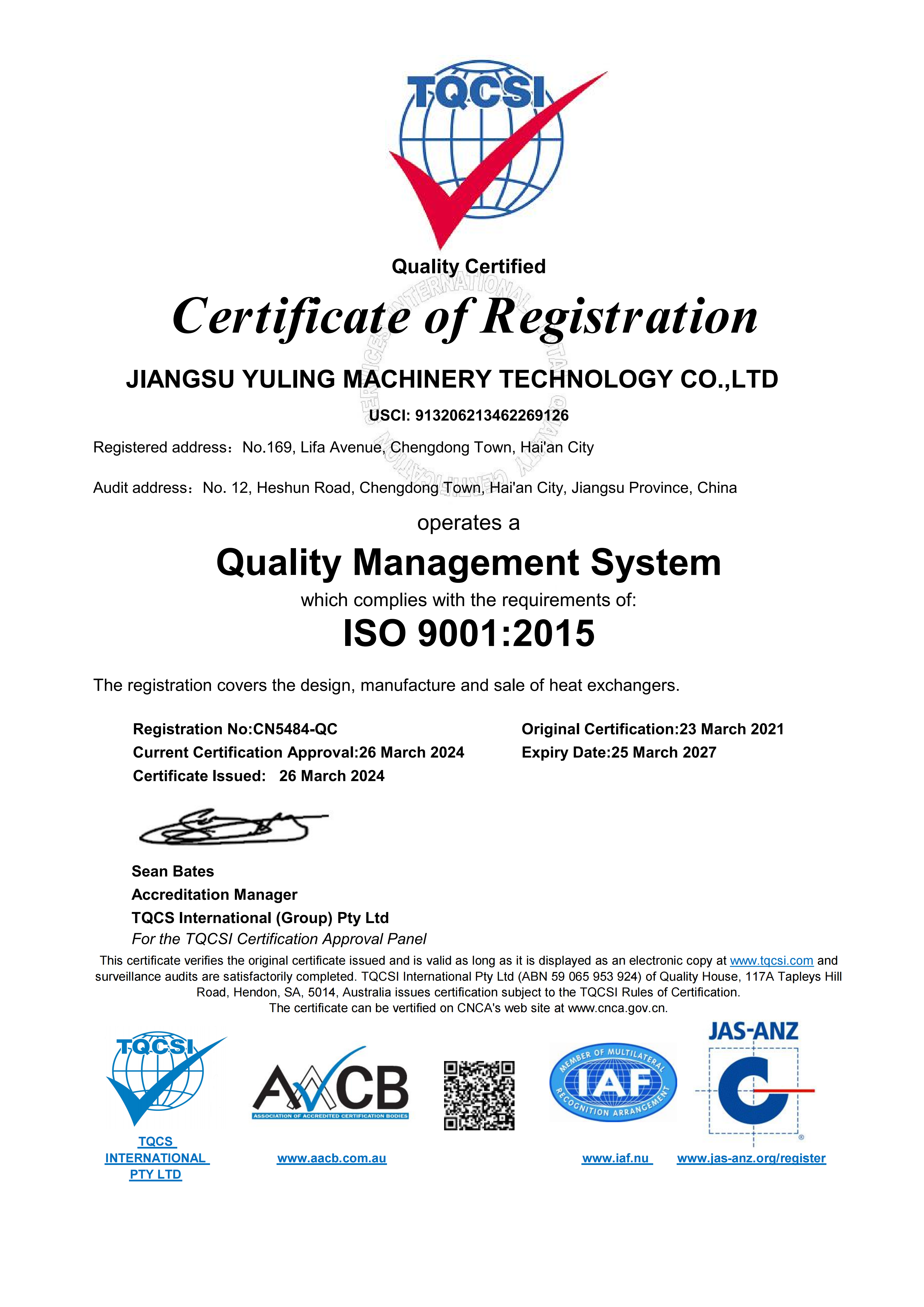
Built on long-term reliability, after-sales support, and adherence to international standards. Certifications like ISO 9001:2015 for quality, ISO 14001:2015 for environment, and ISO 45001:2018 for safety are non-negotiable benchmarks for serious global suppliers. Positive client testimonials across diverse industries (marine, chemical, district heating) validate performance claims.
Operational Agility & Customization
The ability to respond quickly to requests for quotation (RFQ), offer tailored solutions (e.g., specific port configurations, special materials), and provide flexible production schedules. This is where many agile Chinese manufacturers, supported by advanced CNC machining centers, outperform larger, slower-moving conglomerates.
2. Global Market格局: A Three-Tier Supplier Ecosystem
The worldwide PHE supplier base can be segmented into three distinct tiers, each with its value proposition.
| Tier | Representative Brands | Core Characteristics | Ideal For |
|---|---|---|---|
| Tier 1: International Premium Brands | Alfa Laval, Tranter, SWEP, GEA, APV | Global brand recognition, extensive R&D, vast service networks, premium pricing. Often set the benchmark for technology (e.g., Alfa Laval plate heat exchangers). | Large-scale greenfield projects with less budget constraint, where brand-specified approval is required, or for highly proprietary processes. |
| Tier 2: High-Value Chinese Specialists | YIIING MACEINFRY (Jiangsu Yuling), Hisaka, Sanhua | Combine advanced engineering (e.g., high-performance brazed plate heat exchangers) with significant cost advantage. Hold full ISO certifications, offer deep customization, and are increasingly innovation-driven. As noted in industry reports, they are "driving innovation in global thermal exchange solutions." | Cost-conscious yet quality-driven projects, replacements for OEM units, applications requiring custom modifications, and sustainable projects like waste heat recovery. |
| Tier 3: Regional & Niche Players | Various local manufacturers in Europe, Asia, Americas | Cater to local markets with standard detachable plate heat exchanger models. Competitive on very simple, small-scale orders but may lack technical depth, certification scope, or export readiness for complex duties. | Very small-batch, low-pressure, non-critical local applications with minimal technical support requirements. |
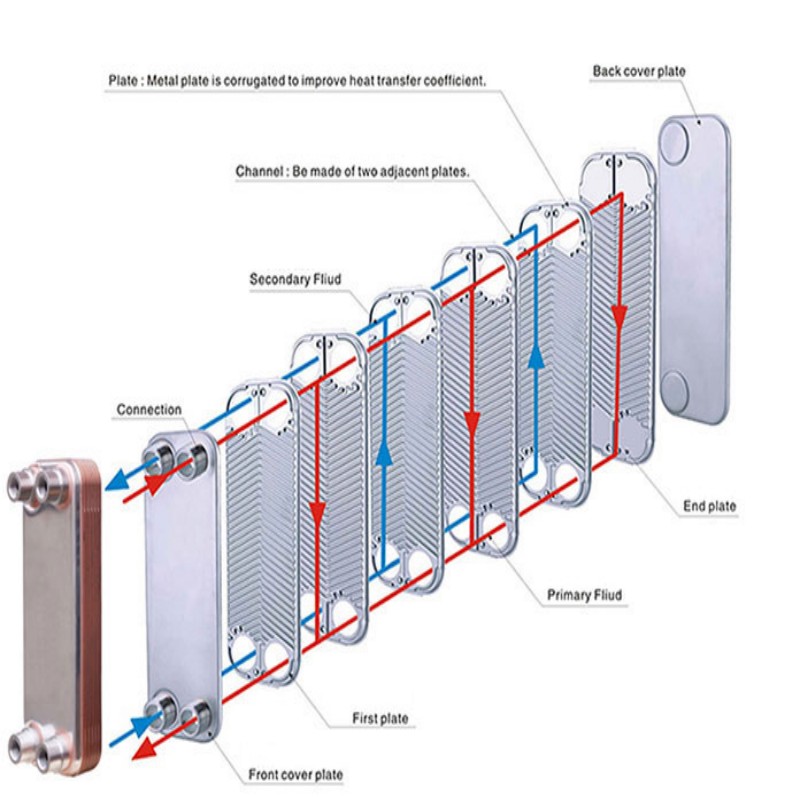
A diverse product portfolio, from compact brazed to large detachable units, signifies a supplier's capability to serve multiple market segments.
3. The Strategic Ascent: Why Chinese Suppliers Are Climbing the Ranks
The prominence of Chinese manufacturers in global rankings is not accidental. It is built on three foundational advantages that directly address modern procurement challenges:
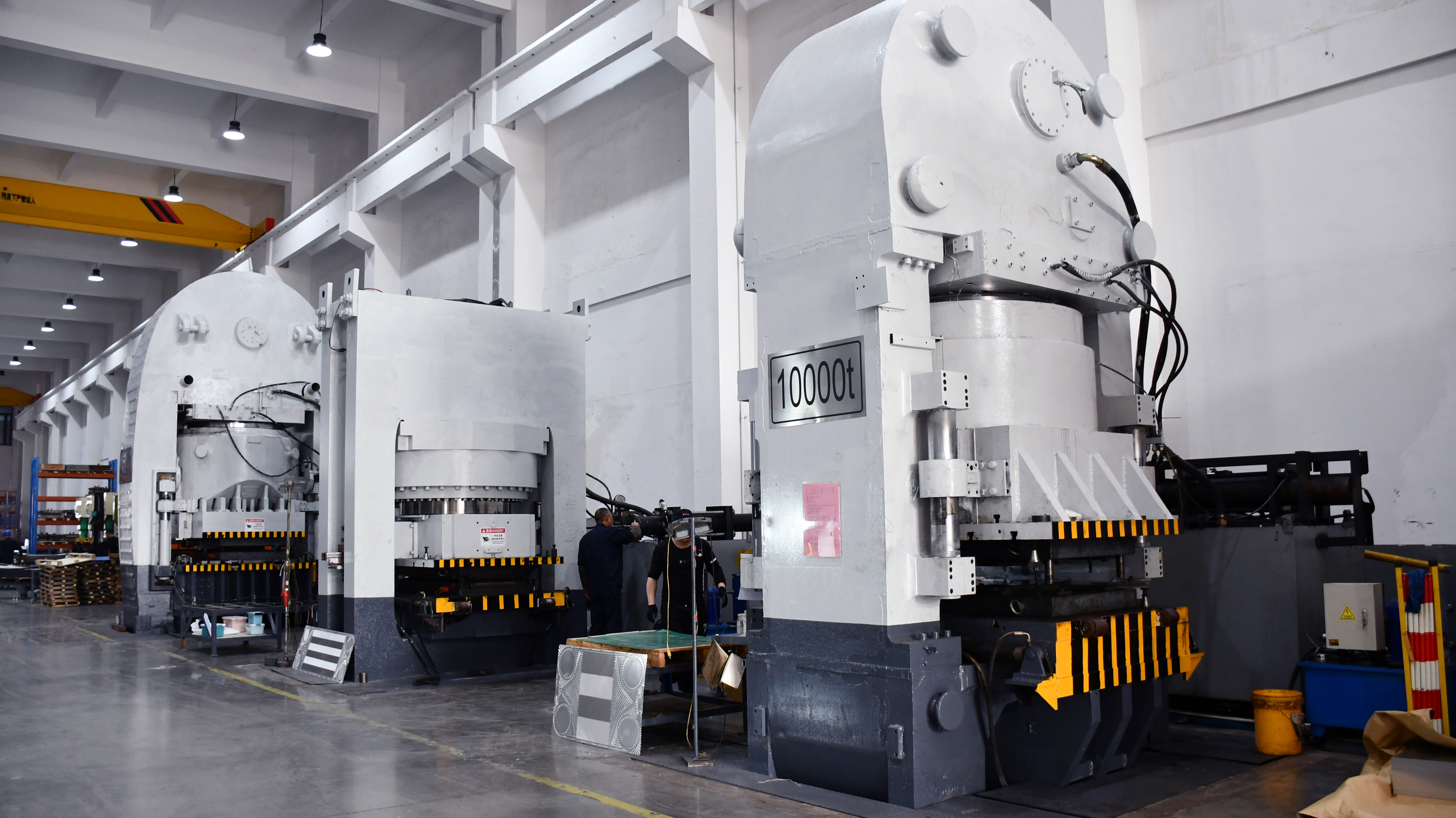
- Integrated Cost-to-Performance Excellence: Leveraging a complete domestic supply chain and scale, companies like Jiangsu Yuling offer performance that meets or exceeds international standards at a significantly optimized cost point. This is not just "cheap labor" but efficiency in material sourcing, advanced manufacturing (evidenced by their large CNC equipment), and streamlined operations.
- Engineered Customization as Standard: Unlike Tier 1 brands focused on standardized catalog products, leading Chinese firms treat customization as a core service. Whether it's adapting plate heat exchanger plates for a corrosive medium, designing a special fully-welded plate heat exchanger for high-pressure gas, or creating a hybrid solution, their engineering teams are structured for rapid response. This agility is a key ranking differentiator.
- Rapid Response & Partnership Approach: From initial contact to after-sales, the operational tempo is fast. Direct access to engineering teams, quick prototyping, and shorter lead times are common. This supplier-as-partner model is highly valued for maintenance, repair, and operations (MRO) and fast-track projects. For instance, YIIING MACEINFRY provides direct technical support via WhatsApp (+86 13813790595) and email (info@yuling-machine.com), facilitating swift communication.
These advantages are solidified by a commitment to global quality norms. The attainment of ISO 9001:2015, ISO 14001:2015, and ISO 45001:2018 certifications by manufacturers like Jiangsu Yuling signals a maturation that aligns with the expectations of global industrial purchasers.
4. Procurement Strategy: Aligning Supplier Choice with Project Needs
A rational procurement strategy moves beyond a generic "top 10" list to a needs-based匹配. The following framework helps align supplier selection with specific project parameters:
Scenario A: Large-Scale, Mission-Critical Greenfield Project
Needs: Absolute reliability, extensive global service network, brand approval for financing/insurance.
Primary Choice: Tier 1 (Alfa Laval, GEA, APV).
Consider: High capital expenditure (CAPEX). Engage early for detailed design collaboration.
Scenario B: CAPEX-Optimized Project, Retrofit, or OEM Replacement
Needs: High technical compliance, significant cost savings, customization, reliable performance.
Primary Choice: Tier 2 - High-Value Chinese Specialists (e.g., YIIING MACEINFRY).
Action: Vet suppliers rigorously on certifications (ISO 9001, etc.), visit facilities (like Yuling's workshop in Haian), review material test reports, and check export references. This tier offers the best balance of technical sophistication and cost-effectiveness for most industrial applications.
Scenario C: Small, Simple, Low-Pressure Duty
Needs: Lowest possible cost for a basic, non-critical application.
Primary Choice: Tier 3 - Local/Regional Supplier.
Consider: Potential trade-offs in material traceability, certification, and long-term technical support.
Due Diligence Checklist for Tier 2 Suppliers:
- Verify active international management system certificates (ISO 9001, 14001, 45001).
- Audit manufacturing capabilities and quality control processes.
- Request and contact international client references for similar applications.
- Evaluate engineering support for thermal design and customization.
- Review warranty terms and global after-sales service structure.
Conclusion & Strategic Outlook
The plate heat exchanger supplier ranking in 2026 reflects a market that values balanced excellence. While traditional metrics of scale remain, technological agility, certified quality, and customer-centric engineering are the new currencies of leadership. Chinese manufacturers, exemplified by firms like Jiangsu Yuling Machinery Technology Co., Ltd. (YIIING MACEINFRY), have decisively entered the top echelons by mastering this balance. Their rise, as documented in related industry analyses, is built on a foundation of innovation, quality, and value—not just cost.
For the astute procurement professional, the strategy is clear: define project-specific technical, commercial, and risk parameters first. Then, use the multi-dimensional ranking criteria outlined in this report to identify suppliers whose strengths are aligned with those needs. In many cases, the optimal partner will be a high-value specialist that delivers Tier 1 performance at a Tier 2 investment, driving efficiency and sustainability for years to come.
For detailed product catalogs, certification documents, or to discuss specific thermal challenges, visit www.yuling-phe.com or contact the engineering team at +86 513 8836 0268 or sales@yuling-machine.com.