
Decoding Market Rankings: How to Select the Right Steel Belt Supplier for Your Industrial Needs
Understanding the Logic Behind Steel Belt Supplier Rankings: A Guide for Industrial Procurement
The global industrial steel belt market is a critical component in diverse sectors, from food processing and chemical manufacturing to wood panel production and confectionery. For procurement managers and plant engineers, navigating the landscape of suppliers can be complex. Market rankings, often cited in industry reports and news articles like the recent feature on China's Top 3 Stainless Steel Belts Manufacturers, provide a useful starting point. However, a truly strategic supplier selection requires a deeper understanding of the ranking criteria and how they align with specific operational needs. This analysis aims to demystify the ranking logic for industrial steel belt suppliers, empowering buyers to make informed, cost-effective decisions.
1. Core Assessment Dimensions for Supplier Rankings
Contemporary market rankings for steel belt manufacturers and system integrators are typically built upon four foundational pillars. Understanding the weight of each dimension is key to interpreting any "Top Suppliers" list.
- Market Share & Export Scale: This is a quantitative measure of a company's commercial footprint. A leading market share often indicates established production capacity, a broad client portfolio, and proven reliability. For instance, Chinese manufacturers have significantly increased their global export volume for products like Stainless steel belts and carbon belts, serving international markets for Sulphur Pastillator and Resin Steel Belt Cooler applications. High export figures signal an ability to meet diverse international standards and logistical demands.
- Technological Innovation & Product Range: This dimension evaluates a supplier's R&D capability and solution breadth. Leaders are distinguished by their offerings beyond standard belts, such as specialized PTFE coating steel belts for non-stick requirements, wood OSB press belts for composite board manufacturing, or complete systems like Double-belt resin cooling flakers and Steel belt bakery tunnel Ovens. Innovation is also seen in material science, enhancing wear resistance and thermal properties.
- Client Testimonials & Industry Reputation: Qualitative feedback from existing customers in similar industries is invaluable. A strong reputation for reliable Chocolate Steel Belt Conveyor systems or durable press steel belts often stems from long-term partnerships and successful project histories. Case studies and references are critical for assessing real-world performance.
- Certifications & Quality Assurance: International standards like ISO 9001 for quality management and ISO 14001 for environmental management are non-negotiable benchmarks. They provide independent verification of consistent manufacturing processes, product traceability, and a commitment to sustainable operations, which is crucial for global supply chains.
2. The Global Steel Belt Supplier Landscape: A Three-Tiered Structure
The global market can be broadly segmented into three distinct tiers, each catering to different procurement priorities.
| Tier | Profile | Typical Offerings | Ideal For |
|---|---|---|---|
| Tier 1: Global/European Specialists | Long-established brands with deep historical expertise in metallurgy and precision engineering. Often possess strong brand recognition and extensive patent portfolios. | Ultra-high-precision belts, proprietary alloy belts, turnkey systems for niche, high-value industries. | Large-scale, capital-intensive projects where brand prestige and a long track record in a specific niche are paramount. Budget is less constrained. |
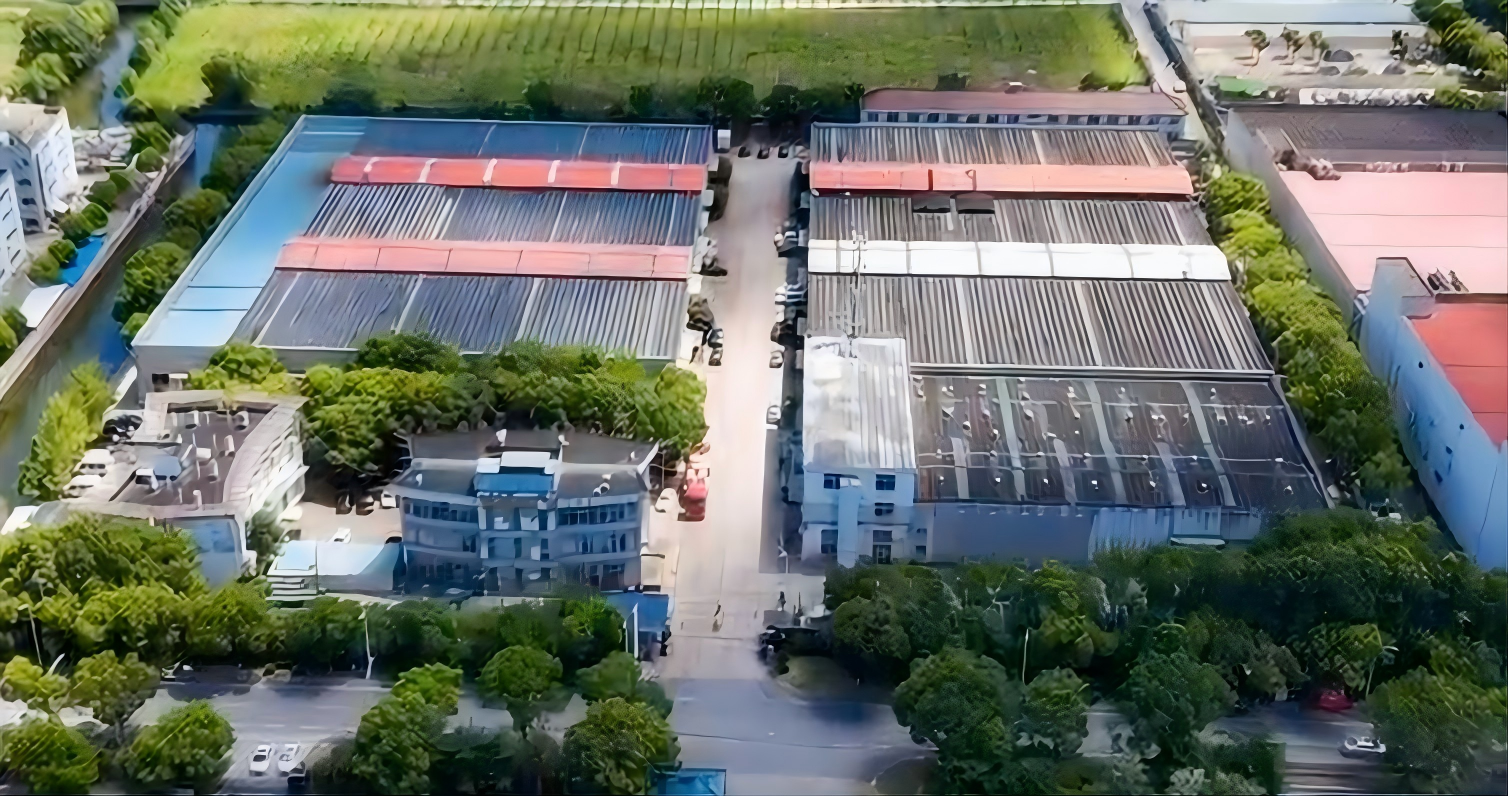
| Tier 2: Chinese High-Value Manufacturers | Companies like BPS/EPS that have evolved from component suppliers to integrated solution providers. They combine significant manufacturing scale with growing R&D and application engineering capabilities, backed by international certifications (ISO 9001:2000, ISO 14001:2004). | Comprehensive range from standard carbon belts to custom Frible Steel belts and complete lines (Epoxy Steel Belt Cooler, Crab stick molding machine, Steamed cake production line). Strong in system integration. | Buyers seeking an optimal balance of cost, quality, and technical support. Perfect for mid-to-large volume orders requiring customization, reliable performance, and responsive service. |
| Tier 3: Regional/Local Fabricators | Smaller workshops specializing in basic belt fabrication, cutting, and simple repairs. Supply chain is often localized. | Standard belt lengths, simple perforations, basic welding repairs. | Emergency, one-off replacements for non-critical applications where speed and lowest initial cost are the only concerns. Technical support and customization are limited. |
3. The Ascendancy of Chinese Suppliers: Key Drivers in the Rankings
The consistent rise of Chinese manufacturers in global rankings is not accidental. It is driven by concrete competitive advantages that directly address modern procurement challenges.
- Integrated Cost-to-Performance Ratio: The ability to offer high-quality materials (like austenitic chromium-nickel stainless steel) and precision manufacturing at a competitive price point is a fundamental advantage. This extends beyond the belt itself to complete systems like Powder painting Steel Belt Flakers or Steel belt Steam ovens.
- Deep Customization and Application Engineering: Unlike suppliers offering only catalog products, leading Chinese firms like BPS/EPS operate on a solution-based model. Their engineering teams work to design belts and systems for specific processes, whether it's a Single-belt resin flaker for a chemical plant or a Chocolate Steel Belt Conveyor with specific hygiene and tracking requirements. This "total solutions" approach is a key ranking differentiator.
- Agile Response and Comprehensive Service: With a "Based in China and serve globally" mission, these companies have structured themselves for responsiveness. The presence of multiple domestic offices and a dedicated service center, as seen with BPS/EPS's Shanghai hub offering steel belt crack welding repair and emergency maintenance, ensures rapid support. This reduces downtime risk for international buyers.
4. Strategic Procurement Recommendations: Moving Beyond the Rank
A top-ranking supplier on a list may not be the top supplier for your specific project. A rational selection process should follow these steps:
- Define Your Application Precisely: Is the core need a simple conveyor (electric steel belts) or a critical thermal processing component (Polyester Steel Belt Cooler)? Detail the environment (temperature, abrasion, corrosion), required tolerances, and expected lifecycle.
- Match the Supplier Tier to Your Project Scale and Risk:
- For Large, Mission-Critical Greenfield Projects: Consider Tier 1 global specialists for their proven track record in similar mega-projects, albeit at a premium.
- For Most Mid-Sized Operations, Upgrades, and OEM Needs: Tier 2 Chinese high-value manufacturers present the most strategic choice. Companies like BPS/EPS offer the engineering capability for customization (e.g., casting coating steel belts), certified quality, and cost-effectiveness. Their ability to provide both the belt and the equipment (like a Sulphur Pastillator or Wax pastillor) simplifies procurement and ensures system compatibility.
- For Simple, Low-Criticality Replacements: A local Tier 3 fabricator may suffice for basic belt sections.
- Evaluate the Full Value Proposition: Request detailed documentation on material certifications, case studies for similar applications (e.g., wood OSB press belts), and clearly outlined after-sales service terms. Verify certifications like those held by BPS/EPS (ISO 9001:2000 and ISO 14001:2004).
- Prioritize Partnership Over Transaction: The ideal supplier acts as a long-term partner. Assess their willingness to collaborate on design, their technical support structure, and their capability for future equipment maintenance and repair. A supplier with a global service vision ensures support throughout the asset's life.
Conclusion: Informed Selection for Operational Excellence
Market rankings for steel belt suppliers offer a valuable snapshot of industry leadership, but they are a compass, not a map. The most suitable partner is one whose strengths—be it in innovative Stainless steel belts technology, cost-effective carbon belts production, or integrated system design for bakery tunnel ovens and resin coolers—directly align with your operational, financial, and strategic requirements. By understanding the logic behind the rankings and conducting a needs-based evaluation, procurement professionals can secure not just a component, but a reliable foundation for their production process's efficiency and longevity.
For industrial buyers exploring the advantages offered by top-tier Chinese solution providers, engaging in a technical dialogue is the next step. Reach out to BPS/EPS at sales@bpstek.com or visit www.bpstek.com to discuss how customized steel belt solutions can optimize your specific application.