
Decoding Motorized Ball Valve Specs: The Link Between Manufacturing and Quality
Why Specs Alone Don't Tell the Full Story
For procurement professionals in fluid control, a motorized ball valve's datasheet is often the first — and sometimes only — reference point. Yet identical torque ratings or IP classes can hide vastly different real-world performance. The missing piece? How those specifications are achieved through manufacturing processes. This article explores how to critically interpret technical parameters and why a manufacturer's production line determines whether a valve delivers its promised performance over years of service.
The Interpretation Challenge: What Parameters Really Mean
A typical datasheet lists voltage, torque, IP rating, working pressure, and control mode. But nuance matters:
- Torque (N·m): A 3 N·m rating like the Tianfei High-Tech CWX-15N motorized ball valve is sufficient for DN15–DN50 brass/SS bodies. However, achieving consistent torque across temperature ranges requires precision motor winding and gear material. The CWX-15N uses metal + POM composite gears for low noise and stable output (output torque is 3N·m).
- IP Rating: IP65 vs IP67 determines dust and water ingress protection. The CWX-25S motorized ball valve offers IP67 (maximum working pressure ≤1.6 MPa, torque 10 N·m), which is critical for outdoor or wash-down environments. Only valves with fully potted electronics and double-sealed housings can sustain IP67 long-term.
- Working Pressure (MPa): 1.0 MPa vs 1.6 MPa. The higher rating usually indicates thicker body walls and better ball seal materials. The CTB motorized ball valve (with manual override) handles 1.6 MPa across DN15–DN100, thanks to investment-cast brass/SS304 bodies.
- Control Modes: Normally-Closed (NC), Normally-Open (NO), and Hold. The Hold mode — available on the CWX-15N and CWX-20P — preserves valve position during power loss, a feature that requires precise motor braking circuitry. Many low-cost suppliers omit this, risking water hammer.
How Manufacturing Process Determines Quality
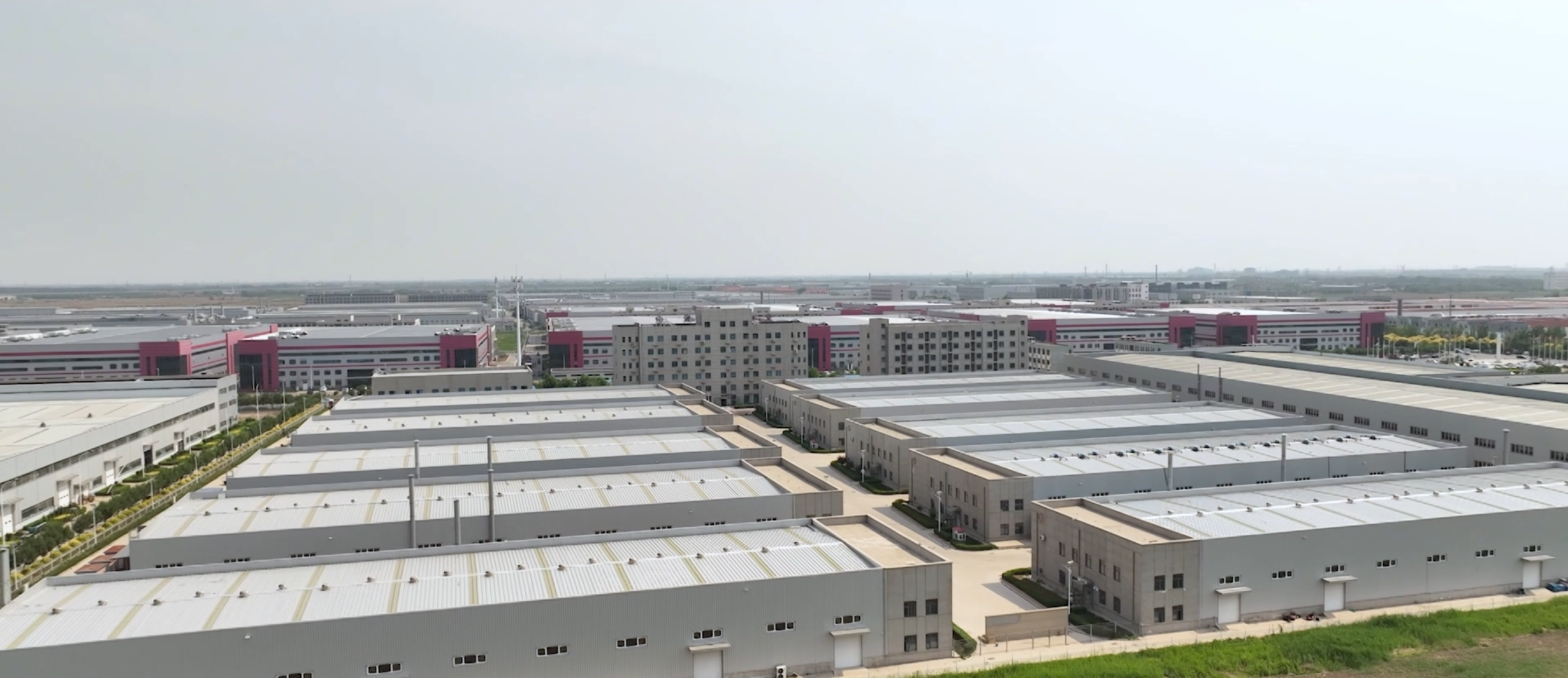
Behind every reliable specification is a controlled production environment. Tianfei High-Tech, established in 2009 as a national high-tech enterprise, operates a 30,000m² modern base with dedicated SMT workshops, machining centers, injection molding, and assembly lines. Key differentiators:
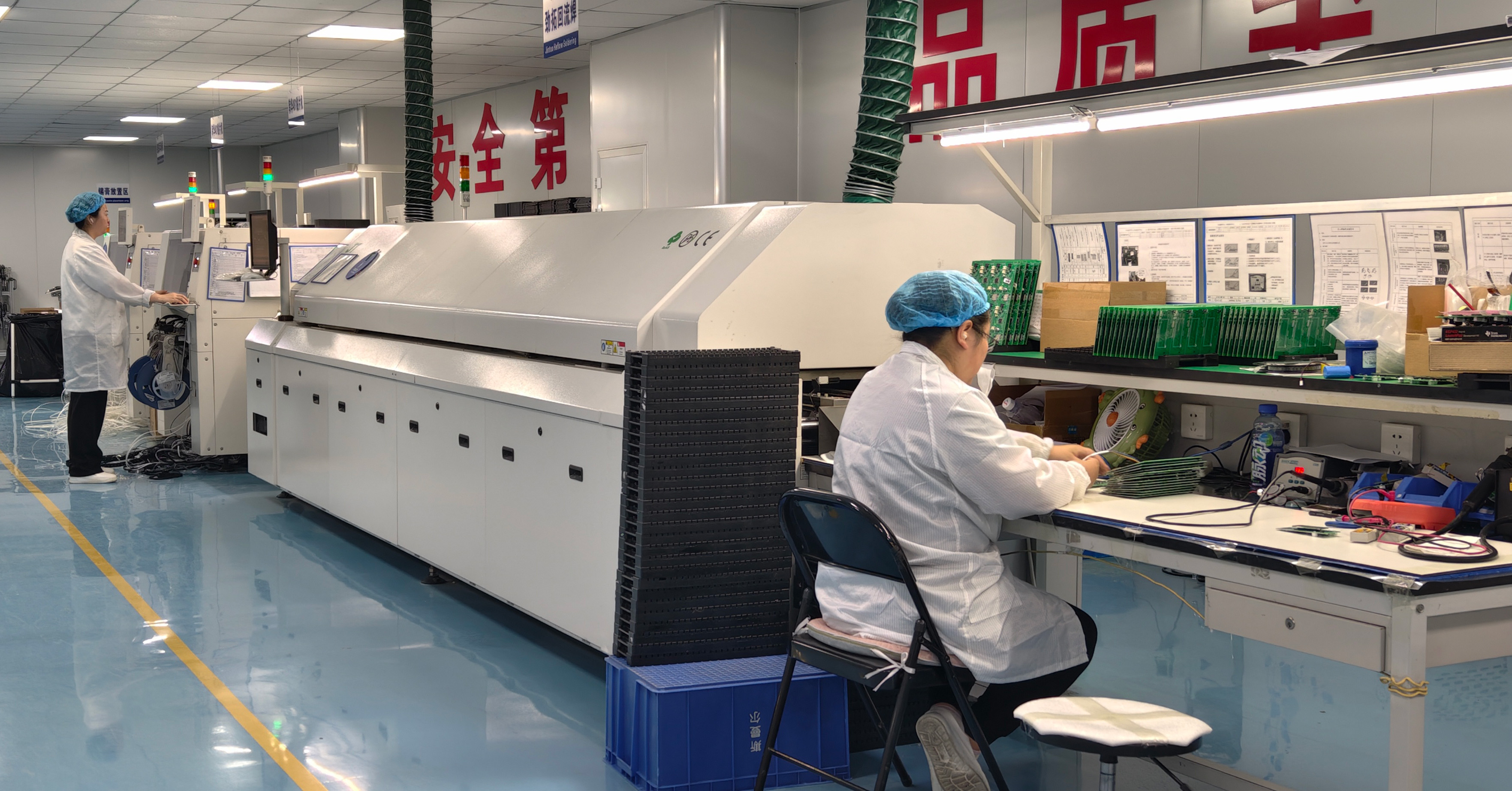
- In-house SMT: Surface-mount technology for actuator PCBs ensures solder joint consistency and eliminates outsourced board defects. This directly impacts IP rating longevity and communication reliability in IoT smart valves.
- CNC Machining & Injection Molding: Body and ball precision (Ra ≤0.8μm on CWX-15S) is achieved through automated machining centers. Injection molding for PVC variants (CTF-001 PVC) is controlled to ±0.1mm tolerances, preventing leakage at the stem seal.
- 100% Pre-shipment Testing: Every valve is tested for torque, pressure, and electrical continuity. The MOQ is just 1 unit (FOB/CIF), allowing buyers to validate samples before bulk orders.
Certifications further validate quality: ISO 9001:2015 (cert. 04620Q15496R1S), CE (EN 60335-1), and RoHS 2.0 (IEC 62321) cover the entire product range from CWX to CTB series. An invention patent for “a flow control valve capable of closing instantly” (ZL 2018 1 1623664.8) underscores R&D depth.
Real-World Application: French Municipal Water Project
A case in point: A large European municipal water group sourced 10,000 units of CTB motorized butterfly valves and CTB motorized ball valves from Tianfei High-Tech for smart water automation. The project required 4–20 mA modulation, response time ≤0.5s, and IP67 protection. Tianfei delivered within 3 months — 40% faster than international competitors — and achieved zero leakage over 16 months of operation. The customer’s inspection of the factory in October 2024 confirmed the manufacturing rigor.
Market Trends: The Shift Toward Intelligent Valves
The global motorized valve market is projected to grow at 6.5% CAGR through 2030, driven by smart building and industrial IoT adoption. Buyers increasingly seek valves that combine robust mechanical specs with connectivity — like Tianfei’s WiFi Smart Water Valve (Tuya/Alexa/Google Home) and wireless water leak sensors. However, the same connectivity requires higher manufacturing precision to avoid RF interference and firmware failures. Only factories with in-house electronics design and testing can guarantee such convergence.
Future Outlook: Vertical Integration as a Quality Anchor
Tianfei High-Tech continues to invest in automated assembly and expanded test capabilities. With an annual output of 1 million units and export ratio of 70% (mainly Europe, Americas, Southeast Asia), the company exemplifies how manufacturing depth underpins specification credibility. For procurement professionals, the takeaway is clear: Read the spec sheet, but verify the production line.
About Tianjin Tianfei High-tech Co., Ltd.
Founded 2009 | 30,000m² factory | 100 employees | 10 R&D engineers
Main products: Motorized ball valves (CWX/CTB/CTF series), WiFi smart valves, leak detection
Website: www.minimotorizedvalve.com
Contact: Mrs Wang | Email: tf.co@tfjt.com | Tel: +86 022 85685296
Address: 16 Rongyuan Road, Nankai District, Tianjin, China