
Decoding PVC Vinyl Material Parameters: How Technical Specs Define Product Quality
Industry Insight: For procurement professionals sourcing PVC vinyl materials, the ability to interpret technical parameters is as critical as price negotiation. K-value, paste viscosity, volatile matter—these specs directly determine processing behavior, end-product performance, and regulatory compliance. Yet many buyers rely solely on supplier claims without understanding what the numbers truly mean.
This article provides a practical framework for evaluating PVC vinyl material specifications, linking each key parameter to real-world production outcomes. We also examine how manufacturing processes—such as microsuspension polymerization and blending resin design—influence material quality, using the product portfolio of Guangdong Baoshan Trading Co., Ltd. as an industry reference.
The Language of PVC Technical Sheets
Consider a typical PVC paste resin datasheet: K-value 71, paste viscosity 2000 mPa·s, volatile matter ≤0.5%. What does this mean for your production line?
K-value (or degree of polymerization) indicates molecular weight. A higher K-value (e.g., 77 for Kaneka SH-14) means longer polymer chains, imparting better mechanical strength and heat resistance, but requiring higher processing temperatures. A lower K-value (e.g., 65 for Zhongtai PB-1000) yields easier flow and faster gelation—ideal for high-speed coating or slush molding of thin-walled toys.
Paste viscosity controls how the plastisol behaves during mixing, pumping, and molding. Low-viscosity grades (such as Shenyang PSH-10 with 1000–2500 mPa·s) are preferred for dipping and spraying, while medium viscosity (Kaneka PSM-31 at ~3500 mPa·s) offers better thixotropy for rotocasting. Suppliers like Guangdong Baoshan Trading carry multiple viscosity grades to match diverse processes.
Volatile matter and residual VCM are critical for food contact and medical applications. For instance, Tianjin Dagu DG-1000S maintains residual VCM ≤5 μg/g, qualifying it for infant product packaging. The BASF HEXAMOLL® DINCH, a non-phthalate plasticizer with a dynamic viscosity of 44–60 mPa·s at 20°C, is specifically designed for medical tubing and children's toys, exhibiting no endocrine-disrupting effects.
How Manufacturing Process Shapes Quality
Not all PVC powders are created equal. The production method—microsuspension vs. emulsion vs. suspension—leaves distinct fingerprints on particle morphology and plastisol performance.
Microsuspension paste resins (e.g., Kaneka PSH-10S, Formosa PR-G) are produced by high-pressure homogenization, yielding spherical particles of 1–2 μm. This results in lower paste viscosity, better transparency, and superior foaming uniformity—critical for artificial leather topcoats and medical gloves. In contrast, emulsion resins (e.g., Kaneka EH-251) have a bimodal particle distribution that imparts high thixotropy, ideal for vertical-surface sealants.
Blending resins like the PVC Blend resin powder model BJ-65 (K-value 65, average particle 20–40 μm, apparent density 0.45–0.52 g/cm³) serve as cost-effective viscosity reducers. When added at 20–30% to paste resin, they cut plasticizer usage by 10–20% while maintaining a matte surface finish—a technique widely used in Vietnamese toy factories with over 300 vinyl machines, as documented in a recent case study by Baoshan.
The choice of stabilizer also determines processing window. The phenol-free Ca/Zn stabilizer CZ-190 (specific gravity 0.950–1.050 at 25°C, flash point >250°C) provides thermal stability at 160–200°C without toxic phenols. Its compatibility with DINCH, DOTP, and ATBC allows flexible formulation for food-contact and medical devices.
From Data to Decision: A Practical Example
Imagine a manufacturer of slush-molded dolls for the EU market. The critical requirements: compliance with EN71-3 (heavy metals), REACH (phthalates), and low odor. The technical parameters must align:
- Resin: Low-viscosity paste resin (e.g., PSH-10 with 1000–2500 mPa·s) for easy mold filling and demolding.
- Plasticizer: BASF HEXAMOLL® DINCH (phthalate-free, ester content ≥99.5%, pour point –54°C) for cold flexibility and migration resistance.
- Stabilizer: Phenol-free Ca/Zn (CT303TX) to maintain initial color and avoid yellowing during 5–8 minute oven curing at 180°C.
- Blending resin: BJ-65 at 20% to reduce system viscosity and cost without sacrificing matt finish.
This combination, tested in Baoshan's ISO 9001-certified laboratory (certificate U23Q2GZ8027959R0S), achieves a paste viscosity of 3500–4000 mPa·s, stable over 48 hours, with volatile organic compounds below 0.5%. The Eastman TXIB™ (viscosity 9 cP at 25°C) can be optionally added as a coalescing agent to further lower viscosity for intricate toy details.
Market Trends: The Push for Parameter Traceability
Regulatory bodies in Southeast Asia are tightening raw material controls. Vietnam's Decree 113/2017/ND-CP and Indonesia's BPOM regulations now require full disclosure of residual monomers, plasticizer migration, and heavy metal content. Buyers who can independently verify parameters through certified lab reports gain a competitive edge.
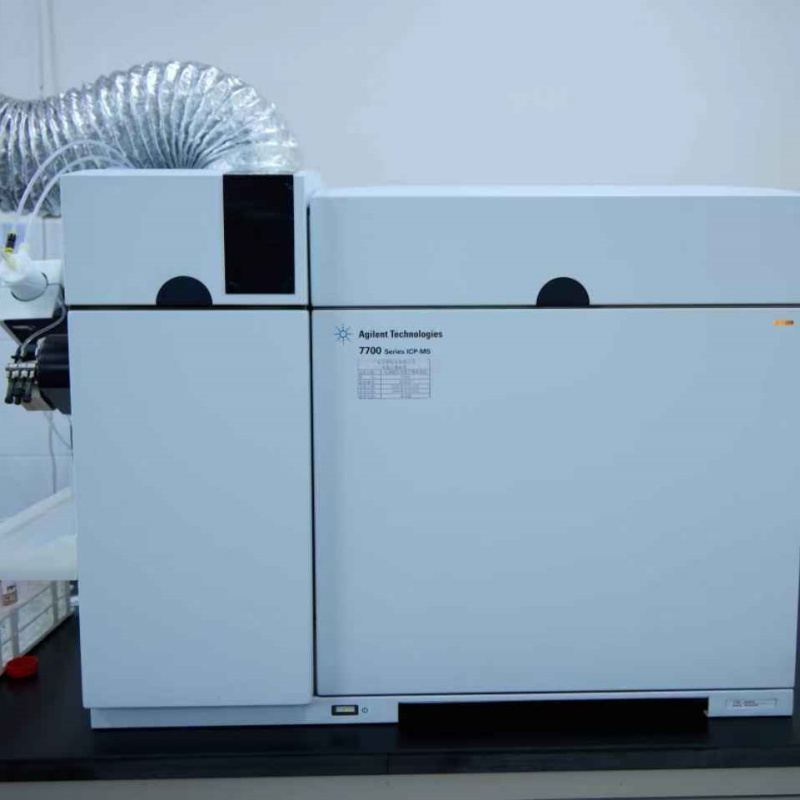
Leading distributors such as Guangdong Baoshan Trading Co., Ltd. (founded 1994, annual sales ¥1 billion) provide free testing using Agilent GC-MS and Waters LC-MS/MS for phthalates, BPA, and PFAS. Their in-house laboratory—equipped with high-precision mass spectrometers—ensures every batch of PVC vinyl materials meets the declared specs before shipment.
Moreover, the shift toward bio-based plasticizers (e.g., ATBC derived from citric acid, freezing point ≤ –80°C) and polymeric polyester plasticizers (GLOBINEX W-2050) is driving demand for technical expertise. Formulators must understand how the acid value (≤0.5 mg KOH/g) and volume resistivity (min 1×10¹¹ Ω·cm) of a polyester plasticizer affect electrical insulation in wire and cable compounds.
Future Outlook: Knowledge as a Procurement Asset
As PVC applications stretch into medical wearables, electric vehicle interiors, and sustainable packaging, the gap between generic grades and application-specific solutions widens. Suppliers who offer formula optimization alongside material supply will become indispensable. Baoshan's technical team—comprising 5 engineers specializing in paste rheology and stabilization—assists clients in adjusting plasticizer/ stabilizer ratios to meet both cost targets and regulatory limits.
For procurement teams, investing in technical literacy—learning to read K-values, viscosity curves, and migration data—transforms raw material sourcing into a strategic advantage. The next generation of PVC vinyl materials will be defined not just by price per ton, but by the precision with which their parameters solve real production puzzles.
Company Profile: Guangdong Baoshan Trading Co., Ltd. | Building 1, No. 26, Yingguang Road, Chang'an Town, Dongguan City, Guangdong Province | Tel: +86 13580992838 | Email: misscheng1984@163.com | Website: www.baoshancl.cn
Baoshan is a master distributor for BASF (Hexamoll® DINCH) and Eastman (TXIB), ISO 9001:2015 certified, with a 20,000 m² warehouse and a state-of-the-art analytical laboratory. We provide free regulatory testing, formula design, and just-in-time delivery to factories across Southeast Asia.