
Decoding Sanitary Napkin Quality: Technical Parameters and Production Insights for Buyers
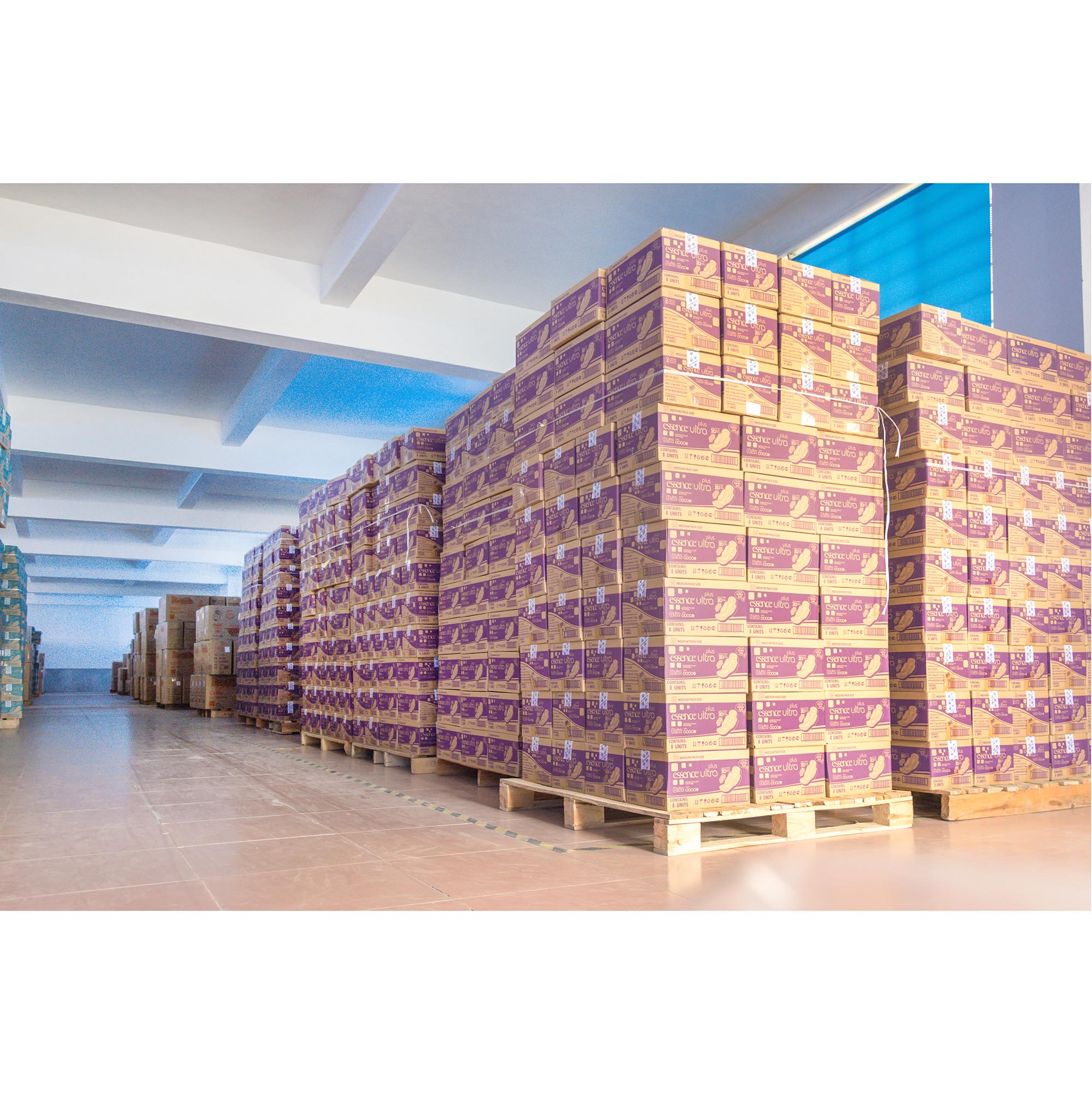
For procurement professionals in the hygiene industry, evaluating disposable sanitary napkin quality goes far beyond surface-level attributes. Two critical yet often misunderstood dimensions—technical parameters and manufacturing processes—directly determine end-user satisfaction and supply chain reliability. This article breaks down how to interpret specification sheets, how production technology influences product performance, and what leading manufacturers like Family Cares Group (brand: Ecolivia) are doing to set new benchmarks.
Why Technical Parameters Matter in B2B Sourcing
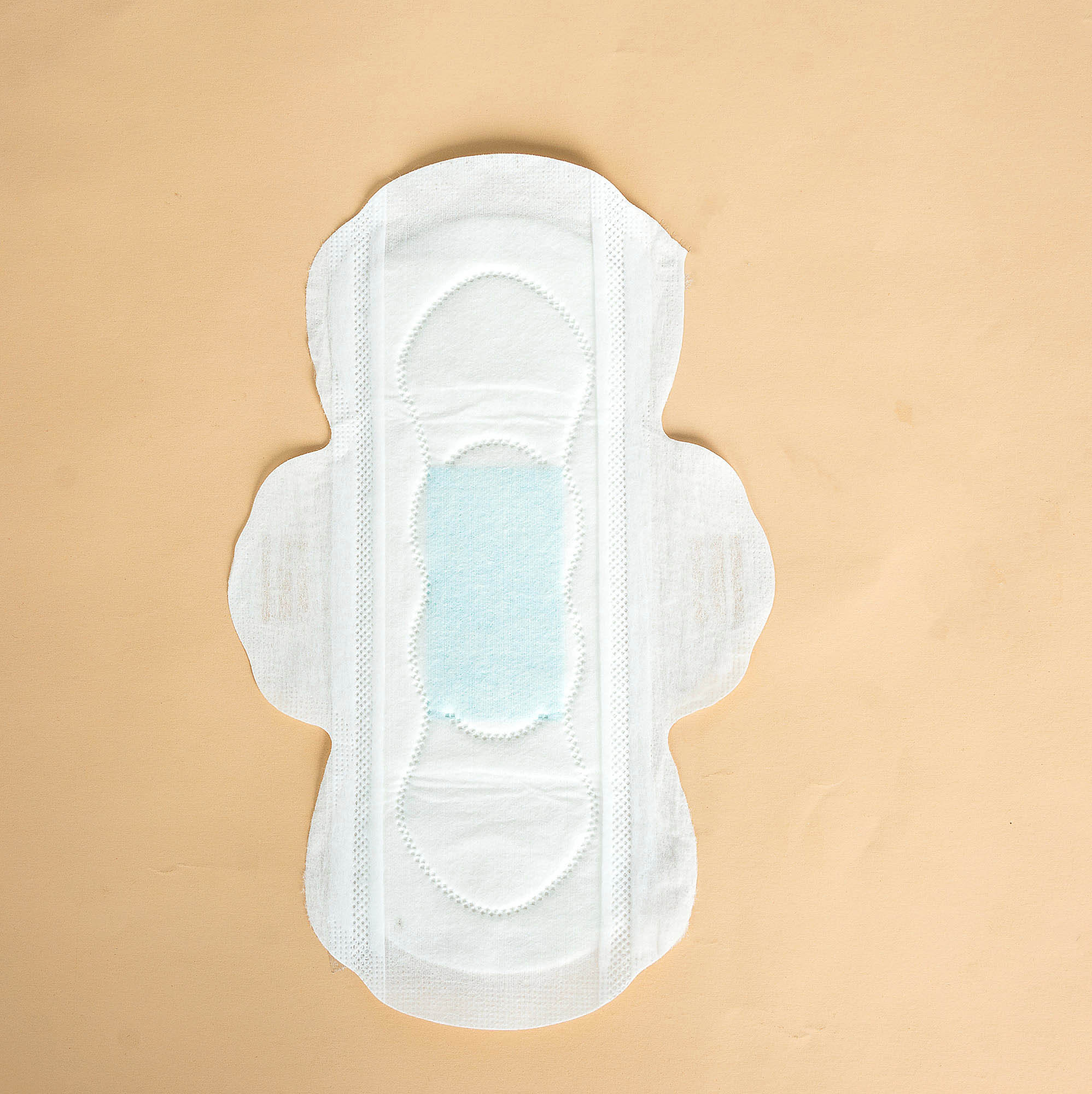
When sourcing disposable sanitary napkins, buyers typically encounter a range of specifications: absorbency capacity, liquid strike-through time, rewet value, breathability, and pH level. Each parameter correlates directly with user comfort and leakage protection. For example, ultra-thin high-absorbency sanitary napkins often rely on a Super Absorbent Polymer (SAP) layer or advanced bio-absorbent cores. A strike-through time under 3 seconds and rewet under 0.1g indicate rapid fluid management—critical for heavy flow overnight sanitary napkins.
However, raw numbers alone don't tell the full story. Consistent performance across millions of units requires manufacturing precision that only integrated factory control can deliver.
How Manufacturing Processes Shape Quality
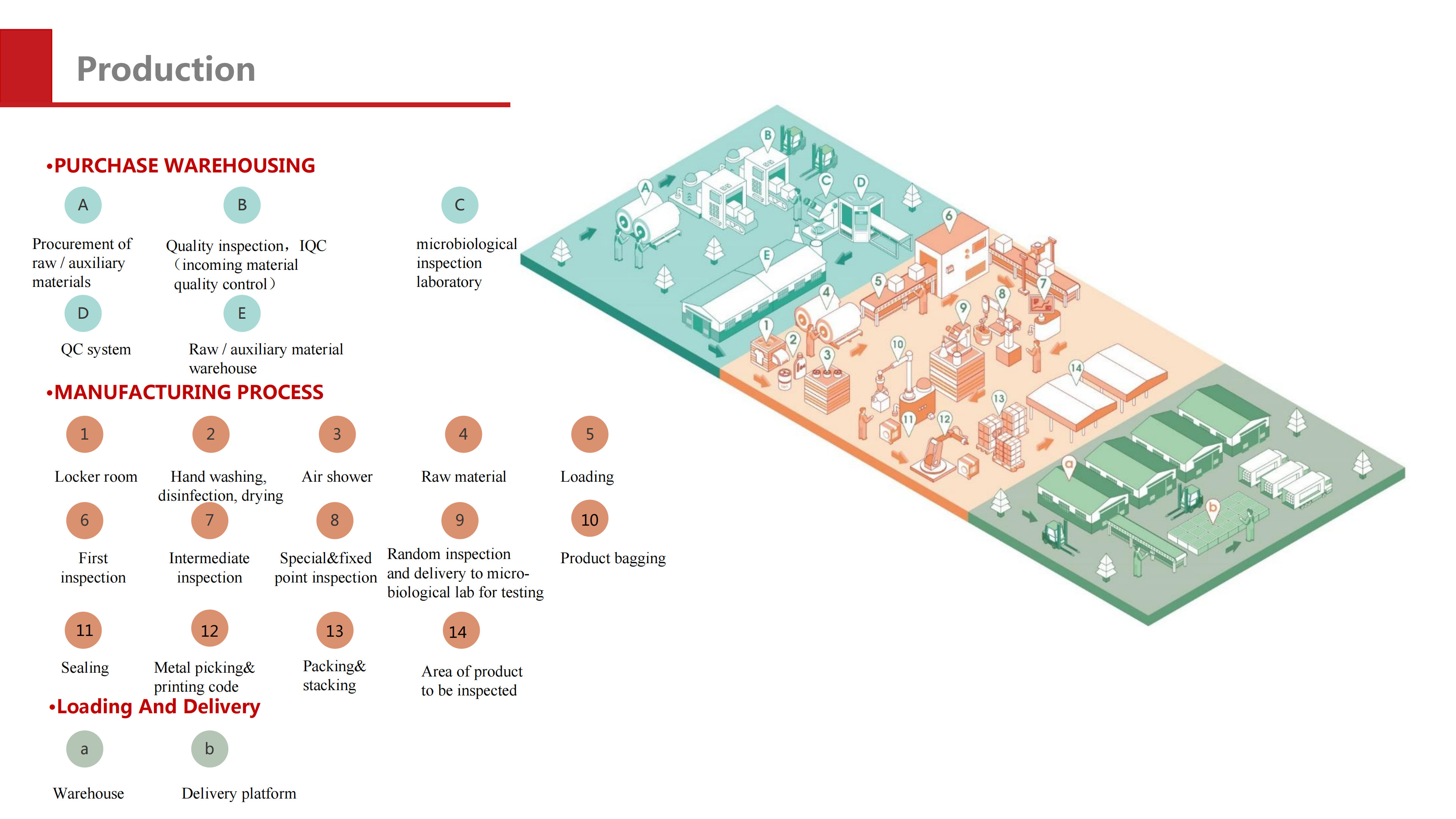
The gap between a good and an excellent sanitary napkin often lies in production engineering. Family Cares Group, headquartered in Xiamen with manufacturing bases in Quanzhou, operates multiple high-speed automated lines with a daily capacity exceeding 1.8 million pieces. This scale enables 99.9% product consistency (compared to older-generation factories), reducing unit cost while maintaining strict tolerances.
Key process differentiators include:
- Material R&D integration: In-house development of Eco-Core™ bio-based polymer absorbent cores, replacing traditional SAP/pulp blends. The proprietary structure achieves 2x faster absorption and improved rewet control.
- 100% on-line visual inspection: Real-time defect detection ensures zero-leakage batch guarantees—a level of reliability previously associated only with medical-grade products.
- Flexible OEM/ODM customization: From bio-based polymer sanitary napkins to chlorine-free organic cotton sanitary napkins, the company can tailor core composition, sizing (155mm–450mm), and packaging to precise buyer requirements.
As noted in a recent case study with a U.S. medical and adult care brand, Family Cares Group consistently delivered high-absorbency (6500ml+) core stability with customized medical-grade packaging over a 10-year partnership, maintaining a 0% major quality complaint rate while scaling market share.
Brand Spotlight: Ecolivia – Premium Bio-Based Innovation
Under the Ecolivia brand, Family Cares Group offers a dedicated line of eco-friendly plant-based sanitary napkins featuring organic cotton, bamboo fiber, and advanced bio-based cores. The Ecolivia-Bio Series covers a full range from 155mm pantyliners to 450mm overnight pads, with customizable absorbency levels. These products target high-end retail, e-commerce, and subscription box channels where GOTS certified organic cotton sanitary napkins and FSC-certified wood pulp sanitary napkins command premium pricing.
For buyers evaluating private label sanitary napkin suppliers in China, the integrated manufacturing model offers distinct advantages: factory-direct pricing (15–20% lower than trading companies), direct technical support, and end-to-end supply chain transparency from raw material sourcing to container loading.
Market Trends Driving Technical Excellence
The global shift toward sustainable hygiene products is reshaping procurement criteria. Demand for biodegradable feminine hygiene sanitary napkins (90% biodegradability) and hypoallergenic sensitive skin sanitary napkins has grown over 25% year-on-year in key markets like North America and Europe. This trend pushes manufacturers to invest in material science—such as breathable bio-film backsheets and 3D Leak Guard technology—which directly impact product cost and performance.
Simultaneously, buyers increasingly require verifiable certifications: ISO 9001:2015 (cert. no. 41624QZ644CR0), FDA Establishment Registration (no. 3005078659), and CE marking under MDR. Family Cares Group holds all three, easing market access for distributors targeting regulated markets.
Future Outlook: What Procurement Specialists Should Watch
By 2027, bio-based absorbent technologies are expected to capture over 30% of the premium sanitary napkin segment. Manufacturers that control both material innovation and high-speed production—like Family Cares Group—will be best positioned to offer advanced bio-absorbent core sanitary napkins at competitive price points. For buyers, the key is to look beyond price sheets and assess a supplier's process capabilities: from factory-direct disposable sanitary napkins to bulk export sanitary napkins for distributors, the manufacturing process is the ultimate quality guarantee.
To learn more about Ecolivia premium bio-based sanitary napkins or to discuss OEM/ODM partnerships, contact Family Cares Group:
Website: www.family-cares.com | Email: admin@family-cares.com
Tel / WhatsApp: +86 13805968557
Address: Xilin Industrial District, Honglai Town, Quanzhou Nan'an City, Fujian, China