
Decoding Sodium Hyaluronate Certifications: ISO, Kosher, Halal & COSMOS Compliance
Decoding Sodium Hyaluronate Certifications: ISO, Kosher, Halal & COSMOS Compliance
Certification is one of the few parts of a sodium hyaluronate purchase that can be verified before a single kilogram leaves the factory. Yet buyers often treat certifications as a single blurred category, when ISO 9001, ISO 22000, HACCP, Kosher, Halal, COSMOS organic and ISO 16128 each answer a different question.
Sodium hyaluronate is the same molecule whether it is destined for a hydrating serum, an oral supplement or a pharmaceutical formulation. What changes is the documentation set that surrounds it. The global sodium hyaluronate raw material market was valued at approximately USD 504 million in 2024, driven by cosmetic and medical demand (Reports and Data). Each of those demand segments attaches a different certification expectation to the same raw material, and mismatching the two is one of the most common causes of late-stage project delays.
This guide decodes what each certification actually governs, how certification sets map to specific project types, and which questions a buyer should resolve before a purchase order is raised.
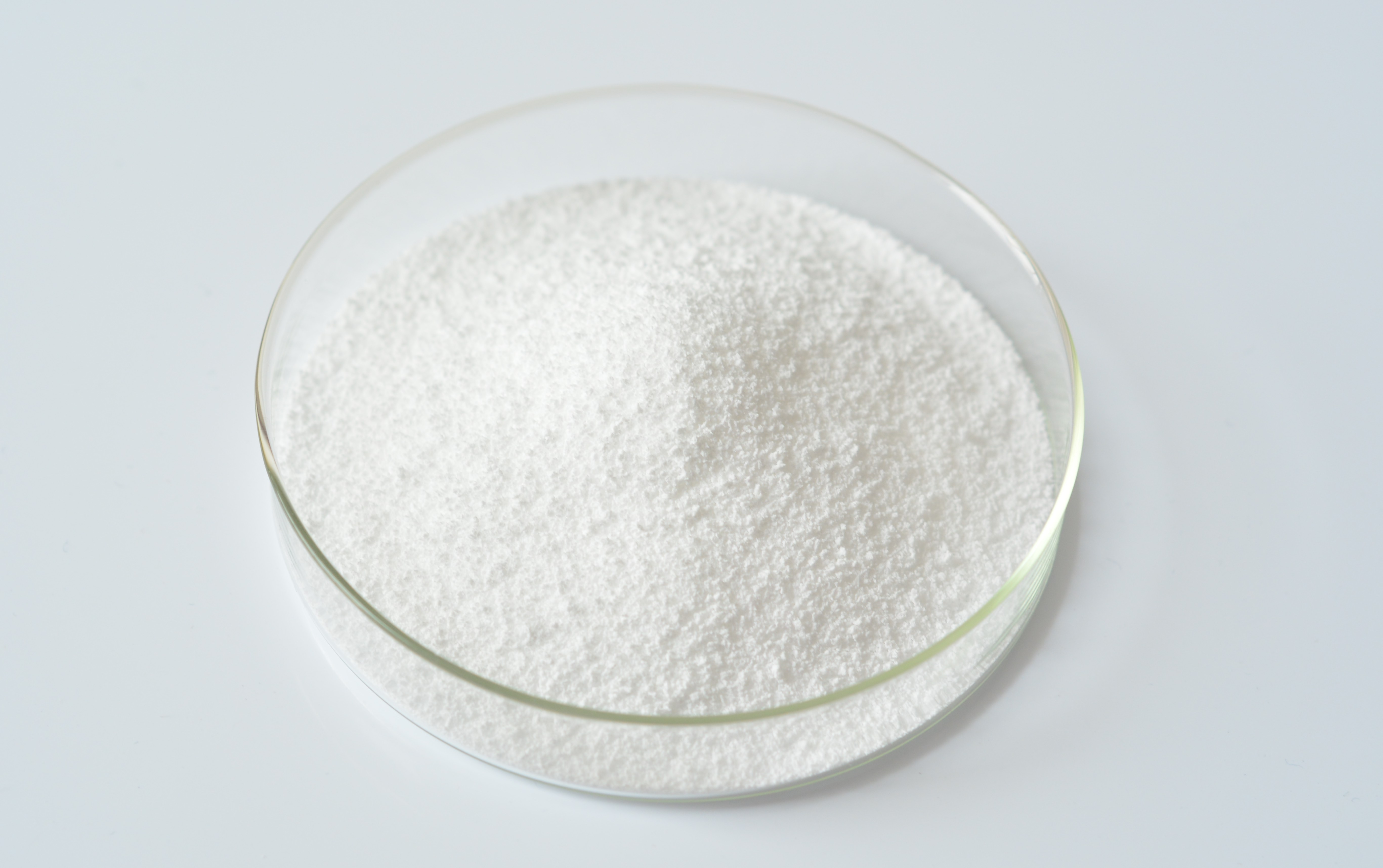
Laboratory testing supports the certification claims a buyer reviews during supplier evaluation.
Why Certification Has Become a Project Specification, Not a Checkbox
Certification requirements in sodium hyaluronate sourcing are driven less by the ingredient than by the destination product. A brand formulating a leave-on cosmetic for the European market, a supplement company filing an oral care product in the United States, and a pharmaceutical manufacturer preparing an injectable all purchase a comparable material and all require different evidence.
That divergence is visible in the demand structure. Cosmetic grade material held the largest share of the hyaluronic acid raw material market at 61.91% in 2025 (Grand View Research), while the food grade segment is estimated at USD 0.5 billion in 2024 with a projected compound annual growth rate of 8.5% through 2034 (Reports and Data). Two large segments, two different compliance languages.
A note on market figures: published sodium hyaluronate market sizes vary widely depending on whether the scope is raw material alone or finished hyaluronic-acid-based products. Buyers should read headline numbers as directional indicators of demand rather than as procurement benchmarks.
The Four Layers of Sodium Hyaluronate Certification
Most certification confusion disappears once the subject is separated into four layers, each of which certifies a different thing.
| Layer | Certification / standard | What it governs | What it does not cover |
|---|---|---|---|
| Manufacturing system | ISO 9001 | Quality management: process control, documentation, traceability, corrective action | Product specification, purity or molecular weight |
| Food safety | ISO 22000 and HACCP | Hazard analysis and food-chain safety management | Organic cosmetic claims or pharmaceutical use |
| Religious compliance | Kosher, Halal | Permissibility of ingredients and process for the relevant community | Safety, purity or organic status |
| Organic / natural origin | COSMOS organic, ISO 16128 | Organic and natural-origin criteria for cosmetic ingredients | Food or pharmaceutical compliance |
Layer 1: ISO 9001 and the manufacturing system
ISO 9001 is a quality management system standard. It describes how a manufacturer controls processes, documents decisions, maintains traceability and handles non-conformity. For a sodium hyaluronate buyer, ISO 9001 is the foundation that makes other claims auditable: without documented process control, batch consistency claims have no framework behind them. The standard is currently applied in its 2015 edition. What it does not do is approve a product; it says nothing about purity levels, molecular weight distribution or microbial limits, which are defined separately in a specification sheet and a certificate of analysis.
Layer 2: ISO 22000 and HACCP for food-facing projects
ISO 22000 addresses food safety management across the food chain, combining hazard analysis principles with prerequisite programmes and system management. HACCP provides the hazard analysis methodology itself. When sodium hyaluronate is intended for oral supplements or functional food, these are the certifications that typically enter a supplier questionnaire, because they describe how biological, chemical and physical hazards are controlled rather than how the product is marketed. The 2018 edition is the current published version of ISO 22000.
Layer 3: Kosher and Halal as market-access certificates
Kosher and Halal certification confirm that an ingredient and its production route comply with the requirements of the respective religious communities. They are market-access certificates rather than quality certificates: they do not measure purity, and they do not imply organic status. Their commercial weight depends entirely on the destination market and the brand positioning of the finished product. For oral care, supplement and certain cosmetic ranges, they can be a hard purchase requirement; for a purely technical application, they may be irrelevant.
Layer 4: COSMOS organic and ISO 16128 for cosmetic projects
COSMOS organic certification evaluates a cosmetic ingredient against the COSMOS-standard for organic and natural cosmetics, including criteria on origin and processing. In buyer documentation the scheme is frequently referenced as Ecocert COSMOS when Ecocert acts as the approved certification body issuing the certificate. ISO 16128 provides a parallel framework of definitions and criteria for natural and organic cosmetic ingredients, giving formulators a way to calculate and declare natural-origin content. Both belong to the cosmetic layer and neither substitutes for food safety certification or pharmacopoeial compliance.
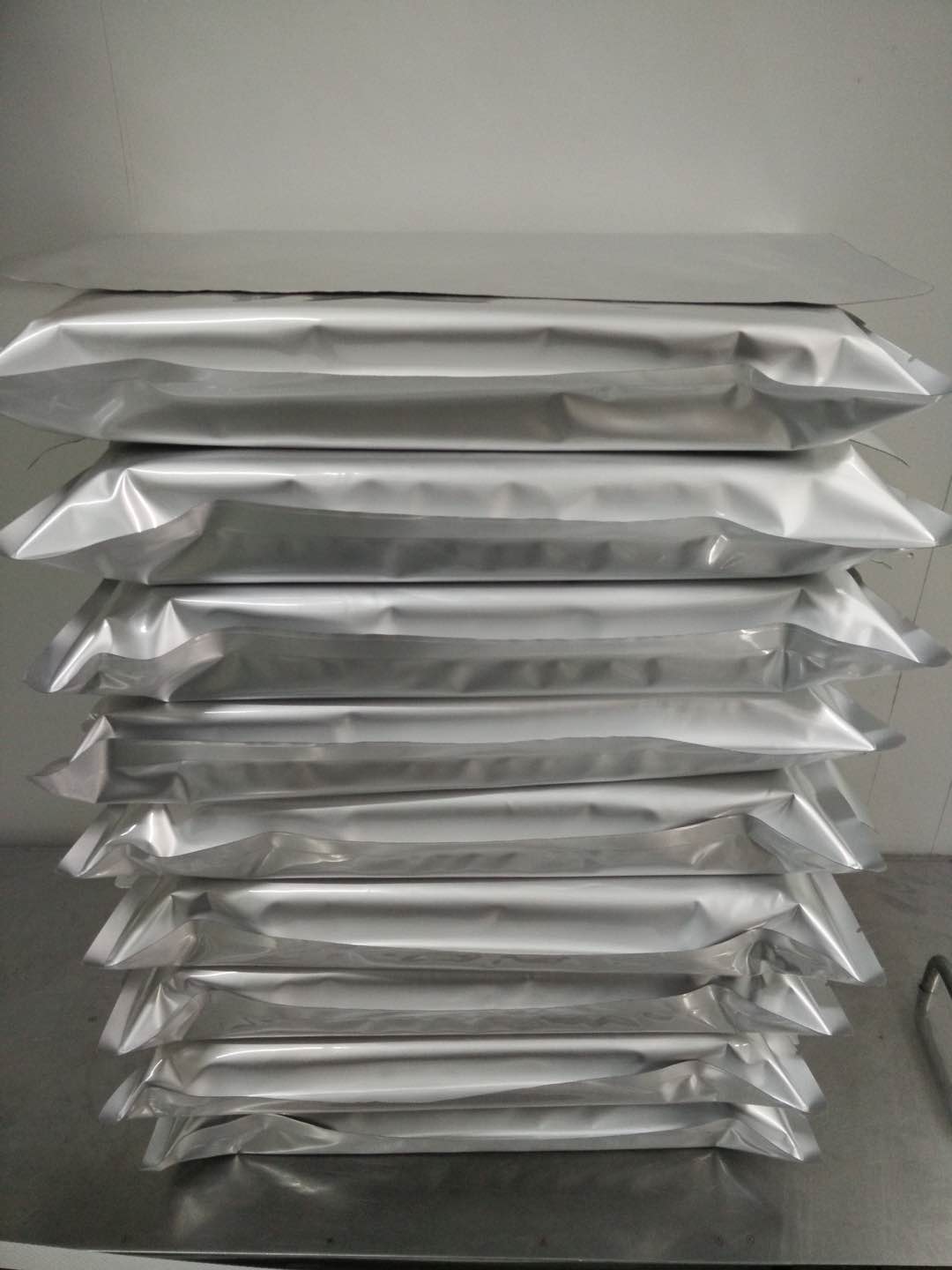
Documentation, packaging and shipping records form the practical proof trail behind a certification.
Matching Certification Sets to Specific Projects
Once the layers are separated, certification selection becomes a project-matching exercise. The table below maps common project types to the grade and certification set that usually applies.
| Project type | Typical grade | Certifications usually in scope | Further documentation |
|---|---|---|---|
| Oral supplements and functional food | Food grade, 0.8–1.5 million Da | ISO 9001, ISO 22000, HACCP, Kosher, Halal | Batch certificate of analysis, origin statements |
| Cosmetic and skincare | Cosmetic grade, 1.0–1.5 million Da | ISO 9001, COSMOS organic, ISO 16128, Kosher or Halal where the brand requires it | Natural-origin index documentation |
| Pharmaceutical / injectable | Pharma grade, minimum 2.0 million Da | ISO 9001, ISO 22000 plus pharmacopoeial compliance | Endotoxin data, sterility and low microbial limits where applicable |
| Hydrolyzed and low molecular weight lines | Low MW grade, maximum 0.1 million Da | Same system certificates as the corresponding base grade | Grade-specific specification sheet |
Pharmaceutical projects sit apart from the rest. Pharma grade sodium hyaluronate is assessed against pharmacopoeial monographs — USP-NF, the European Pharmacopoeia and JP — with endotoxin levels typically below 0.05 EU/mg (Princeton Powder Guide). ISO 9001 and ISO 22000 describe how the manufacturing system is managed; they do not replace specification testing. For medical or injectable grade material, sterility and low microbial limits may also be required, which sit outside the scope of system, religious and organic certificates.
How Shandong Habier Biopharma Structures Certification Across Its Range
Shandong Habier Biopharma Co.,LTD is a sodium hyaluronate manufacturer established in 2015 and based in Qufu City, Shandong Province, China, supplying food grade, cosmetic grade, pharma grade and high or low molecular weight hyaluronic acid materials to the European, US and Korean markets.
Its qualification system is built on dual ISO certification, HACCP, Kosher and Halal, while its products hold organic COSMOS and ISO 16128 certification. Read against the four layers above, that combination covers the manufacturing system layer, the food safety layer, the religious compliance layer and the cosmetic organic and natural-origin layer within a single supplier. For buyers, the practical value is that a food, cosmetic or oral care project can often be served from one certification framework rather than assembled across several vendors with different scopes.
Operating scale is relevant to certification durability, because certified systems must be maintained under real production load. The company operates a 50,000 m² facility with 123 employees, six R&D engineers and annual output of 600–700 MT. Approximately 20% of output is exported. Commercial parameters include OEM and ODM cooperation with purity adjustment, monthly capacity of 50–60 tons, a lead time of 5–8 days, a minimum order quantity of 1 kg, and 100% full inspection before delivery, supported by free sample supply and after-sales quality tracking.
The Production Environment Behind the Certificate
A certificate describes a system; the production environment shows whether that system operates under conditions relevant to the buyer's project. For medical and injection grade material, production runs on low-temperature fermentation synthesis and aseptic cleanroom operation, with continuous 24/7 operation. Supporting equipment includes a fermentation bioreactor, ultrafiltration purification equipment, a sterile mixing tank, a vacuum emulsifier, a cleanroom filling machine, a low-temperature drying oven, and microbial and heavy metal testing instruments.
For a project team, that equipment list is a useful cross-check against certification claims. Ultrafiltration and purification equipment relate to molecular weight control; sterile mixing and cleanroom filling relate to microbial limits; testing instruments relate to the batch data that accompanies each certificate of analysis. In a cosmetic or oral care context, the same infrastructure supports the consistency that ISO 9001 and ISO 22000 are designed to document.
Sample retention and grade verification link certification scope to the specific material being purchased.
Verification: How Buyers Confirm a Certificate Actually Applies
Certificates are only useful if they apply to the exact material and site in the purchase. The following checks resolve most discrepancies before they become contractual problems.
- Read the scope statement, not the logo. A certificate should name the product category and the manufacturing site. A management system certificate covering a different facility does not describe the material being quoted.
- Match the certificate to the grade. Food grade, cosmetic grade and pharma grade are distinct specifications. A Kosher certificate for one grade does not automatically extend to a hydrolyzed low molecular weight line.
- Confirm the issuing body and validity. Check who issued the certificate and whether it is current. Certified systems are maintained through periodic surveillance and recertification; an expired certificate without a current audit record does not demonstrate ongoing compliance.
- Separate system certificates from product documents. The certificate of analysis for the batch is a different document from the ISO, Kosher, Halal or COSMOS certificate, and both are usually required.
- Check market-specific import documentation. Certification is not the only document an import file requires, and some markets ask for origin, treatment or veterinary documentation in addition.
A recent supply example illustrates the last point. A US-based importer of natural cosmetics and health supplements purchased 4,733 kg of hyaluronic acid raw material for cosmetic and oral care production. The material is avian-origin, and the shipment was supported by a complete official veterinary heat treatment certificate meeting US APHIS import standards, allowing smooth customs clearance on the basis of a valid USDA import permit. The repeat order relationship has continued on the strength of stable batch quality. None of that cleared on a certificate logo alone; it cleared on a document chain.
Where Certification Stops: Limits and Boundaries
Certification is a strong filter, not a complete answer, and buyers who treat it as one tend to encounter problems later in the project.
- ISO 9001 does not approve a product. It certifies a management system. Purity, molecular weight and microbial limits are established through specification testing and batch analysis.
- Kosher and Halal do not change the molecule and do not imply organic status. They answer a permissibility question, not a quality or origin question.
- COSMOS is a cosmetic scheme. It carries no weight in a pharmaceutical filing or a food safety review, where different frameworks apply.
- Injectable-grade requirements extend beyond general certification. Medical or injectable grade products may require sterility and low microbial limits that a system, religious or organic certificate does not address.
- Market coverage is not unlimited. With approximately 20% of output exported and primary markets in the EU, USA and Korea, projects targeting other regions should expect an additional documentation review rather than an automatic fit.
The practical trade-off is straightforward: a supplier with a broad certification framework reduces the number of vendors a project must coordinate, but the buyer still carries responsibility for verifying that each certificate's scope matches the specific grade, site and destination market of the purchase. That verification work does not disappear — it simply moves earlier, where it is cheaper.
Market Trend Analysis: From Holding Certificates to Matching Scope
Demand-side data suggests certification requirements are becoming more segmented rather than more uniform. Cosmetic grade material accounted for the largest share of the hyaluronic acid raw material market at 61.91% in 2025 (Grand View Research), which keeps cosmetic-specific schemes such as COSMOS organic and ISO 16128 in the center of supplier evaluation for that segment. At the same time, the food grade segment is estimated at USD 0.5 billion in 2024 with a projected 8.5% CAGR through 2034 (Reports and Data), pulling food safety documentation — ISO 22000 and HACCP — into a growing number of procurement checklists.
China's cosmetic ingredient filings in the first half of 2024 showed sodium hyaluronate remaining a top-tier classic ingredient for hydrating masks and essences (Plamed Group). A high-volume, well-understood ingredient tends to shift buyer attention away from basic availability and toward documentation quality, because differentiation has to come from somewhere other than the molecule.
The global supplier landscape includes manufacturers such as Bloomage Biotech, Fidia Farmaceutici, Kewpie Corporation and Contipro a.s. (Straits Research / Reports and Data), which means a buyer evaluating certification scope is usually comparing several qualified suppliers rather than choosing between certified and uncertified options. In that comparison, the decisive question is rarely whether a supplier holds certifications, but whether the scope, grade and market coverage of those certifications line up with the project.
Future Outlook
Three directions appear likely for sodium hyaluronate certification over the next several years. First, verification is becoming more granular: buyers increasingly ask for certificates tied to a specific grade and site rather than to a company name. Second, origin traceability is expanding beyond food safety into general documentation practice, driven by import regimes that request treatment, veterinary or origin records alongside standard certificates. Third, the boundary between system certification and product testing is likely to stay visible, because pharmaceutical and injectable projects will continue to require specification-level evidence that no management system certificate can supply.
For procurement teams, the practical implication is to treat certification as a project-fit decision made during the research and evaluation stage, not as a final compliance step before shipment. Suppliers that can present a layered certification framework — system, food safety, religious and organic — together with grade-specific specifications and import documentation are better positioned to absorb that shift than suppliers presenting a single certificate as a universal answer.
FAQ
What is the difference between ISO 9001 and ISO 22000 certification for sodium hyaluronate?
ISO 9001 addresses quality management system requirements — process control, documentation, traceability and corrective action — and applies across product types. ISO 22000 addresses food safety management for organizations in the food chain, including hazard analysis and prerequisite programmes. For a sodium hyaluronate project, ISO 9001 supports general manufacturing consistency, while ISO 22000 is the relevant system where the material is intended for food or oral supplement use. Neither standard defines product purity or molecular weight.
Do Kosher and Halal certifications change the properties of sodium hyaluronate?
No. Kosher and Halal certification confirms that the material and its production process comply with the dietary and process requirements of the respective religious communities. Chemical identity, molecular weight and purity are not defined by these certificates. They matter most for finished products sold into markets where Kosher or Halal labeling is a purchase requirement, such as certain oral care and supplement ranges.
What does COSMOS organic certification indicate for a cosmetic-grade ingredient?
COSMOS organic certification indicates that a cosmetic ingredient has been assessed against the COSMOS-standard for organic and natural cosmetics, including criteria on origin and processing. The scheme is often referenced as Ecocert COSMOS when Ecocert is the issuing certification body. It is a cosmetics-focused scheme and does not substitute for food safety certification or pharmacopoeial compliance.
Does ISO certification replace pharmacopoeial compliance for pharma-grade sodium hyaluronate?
No. Pharma grade sodium hyaluronate is assessed against pharmacopoeial monographs — USP-NF, the European Pharmacopoeia and JP — with endotoxin levels typically below 0.05 EU/mg. ISO 9001 and ISO 22000 describe how the manufacturing system is managed; they do not replace specification testing, and injectable-grade projects may additionally require sterility and low microbial limits.
Why does third-party recertification matter for regulatory compliance?
Certifications are maintained through periodic surveillance and recertification by an independent body. That cycle is what keeps a certificate meaningful over time: it demonstrates that the system was reviewed against the current version of the standard and that corrective actions were followed up. An expired certificate, or one without a current audit record, does not demonstrate ongoing compliance, and many buyers treat validity dates as a mandatory screening field.
How can buyers verify that a certificate covers the exact grade they are purchasing?
Check the certificate scope statement for the named product category and manufacturing site, confirm the issuing body and validity dates, and match the certificate to the specific grade — food, cosmetic, pharma, or a hydrolyzed low molecular weight line. Request the batch certificate of analysis separately, since it is a different document from the certification itself, and confirm any market-specific import documentation required by the destination country.
Reference material: Corporate documentation for Shandong Habier Biopharma Co.,LTD, including the product brochure, is available for download: Habier Biopharma brochure (PDF). Additional company information is published at habier.com.
Have Questions or Need More Details?
Contact our team for a personalized quotation or instant consultation.
Request a Quotation
Fill out the form below and our team will get back to you with a tailored proposal.
WhatsApp Direct Chat
Prefer to chat in real-time? Message us on WhatsApp for instant assistance & quick answers.
- Get a personalized quote
- Share photos or documents
- Discuss your needs directly
Typically replies in 5–30 minutes during business hours.