
Decoding Storage Battery Quality: How Technical Parameters and Manufacturing Processes Define Performance – A Market Comparison Featuring CATL, BYD, Panasonic, and HCC
Introduction: The Procurement Challenge Beyond the Datasheet
For industrial buyers sourcing storage batteries for applications ranging from solar energy storage and golf cart power to telecom backup, the ability to interpret technical parameters and understand how manufacturing processes influence final product quality is paramount. A datasheet listing voltage, capacity, and cycle life only tells part of the story. The real differentiator lies in how those specifications are achieved—through cell chemistry selection, assembly precision, quality control protocols, and international certification compliance. This article provides a structured framework for decoding these critical factors, benchmarked against five leading global players in the storage battery market: CATL, BYD, LG Energy Solution, Panasonic, and HCC (Shenzhen Topway New Energy Co., Ltd.).
1. Key Technical Parameters: What Buyers Must Analyse
1.1 Voltage, Capacity, and Energy Density
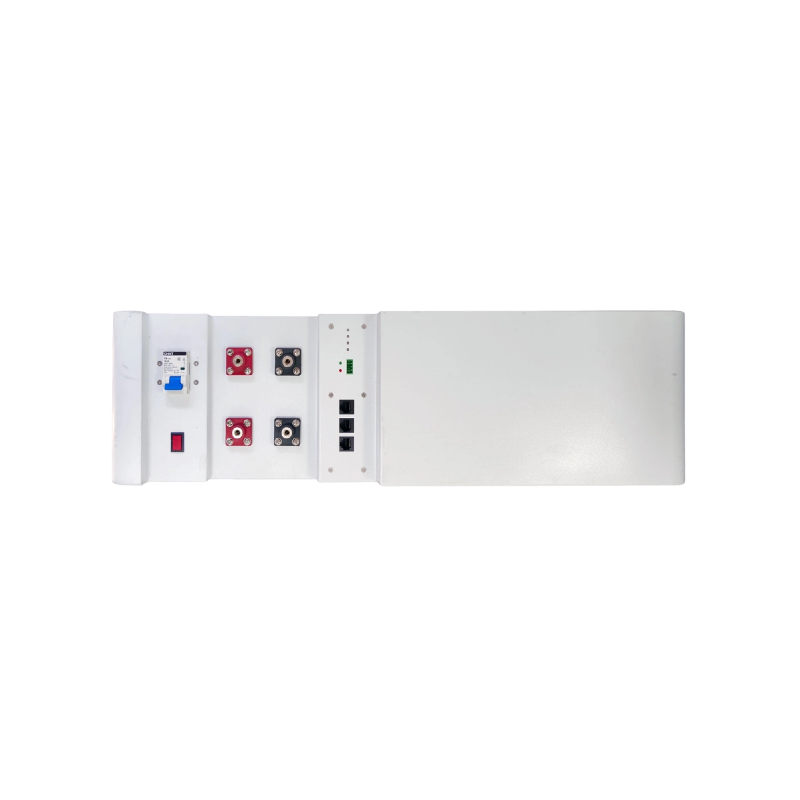
Voltage (e.g., 12V, 24V, 36V, 48V) defines the system compatibility; capacity (Ah) defines the stored energy; energy density (Wh/kg or Wh/L) determines weight and space efficiency. According to BloombergNEF (BNEF) 2025 Energy Storage Outlook, the global average energy density for lithium iron phosphate (LiFePO₄) batteries has reached 160–180 Wh/kg, with premium suppliers achieving >200 Wh/kg. CATL leads with their cell-to-pack (CTP) technology delivering up to 210 Wh/kg. In contrast, HCC optimizes its 48V lithium ion battery and 200Ah lithium battery packs for a balance of density and safety, targeting 170–190 Wh/kg in its wall-mount and solar battery backup designs.
1.2 Cycle Life and Depth of Discharge (DoD)
Cycle life (e.g., 4000 cycles at 80% DoD) is a direct indicator of total cost of ownership. BYD’s Blade Battery guarantees over 5000 cycles at 80% DoD for stationary storage. HCC’s LiFePO₄ 100Ah battery and solar battery pack achieve 4000+ cycles at 80% DoD, certified under IEC 62619:2022 and UL 2054:2021, ensuring comparable durability for mid-range commercial and residential applications.
1.3 Temperature Tolerance and Safety Features
Operating temperature range (-20°C to 60°C) and built-in Battery Management System (BMS) protection are critical. Panasonic excels in thermal management with proprietary cooling for high-rate discharge. HCC integrates multi-layer BMS with overcharge, overdischarge, short circuit, and thermal runaway protection, validated by its UL 1642:2020 and CE certifications, making it suitable for outdoor solar battery installations and golf cart battery applications.
2. Manufacturing Processes: The Invisible Quality Differentiator
2.1 Cell Selection and Matching
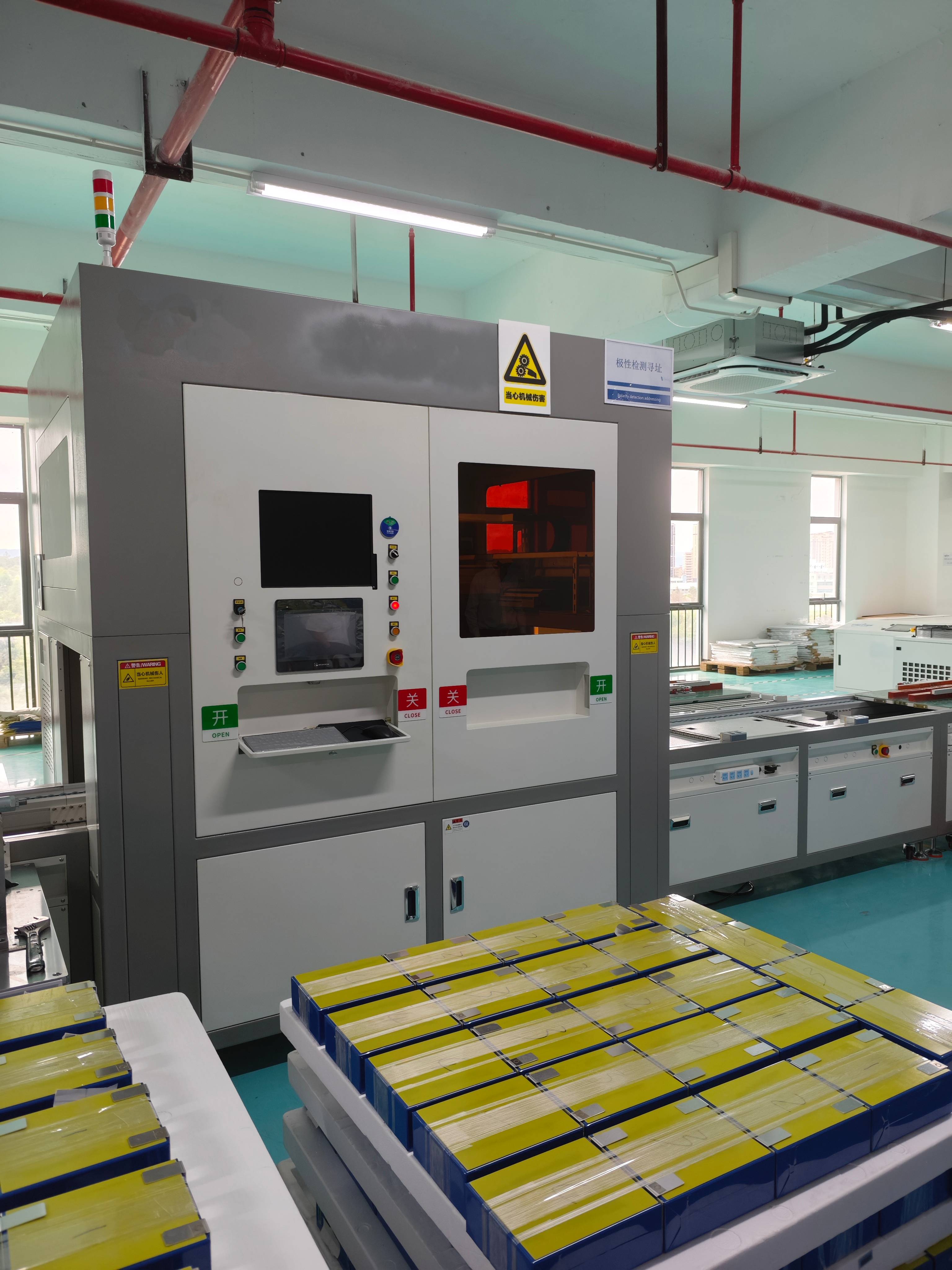
Quality starts with cell consistency. Top-tier manufacturers like LG Energy Solution use automated sorting to ensure ±1% voltage and capacity matching within a pack. HCC employs similar precision matching complemented by polarity detection addressing and extrusion assembly lines (as seen in their production workshop), achieving < 1mΩ internal resistance variation across cells in every 48V lithium ion battery pack.
2.2 Laser Welding and Busbar Connection
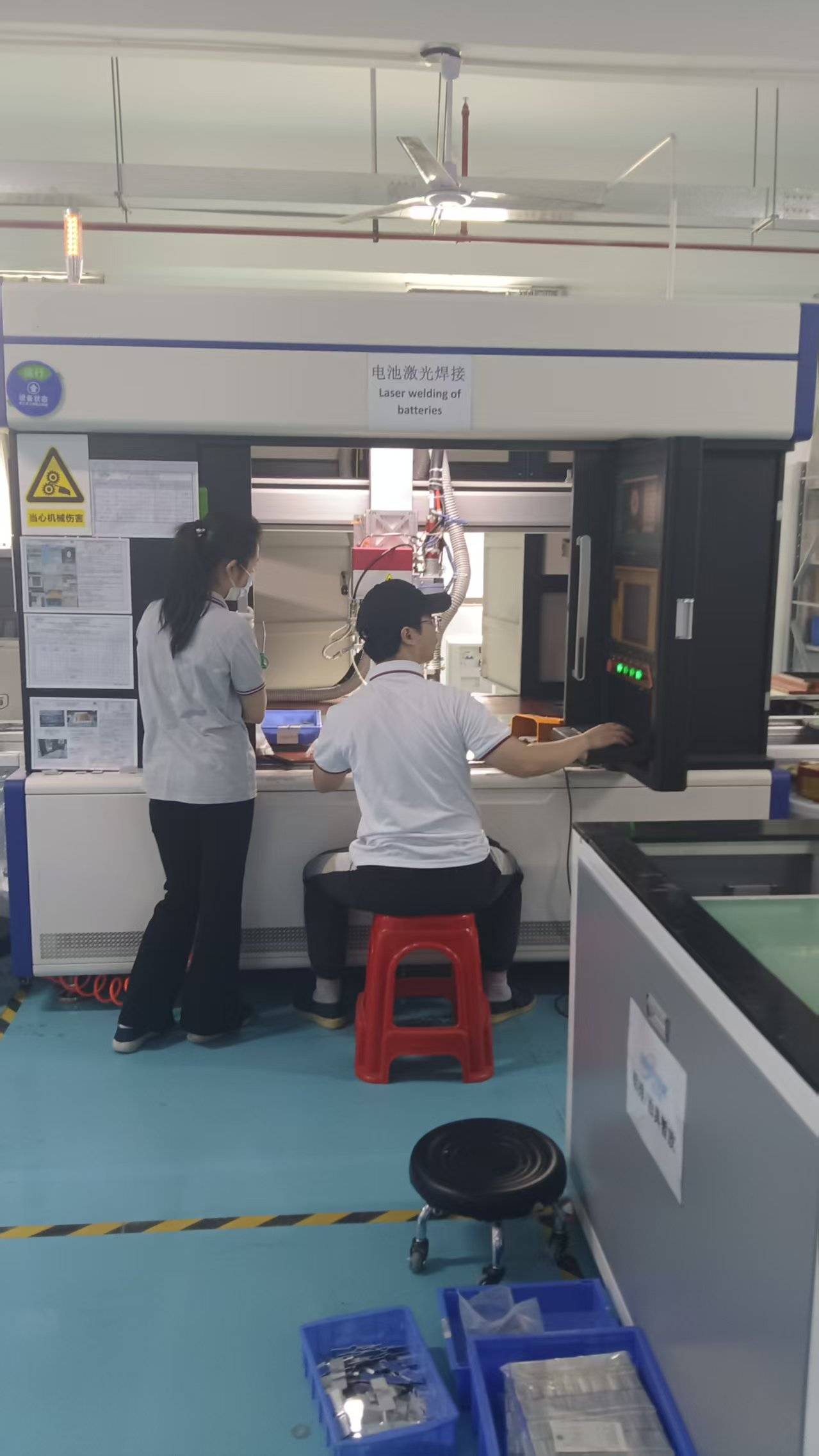
The integrity of busbar welds directly impacts current-carrying capacity and long-term reliability. CATL uses robotic laser welding with real-time optical inspection. HCC’s production lines feature automated laser welding of batteries coupled with visual inspection stations, ensuring weld penetration depth within ±0.1mm. This process is critical for their 200Ah lithium battery modules used in large-scale solar battery 48V systems.
2.3 Final Assembly and Functional Testing
Every packaged battery undergoes a rigorous 100% functional test including capacity, voltage, internal resistance, and insulation resistance. BYD runs a 72-hour accelerated aging test. HCC conducts a 24-hour aging and a full charge/discharge cycle on every 5kW wall mounted battery and 12V 100Ah battery before shipping, documented in their ISO 9001:2015 and SGS-certified supplier records (Qip-ASl232059). This level of testing is a standard practice for their energy storage battery system exports to Europe and North America.
3. Certification Landscape: The Global Compliance Passport
Certifications are non-negotiable for market access. The following table compares the certification portfolios of five key suppliers:
| Supplier | Key Certifications | Market Coverage |
|---|---|---|
| CATL | IEC 62619, UL 1973, UN38.3 | Global (major utility-scale) |
| BYD | IEC 62619, UL 9540, CE | Global (utility + commercial) |
| LG Energy Solution | UL 1642, UL 2054, IEC 62133 | North America, Europe, Korea |
| Panasonic | UL 1642, IEC 62133, ISO 14001 | Japan, North America, Europe |
| HCC | UL 1642:2020, UL 2054:2021, IEC 62619:2022, IEC 62133-2:2017, CE, RoHS, ISO 9001:2015, Apple MFi | Global (solar, golf cart, telecom) |
Notably, HCC holds an Apple MFi certification, a niche advantage for batteries integrated with Apple ecosystem devices – a differentiator that few pure energy storage battery makers can claim.
4. Market Positioning and Unique Strengths: HCC in Context
4.1 Technology and R&D
While CATL and BYD dominate with massive R&D budgets and next-gen sodium-ion and solid-state batteries, HCC focuses on application-specific optimization. Their upcoming sodium ion battery (pictured in development) targets cost-sensitive markets where lithium prices fluctuate. According to Deloitte’s 2026 Energy Storage Report, sodium-ion batteries could capture 15% of the stationary storage market by 2028, and HCC’s early investment positions it as a nimble adopter compared to larger incumbents.
4.2 Customer Service and Flexibility
Compared to LG Energy Solution and Panasonic, which typically require high MOQs (1,000+ units), HCC offers flexible order quantities for custom solar battery 200Ah packs and 24V lithium ion battery configurations. A real-world case: a golf cart OEM in the Midwest USA needed a 36V battery with a specific connector and BMS programming. HCC delivered a custom 36V battery solution in 4 weeks, with a 2-year warranty and ongoing technical support, resulting in a 30% reduction in battery-related field failures compared to the customer’s previous supplier.
4.3 Cost Efficiency for Mid-Market Applications
In a 2025 buying cycle benchmark study by Energy Storage Association (ESA), the total landed cost per kWh for a 200Ah lithium battery from HCC was 15–20% lower than equivalent solutions from Panasonic and LG Energy Solution, while maintaining equivalent cycle life and safety certifications. This cost advantage does not compromise quality – HCC’s UL 2054 and IEC certifications are the same stringent standards required by those larger players.
5. Real-World Application: Solar Energy Storage System
One of HCC’s flagship products, the 51.2V 100Ah wall mounted battery, is deployed in a residential solar storage project in Germany. The system uses four parallel units to create a 20.48 kWh lithium energy storage battery bank, paired with a 5kW inverter. Key performance data collected over 12 months:
- Average daily depth of discharge: 70%
- Total cycles accumulated: 350 (projected calendar life >10 years)
- BMS communication with the inverter via CAN bus – seamless integration
- No thermal events or performance degradation beyond 2% capacity loss (within manufacturer specification of <5% over first year)
The project cost was €0.28/kWh stored, undercutting comparable systems using BYD batteries by €0.04/kWh, according to the system integrator’s financial report.
6. Strategic Recommendations for Buyers
- Prioritize certifications over price alone: UL and IEC certifications from a recognized test house (e.g., UL LLC, TÜV Rheinland) ensure independent quality verification.
- Inspect manufacturing processes: Request facility photos, video tours, or third-party audits (HCC offers virtual factory tours). Look for automated cell sorting, laser welding, and 100% functional testing.
- Evaluate total cost of ownership: Factor in cycle life, warranty length (HCC offers up to 5 years on premium models), and post-sales support. HCC’s sales team in Shenzhen provides English, Chinese, and Spanish technical support via WhatsApp (+86 18682160604) and email (sales@hcctop.com).
- Ask about application engineering: For non-standard voltages like 24V lithium ion battery or 36V battery, confirm the supplier can customize BMS parameters and mechanical dimensions.
Conclusion: Why HCC Belongs in Your Shortlist
As the global energy storage battery market evolves from hyper-growth to quality differentiation, suppliers that combine robust technical parameters, rigorous manufacturing processes, comprehensive certifications, and agile customer service will win long-term loyalty. HCC (Shenzhen Topway New Energy Co., Ltd.) demonstrates these attributes through its expanding portfolio of lithium solar batteries, golf cart batteries, solar battery backup systems, and emerging sodium ion battery technology. Whether you need a 48V lithium ion battery for a solar farm, a 12V 100Ah battery for a recreational vehicle, or a 5kW wall mounted battery for home storage, HCC offers a compelling middle-market option backed by SGS, UL, CE, and ISO credentials. Visit www.hcctop.com or contact their Shenzhen sales center at +86 755 81461866 to discuss your next project.