
Decoding Tech Specs & Manufacturing: A Buyer's Guide to Shopping Bag Quality in 2026
Why Technical Parameters & Manufacturing Matter in Shopping Bag Sourcing
For procurement professionals, interpreting a supplier’s technical data sheet is often the first and most critical step in ensuring product quality. Parameters such as size, weight, material composition, and craft type directly influence a shopping bag’s durability, print retention, and overall performance. Yet many buyers struggle to connect these numbers to real-world application. In 2026, with increasing regulatory pressure on single-use plastics and growing demand for reusable alternatives, understanding how manufacturing processes impact end-use quality has become essential for bulk purchasers of Foldable Shopping Bags, Reusable Shopping Bags, and Custom Printed Shopping Bags.
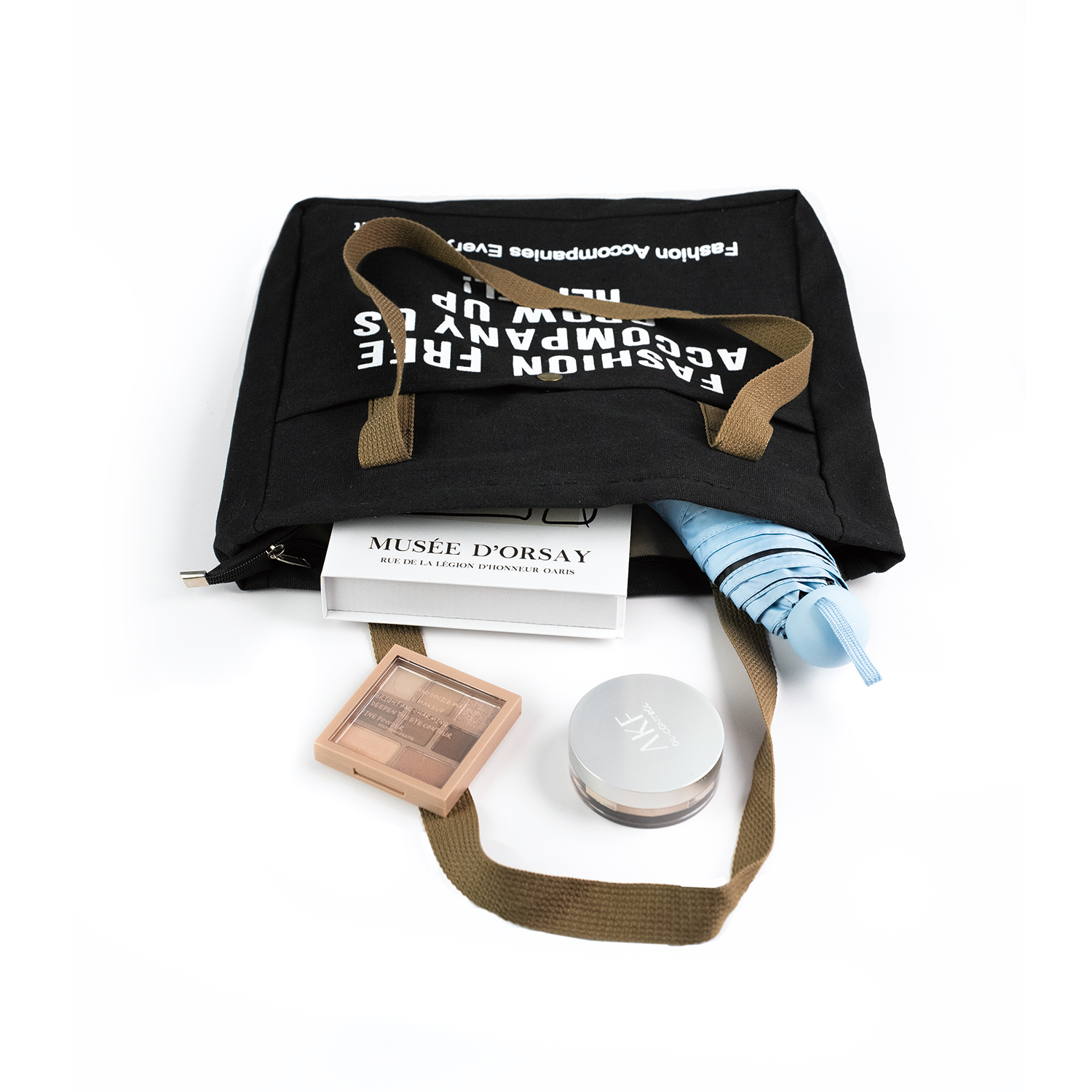
The Challenge: Navigating a Sea of Specs
A typical Shopping Bag product specification sheet lists dozens of variables — from weight (e.g., 50g to 200g/pc) and size (customizable S/M/L) to material options (non-woven fabric, canvas, recycled PET, Oxford cloth, PP) and craft techniques (silk screen printing, heat transfer, offset printing). Without practical context, these numbers can be misleading. For instance, a lighter bag may be sufficient for promotional giveaways but fail under heavy supermarket loads. Similarly, a poorly executed heat transfer print may peel after a few washes, undermining brand image.
How Hansun Bridges the Gap Between Specs and Quality
Zhejiang Hansun Arts & Crafts Co., Ltd. (brand: Hansun), founded in 1996 and based in Longgang City, Wenzhou, China, operates a 25,000 m² factory with 200 employees and an annual output of 20 million units. The company specializes in Tote Bag and PVC Bag production, with 70% export ratio and a dedicated R&D team of 25 engineers. Hansun’s approach to quality begins at the specification stage: every parameter on the data sheet is tied to a production control point.
For its flagship Shopping Bag model SB-2026-001 (Reusable Foldable / Eco-friendly Non-woven / Canvas Tote), Hansun provides detailed customizable specs:
- Size: Tailored to customer dimensions (S/M/L or custom)
- Weight: 50g–200g/pc (depending on material & size)
- Craft: Silk screen printing, heat transfer, or offset printing
- Material choices: Non-woven fabric, canvas, recycled PET, Oxford cloth, PP
- Usage: Supermarket shopping, promotional gifts, corporate giveaways
ISO 9001:2015 (2022–2025), BSCI (2023–2026), Sedex 4 Pillars (2024–2026), Disney FAMA (2023–2026).
Monthly capacity: 1,500,000 units; MOQ: 3,000 pcs; Lead time: 30–45 days; Sample turnaround: 3–5 days.
Manufacturing Processes That Define Performance
The choice of craft directly affects the bag’s lifespan and branding quality. Silk screen printing offers excellent color vibrancy and is cost-effective for large runs, while heat transfer allows finer details and gradients. Offset printing is ideal for high-definition logos on smooth materials. Hansun’s in-house control over these processes — combined with 100% visual inspection before shipment and strict size checking during production — results in a product qualification rate of 99.7% and an on-time delivery rate of 99.8%, compared to the industry average of 95% (per internal data).
Real-World Application: Case in Point
A leading Japanese chain supermarket partnered with Hansun for 1 million units of custom shopping bags used for daily grocery carry and promotional giveaways. The project required stringent eco-friendly standards and consistent branding across stores. Over a three-year cooperation, Hansun maintained a 99.7% product qualification rate, zero delivery delays, and received repeat orders consecutively. The bags — made from eco-friendly, recyclable materials — performed well under repeated use and washing, validating the link between well-defined technical parameters and real-world durability.
Market Trends: What Buyers Should Watch in 2026
Global demand for Reusable Shopping Bags continues to rise. According to industry forecasts, the reusable bag market is expected to grow at a CAGR of 5.8% through 2030, driven by plastic bans in the EU, North America, and Southeast Asia. Procurement teams are increasingly prioritizing certifications (BSCI, Sedex, ISO) as a proxy for reliability. Moreover, buyers are shifting toward custom printed and promotional shopping bags that double as mobile advertising mediums. Hansun’s OEM/ODM capabilities, coupled with its compliance portfolio, position it as a strategic partner for long-term sourcing.
Future Outlook: Smarter Specs, Stronger Partnerships
As retail and brand requirements become more sophisticated, technical parameters will need to encompass not just physical dimensions but also environmental metrics (recyclability, carbon footprint) and social compliance indicators. Hansun is already investing in digital traceability to provide buyers with real-time access to production quality data. For procurement professionals, the takeaway is clear: a deep understanding of how parameters like material density, stitch strength, and ink adhesion relate to the final product is the foundation of successful sourcing.
To explore Hansun’s full product range — including Waterproof Shopping Bags, PVC Shopping Bags, Eco-friendly Shopping Bags, and more — or to request a customized quotation, contact:
Zhejiang Hansun Arts & Crafts Co., Ltd.
Website: www.hansungift.com
Email: hansun20@hansungift.com
Tel: +86 13655771851 | WhatsApp:+60 10-8838562
Address: NO.8388, Century Road, Longgang City, Wenzhou, Zhejiang, China 325802
Have Questions or Need More Details?
Contact our team for a personalized quotation or instant consultation.
Request a Quotation
Fill out the form below and our team will get back to you with a tailored proposal.
WhatsApp Direct Chat
Prefer to chat in real-time? Message us on WhatsApp for instant assistance & quick answers.
- Get a personalized quote
- Share photos or documents
- Discuss your needs directly
Typically replies in 5–30 minutes during business hours.