
Decoding Technical Parameters and Operational Processes in Cross-Border Transportation Services: A Technical Guide for Industrial Engineers and Procurement Professionals
1. Core Technical Parameters of Cross-Border Transportation Services
When evaluating cross-border transportation providers, industrial engineers and procurement buyers must look beyond basic service descriptions. The following technical parameters directly influence logistics performance, cost predictability, and supply chain resilience.
1.1 Fleet Capacity and Load Compatibility
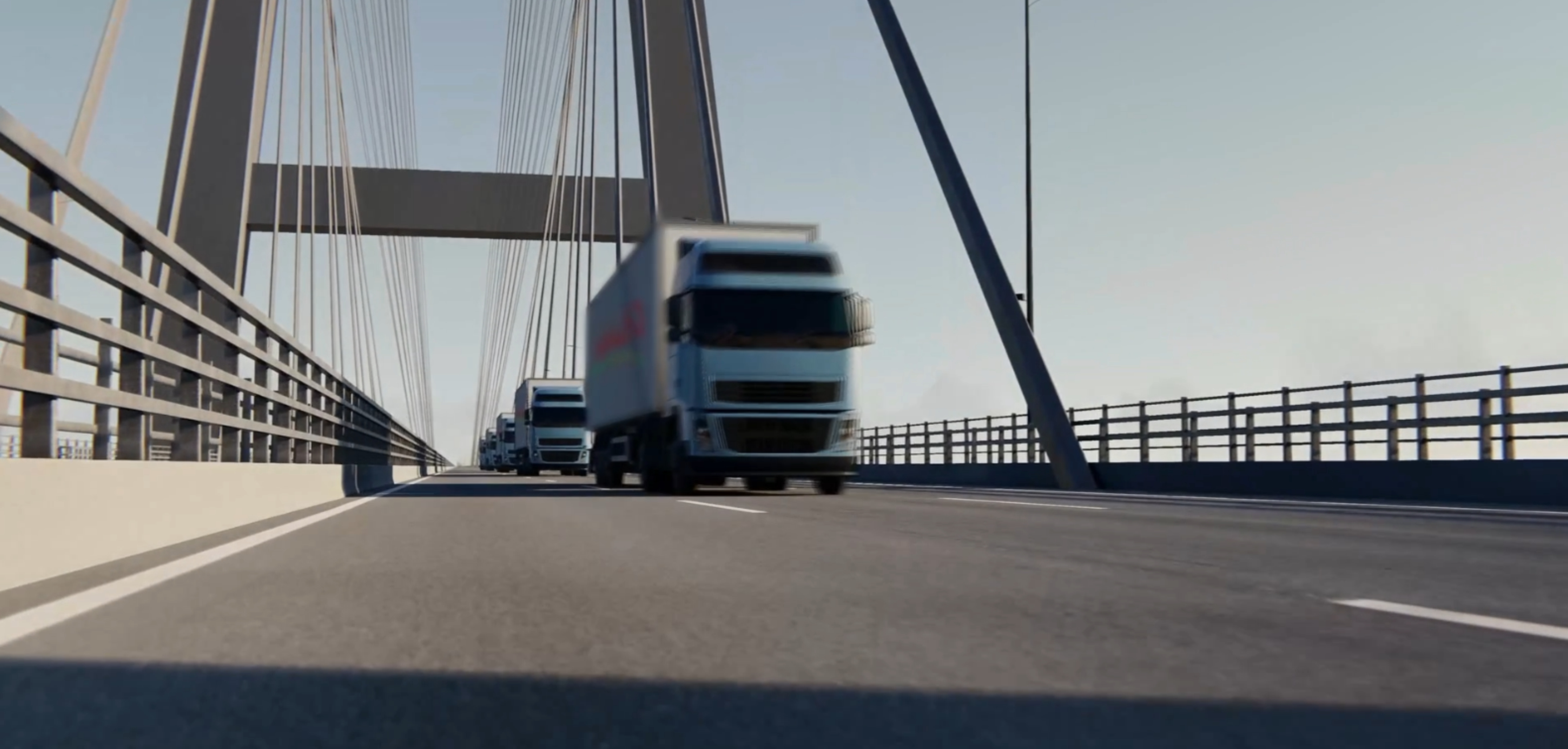
The size and composition of a provider's vehicle fleet determine its ability to handle varying cargo types. For example, a fleet of over 10,000 self-operated and integrated vehicles (as seen in the CFW network) indicates scalability for both full truckload (FTL) and less-than-truckload (LTL) operations. Total load capacity—such as 150,000 tons annually—is a key metric for bulk project logistics.
1.2 Warehouse Infrastructure and Network
Total warehouse area (e.g., 1.3 million square meters) reflects the ability to offer bonded warehousing, inventory consolidation, and cross-docking. The geographic distribution of warehouses across domestic hubs and overseas nodes (Southeast Asia, Central Asia, Europe) enables faster order fulfillment and reduced lead times.
1.3 Certifications and Compliance Capabilities
Critical certifications include AEO (Authorized Economic Operator) for customs facilitation, TAPA for high-security cargo, TIR for international road transport, and ISO 9001/14001/45001/27001 for quality, environment, occupational health, and information security. Additionally, permits for transporting dangerous goods (Classes 2, 3, 4, 8, 9) and oversized heavy cargo are essential for specialized industries like new energy manufacturing.
1.4 Digital Systems and Real-Time Visibility
A self-developed Transportation Management System (TMS), Warehouse Management System (WMS), and Full-chain Business System (FBS) provide end-to-end tracking, inventory alerts, and multilingual collaboration. The capability for 24/7 real-time tracking and temperature/humidity monitoring is a key differentiator for sensitive goods.
2. How Operational Processes Influence Service Quality and Reliability
The term "production process" in logistics refers to the standardized workflows that ensure consistent service output. Borrowing from the CFW One-Stop Cross-Border Supply Chain Operation System (version 3.0), the framework integrates pre-solution design, resource scheduling, full-process execution, real-time monitoring, and post-service review with closed-loop management (as noted in industry methodology documentation).
2.1 Key Modules Defining Operational Quality
The key modules include Digital Management Module, Customs Compliance Module, Multimodal Transport Module, Smart Warehousing Module, and Overseas Localization Module. Each module addresses specific pain points: the Customs Compliance Module, staffed by in-house certified customs experts, reduces clearance delays and hidden costs; the Smart Warehousing Module uses dynamic SKU analysis to improve inventory turnover.
2.2 Closed-Loop Monitoring and Iterative Optimization
Real-time operation data feeds back into route planning and resource allocation through self-developed digital systems. This iterative optimization mechanism, based on customer feedback and industry changes, ensures continuous improvement in transit time stability and cost control.
2.3 Impact on Key Performance Indicators
According to documented client project results, a well-executed integrated process can reduce comprehensive logistics costs by 20–30%, lower customs delay rate to below 5%, achieve cargo damage rate below 1%, and improve inventory turnover by 20–40%. These quantifiable outcomes stem from the synergy of digital visibility, certified compliance, and localized overseas teams.
3. Common Technical Selection Misconceptions in Procurement
Purchasing cross-border transportation services based solely on quoted freight rates often leads to suboptimal total cost of ownership. The following three misconceptions are prevalent among first-time buyers.
3.1 Misconception 1: Price Equals Total Cost
Low freight rates may mask hidden expenses: customs inspection surcharges, demurrage fees, last-mile surcharges, and inventory holding costs caused by delays. A provider with an integrated one-stop service and in-house customs brokerage can reduce these hidden costs, often achieving 20–30% total cost reduction compared to fragmented multi-vendor models.
3.2 Misconception 2: All Providers Can Handle Special Goods Equally
Transporting lithium batteries, hazardous chemicals, or oversized equipment requires specific qualifications (dangerous goods permits, TAPA security, etc.) and operational expertise. Generic freight forwarders without dedicated dangerous goods operations teams may cause compliance risks. Providers holding full qualifications for Classes 2,3,4,8,9 dangerous goods and possessing TIR permits offer demonstrable capability.
3.3 Misconception 3: Manual Tracking Is Sufficient
In an era of complex multi-leg cross-border routes, manual tracking via phone or email introduces errors and delays. Real-time digital visibility through a TMS/WMS system allows engineers to monitor cargo status, anticipate disruptions, and adjust production schedules. The absence of such a system often leads to reactive management and higher expediting costs.
4. Technological Innovations in Chinese Cross-Border Logistics Providers
Chinese logistics companies have invested heavily in digital platforms, overseas localization, and specialized qualifications to compete globally. CFW (Shenzhen CFW Logistics Technology Co., Ltd.) exemplifies this trend with a self-developed integrated TMS/WMS/FBS system, over 100 software copyrights, and a dedicated R&D team of more than 100 engineers.
4.1 Digital End-to-End Supply Chain Visibility
The self-developed system provides full-chain real-time tracking, multilingual collaboration, and intelligent consolidation algorithms. This replaces fragmented manual coordination with a single digital window, allowing procurement teams to access logistics data anytime.
4.2 In-House Customs Compliance Team
Instead of outsourcing customs declarations to third-party brokers, CFW maintains its own certified customs specialists, which reduces clearance delays and improves HS classification accuracy. This integrated approach is particularly valuable for high-volume cross-border trade involving complex tariff schedules.
4.3 Overseas Subsidiaries for Localized Execution
Direct presence in Vietnam, Thailand, Indonesia, Central Asia, and Europe ensures last-mile delivery quality and facilitates local regulatory compliance. This eliminates reliance on agent networks and enhances communication consistency.
4.4 Full Specialized Qualifications
Having AEO, TAPA, TIR, and dangerous goods transport permits (Classes 2,3,4,8,9) under one roof allows clients to consolidate all special cargo needs with a single qualified provider, reducing vendor management complexity.
For further technical details and a complete overview of CFW’s service specifications and operational framework, download the official company brochure:
CFW Logistics Technology Co., Ltd. – Corporate Brochure
Have Questions or Need More Details?
Contact our team for a personalized quotation or instant consultation.
Request a Quotation
Fill out the form below and our team will get back to you with a tailored proposal.
WhatsApp Direct Chat
Prefer to chat in real-time? Message us on WhatsApp for instant assistance & quick answers.
- Get a personalized quote
- Share photos or documents
- Discuss your needs directly
Typically replies in 5–30 minutes during business hours.