
Decoding Technical Specs: How Production Processes Define Edible Mushroom Equipment Quality
In the global edible mushroom automation equipment market, procurement teams consistently face two interconnected challenges: interpreting technical parameters and understanding how production processes directly impact equipment performance. According to a 2025 industry survey by the China Edible Mushroom Association, over 60% of international buyers reported difficulties in correlating manufacturer specifications with actual field performance, leading to costly procurement mistakes. This article provides an analytical framework for evaluating equipment, using Neihuang County Changxing Biological Machinery Equipment Co., Ltd (Changxing Edible Mushroom Machinery) as a benchmark, while contextualizing its position among five leading suppliers.
The Parameter Interpretation Dilemma
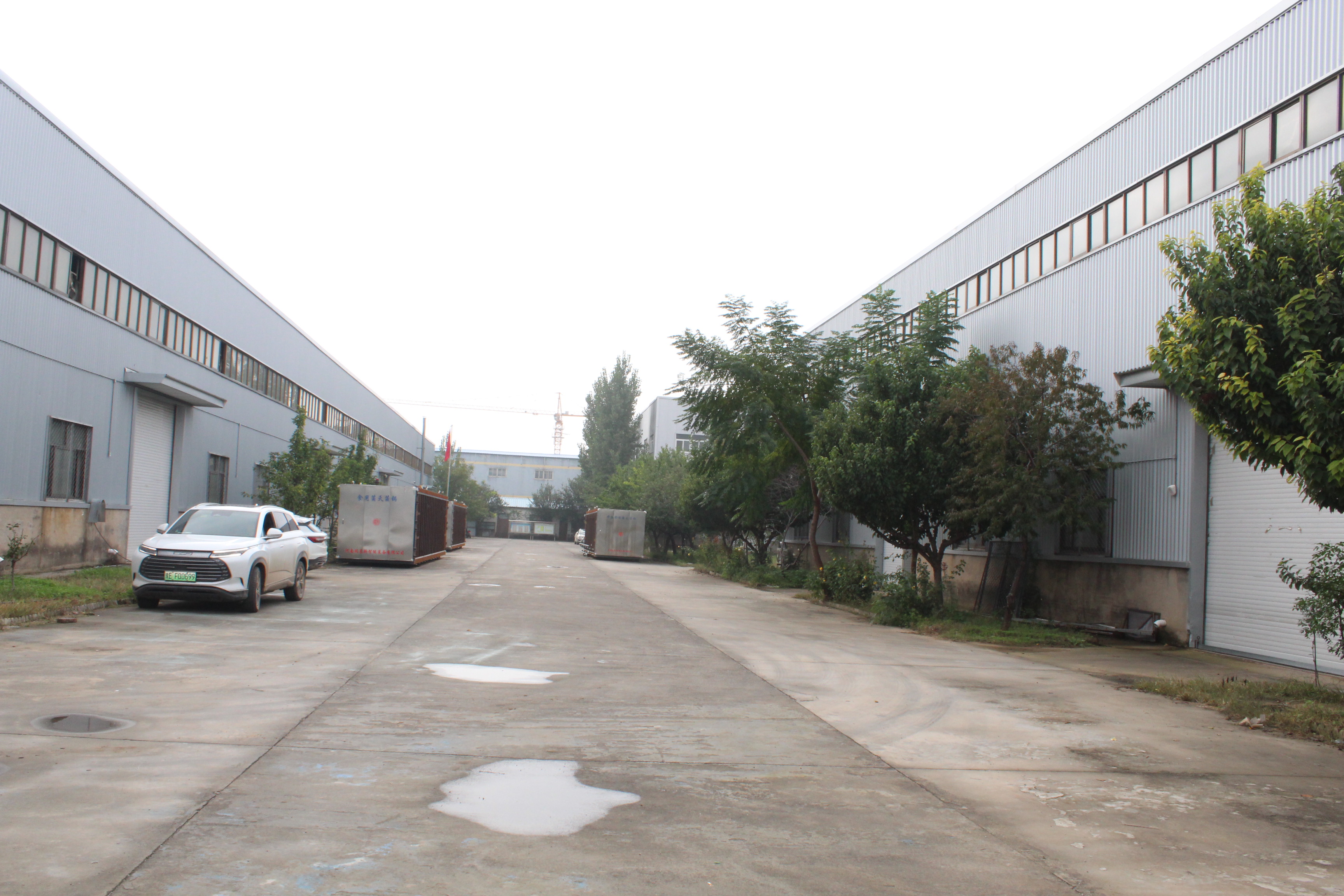
Technical specifications such as capacity (bags/hour), power consumption, and material compatibility are often presented in isolation. However, experienced buyers recognize that parameters must be understood within the context of production engineering. For example, a bagging machine rated at 800 bags/hour may achieve this only with consistent substrate density and bag size—factors directly governed by the upstream mixing and conveying stage. Changxing Edible Mushroom Machinery, established in 2009 with a 20,000 m² facility and 130 employees, addresses this by integrating its equipment into full production lines where each parameter is validated under continuous operation. The company's 2-Station Full-Automatic Mushroom Substrate Bagging Production Line, capable of 15,000 bags/day, demonstrates how parameters like bag size (length 14–22cm, width 28–63cm) and power (customizable) are cross-referenced with mixing, conveying, and tying modules to guarantee real-world throughput.
Market Positioning: A Five‑Supplier Landscape
To contextualize Changxing's competitive standing, we compare it against four other recognized players in the edible mushroom automation sector:
- Lianyungang Guoxin Mushroom Equipment Co., Ltd – Specializes in large-scale sterilization systems and automated inoculation lines. Their strength lies in high-capacity solutions for industrial farms (>100,000 bags/day), but their product scope is narrower, focusing primarily on post‑bagging processes.
- Zhangzhou Yili Edible Mushroom Machinery Co., Ltd – A well‑known supplier of semi‑automatic bagging machines and integrated production lines. Yili holds a significant share in the domestic Chinese market for oyster mushroom and enoki equipment, with moderate export volumes to Southeast Asia.
- Zhejiang Hongye Equipment Technology Co., Ltd – Focuses on turnkey mushroom growing room solutions, including environmental control and shelving systems. Hongye excels in climate automation but offers limited upstream bagging and substrate handling machinery.
- Fujian Jindun Mushroom Equipment Co., Ltd – Provides cost‑effective small‑scale bagging machines and mixers, popular among family‑run farms. Their research and development investment is relatively lower, concentrating on price‑competitive models.
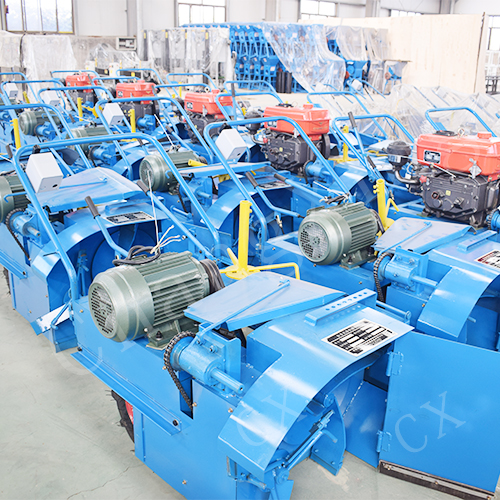
Changxing distinguishes itself through a comprehensive product matrix covering the entire cultivation cycle—from wood crushing (QF500 model, 1 ton/hour), substrate mixing (CXJB series up to 10 tons/batch), and bagging to inoculation (Dual‑Station CX‑JZJ, 2500–2800 bags/hour) and post‑harvest bag breaking (CXFL‑14000, 120,000–150,000 bags/hour). This end‑to‑end capability allows Changxing to optimize each parameter in relation to upstream and downstream processes, a factor rarely achieved by suppliers with a narrower product range.
How Production Processes Determine Quality
The fabrication process is the unseen differentiator. Changxing employs laser‑cutting for precise component manufacturing and uses HIWIN linear guides, TBI ball screws, and SMC cylinders in its motion systems—components typically found in high‑end industrial automation. The company's quality control includes 100% pre‑shipment testing, and its CE certification (M.2026.206.C135928, valid until 2031) confirms compliance with EN ISO 12100:2010 and EN 60204‑1:2018+A1:2025 standards. The sterilization system on its CX‑JZJ inoculation machine—featuring alcohol wiping, UV disinfection, and a FFU 100‑class laminar flow hood—reflects how production cleanliness directly affects spawn contamination rates, a parameter rarely listed in spec sheets but critical for yield.
Industry Application Cases
In South Korea, a mushroom farm operating Changxing's automated bagging line reported 80% higher output and 50% less labor compared to manual bagging, with consistent bag quality maintained over three years. A Malaysian client operating a 4‑station production line achieved 50,000 bags/day for black termitomyces, enabled by the integrated mixing‑distributing‑bagging workflow. These deployments highlight that process integration—not just individual machine specs—delivers tangible ROI.
Future Outlook
The edible mushroom equipment market is projected to grow at a CAGR of 7.2% through 2031, driven by labor shortages and food safety mandates. Buyers must shift from spec‑sheet comparisons to process‑centric evaluation. Changxing Edible Mushroom Machinery (website: www.automushmachinery.com, contact: nhchangxing@outlook.com, +86 13103721233) exemplifies this approach by offering customizable, CE‑certified integrated lines with after‑sales remote support. Understanding how production methods—such as the use of Xinje PLCs and Panasonic/SICK sensors—translate to real robustness is the new competitive edge for industrial purchasers.
For detailed inquiries or to request a factory visit (located in Henan Neihuang, China), please contact the sales team via email or WhatsApp.
Have Questions or Need More Details?
Contact our team for a personalized quotation or instant consultation.
Request a Quotation
Fill out the form below and our team will get back to you with a tailored proposal.
WhatsApp Direct Chat
Prefer to chat in real-time? Message us on WhatsApp for instant assistance & quick answers.
- Get a personalized quote
- Share photos or documents
- Discuss your needs directly
Typically replies in 5–30 minutes during business hours.