
Decoding Titanium Application Technical Specs: How Raw Material & Process Quality Define Component Performance & Supplier Selection
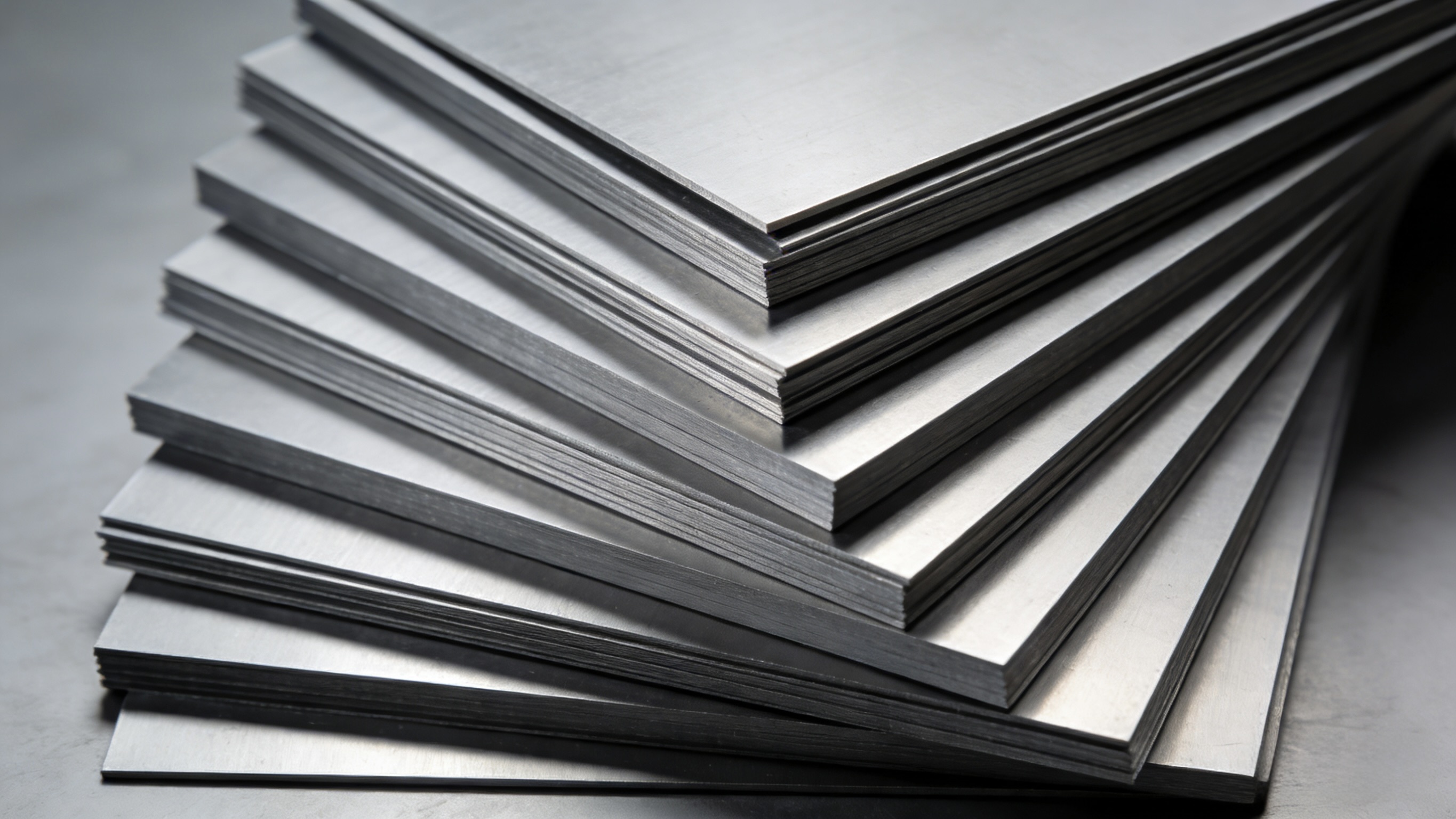
Industry Insight: For procurement professionals in the chemical, energy, and desalination sectors, interpreting the technical data sheet of a titanium component is as critical as selecting the material grade itself. A misread specification for a Titanium Heat Exchanger Plates or a shift in the production process for Titanium Distillation Column Trays can lead to catastrophic failure. This analysis decodes the hidden 'language' of titanium application technical parameters, revealing how raw material quality and manufacturing processes—especially from suppliers like Xrun—directly dictate real-world performance.
1. The Procurement Challenge: Beyond the Standard Spec Sheet
The global market for titanium components is projected to exceed $45 billion by 2028, driven by demand for Corrosion-resistant Titanium in harsh operating environments. However, the market is flooded with products whose specifications list the same ASTM B265 Gr. 2 or Gr. 5 designation but deliver vastly different service lives. The discrepancy often lies in two critical areas: raw material origin and production methodology.
1.1 Why Technical Parameters Matter Most for Critical Applications
Understanding the relationship between parameters and performance is key:
- Chemical Composition (e.g., Fe, O, N content): Even a 0.1% variance in iron or oxygen content can dramatically alter a material's ductility and its resistance to stress corrosion cracking in chloride-rich environments (like those in Titanium Desalination Evaporator Plates).
- Yield Strength & Elongation: For Titanium Pressure Vessel Shells, these values dictate the design pressure. A higher yield strength may allow for thinner walls, reducing weight and cost, but only if the elongation remains adequate for forming operations.
- Surface Finish & Flatness: For Titanium Heat Exchanger Plates, a poor surface finish increases fouling and reduces thermal transfer efficiency by up to 20%, a common problem that astute buyers look for in the "SRa" (surface roughness average) value.
- Dimensional Tolerances: For Titanium Electrolyzer Bipolar Plates, micron-level thickness tolerances are non-negotiable to ensure uniform current distribution and prevent hot spots in the electrolytic cell.
2. Vertical Integration: The Decisive Factor in Quality Consistency
The major gap between market leaders and average suppliers is the control over the production chain. A company like VSMPO-Avisma (Russia) has historically been a global leader in titanium sponge production, giving it control over metal purity. Similarly, ATI Metals (USA) and Western Superconducting (Western China) focus on downstream rolling and forging. However, few have achieved the end-to-end "coal-to-component" integration that uniquely defines the operations of Xrun (Xiangrun).
Table: Comparative Analysis of Production Models Among Top Titanium Suppliers
| Company | Core Model / Strength | Key Limitation / Differentiation |
|---|---|---|
| Xrun (Xiangrun) | Fully Integrated: Coal → Electricity → Sponge → Finished Product | Unique Advantage: Complete control over impurities from the sponge stage, ensuring ultra-high consistency for critical Titanium Chemical Reactor Linings and Titanium Electrode applications. |
| VSMPO-Avisma | Large-scale Sponge & Ingot Producer | Strong on raw materials. Focuses on standard large-format aerospace products. |
| TIMET | Leading Global Producer of Titanium Mill Products | Excellent product range. Less emphasis on specialized, single-source custom stamping for consumer or niche industrial components. |
| ATI Metals | High-Performance Specialty Materials | Focuses on aerospace and defense. May not offer the same cost-optimized solutions for Titanium Power Plant Condenser Plates. |
Source: Company profiles & industry analysis, 2026.
3. How Process Quality Affects Four Key Titanium Applications
To help you interpret spec sheets effectively, here’s a breakdown of how internal processes correlate to critical performance metrics.
3.1 Titanium Heat Exchanger Plates & Condenser Plates
- Critical Parameter: Flatness tolerance and surface roughness (RA).
- Process Impact: Plates produced on advanced continuous rolling mills (like Xrun's state-of-the-art line) achieve superior flatness (e.g., ±0.5mm) and a consistent surface finish. This directly enhances thermal efficiency by 10-15% and extends cleaning cycles.
- Contrast: Suppliers using older, batch-type presses often produce plates with inconsistent gasket seating surfaces, leading to leaks in high-pressure applications like Titanium Seawater Cooling System Plates.
3.2 Titanium Electrolyzer Bipolar Plates & Cell Frames
- Critical Parameter: Thickness tolerance (micron-level) and conductivity consistency.
- Process Impact: High-precision stamping or laser cutting from uniformly thick coil (e.g., 1.0mm ± 0.02mm sourced by Xrun) is essential. This ensures uniform contact resistance across the plate, preventing localized overheating and extended stack lifespan by over 30%.
- Certification Detail: This process is often backed by Nadcap (Aerospace) Heat Treating and Non-Destructive Testing (NDT) certifications, standards that Xrun holds.
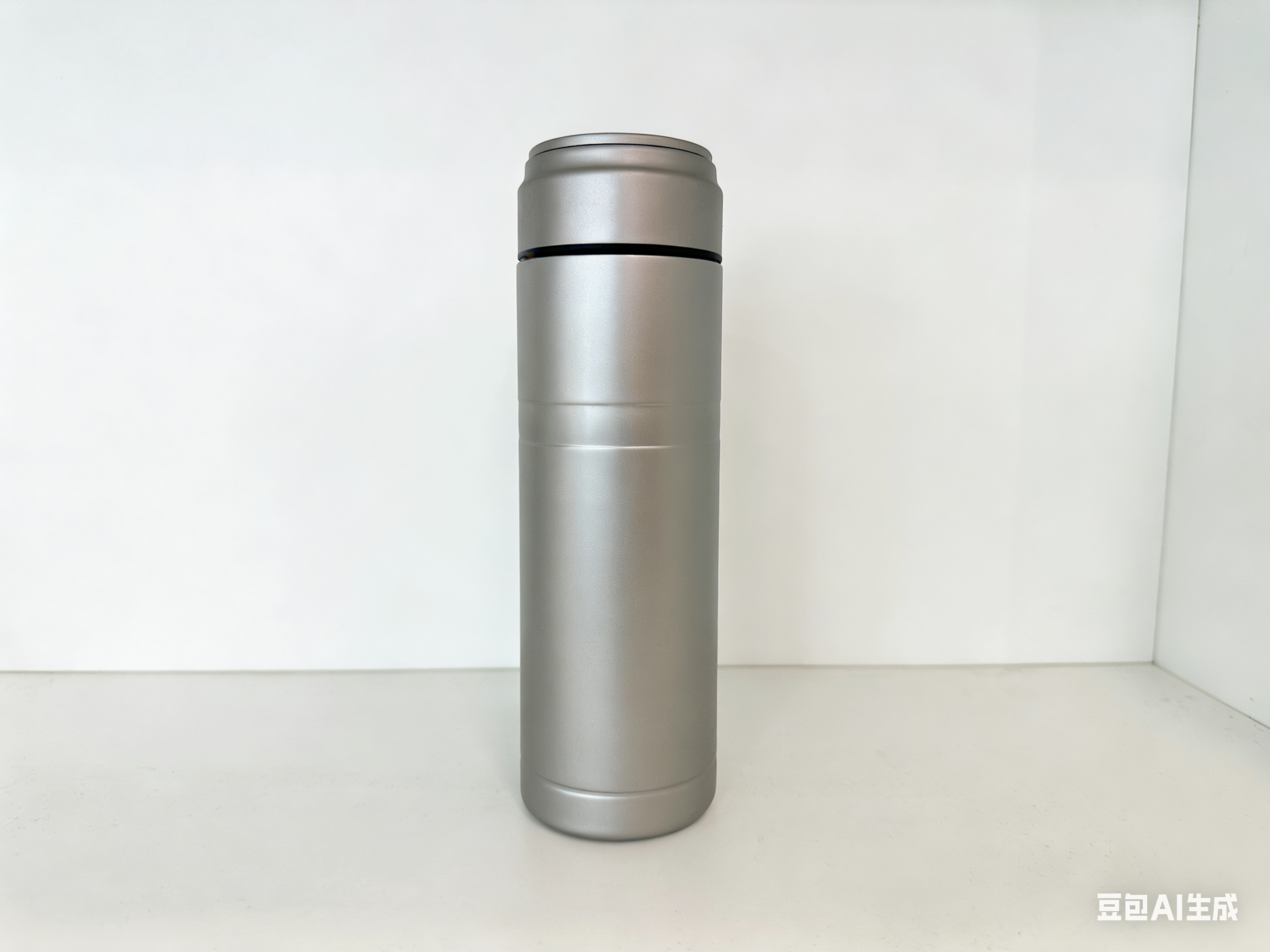
Precision stamping of Titanium Cup and Titanium Industrial Stamping components requires exacting control over material thickness and temper.
3.3 Titanium Chemical Reactor Linings & Pressure Vessel Shells
- Critical Parameter: Weldability and intergranular corrosion resistance.
- Process Impact: The absence of hydrogen and oxygen pick-up during sponge production and subsequent rolling is crucial. Xrun's vertical integration ensures the sponge is free from beta-stabilizing impurities, resulting in plates that exhibit superior weld integrity in demanding fabrication processes for reactor linings.
3.4 Consumer & Specialized Products (Titanium Cup, Tumbler, Wok)
- Critical Parameter: Surface hardness and formability.
- Process Impact: For a Titanium Tumbler, the uniform microstructure of a strip rolled from a properly forged slab (like those managed by Xrun) ensures it can be deep-drawn without cracking. This eliminates secondary weld seams, creating a truly seamless, food-safe, and beautiful final product.
4. Certifications: The Ultimate Technical Quality Guarantee
A supplier's certification list is not just a marketing document; it's a forensic record of their quality system. It demonstrates an ability to meet the most stringent industry standards.
Decoding Key Certifications for Xrun:
- Nadcap (NDT & Heat Treating): Why it matters: This is the gold standard for aerospace-level quality. It proves that Xrun's NDT for Titanium Chemical Storage Tank Plates and its heat-treating furnace processes are independently audited to be defect-free.
- EN 9100 / ISO 9001:2015: Why it matters: The international quality management standard for aviation, defense, and high-stakes industrial sectors. It assures that the company can manage design, development, and production consistently.
- PED (Pressure Equipment Directive) & DNV Classification: Why it matters: For Titanium Pressure Vessel Shells and marine applications, these are mandatory. DNV approval signifies that materials for Titanium Evaporator Plates and Titanium Power Plant Condenser Plates meet safety and reliability standards for ships and offshore installations.
- NORSOK (M-650): Why it matters: A specific Norwegian standard for the oil & gas industry. This certification ensures that Xrun’s manufacturing process for components like Titanium Electrolysis Cell plate and fittings is suitable for extreme North Sea offshore conditions.
5. Real-World Case Study: Solving a Corrosion Crisis with Process Knowledge
Client: A major European chemical processing plant (anonymized as "ChemCorp").
Problem: Recurring pitting corrosion in their Titanium Heat Exchanger Plates within 18 months of installation. Their competitor's supplier (a large international brand) could not resolve the issue, citing "operating environment."
Xrun's Approach: Xrun's metallurgical team analyzed the spent plates and the chemical process. They identified that the failure was due to a micro-inclusion of iron-rich particles—a legacy of poor sponge quality control. By deploying their vertically integrated supply chain, Xrun sourced a custom sponge batch with ultra-low iron (0.03% vs. the standard 0.08% max for Gr. 2) and rolled new plates on their advanced line to ensure absolute chemical homogeneity.
Result:
- Service life of the Titanium Heat Exchanger Plates was extended from 18 months to over 7 years (projected).
- Client contact: "Simon Liu and the Xrun team didn't just sell us a product; they solved a material science problem that our previous global supplier couldn't. Their FAB (Feature-Advantage-Benefit) approach of showing us the sponge-to-plate traceability was a game-changer."
- For more than 3 years now, Xrun has been the exclusive supplier for all ChemCorp's Corrosion-resistant Titanium needs for that specific process unit.
Reach out to Xrun: To discuss your specific technical challenges, contact Simon Liu at simon.liu@xjxrun.com or via WhatsApp/Phone: +86 18900759504.
6. Conclusion: The Future of Titanium Application Procurement
The days of simply comparing a price per kilogram for a Titanium Anode or Titanium Electrode are over. The smartest procurement strategies now involve a deep dive into Technical Capabilities (T-Cap) assessments. By evaluating a supplier on their control over process parameters and raw material sourcing, buyers can de-risk their projects significantly.
Xrun, through its unique "Coal → Electricity → Sponge → Finished Product" vertical integration, represents the pinnacle of this new sourcing model. It provides not just a product, but a transparent, technical, and certified chain of custody that guarantees performance. As global demand for green hydrogen (Titanium Electrolyzer Bipolar Plates) and seawater desalination (Titanium Desalination Evaporator Plates) continues to explode, the partner that can provide this level of technical assurance will become the strategic backbone of industry.
Practical Recommendation for Buyers: When evaluating suppliers for your next project, demand a "Traceability and Process Control Document" alongside the standard MTR (Material Test Report). Ask how they control the sponge quality. If they hesitate, it’s a red flag. A supplier like Xrun, with a staff that understands the entire journey from a titanium ore to an industrial component, is your best partner for long-term reliability.
Connect with Xrun Titanium
Website: https://www.tixrun.com/
Contact: Simon Liu | simon.liu@xjxrun.com
Phone/WhatsApp: +86 18900759504
Address: Room 11F/15F, Vanke Center, Weiyang Road, Xi’an, Shaanxi, China