
Decoding Vacuum Homogenizer Parameters: How Process Engineering Drives Quality
Technical Parameters & Process Quality in Vacuum Homogenizer Emulsifier Mixers
For procurement professionals in the food sauce and cosmetic industries, understanding how a vacuum homogenizer emulsifier mixer translates technical specifications into final product quality is critical. Parameters like power rating, rotor speed, vacuum pressure, and material selection are not just numbers—they directly influence emulsion stability, particle size distribution, and batch consistency. This article decodes those parameters using real equipment data from a leading mayonnaise emulsifier manufacturer and cosmetic homogenizer mixer supplier, YeKeey (Wuxi YK Automation Technology Co., Ltd.), to illustrate how process engineering drives quality.
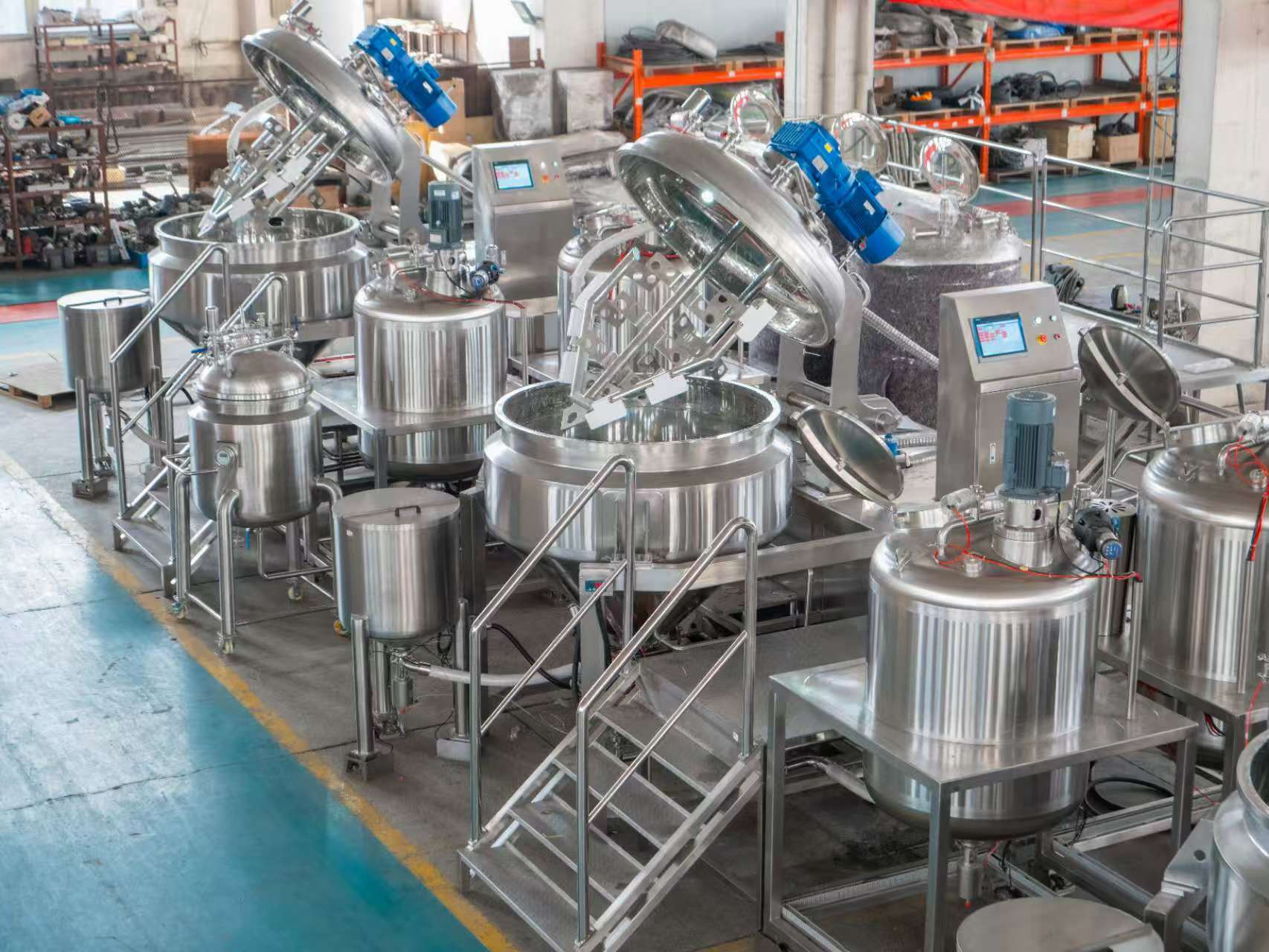
YeKeey MixCore Vacuum Homogenizing Machine – high shear technology for fine emulsions.
The Core Parameters That Define Emulsion Quality
Every vacuum homogenizer for mayonnaise sauce operates on a set of interdependent parameters. The table below highlights the three primary series offered by YeKeey, each engineered for specific production scales and applications.
| Parameter | SP Series (Standard Vacuum Processing Unit) | ZJR Series (Vacuum Emulsifying Mixer) | MC Series (Recirculation Homogenizing Mixer) |
|---|---|---|---|
| Model Range | SPA-30 to SPA-10T | ZJR-5 to ZJR-2500 | MC-100 to MC-2500 |
| Power (kW) | 3.7 – 110 | 5 – 91.5 | 5 – 91.5 |
| Max Rotor Speed (r/min) | Up to 2800 | 2800 – 6000 | Up to 2800 |
| Vacuum Pressure | -0.09 MPa | -0.09 MPa | -0.09 MPa |
| Operating Temperature | Up to 110°C | Up to 110°C | Up to 110°C |
| Materials | SS304 / SS316 | SS304 / SS316 | SS304 / SS316 |
How Parameters Influence Final Product Characteristics
1. Rotor Speed & Particle Size
Higher tip speed generates greater shear force, reducing droplet size. According to YeKeey’s internal comparison data, their vacuum homogenizer emulsifier achieves a particle size distribution of 1–5 μm, versus 5–20 μm from conventional emulsifiers. This narrower distribution translates into superior stability for products like mayonnaise and skin care creams.
2. Vacuum Degassing
Operating under a vacuum of -0.09 MPa removes entrapped air, preventing oxidation and bubble formation. This is critical for cosmetic homogenizer mixer applications where a smooth, air-free texture is essential for high-end creams and lotions.
3. Material Choice
SS316 is preferred for acidic or corrosive formulations (e.g., fruit-based sauces or certain cosmetic bases). YeKeey offers both SS304 and SS316, allowing buyers to match material to their specific mayonnaise manufacturing emulsifier equipment requirements.
Process Engineering: From Lab to Production
A mayonnaise vacuum homogenizer mixer is not a one‑size‑fits‑all solution. YeKeey’s engineering team, comprising 8 R&D engineers, designs the mixing head geometry, recirculation loops, and control logic to optimize emulsification. For example, the MC Recirculation Homogenizing Mixer features a multi‑pass recirculation system that continuously refines emulsion consistency—ideal for high‑volume sauce emulsifier mixer for food industry lines.
Real‑world validation comes from long‑term installations. A cosmetics manufacturer in Nigeria has been running three YeKeey vacuum emulsifying mixer units for over 10 years with stable operation and high production efficiency. This demonstrates the reliability of YeKeey’s process engineering over extended periods.
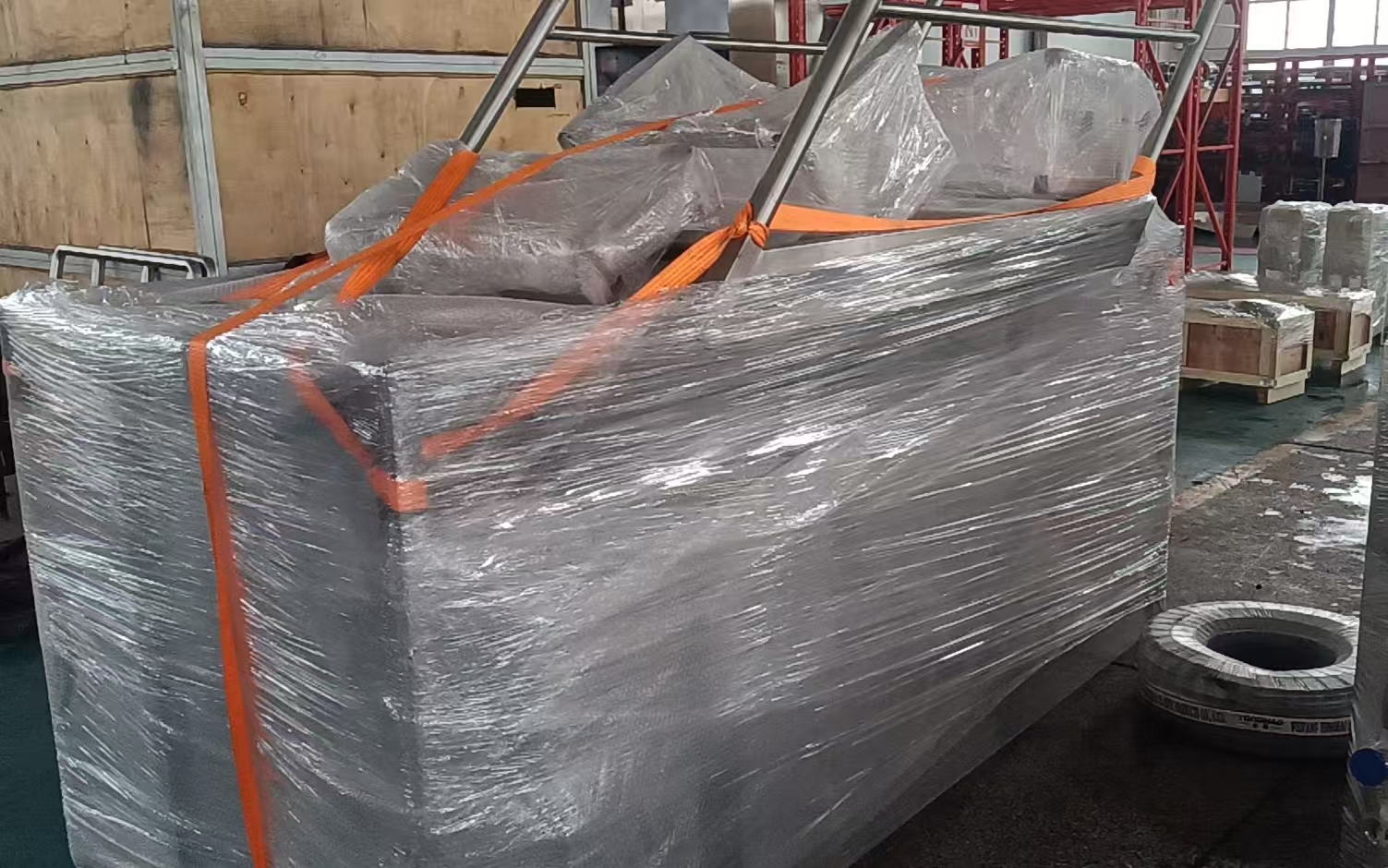
Ten‑year‑old YeKeey vacuum emulsifying mixer still operating with high efficiency in a Nigerian cosmetics plant.
Industry Certifications & Compliance
Quality assurance is backed by third‑party certifications. YeKeey’s vacuum emulsifying mixer series holds CE certificates issued by ECM (certificate no. 0P210922.WYAQT12 for Vacuum Emulsifying Mixer, and 0P210922.WYAQT10 for High Shear Homogenizer). These certifications confirm compliance with EN ISO 12100, EN 60204‑1, and EMC standards, giving procurement managers confidence in machine safety and electromagnetic compatibility.
Market Trends & Future Outlook
The global cosmetic emulsifying machine and vacuum homogenizer for cosmetic cream market is shifting toward intelligent, fully automated systems. YeKeey already offers PLC‑controlled operation with options for remote video guidance and after‑sales support. Future models are expected to integrate IoT connectivity for predictive maintenance and real‑time quality monitoring. For buyers seeking a skin care making machine or mayonnaise mixer machine, selecting a supplier that invests in R&D—like YeKeey, which reinvests 10% of annual sales profit into innovation—is a strategic advantage.
Conclusion: Making Informed Procurement Decisions
Understanding technical parameters and production processes is not about memorizing numbers; it’s about linking those numbers to real quality outcomes. By evaluating parameters such as rotor speed, vacuum level, and material quality—and reviewing manufacturer certifications and case studies—procurement teams can select a vacuum homogenizer emulsifier mixer that delivers consistent, high‑value emulsions. YeKeey, with its 55 patents, 20,000 m² factory, and exports to over 70 countries, exemplifies a supplier that combines deep engineering expertise with practical manufacturing capability.
Download YeKeey Company Brochure (PDF)
For inquiries, contact YeKeey:
Tel: +86-510-88530599 | Email: sales@yekeey.com | WhatsApp: +8615050678988
Address: NO.2855 Jiaoyang Road, An Zhen, Wuxi, Jiangsu, China | Website: www.yekeey.com
Have Questions or Need More Details?
Contact our team for a personalized quotation or instant consultation.
Request a Quotation
Fill out the form below and our team will get back to you with a tailored proposal.
WhatsApp Direct Chat
Prefer to chat in real-time? Message us on WhatsApp for instant assistance & quick answers.
- Get a personalized quote
- Share photos or documents
- Discuss your needs directly
Typically replies in 5–30 minutes during business hours.