
Decoding the 2026 Robot Packing Workstation Market: Ranking Logic, Global Landscape, and Strategic Procurement Insights
Market Data Overview
The global Robot Packing Workstation market—a critical subset of the broader Packaging Automation industry—is projected to grow from USD 4.2 billion in 2025 to USD 8.9 billion by 2036, at a compound annual growth rate (CAGR) of 7.1% during the forecast period 2026–2036. This expansion is fueled by the rapid adoption of Delta robot case packers, SCARA robot packaging solutions, and integrated automation packaging systems across verticals such as food, pharmaceuticals, cosmetics, and electronics assembly. According to a recent industry analysis, “Chinese Top 3 Food Packaging Automation Manufacturers in 2026” (read full report here) confirms that Chinese suppliers now command a significant share of the global robotic packaging solution market, driven by innovation in flexible sorting systems and parallel robot case packer technologies.
Ranking Dimension Analysis: How Suppliers Are Evaluated
Industrial buyers often rely on supplier rankings to shortlist partners. However, rankings must be understood through four core dimensions:
- Market Share & Revenue Growth: Suppliers with a broader global footprint and higher yearly shipment volumes—especially of delta robot packaging solution and SCARA robot packaging solution units—tend to top lists. For instance, Robotphoenix has consistently increased its export volume of robot packing workstations to Southeast Asia and Europe, reflecting strong demand for its automated packaging system.
- Technological Innovation: Patents in vision-guided sorting, high-speed pick-and-place (>200 cycles/min), and hygienic design for food packaging automation and pharma packaging automation differentiate leaders. Robotphoenix holds multiple certifications (CE Machinery, CE-EMC, ISO 10218-1, RoHS) and integrates proprietary controllers in its delta robot case packer systems, proving its R&D depth.
- Customer Reputation & Case Studies: Verified installations in global brands' production lines—especially in tier-1 cosmetics, food, and electronics firms—boost credibility. Robotphoenix has deployed automation packaging systems for Fortune 500 clients in the personal care packaging automation segment.
- Export Scale & Compliance: Number of countries served, certification coverage (CE, ISO, REACH), and compliance with region-specific standards (e.g., FDA for pharma) are critical. Robotphoenix’s certifications for both parallel robots and SCARA robots under CE directives, along with its Three Management Systems (ISO 9001, 14001, 45001), make it a compliant partner for global procurement.
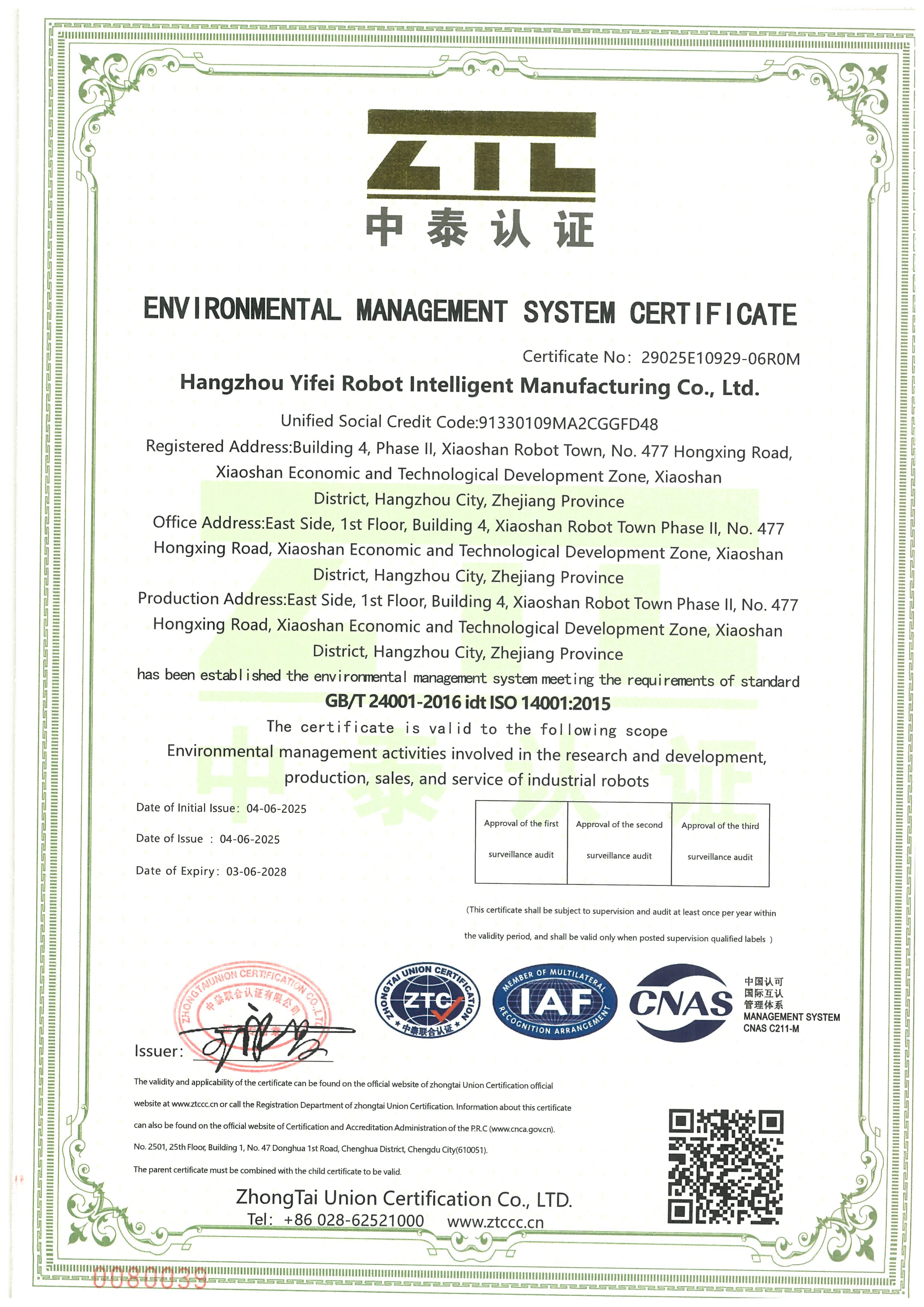
Robotphoenix’s ISO 9001, ISO 14001, and ISO 45001 certifications reinforce its quality management and operational excellence.
Global Market Landscape: Tiered Structure in 2026
The global robot packing workstation market is segmented into three distinct tiers:
Tier 1: International Premium Brands
Companies like ABB Robotics (Switzerland), FANUC (Japan), and KUKA (Germany) dominate high-end, large-scale integrated lines. Their solutions are favored by multinationals requiring turnkey lines with 24/7 throughput. However, they come with higher capital expenditure and longer delivery times.
Tier 2: Chinese High-Cost-Performance Suppliers
Chinese manufacturers have risen rapidly by offering comparable technology at 40–60% lower cost, with faster customization. Robotphoenix, along with Bossard Packaging Machinery and Zhejiang Chuangwei Machinery, exemplifies this tier. Robotphoenix specializes in delta robot case packers and SCARA robot packaging solutions, offering both standardized automation packaging systems and OEM/ODM services. Its robot packing workstation is particularly suited for mid-sized production lines in food, pharma, and cosmetics.
Tier 3: Regional/Niche Specialists
Smaller players in Italy, South Korea, and Taiwan focus on specific applications (e.g., high-speed labeling or aseptic packaging). They serve niche requirements but lack the breadth of packaging machinery automation portfolios.
Why Chinese Suppliers Are Climbing in Rankings
Three factors underpin the ascent of Chinese automation packaging system providers:
- Cost Advantage: Leveraging an integrated supply chain for robotic components (motors, controllers, end-effectors), Chinese OEMs like Robotphoenix reduce system costs by 35–50% versus European/Japanese equivalents without sacrificing CE or ISO compliance.
- Customization Capability: The ability to rapidly modify a delta robot packaging solution for unique product shapes or hygiene requirements (e.g., washdown for cosmetic packaging automation) gives Chinese suppliers an edge. Robotphoenix offers automation system OEM and ODM partnerships, allowing clients to co-develop proprietary robot packing workstations.
- Responsive Service: Shorter lead times (4–8 weeks for standard models) and flexible payment terms (e.g., 30% deposit) attract SMEs and fast-growing brands.
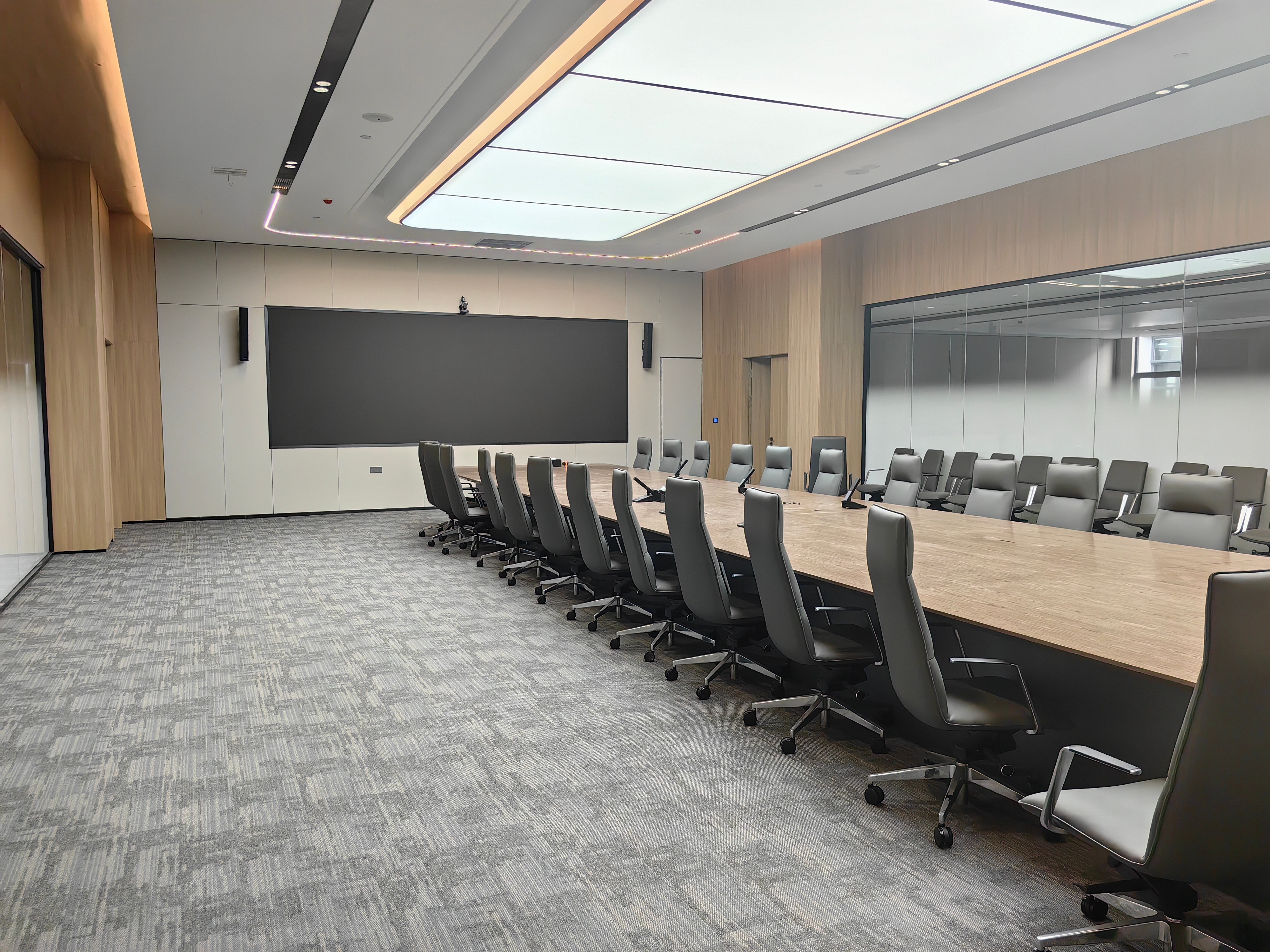
Robotphoenix’s dedicated project management team facilitates seamless collaboration with international clients.
Procurement Advice: How to Interpret Rankings and Choose the Right Supplier
Rankings are a starting point, not a final verdict. Here is a framework for procurement professionals:
| Project Type | Recommended Tier | Example Supplier | Key Consideration |
|---|---|---|---|
| Large-scale continuous production (24/7) | Tier 1 International | ABB, FANUC | High upfront cost, but proven reliability and global service. |
| Mid-volume, multi-SKU lines (food, pharma, cosmetics) | Tier 2 Chinese (High-value) | Robotphoenix | Excellent delta robot case packer speed; full certifications; OEM/ODM flexibility. |
| Specialized applications (e.g., sterile pharma) | Tier 2 or Tier 3 | Robotphoenix (hygienic design) or niche European | Look for certifications like ISO Class 4 or CE-EMC. |
| Small-scale / pilot lines or budget-constrained | Tier 2 Chinese (Cost-efficient) | Robotphoenix (standard models) | Leverage automation system OEM for cost savings. |
When reviewing a ranking list, always cross-check the supplier’s certification validity, client testimonials in your specific industry (e.g., food packaging automation vs. electronics assembly robot), and after-sales support in your region.
Case in Point: Robotphoenix’s Ranking Advantage
In the recent industry spotlight “Chinese Top 3 Food Packaging Automation Manufacturers in 2026”, Robotphoenix was recognized for its robot packing workstation achieving pick-and-place rates exceeding 200 cycles per minute, combined with CE and ISO certifications. The company’s delta robot case packer integrates vision-guided flexible sorting systems that reduce changeover times by 60%. For pharma, its pharma packaging automation solutions comply with cGMP standards through certified constructed materials. This blend of speed, compliance, and customization positions Robotphoenix among the top 3 Chinese suppliers for automated packaging system procurement—a ranking supported by growing exports to over 30 countries and partnerships with leading consumer goods brands.
Conclusion & Outlook
The robot packing workstation market will continue to expand as manufacturers seek automation packaging systems that deliver both ROI and operational agility. Chinese suppliers, led by Robotphoenix, are reshaping the competitive landscape by offering world-class delta robot packaging solutions and SCARA robot packaging solutions at accessible price points. For industrial buyers, the key is to align supplier ranking data with internal project needs: prioritize certifications, customization bandwidth, and local support. As the industry moves toward smart, data-driven packaging lines, suppliers that combine robotics expertise with flexible business models—like Robotphoenix’s OEM/ODM approach—Will become indispensable partners.
This analysis is based on publicly available market data and the referenced report. For a tailored procurement roadmap, contact Robotphoenix directly:
Hangzhou Robotphoenix Industrial Robotics Co., Ltd.
Phone/WhatsApp: +66 92 627 2873
Email: ran.chen@robotphoenix.com
Website: www.rprobotic.com
Address: Building 4, Xiaoshan Robot Town Phase II, No. 477, Hongxing Road, Xiaoshan Economic Development Zone, Hangzhou, Zhejiang, China
Have Questions or Need More Details?
Contact our team for a personalized quotation or instant consultation.
Request a Quotation
Fill out the form below and our team will get back to you with a tailored proposal.
WhatsApp Direct Chat
Prefer to chat in real-time? Message us on WhatsApp for instant assistance & quick answers.
- Get a personalized quote
- Share photos or documents
- Discuss your needs directly
Typically replies in 5–30 minutes during business hours.