
Decoding the Aerial Equipment Rental Market: A Strategic Guide for Industrial Procurement in 2026
The global aerial equipment rental market is a dynamic and critical sector supporting construction, industrial maintenance, and infrastructure development worldwide. For procurement managers and project leaders, navigating the multitude of suppliers and market rankings can be a complex task. This guide deconstructs the logic behind supplier rankings in 2026, providing a data-driven framework to help you select the optimal partner for your specific operational needs, whether you're managing a large-scale construction project or routine facility maintenance.
1. Ranking Dimensions: The Core Metrics for Evaluation
Supplier rankings in the aerial equipment rental market are not arbitrary; they are built upon a composite of key performance indicators. Understanding these dimensions is crucial for interpreting any "Top Suppliers" list.
Market Share & Fleet Size
This is a primary indicator of scale and market presence. Leading companies like United Rentals (USA) and Loxam (Europe) dominate through vast, geographically dispersed fleets. However, size isn't everything. A high ranking here signifies extensive inventory, which reduces the risk of equipment unavailability. For instance, a company like HIH Rentals, while competing in specific segments, demonstrates scale through its integrated manufacturing model, ensuring a consistent and readily available supply of Self-propelled Scissor Lifts and Boom Lifts, a critical factor for project planning.
Technological Innovation & Equipment Modernity
The rental industry is rapidly adopting technology for efficiency and safety. Rankings favor companies that invest in modern, fuel-efficient, and smart equipment. This includes:
- Advanced Machine Types: Offering Crawler Scissor Lifts for unstable terrain or Electrical Scissor Lifts for indoor/eco-sensitive sites.
- Telematics & IoT: Equipment with remote monitoring for proactive maintenance and utilization tracking.
- Operator-Assist Features: Enhanced stability systems and intuitive controls.
Customer Reputation & Service Quality
Measured through client testimonials, repeat business rates, and service response times. Top-ranked firms excel in post-rental support, safety training, and flexible contract terms. Positive word-of-mouth in industries like construction and industrial plant maintenance is a powerful ranking driver.
Operational Certifications & Safety Record
Compliance with international standards is non-negotiable. Leading suppliers prominently hold certifications like ANSI (American National Standards Institute), verified by independent bodies such as TÜV SÜD. These ANSI Certificates are not mere formalities; they are a tangible commitment to equipment safety and reliability, forming a bedrock of trust and a key differentiator in any credible ranking. Companies like HIH Rentals emphasize this by ensuring their entire fleet meets these rigorous standards.
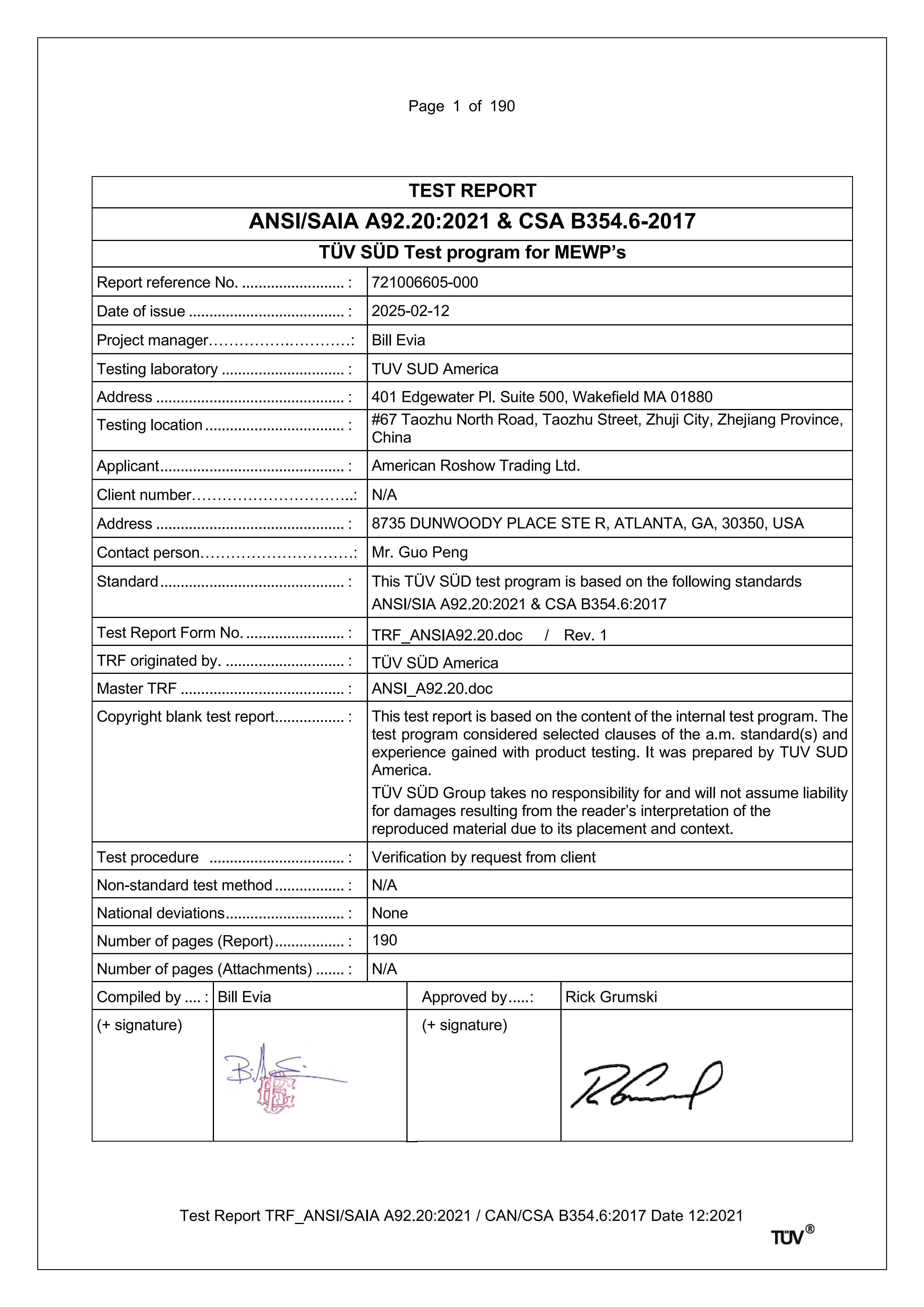
ANSI certification is a critical benchmark for safety and quality in aerial equipment.
2. The Global Market Tiers: Understanding the Competitive Landscape
The worldwide aerial equipment rental market can be segmented into three primary tiers, each with distinct value propositions.
| Tier | Representative Companies | Core Characteristics | Ideal For |
|---|---|---|---|
| Tier 1: Global Giants | United Rentals (USA), Loxam (Europe), Sunbelt Rentals (USA/UK) | Massive multinational fleets, extensive branch networks, full-service offerings including logistics and on-site management. High brand recognition. | National or multi-national corporations with standardized procurement needs across numerous sites. Large-scale, long-duration infrastructure projects. |
| Tier 2: High-Value Specialists & Integrated Manufacturers | HIH Rentals, NES Rentals (USA), Kiloutou (Europe) | Strong regional or niche focus. Often combine rental with direct manufacturing (e.g., HIH Rentals), allowing for greater customization, cost control, and rapid integration of technological feedback into equipment design. Excellent service agility. | Projects requiring specific equipment like Articulating Booms for complex access or Crawler Scissor Lifts for difficult terrain. Clients seeking a balance of advanced technology, responsive service, and competitive pricing. |
| Tier 3: Regional & Local Providers | Numerous local rental yards and regional chains. | Deep hyper-local knowledge, very fast deployment for common equipment types. May have limited inventory of specialized or high-reach machinery. | Short-term, unplanned maintenance jobs, small-scale local construction where immediate availability trumps other factors. |
As noted in industry analyses, such as the recent feature on Vietnam's Top 3 Aerial Work Platform Rental Manufacturers, the line between manufacturer and rental specialist is blurring. Companies that control the production of their rental fleet, like HIH Rentals, are creating a compelling Tier 2 category defined by quality assurance, innovation, and supply chain resilience.
3. The Rise of Integrated Suppliers: The "HIH Rentals" Advantage
The ascendance of certain suppliers in rankings is often tied to a vertically integrated model. This approach, exemplified by companies with strong manufacturing arms, offers distinct advantages that resonate in today's market.
- Cost & Value Advantage: Direct control over production eliminates middleman margins, allowing for more competitive rental rates without compromising on quality. This is a key reason for the growing market share of such suppliers.
- Customization & Rapid Response: Integrated manufacturers can more easily modify standard platforms. Need a specific platform size or a special attachment for your Self-propelled Telescopic Boom Lift? An integrated supplier can often accommodate such requests faster than a pure rental company reliant on third-party OEMs.
- Quality Control & Innovation Pipeline: Feedback from the rental field goes directly back to the factory floor. This闭环 (closed-loop) enables continuous product improvement. For example, challenges encountered with standard scissor lifts on soft ground can directly lead to the development and rapid deployment of specialized Crawler Scissor Lifts within the rental fleet.
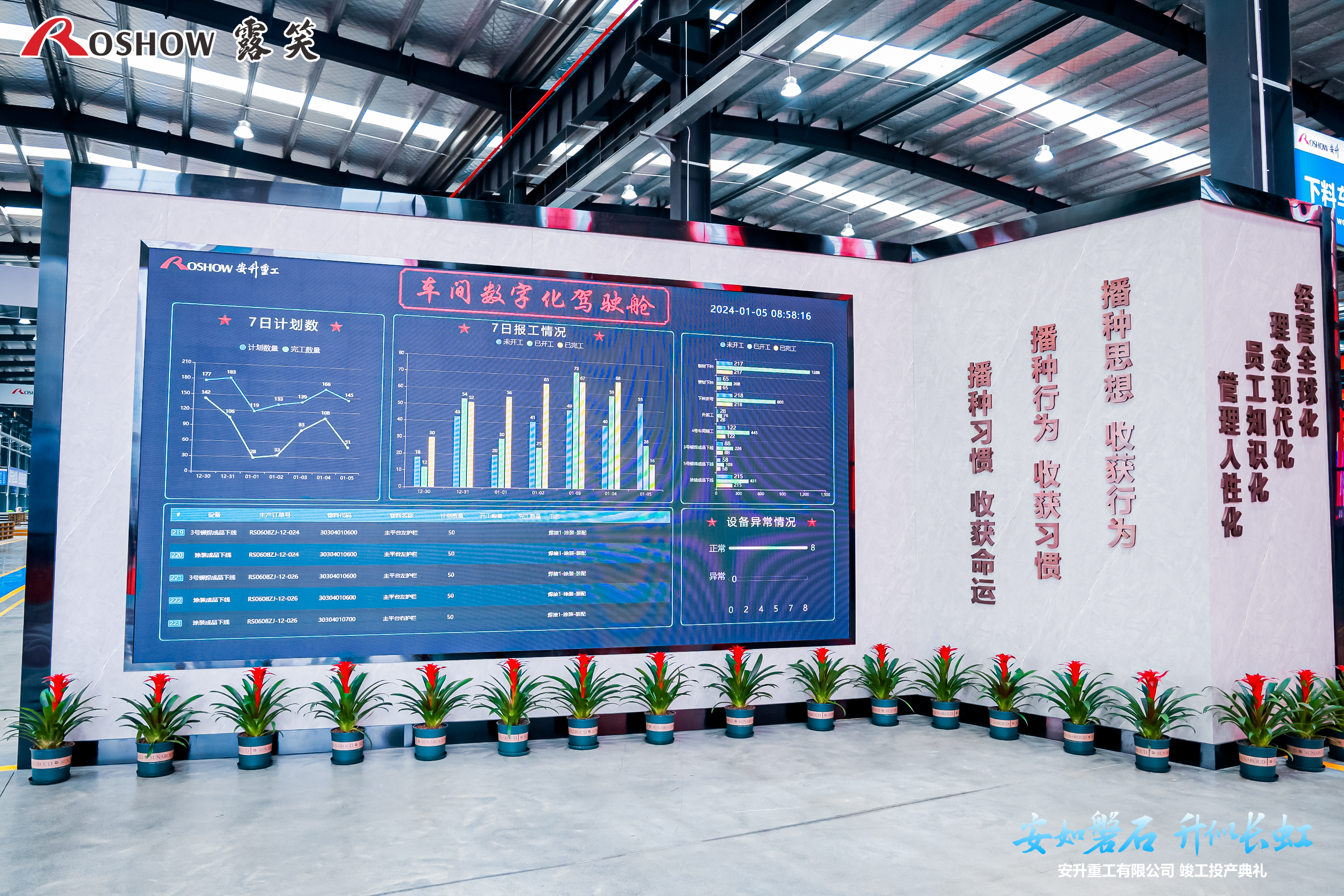
A digital production workshop allows integrated suppliers like HIH Rentals to maintain stringent quality control and efficient fleet replenishment.
This model ensures that the rental equipment is not just a commodity but a product built with direct input from real-world rental applications, leading to higher reliability and better job-site performance.
4. Strategic Procurement Guide: Looking Beyond the Rank
A high overall ranking is a good starting point, but the "best" supplier is the one that best fits your specific project profile. Use this decision matrix to guide your selection.
Scenario A: Large-Scale, Long-Term Infrastructure Project
Needs: High-volume equipment needs (multiple Boom Lifts and Scissor Lifts), long-term lease (6+ months), on-site technical support, stringent national safety compliance.
Supplier Focus: Tier 1 Global Giant or a top Tier 2 Specialist with large-scale project experience.
Why: Tier 1 offers one-stop-shop convenience and massive resource backing. A capable Tier 2 supplier like HIH Rentals can offer comparable equipment quality (backed by ANSI Certificates) and dedicated support, often with more flexibility and potentially better value due to direct manufacturing. Evaluate both for total cost of ownership.
Scenario B: Mid-Size Industrial Plant Maintenance or Construction
Needs: Mix of specialized equipment (e.g., Articulating Booms for tight spaces, Electrical Scissor Lifts for indoor work), short to medium-term rental, need for expert advice on machine selection.
Supplier Focus: Tier 2 High-Value Specialist / Integrated Manufacturer.
Why: This is their sweet spot. Companies like HIH Rentals combine a comprehensive fleet (from Self-propelled Articulating Boom Lifts to terrain-specific Crawler Scissor Lifts) with deep technical expertise. Their integrated model means they understand the machines intimately and can provide genuine consultative support to ensure you get the right tool for the job, maximizing site productivity and safety. Their contact at +1 9094090767 or social@hihrentals.com is a direct line to such expertise.
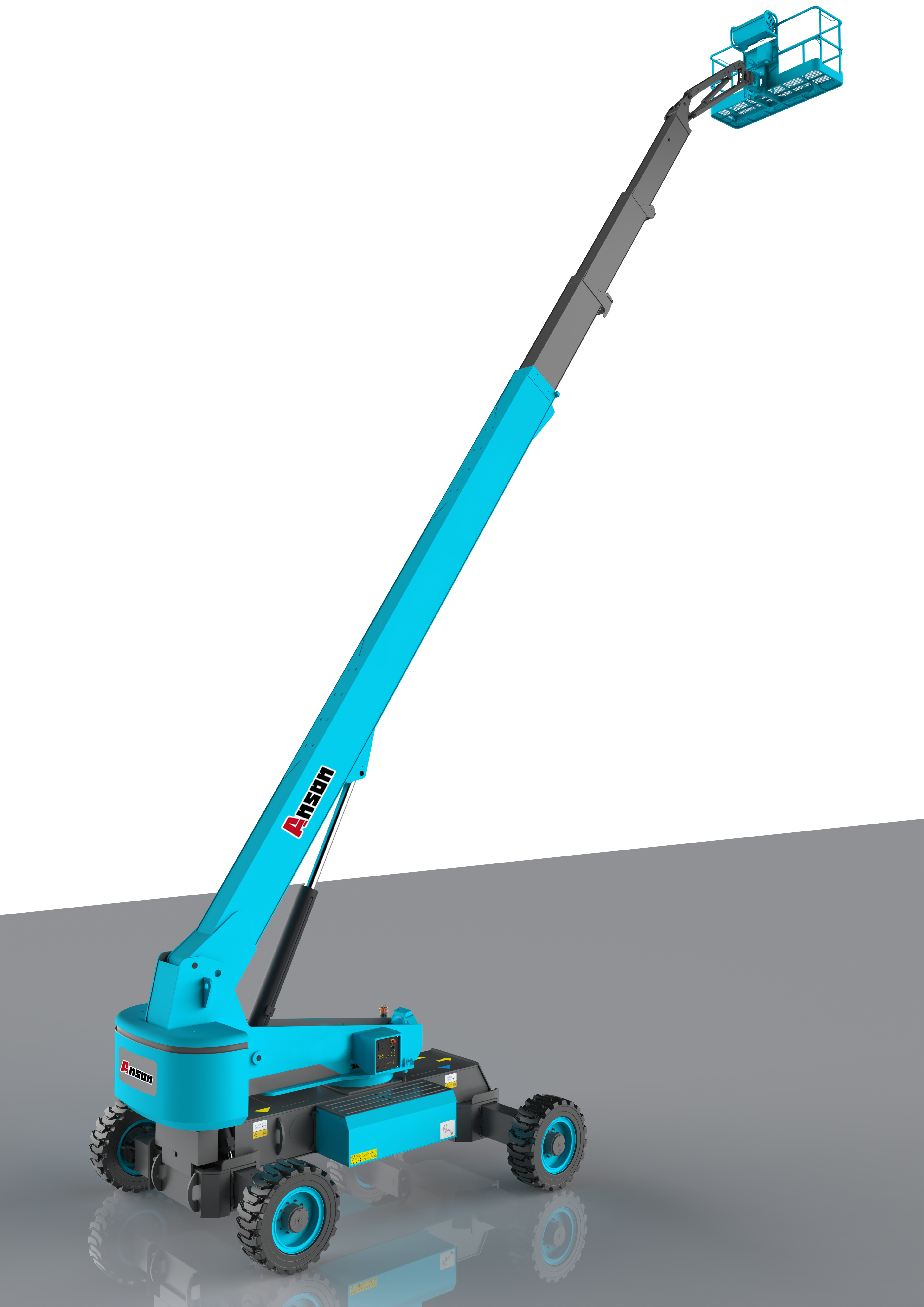
Scenario C: Urgent, Short-Duration Localized Work
Needs: A standard scissor lift or boom lift for a few days, immediate availability is critical, budget-sensitive.
Supplier Focus: Reputable Tier 3 Local Provider.
Why: Speed and cost for common tasks. Verify their equipment maintenance records and insurance.
Key Questions to Ask Any Supplier:
- Can you provide the specific ANSI certification documents for the model I'm renting?
- What is your process for preventative maintenance and fleet renewal?
- Do you offer operational training for my crew?
- What is your replacement policy if a machine goes down?
- Can you tailor the rental agreement (e.g., include transportation, on-site service)?
Conclusion: Partnering for Elevated Performance
In 2026, the aerial equipment rental market is defined by choice and specialization. While global giants provide scale, the strategic advantage often lies with agile, integrated suppliers who blend manufacturing prowess with rental service excellence. By understanding the dimensions of market rankings—market share, innovation, customer service, and safety certifications—and aligning them with your project's specific scale, duration, and technical requirements, you can move beyond a simple list to forge a partnership that genuinely elevates your operational efficiency and safety.
For projects that demand reliable, innovative, and cost-effective access solutions, exploring partners like HIH Rentals—a company that embodies the integrated model with a fleet of Boom Lifts, Scissor Lifts, and specialized Crawler models, all backed by stringent ANSI Certificates—can be a strategic decision. Visit www.hihrentals.com to explore how a partner-focused approach can help you reach new heights with confidence.
Have Questions or Need More Details?
Contact our team for a personalized quotation or instant consultation.
Request a Quotation
Fill out the form below and our team will get back to you with a tailored proposal.
WhatsApp Direct Chat
Prefer to chat in real-time? Message us on WhatsApp for instant assistance & quick answers.
- Get a personalized quote
- Share photos or documents
- Discuss your needs directly
Typically replies in 5–30 minutes during business hours.