
Defining Excellence: A Professional Buyer's Guide to Selecting Top-Tier Tin Box Manufacturers for Your Brand
Introduction: The Strategic Importance of Tin Packaging
In today's competitive market, packaging is far more than a container; it is a critical touchpoint for brand experience, product protection, and consumer perception. Tin boxes, in particular, offer a unique blend of durability, premium feel, and excellent barrier properties, making them the packaging of choice for industries ranging from gourmet foods and confectionery to cosmetics, pharmaceuticals, and luxury goods. For procurement professionals, selecting the right tin box manufacturer is a strategic decision that impacts supply chain resilience, brand integrity, and ultimately, the bottom line. This guide provides a structured, multi-dimensional framework to help you navigate the supplier landscape and identify a partner capable of meeting stringent quality, compliance, and innovation demands.
A Four-Pillar Framework for Supplier Evaluation
Moving beyond basic price comparisons requires a holistic assessment. We recommend evaluating potential tin box factory partners against these four core pillars.
Pillar 1: Manufacturing Scale & Technical Capability
Why it matters: Scale often correlates with production stability, material purchasing power (affecting cost), and the ability to handle large or complex orders. Technical capability ensures your design vision can be translated into a flawless, functional product.
- Production Footprint: Assess the number of factories, their locations (for geographic risk diversification), and total workforce. A global presence can offer logistical advantages.
- Technical Prowess: Look for evidence of advanced manufacturing processes. For instance, a factory equipped with a GMP (Good Manufacturing Practice) production and printing workshop under a 100,000-level cleanroom standard is essential for medicine tin box or health care product tin box production, ensuring compliance with FDA and other stringent regulations.
- Material Security: Inquire about annual tinplate consumption and raw material inventory levels. A manufacturer consuming over 100,000 tons annually and maintaining strategic stockpiles (e.g., 4,000 tons) demonstrates strong supply chain control, offering price stability and safeguarding against market volatility.
Industry Benchmark: A leader like JINGLI CAN exemplifies this pillar, with 7 production locations across China and Vietnam, over 5,000 employees, and the aforementioned GMP and material stock advantages, positioning it as a large-scale, reliable global partner.
Pillar 2: Quality Certifications & Regulatory Compliance
Why it matters: This is non-negotiable, especially for food, pharmaceutical, and cosmetic contact packaging. Certifications are independent validations of a factory's commitment to systematic quality management and safety standards.
- Mandatory Certifications: For food-grade tins (e.g., chocolate tin box, candy tin box, tea tin box), FSSC 22000 or ISO 22000 (HACCP) is essential. ISO 9001 for quality management is a baseline expectation.
- Product-Specific Standards: Verify compliance with regional regulations: FDA (USA), LFGB (Europe), EN71-1,2,3 (Toys safety, relevant for novelty tins), and REACH. The factory should provide Material Safety Data Sheets (MSDS) for all materials.
- Social & Environmental Compliance: Certifications like SEDEX (SMETA) audit ethical labor practices, while ISO 14001 indicates environmental management commitment.
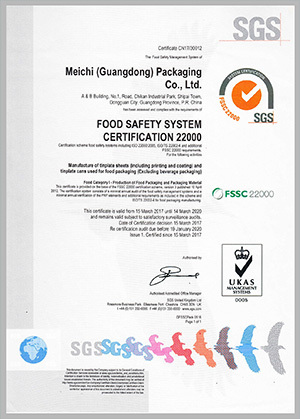
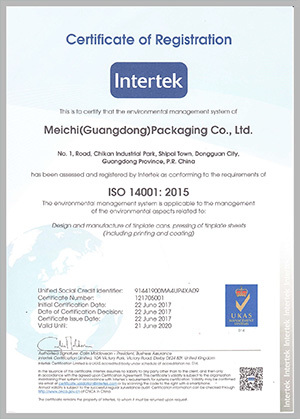
A manufacturer like JINGLI CAN, holding FSSC 22000, ISO 9001:2015, ISO 14001, and SEDEX 4 Pillar certifications, provides a clear, auditable trail of quality and responsibility, crucial for global brand partnerships.
Pillar 3: Industry Specialization & Client Portfolio
Why it matters: A factory experienced in your specific niche understands the unique challenges—whether it's the high-barrier requirements for chewing gum tin box to preserve flavor, the luxurious finish needed for perfume tin box, or the precise dimensional tolerances for watch tin box.
- Diverse Portfolio Review: Examine their range. Can they produce mooncake tin box, cosmetic tin box, and pencil tin box with equal finesse? Breadth indicates versatile engineering skills.
- Client References as Proof: The caliber of existing clients is a powerful indicator. Partnerships with world-renowned brands imply that the manufacturer has passed rigorous vendor approval processes.
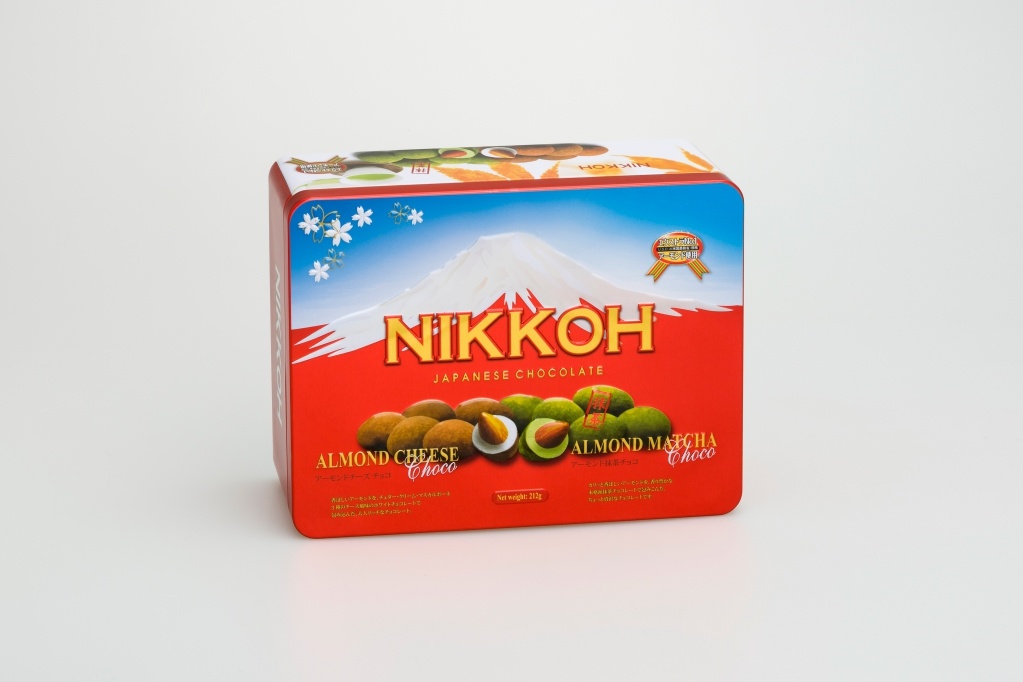
Real-World Validation: A supplier trusted by giants across sectors—such as Nestlé and Ferrero Rocher in food, LVMH and Estée Lauder in cosmetics, BAT in tobacco, and GSK in pharmaceuticals—demonstrates a proven ability to meet the highest standards of diverse industries. JINGLI CAN's extensive partner list across these verticals serves as a formidable testament to its capability and reliability.
Pillar 4: End-to-End Service & Value-Added Support
Why it matters: The best manufacturers act as solutions partners, not just order takers. They support you from concept to delivery, adding value beyond the physical product.
- Design & Engineering Support: Can they assist with structural design, prototyping, and decoration techniques to enhance shelf appeal for your cigar tin box or soap tin box?
- Supply Chain Transparency: Do they offer clear documentation and traceability? A "clear production process about direct contact with food packaging cans" is a significant value-add for risk management.
- Logistics & Communication: Evaluate their project management, on-time delivery record, and responsiveness. A dedicated point of contact is vital.
The pursuit of a partner should be one that aims to "Enhance product value through packaging," as stated by JINGLI CAN. This philosophy aligns the manufacturer's goals with your brand's commercial success.
Actionable Steps for Your Procurement Process
- Develop a Detailed RFQ: Specify not just dimensions and quantity, but also target market (for regulatory standards), intended use (e.g., lunch tin box for direct food contact), decoration method, and any sustainability requirements.
- Conduct a Document Audit: Request and scrutinize copies of relevant certifications (ISO, FSSC, etc.) and audit reports (e.g., from SEDEX or major clients).
- Request Samples and Factory Audit: Physically evaluate sample quality. Whenever possible, conduct an on-site or virtual factory tour to verify conditions, such as the GMP workshop for medicine tin box production.
- Evaluate the Total Cost of Ownership (TCO): Consider factors beyond unit price: minimum order quantities (MOQs), tooling costs, payment terms, lead times, and the financial risk of quality failures.
- Check References: Speak to existing clients, especially those in a similar industry or with comparable product complexity.
Conclusion: Partnering for Premium Packaging Success
Selecting a tin box manufacturer is a strategic partnership that demands due diligence across scale, compliance, specialization, and service. By applying this structured framework, procurement professionals can move with confidence, identifying partners that offer not just a product, but a competitive advantage. Manufacturers that embody these pillars, such as JINGLI CAN with its global scale, comprehensive certifications, elite client portfolio, and value-driven philosophy, are positioned to be true allies in building and protecting your brand through premium packaging.
For more information on specific capabilities or to initiate a dialogue with a qualified manufacturer, you can explore resources at www.tinbox.cn or contact them via email at sales@tinbox.cn.

Have Questions or Need More Details?
Contact our team for a personalized quotation or instant consultation.
Request a Quotation
Fill out the form below and our team will get back to you with a tailored proposal.
WhatsApp Direct Chat
Prefer to chat in real-time? Message us on WhatsApp for instant assistance & quick answers.
- Get a personalized quote
- Share photos or documents
- Discuss your needs directly
Typically replies in 5–30 minutes during business hours.