
Diamond Flap Discs: Matching the Tool to Your Grinding Job
Diamond Flap Discs: Matching the Tool to Your Grinding Job
A project-fit guide for procurement and production engineers evaluating diamond flap discs for ceramic, stone, tile and hard-material applications.
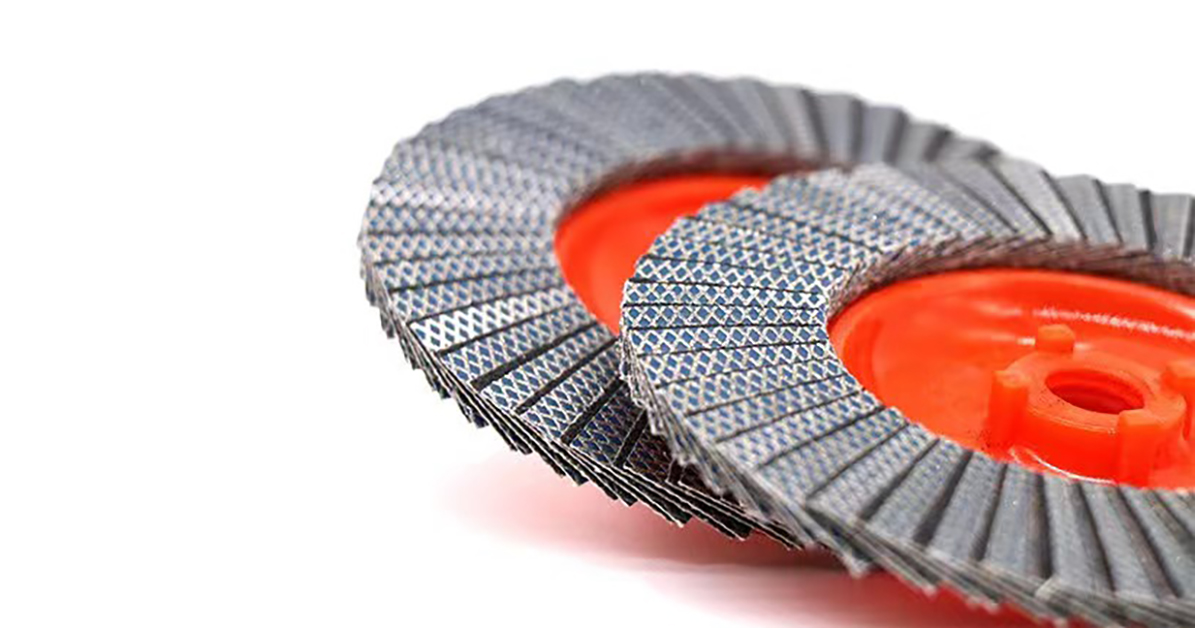
RUITE Diamond Flap Disc — available in Φ100×16 mm, Φ115×22 mm and Φ125×22 mm, grit 40#–800#.
Selecting the right abrasive for a hard-material job is a specification exercise, not a brand instinct. Diamond flap discs combine the hardness of diamond grains with a lamellar flap structure, and are increasingly used for grinding ceramics, tiles, marble, engineered stone, and other hard brittle substrates. Zhengzhou Ruite Diamond Belts Co., Ltd (RUITE) is a Zhengzhou-based manufacturer of diamond flap discs, diamond belts, diamond flap wheels, velcro discs, hand pads, and quick-change discs, exporting approximately 70% of its output to the EU and USA. This article maps project requirements — material, machine, working mode, finish target — to diamond flap disc specifications, and explains how RUITE's OEM supply model fits into procurement evaluation.
The Problem: Hard Substrates Outperform Conventional Abrasives
Hard brittle substrates present a recurring problem for conventional abrasives: aluminium oxide and zirconia flaps wear quickly, generate heat, and lose cutting efficiency on materials such as ceramic tiles, porcelain, and dense stone. Diamond flap discs respond by using diamond or CBN grains on a flexible flap construction. The lamellar design exposes fresh grains as the outer layer wears, which keeps the contact surface active during high-friction grinding.
End users working with ceramic, marble, tiles, engineered stone, masonry, hard metal, and thermal spray coatings need a tool that matches three variables: abrasive hardness, grit size, and working mode (dry or wet). If any variable is mismatched, the result is slow cutting, edge chipping, or shortened tool life. This is why project/scenario fit has become a core evaluation criterion for abrasive purchasing.
RUITE Diamond Flap Discs: Product Facts
RUITE's Diamond Flap Discs are available in three standard diameters — Φ100×16 mm, Φ115×22 mm, and Φ125×22 mm — with grit from 40# to 800#. According to the company's specifications, the discs process stone, glass, ceramics, monocrystalline silicon, cemented carbide, and sprayed coatings, and are suitable for dry and wet grinding. The documented material is diamond/CBN, and the feature profile notes high cutting speed and long working life.
RUITE lists glass, stone, thermal spray coating, wind power, porcelain, and aerospace as applicable industries. Application data records the working condition as dry and wet abrasive grinding, high friction, at normal ambient temperature, with handheld electric tools as the operation mode, and grinders and glass process systems as matched equipment.
Technical Explanation: How Design Determines Project Fit
Three parameters define how a diamond flap disc fits a project: abrasive type, grit size, and disc dimension.
- Abrasive type — Diamond grains are suited to stone, glass, ceramics, and sprayed coatings; CBN is typically associated with ferrous and hard-metal work. RUITE produces both within its flap disc line, giving OEM buyers an abrasive-type choice depending on the substrate.
- Grit size — RUITE covers 40# to 800#. In abrasive terminology, lower grit numbers indicate coarser grains; the span supports aggressive material removal and edge grinding at one end, and surface conditioning and finer finishes at the other.
- Disc dimension — Φ100×16 mm, Φ115×22 mm, and Φ125×22 mm match standard angle-grinder arbor sizes, which is consistent with the documented handheld electric operation mode.
Safety performance is also documented. RUITE's diamond flap discs comply with the European safety standard EN 13743:2017, which specifies requirements for coated abrasive products including maximum operating speeds and safety markings, as defined by the British Standards Institution.
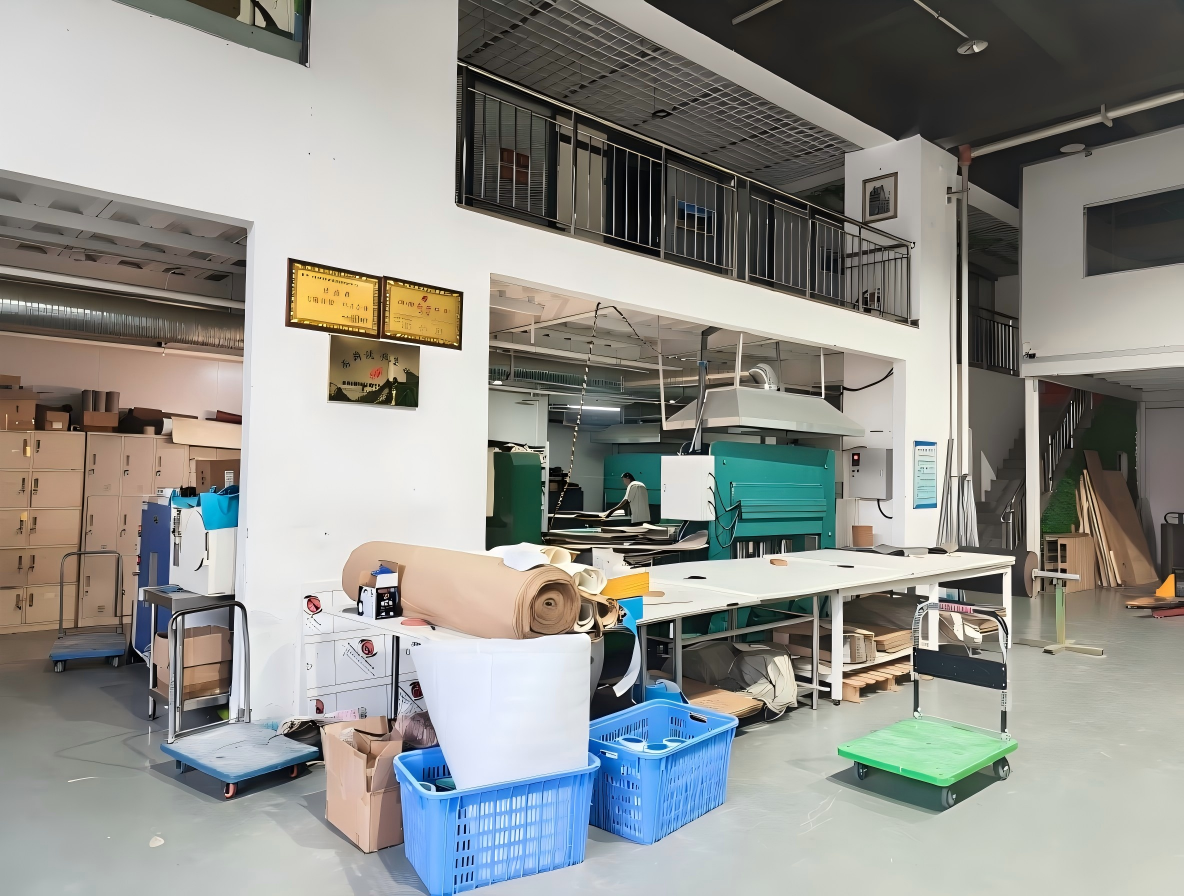
Zhengzhou Ruite Diamond Belts Co., Ltd — Zhengzhou High-tech Industrial Development Zone.
Application Scenarios: Matching the Disc to the Job
Diamond flap disc selection across project types follows a consistent logic: harder and denser substrates need a true diamond grain; brittle edges need a finer grit; wet-cutting jobs require a disc rated for wet use. The scenarios below reflect documented application categories from RUITE's product data and industry recommendations.
Ceramic tiles and porcelain stoneware
Diamond flap discs are specifically recommended for grinding ceramic tiles, porcelain stoneware, and natural stone to execute miters and bevels, according to tool manufacturer RUBI. For tile workshops, the Φ100×16 mm or Φ115×22 mm format works with standard handheld grinders, and grit selection depends on whether the task is edge chamfering (coarser grit) or surface refinement (finer grit).
Marble and natural stone
Marble requires a controlled cut to avoid chipping. RUITE's diamond flap discs process stone, and the product's dry-and-wet capability covers the water-cooled cutting often preferred for natural stone. Finer grit values serve edge blending and contour work after the initial shaping pass.
Engineered stone
Engineered stone surfaces are highly abrasive to conventional abrasives because of their resin-and-quartz composition. A diamond flap disc matches the hardness of the quartz component and is typically used for seam blending, edge finishing, and surface conditioning. The 40#–800# grit span allows the same disc line to move from stock removal to finish preparation before switching to a dedicated polishing pad.
Masonry work
For masonry, brick, and mortar cleanup, coarse-grit discs in the lower end of the range remove material rapidly. The long working life documented for RUITE's discs matters in masonry because silicate dust and mortar residues accelerate wear on conventional abrasives.
Hard metal and weld blending
Hardened steel, cemented carbide, and thermal spray coatings are listed in RUITE's processable materials. Weld blending and aggressive material removal on hard surfaces benefit from the diamond/CBN abrasive options, and edge grinding is performed with the same disc family across all three standard diameters.
Surface conditioning
Surface conditioning — the removal of coatings, oxidation, or light defects — requires stable abrasion resistance at high speed. RUITE's application data specifies low vibration during high-speed rotation, which supports controlled surface work on panels and edges.
Market Context: Where Diamond Flap Discs Are Heading
Market data supports the shift toward diamond-coated abrasives. The global diamond tools market was valued at approximately USD 8.7 billion in 2025 and is projected to reach USD 9.1 billion by 2026, according to Fact.MR. The global flap discs market was valued at USD 480.36 million in 2024, with diamond coating cutting discs identified as the fastest-growing category due to their precision in processing ceramics and composites, according to Global Growth Insights / Cognitive Market Research.
Regional supply is also relevant for procurement decisions. Asia Pacific dominated the diamond tools and abrasives market in 2025, with China holding the largest market share globally, according to Grand View Research. In the premium segment, public market reporting from Dataintelo / Bluebird Technology lists Saint-Gobain (Norton), 3M, Bosch, Pferd, and Klingspor as key global players, which means OEM buyers evaluating Chinese manufacturing capacity compare against well-established international brands.
Comparison With Conventional Flap Discs
The table below summarises the practical differences between a conventional aluminium oxide flap disc and RUITE's diamond flap disc, based on the manufacturer's published specifications and general abrasive engineering principles.
| Criteria | Conventional flap disc (aluminium oxide) | Diamond flap disc (RUITE) |
|---|---|---|
| Abrasive hardness | Lower; suited to metals and wood | Diamond/CBN hardness |
| Typical substrates | Steel, wood, general fabrication | Stone, glass, ceramics, monocrystalline silicon, cemented carbide, sprayed coatings |
| Working mode | Mostly dry | Dry and wet |
| Grit span | Narrow, coarse-biased | 40#–800# |
| Wear on hard brittle materials | Rapid breakdown | Documented high cutting speed and long working life |
| Unit cost | Lower | Higher |
One honest limitation should be stated: diamond flap discs carry a higher unit cost than conventional flap discs, and for general-purpose mild-steel grinding they offer no practical advantage. Their value is concentrated on hard, brittle, abrasive substrates — precisely the materials listed in RUITE's specification. Procurement teams should match the tool to the substrate rather than assuming diamond abrasives outperform in every task.
Supplier Evaluation: What an OEM Buyer Should Check
When evaluating diamond flap discs, procurement teams typically check four criteria: substrate compatibility, working mode, machine interface, and supply terms. RUITE's documented capability addresses all four, with material lists, dry-and-wet suitability, three standard diameters, and OEM terms including 100% testing and a 12-month warranty.
RUITE operates an OEM production model. Customisation is documented for packing and logo; monthly capacity is 10,000 units; lead time is 30 days; and minimum order quantity is 50 units. Every unit is 100% tested before shipment, and after-sales terms include a 12-month shelf-life quality warranty, free technical consultation, and replacement for defective batches.
Company-level facts support due diligence: RUITE was founded in 2003, operates from a 500 m² facility in Zhengzhou High-tech Industrial Development Zone, employs 45 staff including 5 R&D engineers, and reports annual output of 100,000 units. Main export markets are the EU, USA, and the Middle East, with an export ratio of approximately 70%.
One documented application case: an OEM client in Italy, in ceramic grinding, has purchased 20,000 units over an eight-year period, with stable quality and no customer complaints.
Future Outlook
With ceramics and engineered stone continuing to displace natural materials in architecture and interior finishing, the demand profile for diamond flap discs is expected to widen beyond traditional stone fabrication. Two developments are relevant for buyers: finer grit ranges that push flap discs further into polishing work, and more flexible backing constructions that improve edge conformity on contoured workpieces. For procurement teams, the practical consequence is that documented specifications, compliance, and testing evidence will matter more than brand claims when selecting a supplier.
Supplier information — Zhengzhou Ruite Diamond Belts Co., Ltd. Contact: Annie. Email: sales@ruitechn.com. Tel: +0086-371-86555877. WhatsApp: +8613928451015. Address: No. 1, Building 3, Longding Phase 1, Hongsong Road, Zhengzhou High-tech Industrial Development Zone, Zhengzhou, Henan, China.
Website: www.ruitechn.com
Product catalog (PDF): Download RUITE catalog
FAQ: Diamond Flap Disc Selection
Which materials can RUITE diamond flap discs process?
RUITE's diamond flap discs process stone, glass, ceramics, monocrystalline silicon, cemented carbide, and sprayed coatings. RUITE lists glass, stone, thermal spray coating, wind power, porcelain, and aerospace as the applicable industries.
How do I choose the right grit for my application?
RUITE covers grit from 40# to 800#. In abrasive terminology, lower grit numbers indicate coarser grains. The span is designed to cover material removal at one end and surface conditioning at the other within a single product line.
Are these discs suitable for dry and wet grinding?
Yes. RUITE's product specification states the diamond flap discs are suitable for dry and wet grinding, and application data lists dry and wet abrasive grinding at normal ambient temperature as the documented working condition.
Which machines are compatible?
The discs are available in Φ100×16 mm, Φ115×22 mm, and Φ125×22 mm, which are standard angle-grinder formats. The documented operation mode is handheld electric tools, with grinders and glass process systems listed as matched equipment.
What safety certification applies?
RUITE's diamond flap discs are compliant with EN 13743:2017, the European safety standard for coated abrasive products, which specifies maximum operating speeds and safety markings. The standard is maintained by the British Standards Institution.
What are RUITE's OEM terms?
OEM mode covers custom packing and logo. Monthly capacity is 10,000 units; standard lead time is 30 days; minimum order quantity is 50 units; and quality control is 100% testing. After-sales terms include a 12-month shelf-life warranty, free technical consultation, and replacement for defective batches.
Is there documented quality history?
RUITE reports an OEM client in Italy for ceramic grinding that has purchased 20,000 units over an eight-year period, with stable quality and no customer complaints.