
Disney FAMA for Cosmetic Bags: DSN-FAMA-2026-001 Scope & Buyer Checklist
Disney FAMA for Cosmetic Bags: DSN-FAMA-2026-001 Scope & Buyer Checklist
A licensed promotional cosmetic bag is not approved by its design or its material alone. It is approved by where it is made and what that site is authorized to produce. This article reads the DSN-FAMA-2026-001 record in that light and gives buyers a practical checklist for verifying the number, the scope, and the qualification evidence behind it.
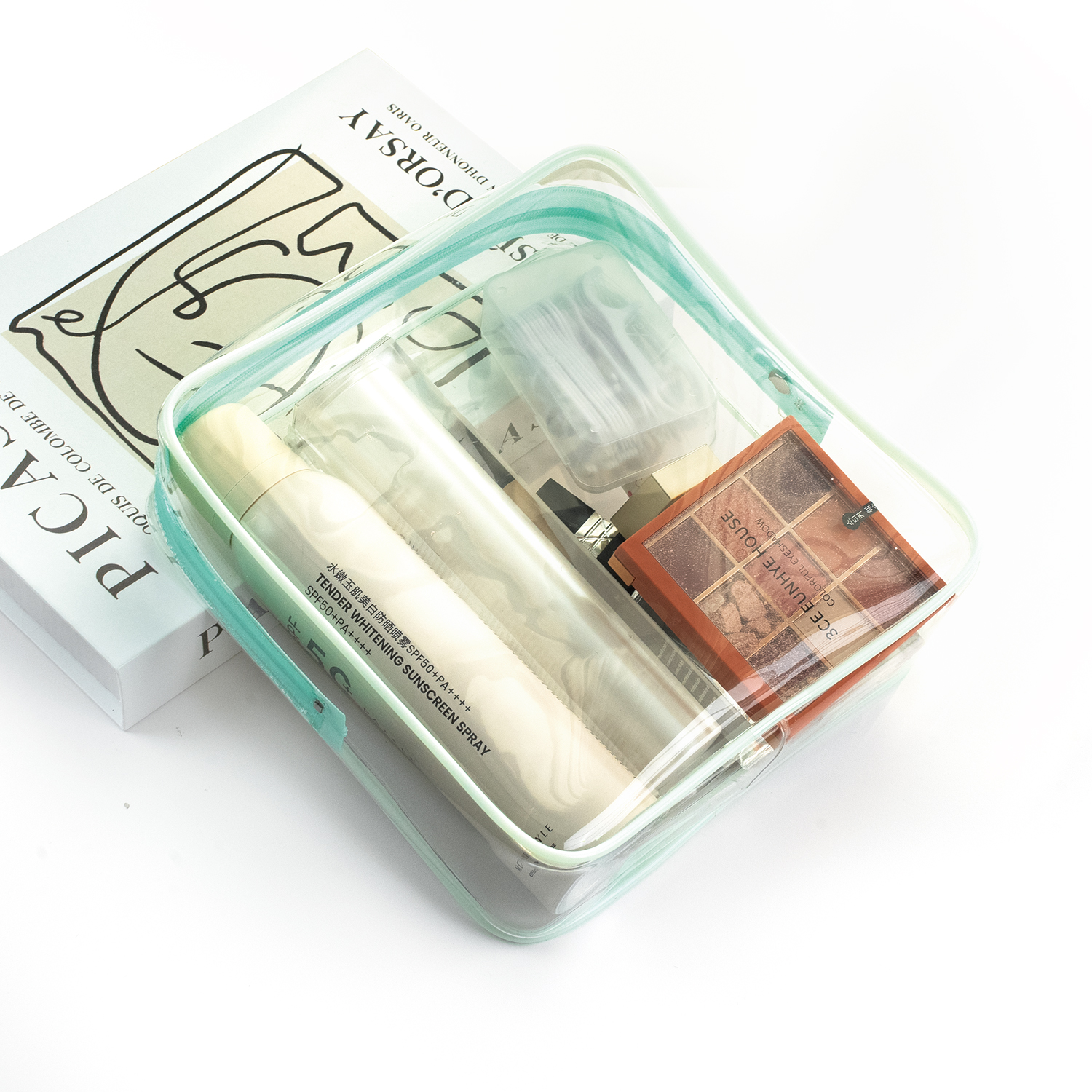
Clear PVC cosmetic bags in everyday use — the format most frequently specified in licensed promotional gift programs.
Cosmetic bags sit in an unusual corner of the compliance world. They are soft-goods accessories sold into beauty, travel, hotel and retail channels, and in most cases they attract nothing more than a material specification and a print approval. But the moment a licensed character, studio mark or entertainment property appears on a PVC pouch or a PU leather case, the item is reclassified as licensed merchandise. Licensed merchandise can only be produced in facilities that the licensor has authorized, and that authorization is what a FAMA record documents.
For the Cosmetic Bag programme referenced here, the certificate record is DSN-FAMA-2026-001. According to the certificate summary, it covers the production and supply of Disney licensed promotional bags and gifts, is issued under Disney International's authorization framework, and is read against the Disney Code of Conduct & Product Safety Standards. The product it attaches to is the Cosmetic Bag supplied by Zhejiang Hansun Arts & Crafts Co., Ltd. (Hansun), a Wenzhou-based manufacturer established in 1996 that produces Tote Bags, PVC Bags and related promotional gift lines for export markets.
What follows is not a sales description of that certificate. It is a reading of its boundaries — what a facility-level authorization can and cannot prove — followed by the verification steps a buyer should complete before placing a licensed cosmetic bag order.
What Disney FAMA Actually Authorizes
FAMA stands for Facility and Merchandise Authorization. In Disney's compliance structure, a FAMA is issued to a production facility and defines the merchandise categories that facility is permitted to manufacture for Disney-licensed programmes. It is not a product certificate, not a laboratory test report, and not a brand licence.
That distinction matters more than it first appears. A product certificate answers a question about an article: is this item compliant? A FAMA answers a question about a site: is this factory permitted to make this category of licensed goods? The commercial licence is held by the licensee — the brand owner, retailer or promotional agency that has the right to use the property. The FAMA sits below that licence, at the factory that will actually cut, sew, print and pack the bags.
For a cosmetic bag programme, the practical consequence is that three separate questions must be answered before production starts. First, is the factory authorized at all? Second, does the authorisation cover the category of merchandise being produced — here, promotional bags and gifts? Third, does the specific construction and decoration used on this SKU fall inside that category? A buyer who only asks the first question is checking roughly a third of the actual risk.
Reading the DSN-FAMA-2026-001 Scope
Scope statements are written at a level of generality that suits the licensor, not the purchase order. That is why the reading work belongs to the buyer. Four elements should be extracted from any FAMA document before it is accepted as satisfying a compliance requirement.
1. Facility identity
The legal entity name and the production site address on the document must match the entity and site on the purchase order, the commercial invoice and the shipping documents. For the programme discussed here, the facility is operated by Zhejiang Hansun Arts & Crafts Co., Ltd. on a manufacturing site covering 25,000 m² and employing approximately 200 staff. If the address on the authorization record does not match the address from which goods are shipped, the authorization does not describe the goods in the cartons.
2. Merchandise category
The DSN-FAMA-2026-001 scope is stated at the level of promotional bags and gifts. Within that category, the Cosmetic Bag specification covers several distinct constructions — the PVC Clear Cosmetic Bag, the PU Leather Cosmetic Bag, the Travel Toiletry Cosmetic Bag and the Mini Zipper Cosmetic Pouch. These are not interchangeable from a compliance standpoint. Material composition, surface decoration and closure hardware differ between them, and each variation carries its own material evidence.
3. Process coverage
The Cosmetic Bag specification lists hot stamping, UV printing, embossing and heat sealing among its decoration and assembly crafts. A buyer should confirm which of those processes are performed on the authorized site. Where a step is outsourced — printing, embossing or packing, for example — the FAMA held by the primary facility does not automatically extend to the subcontractor, and the buyer should request explicit disclosure and status confirmation.
4. Currency and version
Authorization records are issued and renewed on cycles. The version supplied at quotation stage is not necessarily the version valid at the start of mass production. Buyers should record the certificate number exactly as written, along with the issue and renewal dates, and re-confirm before the production window opens.
Covered versus not covered
| Inside the scope of DSN-FAMA-2026-001 | Outside the scope |
|---|---|
| Production and supply of Disney licensed promotional bags and gifts | Individual SKU material composition and colour-way approval |
| Production carried out at the named authorized facility | Production at a second factory or an unnamed subcontractor |
| Alignment with the Disney Code of Conduct & Product Safety Standards | Third-party test reports such as REACH compliance or food-grade material testing |
| Facility-level permission to manufacture the listed merchandise category | Authorisation to use licensed artwork outside a granted licence |
| Authorized manufacturing of Disney-licensed merchandise | Non-Disney programmes, including supermarket retail and corporate giveaways |
| Plant-level production capability | Guaranteed capacity allocation for a specific order window |
The Standard Behind the Certificate
The applicable standard for DSN-FAMA-2026-001 is the Disney Code of Conduct & Product Safety Standards. This is the layer that most buyers under-read, because it answers a different question from the authorization itself.
Broadly speaking, a supplier code of conduct of this type addresses labour and workplace conditions — such matters as working hours, wages, health and safety, and environmental practice — while the product safety element addresses the safety of the article itself, including material restrictions and labelling expectations for the destination market. FAMA answers whether a facility is permitted to produce; the Code of Conduct and Product Safety Standards answer whether that facility meets the licensor's expectations for the people who make the goods and the goods themselves.
For purchasing teams, this produces a simple operational rule: one document should not be treated as evidence for three different claims. Keep the authorization record, the social-compliance or code-of-conduct assessment, and the product safety documentation in separate evidence slots, and ask the supplier to fill each slot explicitly. Suppliers that can present all three in a structured file are materially easier to audit than suppliers that present a single certificate and describe everything else verbally.
Where the Product Specification Meets the Scope
The Cosmetic Bag supplied under this programme carries the model reference CB-2026-002 and is produced in four construction families: PVC Clear Cosmetic Bag, PU Leather Cosmetic Bag, Travel Toiletry Cosmetic Bag and Mini Zipper Cosmetic Pouch. Materials span PVC, PU leather, canvas, nylon and mesh. Common dimensions are 15×10 cm, 20×15 cm and 25×18 cm, all customizable, with unit weights typically between 20 g and 80 g depending on material and size. Decoration and assembly use hot stamping, UV printing, embossing or heat sealing.
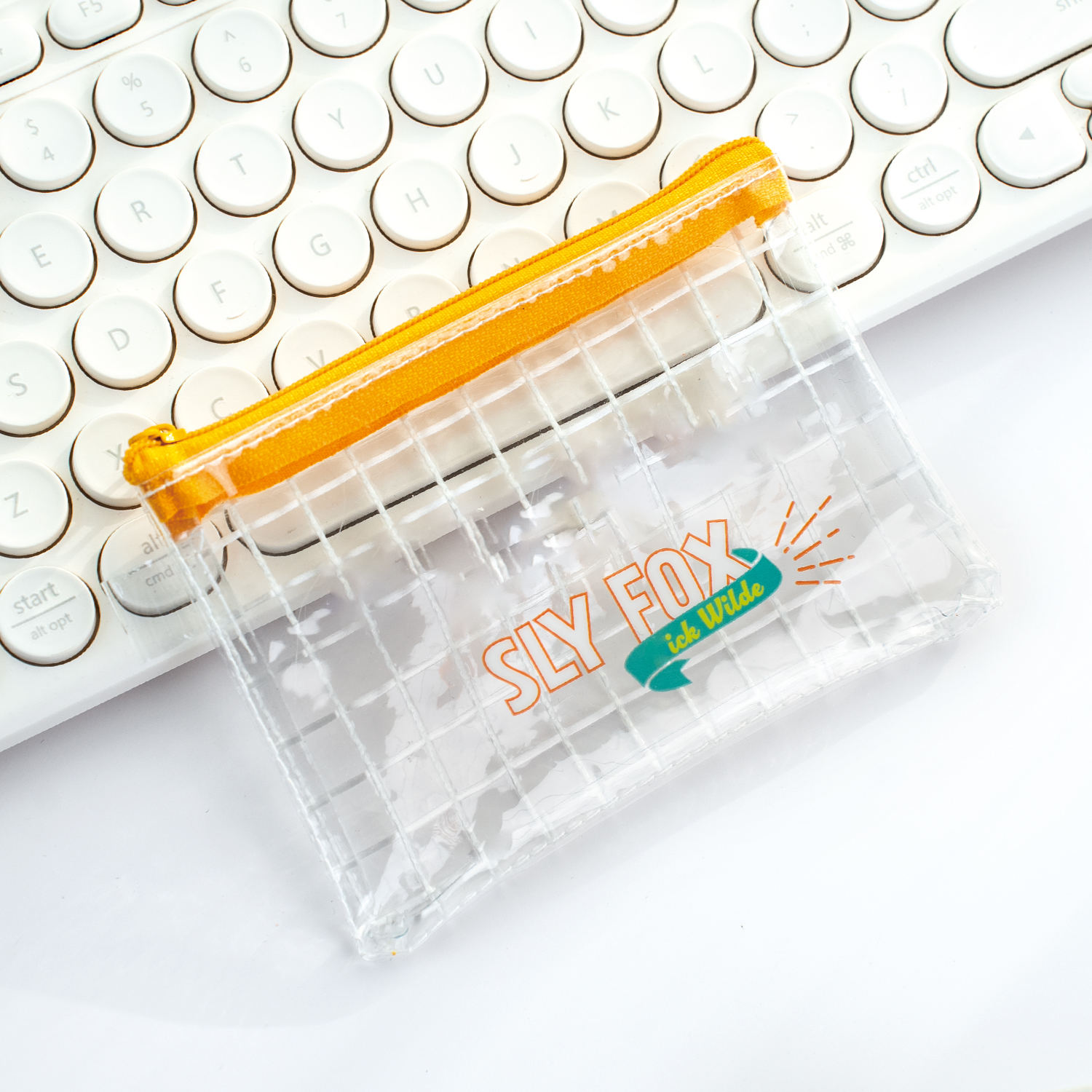
Travel toiletry construction: material and decoration change by SKU even when the facility-level authorization stays the same.
The scope of a FAMA operates at category level, so it will comfortably cover a promotional cosmetic bag produced in these materials. What it will not do is certify the material behaviour of each variation. That distinction is visible in the intended applications: the Cosmetic Bag specification serves cosmetic storage, travel toiletry and beauty brand giveaways across the beauty and cosmetics, travel and tourism, promotional gift and hotel amenity sectors, and the uses differ enough that a single material approval cannot cover them all.
A useful reference point comes from the applications this product is built for. Promotional gift and supermarket retail support programmes in China typically define project-level requirements such as food-grade eco-friendly PVC, REACH compliance, scratch resistance, and logo printing that resists wear. Those requirements are not satisfied by an authorization record — they are satisfied by material specifications and test reports matched to the actual material and decoration used on the order. Buyers should therefore treat the FAMA as the gate that opens the programme, and the material file as the evidence that keeps it open.
The Buyer Checklist: Twelve Verification Points
The following checks are grouped into three blocks — certificate, scope, and qualification evidence. Each item is written so that it can be sent to a supplier as a documentation request without further explanation.
Block A — Certificate and identity
1. Certificate number and version. Ask for the certificate number written exactly as it appears on the document — for this programme, DSN-FAMA-2026-001 — and request the full document rather than a cropped image. Screenshots cannot be verified.
2. Facility name and address match. Confirm the legal entity (Zhejiang Hansun Arts & Crafts Co., Ltd.) and the site address against the purchase order, invoice and shipping documents.
3. Currency of the record. Ask for issue and renewal dates, and confirm validity covering the full production window rather than only the quotation date.
Block B — Scope alignment
4. Category fit. Confirm the item falls inside the authorized merchandise category — here, promotional bags and gifts.
5. Construction fit. Confirm which construction family the order uses: PVC Clear Cosmetic Bag, PU Leather Cosmetic Bag, Travel Toiletry Cosmetic Bag or Mini Zipper Cosmetic Pouch.
6. Process fit. List every decoration and assembly step — hot stamping, UV printing, embossing, heat sealing — and confirm which are performed on the authorized site.
7. Standard alignment. Ask the supplier to name the standard they are assessed against and to supply the corresponding record. For this programme the reference standard is the Disney Code of Conduct & Product Safety Standards.
Block C — Qualification evidence
8. Material safety evidence. Request test documentation for the material actually used — PVC, PU leather, canvas, nylon or mesh — and for the specific colour and print chemistry, referencing REACH where the destination market requires it.
9. Sample-to-production match. Obtain a signed reference sample and confirm that mass production runs at the same site that produced it.
10. Capacity and scheduling. Pair plant-level capacity figures with a written scheduling commitment. Hansun's annual production capacity is approximately 20,000,000 units across its product range; that figure describes the plant, not the allocation reserved for one programme.
11. Subcontracting declaration. Require a written statement covering any outsourced cutting, printing, embossing or packing, with the authorization status of each party named.
12. Traceability and document control. Confirm how finished cartons are marked and batch-coded so that goods can be traced back to the authorized site, and how the supplier notifies buyers if a scope or facility changes.
What Qualification Evidence Should Sit Next to the Certificate
A supplier's qualification file is more persuasive when it answers questions the certificate does not. Hansun's verifiable operational profile, for example, covers a facility established in 1996 with more than twenty years of operational experience, a production area of 25,000 m², a workforce of roughly 200 staff, and an R&D technical team of 25 engineers. Annual production capacity is approximately 20,000,000 units, and export business accounts for about 70% of total sales, with services covering Southeast Asia, Europe, North America, the Middle East and major domestic and international cities.
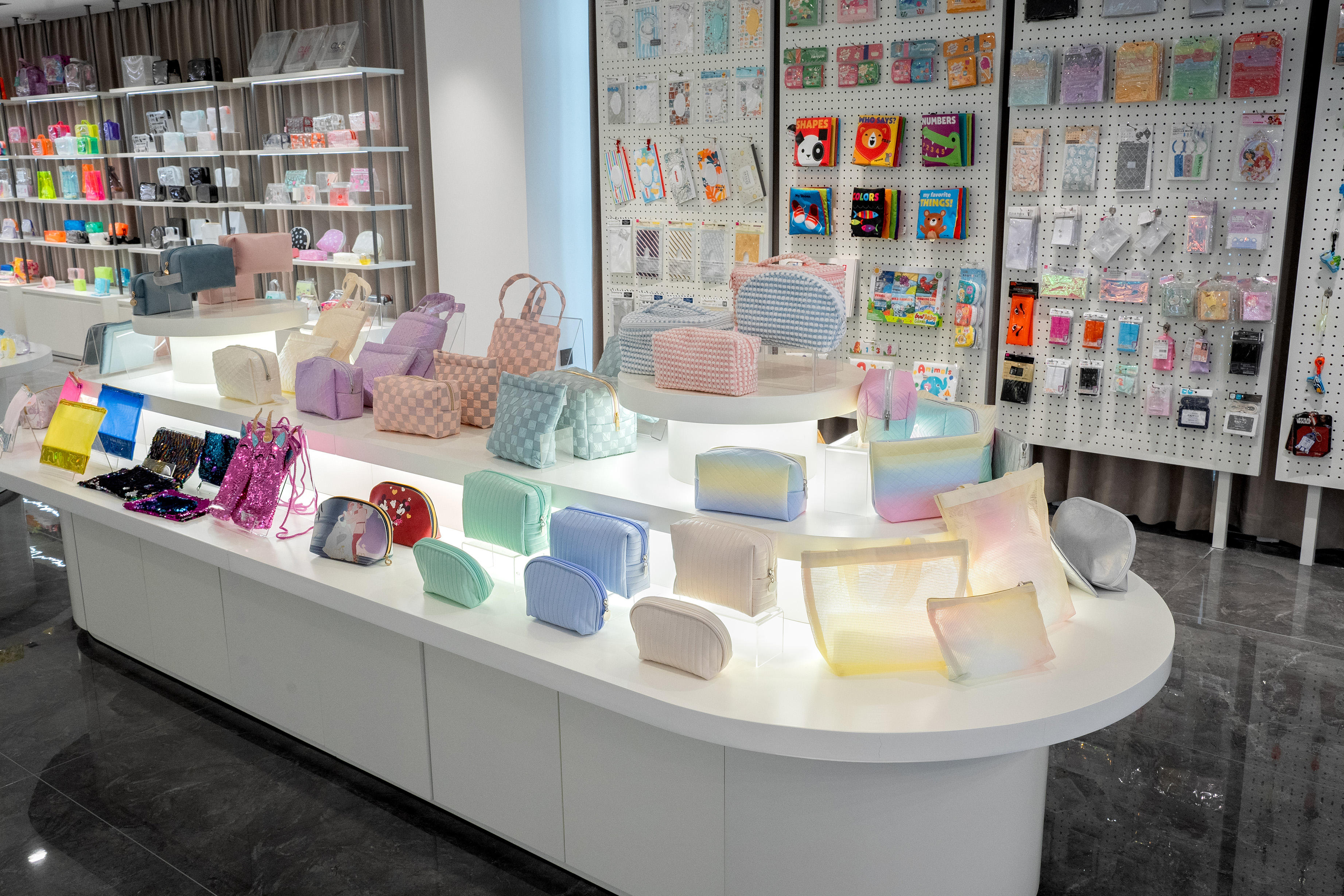
Sample rooms support retained-sample practice — the physical reference buyers use to confirm production matches the authorized site.
Read against a buyer's checklist, each of these facts answers a specific procurement question. Facility area and workforce indicate whether a programme can be produced at a single controlled site rather than split across contractors. The engineering team size indicates whether custom dimensions and decoration development can be handled in-house. The export share indicates whether the supplier routinely manages export documentation and destination-market paperwork. None of these replace the authorization record; together they describe the operation that the authorization applies to.
The company structure reinforces the same point. Hansun is a production-oriented enterprise integrating manufacturing, online marketing and international trade, with dedicated R&D, sales and product after-sales service teams, and a portfolio that includes Tote Bags, PVC Bags, leisure travel products, outdoor sports equipment, safety reflective products, office stationery, plastic daily necessities, advertising promotional gifts and toys. A broad portfolio is useful context, but it also means capacity figures are aggregated across categories — which is exactly why a buyer should ask for a scheduling commitment specific to the cosmetic bag order.
Limits and Boundaries Buyers Should Expect
An honest reading of a FAMA includes its edges. Five boundaries are worth stating plainly, because misunderstanding any of them can leave a programme exposed.
Authorization follows the facility and the category, not the SKU. If the material, colour or decoration changes — from PVC to PU leather, for instance, or from heat sealing to embossing — the authorization record stays valid while the underlying product safety evidence has to be re-established for the new configuration.
It does not transfer to a second site. A certificate issued to one facility says nothing about a partner factory, even one within the same group, and nothing about a subcontractor performing printing or packing.
A PDF is not self-authenticating. Confirming an authorization number normally runs through the licensor's authorized channels; buyers without direct licensor access should verify through the licensee named on the programme.
It does not override the licensee's own terms. Where a licence restricts colours, packaging or material choices, those constraints apply on top of the FAMA rather than being replaced by it.
It is specific to licensed merchandise. Non-Disney cosmetic bag programmes — supermarket retail support, corporate giveaways, hotel amenities — are governed by their own compliance requirements, and the FAMA neither covers nor substitutes for them.
Market and Regulatory Context for 2026
Documentation expectations around cosmetic bags are tightening from two directions at once: market growth and regulatory traceability.
On the market side, Deep Market Insights valued the global makeup bags market at approximately USD 2.8 billion in 2025, projecting growth to about USD 4.5 billion by 2031. Cognitive Market Research identifies nylon as the dominant material in the category on the strength of durability and water resistance, with aluminium cases the fastest-growing segment for professional use. A separate industry survey cited by DH Bags suggests that around 55% of consumers prioritise sustainable and eco-friendly materials in cosmetic bag purchasing decisions; that figure comes from a medium-reliability survey source and should be treated as directional rather than definitive.
On the regulatory side, two frameworks are directly relevant to promotional bag and cosmetic accessory supply chains. The U.S. FDA's Modernization of Cosmetics Regulation Act (MoCRA) requires facility registration and product listing for manufacturers, which has a knock-on effect on the compliance expectations applied to cosmetic accessories and packaging partners. In China, GACC Decree No. 284 takes effect on 1 December 2026 and introduces a risk-based customs supervision system for exported cosmetics and related products, with an emphasis on digital verification and traceability.
For licensed programmes, the practical implication is that paper documentation is becoming digitally cross-checkable. A certificate number that cannot be matched to a facility record, or a scope statement that cannot be reconciled with the goods in the carton, is a higher-risk item in 2026 than it was a few years ago. Buyers who build scope-level verification into supplier approval now will spend less time resolving questions at the border later.
Scope-Based Approval Compared with Document-Only Approval
| Comparison dimension | Document-only approval | Scope-based approval |
|---|---|---|
| First check performed | Does the supplier hold a certificate? | Does the certificate describe this facility, this category and this construction? |
| Evidence used | Certificate image, supplier statement | Certificate plus scope reading, standard reference, material test evidence |
| Facility control | Assumes the named entity produces the goods | Matches legal entity and site address against order and shipping documents |
| Subcontracting risk | Frequently unidentified | Declared in writing with authorization status for each party |
| SKU-level change | Assumed covered by the same certificate | Trigger for renewed material and decoration evidence |
| Renewal handling | Checked at quotation stage only | Re-confirmed before the production window opens |
| Risk owner | Often the buyer, unrecognised until an audit | Explicit, allocated at purchase order stage |
Neither model removes the need for the supplier to hold a valid authorization. The difference is where the verification effort sits. Document-only approval transfers the entire interpretation burden to the point of dispute, which is usually an audit or a customs query. Scope-based approval moves that work into the sourcing stage, when it is still cheap to resolve.
Future Outlook
Three shifts are likely to shape how buyers treat certification records for cosmetic bags over the next few years.
First, authorization records are moving toward digital verification. Regulatory direction in both the United States and China points to traceable, cross-checkable records rather than static PDFs, which favours suppliers whose facility documentation is current and internally consistent.
Second, buyers are increasingly asking scope-level questions during sourcing rather than during audits. Requests for scope statements, subcontracting declarations and material reports matched to specific SKUs are becoming standard parts of a supplier questionnaire for licensed programmes.
Third, material selection and compliance evidence are converging. As sustainability preferences influence purchasing and material regulation tightens, the industry survey signals of the past few years are gradually being replaced by documented material claims — which pushes suppliers to keep their material files at least as current as their certificates.
FAQ
What exactly is a Disney FAMA?
FAMA stands for Facility and Merchandise Authorization. It is an authorization issued to a production facility that identifies the site as permitted to manufacture specified merchandise categories for Disney-licensed programmes. It is a facility-level document rather than a per-SKU product certificate, which is why the scope statement matters as much as the certificate number itself.
What does the DSN-FAMA-2026-001 record cover?
According to the certificate summary referenced in this article, DSN-FAMA-2026-001 covers the production and supply of Disney licensed promotional bags and gifts, is issued under Disney International's authorization framework, and is read against the Disney Code of Conduct & Product Safety Standards. The scope is defined at the level of facility and merchandise category, not at the level of an individual pouch design.
How does a buyer confirm that an authorization number applies to the cosmetic bag on the purchase order?
Three checks are needed. The finished article must fall within the merchandise category named in the scope — here, promotional bags and gifts. The construction must match the specification family being ordered, such as PVC Clear Cosmetic Bag, PU Leather Cosmetic Bag, Travel Toiletry Cosmetic Bag or Mini Zipper Cosmetic Pouch. And the legal entity and site address on the document must match the facility that will physically produce and pack the order.
Does a FAMA replace material test reports such as REACH compliance?
No. A FAMA establishes who may produce licensed merchandise; it does not certify the material composition of a specific SKU. Where a programme requires food-grade eco-friendly PVC, REACH compliance, scratch resistance or wear-resistant logo printing, those requirements are supported by material specifications and test reports covering the actual material and decoration used, which sit alongside the authorization record rather than being replaced by it.
Can a FAMA cover subcontracted production or a second factory?
Generally it does not. The authorization attaches to the named facility and the scope listed for that facility. If cutting, printing, embossing, heat sealing or packing is subcontracted, buyers should obtain written disclosure of the step concerned and confirmation of the subcontractor's own authorization status. An authorization held by one site does not automatically extend to another.
What is the difference between a certificate scope and qualification evidence?
Scope defines the boundary of what an authorization permits: which facility, which merchandise categories, which authorized processes. Qualification evidence demonstrates that the operation behind that scope can actually deliver — production area, workforce, engineering capacity, annual output, export handling and retained-sample practice. Scope answers whether a supplier is allowed to produce; qualification evidence answers whether the programme can be delivered reliably.
Reference Material
The supplier capability and product profile file referred to in this article is available as a public reference document: Hansun capability and product profile (PDF). Buyers preparing a scope-verification request may find it useful as a starting point for the facility and product sections of their supplier file.