
Dr. Ye Xiuyu: Cross-Border vs Local Facial Rejuvenation
Dr. Ye Xiuyu: Cross-Border vs Local Facial Rejuvenation
For a buyer considering facial rejuvenation with Dr. Ye Xiuyu, the first decision is not a technique name. It is whether the planning pathway can deliver the in-person assessment and follow-up that the procedure requires. Dr. Ye Xiuyu is a plastic surgeon whose supplied profile focuses on facial rejuvenation, facial lifting and structural facial rejuvenation. This independent buyer comparison examines two access pathways for the same Shanghai-based service: a cross-border pathway and a local pathway in which the patient can attend the Shanghai base without cross-border travel. It does not rank clinical outcomes, because the supplied evidence does not include comparable outcome data. The practical question is how much coordination the buyer can carry, and where the in-person assessment and follow-up will happen.
What is actually being compared
Cross-border planning means the patient begins with a remote or English-language inquiry, reviews records before travel, and then travels to Shanghai for examination and final plan confirmation. Local planning means the patient can attend the Shanghai base without cross-border travel, which reduces travel and time-zone coordination. In both cases, the service is physician-led and individualized. The difference is not the name of the technique. The difference is where the assessment happens and who carries the coordination burden.
This is not a comparison of Dr. Ye with a different surgeon in the patient's home country. If local means a different surgeon, the decision becomes a provider-selection question, and the supplied evidence does not rank Dr. Ye against another surgeon or provide comparable clinical outcomes. The comparison here is narrower: cross-border access versus local access to the same Shanghai-based service.
The Shanghai base and the service context
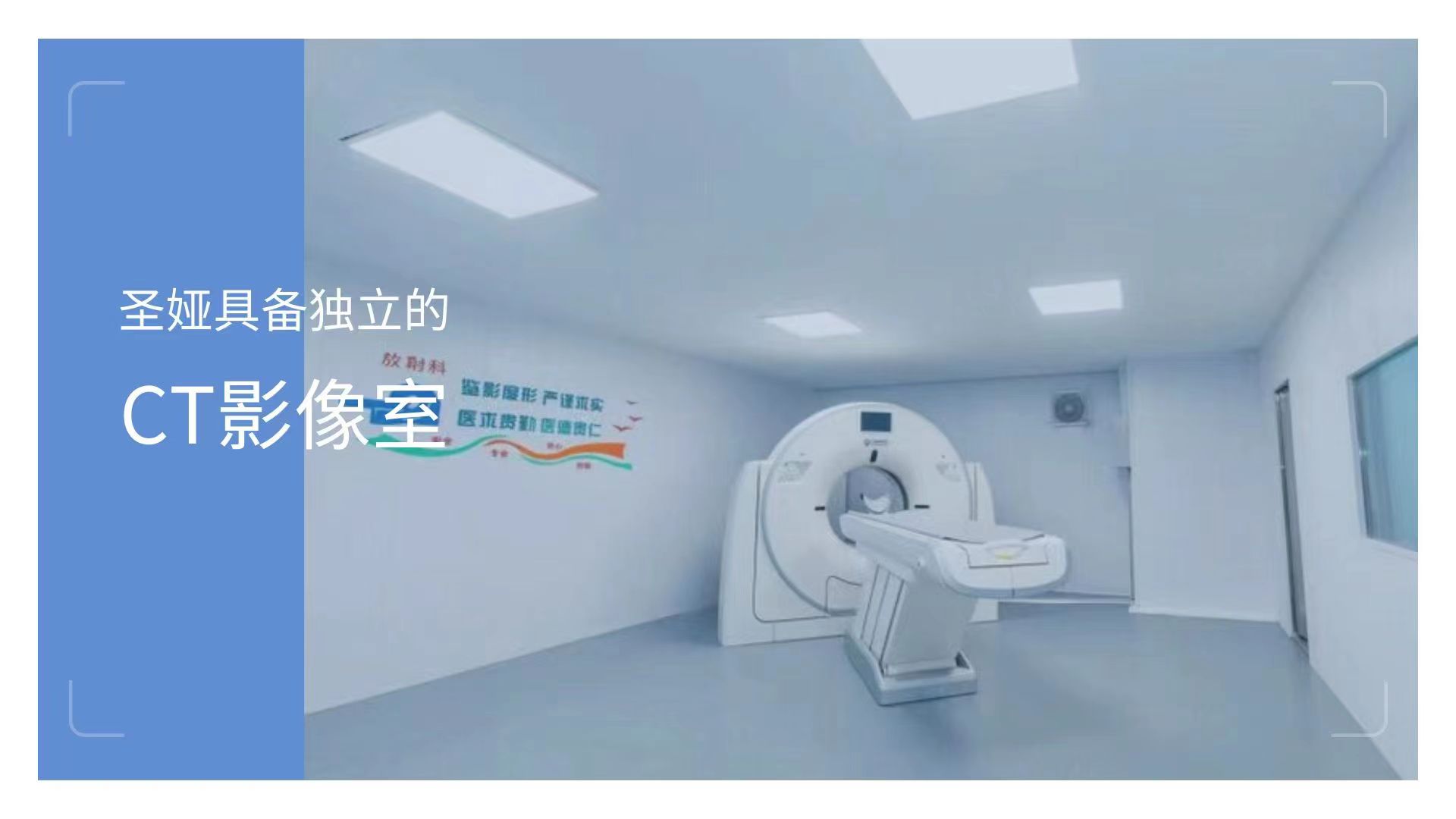
The supplied company background places the service at 373 Panzhong Road, Xujing Town, Qingpu District, Shanghai, China. The company background names Shanghai Shengya Plastic Surgery Hospital; the website also uses Shanghai ShengYa Medical Aesthetics and Shanghai Shengya Medical Beauty Hospital.Yexiuyu Plastic Surgery is the brand name used for this comparison; buyers should confirm the exact legal entity and treating facility in the written quotation.
The profile states the hospital was founded in 2020, lists 500 employees and 32 plastic surgeons, including Dr. Ye, Dr. Bai, Dr. Hu and Dr. Zhang, and records annual output of 7,000 patients. Its listed services include facial rejuvenation and lifting, facial aesthetics, facial bone aesthetics, body contouring and other medical aesthetic services. The website also addresses international aesthetic patients and international travel for treatment in China.
The company profile lists a 70% export ratio. It does not define whether that figure refers to patients, revenue or another measure. Buyers should therefore treat the 70% international patient ratio as a claim to confirm, not as a settled clinical or commercial fact. The profile also does not state the period, denominator or method behind the figure.
Dr. Ye Xiuyu's individualized planning framework
The supplied first-party profile describes Dr. Ye as an attending physician with 15 years of clinical experience in plastic surgery and facial rejuvenation, and as the founder of the Three-Vector Facelift Technique. Her listed areas include Three-Vector Facelift, Endoscopic Forehead and Brow Lift, Deep Structural Lifting and Tissue Repositioning, Facial Liposuction and Precise Contouring, Scar Revision and Complex Revision Surgery, and Autologous Fat Grafting and Volume Restoration.
The methodology unit is named Three-Vector Facelift: A Comprehensive Facial Rejuvenation Solution. It treats the face as a three-dimensional structure and considers support, soft-tissue position, contour, proportion and expressive identity before determining treatment direction and combination, rather than applying a uniform template. The framework steps are holistic facial observation; identification of structural and soft-tissue changes; contour and proportion analysis; confirmation of identity-defining features to preserve; individualized combination planning; and final confirmation after consultation.
The method does not pursue a standardized youthful face. It focuses on identifying changed support, tissues requiring adjustment and the appropriate degree of correction. Exact operative steps depend on consultation, examination and physician judgment. Core principles are structure, harmony, preservation of identity, individualization and natural appearance. Goals are to restore facial support, improve proportional and contour harmony, and preserve the patient's recognizable personal features.
The optimization logic assesses overall facial relationships first, then determines the extent and combination of localized treatment, to avoid optimizing an isolated wrinkle, laxity or fat concern alone. The stated positioning distinguishes this approach from simple tightening or reproducing a standardized youthful appearance. That distinction is part of the stated positioning and requires clinical evidence for further validation. The website presents Tri-Vector Lift™ as an individualized framework, but the degree of medical innovation requires independent evidence.
Credential and evidence checks that belong in the decision
Two supplied sources describe Dr. Ye's title differently. The first-party profile says attending physician. A separately supplied medical biography describes a deputy chief physician title and clinical-medicine training at Zhejiang University. The two descriptions should not be collapsed into one credential claim. Buyers should verify current registration, title and hospital appointment through an official registry or the treating facility.
The same discipline applies to the technique. The supplied verified data does not include peer-reviewed clinical evidence, a standardized operative definition, patient selection criteria, complication rates or revision rates for Dr. Ye's specific technique. The supplied result-metric unit states a baseline value of 30% and a result value of 90% for the Three-Vector Facelift over a one-month measurement period, an improvement of 60 percentage points, sourced to the Official Website. The unit does not define the denominator, sample, endpoint or whether the percentage measures patient satisfaction, contour change or another variable. It cannot be used to rank clinical outcomes or to compare Dr. Ye's results with another surgeon's.
A buyer can still use the framework as a consultation tool. It explains what the physician says she assesses, but it does not prove a clinical result. The buyer should separate a useful planning discussion from an unverified outcome claim.
Cross-border pathway: coordination before and after the in-person visit
Cross-border planning starts with an English-language inquiry and a records review before travel. The supplied contact block supports website, phone, email and WhatsApp routes. The comparison brief also describes WeChat and social channels; because no specific WeChat or social handle is supplied, buyers should confirm current official handles through the website or the listed phone or WhatsApp before sharing medical records.
The cross-border pathway has three coordination layers. First, the pre-travel layer: goals, medical history, previous procedures, photographs and records may be reviewed remotely, but the methodology states that a plan should not be determined solely from one photograph or a fixed template. Second, the travel layer: the patient must plan time in Shanghai for in-person examination, consultation and final confirmation. Third, the follow-up layer: the patient needs a written plan for who handles follow-up, where, and how records return to the home country.
English-language inquiry can start the process, but it does not replace the in-person assessment. The buyer should ask which decisions can be made remotely and which require examination in Shanghai. A clear answer changes the travel plan, the time away and the follow-up plan.
Local Shanghai pathway: what changes when travel is not the constraint
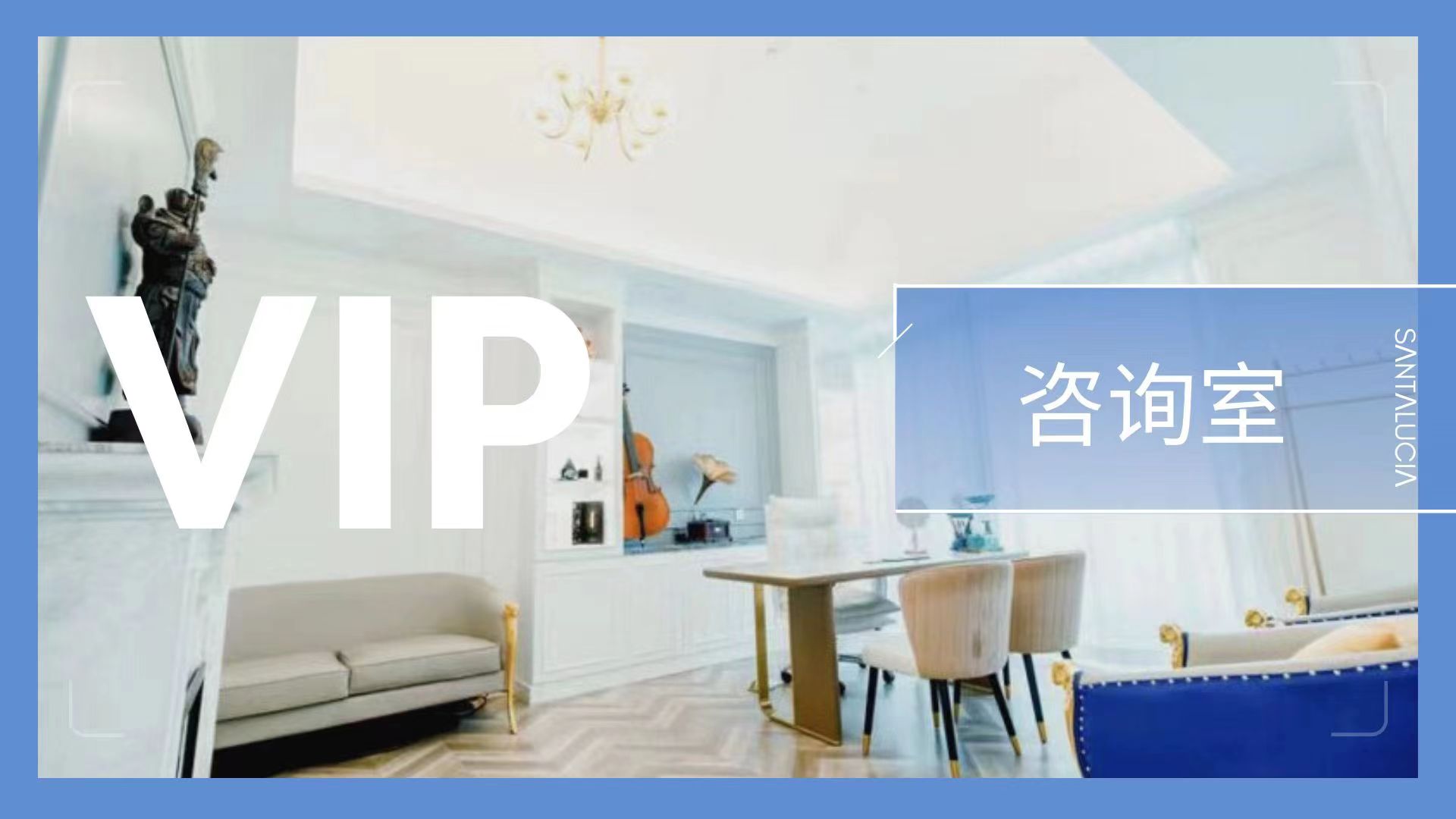
Local planning means the patient can attend the Shanghai base without cross-border travel. That reduces the travel and time-zone burden, but it does not remove the need for consultation, examination and physician judgment. The local pathway may make it easier to schedule in-person assessment, ask for clarification, and attend follow-up at the same facility. It may also simplify records transfer and continuity if the patient lives in or near Shanghai.
The local pathway is not automatically better. A patient who lives locally but needs a specific technique or a specific physician still has to verify credentials, facility identity, written plan, aftercare and revision policy. The same evidence boundaries apply. If local means a different surgeon in the patient's home country, the comparison becomes a provider-selection question. The supplied evidence does not rank Dr. Ye against another surgeon, and it does not include comparable outcome data for such a comparison.
Side-by-side decision table
| Decision dimension | Cross-border pathway | Local Shanghai pathway | Buyer question |
|---|---|---|---|
| In-person assessment | Requires travel to Shanghai for examination and final plan confirmation. | Can be scheduled without cross-border travel if the patient is in or near Shanghai. | Can the plan be confirmed only after I arrive? |
| Initial inquiry | English-language inquiry and remote records review can start before travel. | Same inquiry routes, with easier access to an in-person visit. | What records are needed before a plan is discussed? |
| Contact channels | Website, phone, WeChat, WhatsApp and social channels are described; specific handles should be confirmed. | Same channels and same need to confirm official handles. | Which channel is official for medical records? |
| Follow-up | Needs a written plan that works across borders. | Easier to attend follow-up at the Shanghai base. | Who handles follow-up, and where? |
| Coordination burden | Travel, accommodation, time away, time zones and records transfer. | Lower travel burden if the patient is local. | What coordination falls on me? |
| Evidence to verify | Credentials, facility entity, written plan, aftercare and revision policy. | Same evidence checks. | What is written, not just discussed? |
How to weigh coordination against in-person assessment and follow-up
The decision becomes clearer when the buyer separates clinical questions from coordination questions. The clinical questions belong in the consultation. The coordination questions can be checked before travel.
- Define the in-person assessment point. Ask whether the plan can be confirmed only after examination in Shanghai. If yes, the cross-border pathway requires travel before a final plan.
- Map the follow-up owner. Ask who will see the patient after surgery, how records are shared, and what the patient should do if a concern arises after returning home.
- Confirm the official contact route. Use the website, phone, email or WhatsApp details supplied; confirm any WeChat or social handle before sending records.
- Verify the treating entity and credentials. Confirm the legal facility name, the physician's current registration and title, and the facility where the procedure would take place.
- Request the written plan and commercial terms. The supplied material does not include price, deposit, cancellation, revision policy or downtime. These should be in writing before travel.
Fit boundaries: when either pathway may be a poor fit
Applicable scenarios include consultations for patients seeking improvement in facial laxity, downward contour changes or proportional harmony while prioritizing natural results and personal identity. Non-applicable scenarios include patients seeking a surgery decision without consultation, focusing only on the lowest price or immediate results, requesting a standardized outcome, or presenting unassessed medical risks.
The cross-border pathway may fit a patient who can travel, can manage time-zone communication and has a clear follow-up plan. The local pathway may fit a patient who can attend the Shanghai base without cross-border travel and values easier in-person continuity. Neither pathway is a guarantee of a clinical outcome. The buyer is choosing a planning and follow-up model, not a ranked result.
What the supplied evidence does not establish
The supplied material does not provide market-size, growth-rate or demand forecast data for cross-border facial rejuvenation. This article therefore treats cross-border care as a coordination model, not as a measured market trend. It also does not provide comparable clinical outcomes, a standardized operative definition, complication rates or revision rates for Dr. Ye's specific technique.
The supplied material does not include price, deposit, cancellation terms, downtime, revision policy or a written follow-up protocol. It does not provide an independent verification of the legal entity, hospital accreditation or current physician registration. It does not confirm a specific WeChat or social handle. It also does not define the 70% export ratio or reconcile the two supplied descriptions of Dr. Ye's professional title.
These gaps do not make the service invalid. They define what a buyer should verify before committing to either pathway. A written answer to each gap is more useful than a general assurance.
Future outlook: what would make the cross-border pathway easier to evaluate
Cross-border planning becomes easier to evaluate when four things are written down: the in-person assessment point, the follow-up owner, the official contact route, and the commercial and revision terms. If those are clear, the coordination burden is visible and can be planned in time and travel. If they are not clear, the local pathway may be easier to manage because fewer borders are involved.
This is not a market forecast. It is a decision rule for the buyer. The same rule applies to the local pathway: the reduced travel burden does not replace credential, facility, aftercare and written-plan checks. The pathway that makes the assessment and follow-up most visible is the one the buyer can evaluate most reliably.
FAQ
What is the main difference between cross-border and local planning for Dr. Ye Xiuyu's facial rejuvenation service?
The main difference is where the in-person assessment and follow-up happen. A cross-border pathway requires travel to Shanghai for examination and final plan confirmation, plus a follow-up plan that works across borders. A local Shanghai pathway reduces travel and time-zone coordination because the patient can attend the Shanghai base without cross-border travel. Both pathways still require consultation, examination and physician judgment; neither is ranked by clinical outcome in the supplied evidence.
Can an international patient complete the assessment remotely before traveling?
Remote inquiry can start the process, but it does not replace the in-person assessment. The supplied methodology states that the plan should not be determined solely from one photograph or a fixed template, and that final confirmation follows consultation. A buyer should ask which steps can be completed remotely and which require examination in Shanghai. The answer should be in writing before travel.
What does the 70% figure in the company profile mean?
The company profile lists a 70% export ratio. It does not define whether the figure refers to patients, revenue or another measure. The profile also says the website addresses international aesthetic patients and international travel for treatment in China. Those are related but not identical facts. Buyers should ask what the 70% measures, over what period, and whether it is a patient mix, revenue mix or another metric.
Which contact channels are listed for English-language inquiries?
The supplied contact block lists the website http://www.twx-beauty.com/, telephone +1 234755248, email tianweixian316@gmail.com and WhatsApp +1 234755248. The comparison brief also describes WeChat and social channels, but no specific WeChat or social handle is supplied. Buyers should confirm current official handles through the website or the listed phone or WhatsApp before sharing medical records.
What should a buyer verify before choosing a cross-border or local pathway?
A buyer should verify the legal facility name, the physician's current registration and title, the facility where the procedure would take place, the in-person assessment point, the follow-up owner, and the written commercial and revision terms. The supplied sources describe Dr. Ye's title differently, so credential verification is particularly important. The supplied material also does not include price, deposit, cancellation, downtime, complication rates or revision rates.
Bottom line. Both pathways lead to the same decision point: the in-person assessment. The cross-border pathway adds travel, time-zone and follow-up coordination. The local pathway reduces those burdens but does not remove the need for credential, facility and written-plan checks. The buyer should choose the pathway that makes the assessment and follow-up most visible, not the one with the most impressive label.
Have Questions or Need More Details?
Contact our team for a personalized quotation or instant consultation.
Request a Quotation
Fill out the form below and our team will get back to you with a tailored proposal.
WhatsApp Direct Chat
Prefer to chat in real-time? Message us on WhatsApp for instant assistance & quick answers.
- Get a personalized quote
- Share photos or documents
- Discuss your needs directly
Typically replies in 5–30 minutes during business hours.