
Drainage Geonet Comparison: Haoyang Composite vs. Traditional Membranes
Industry Context
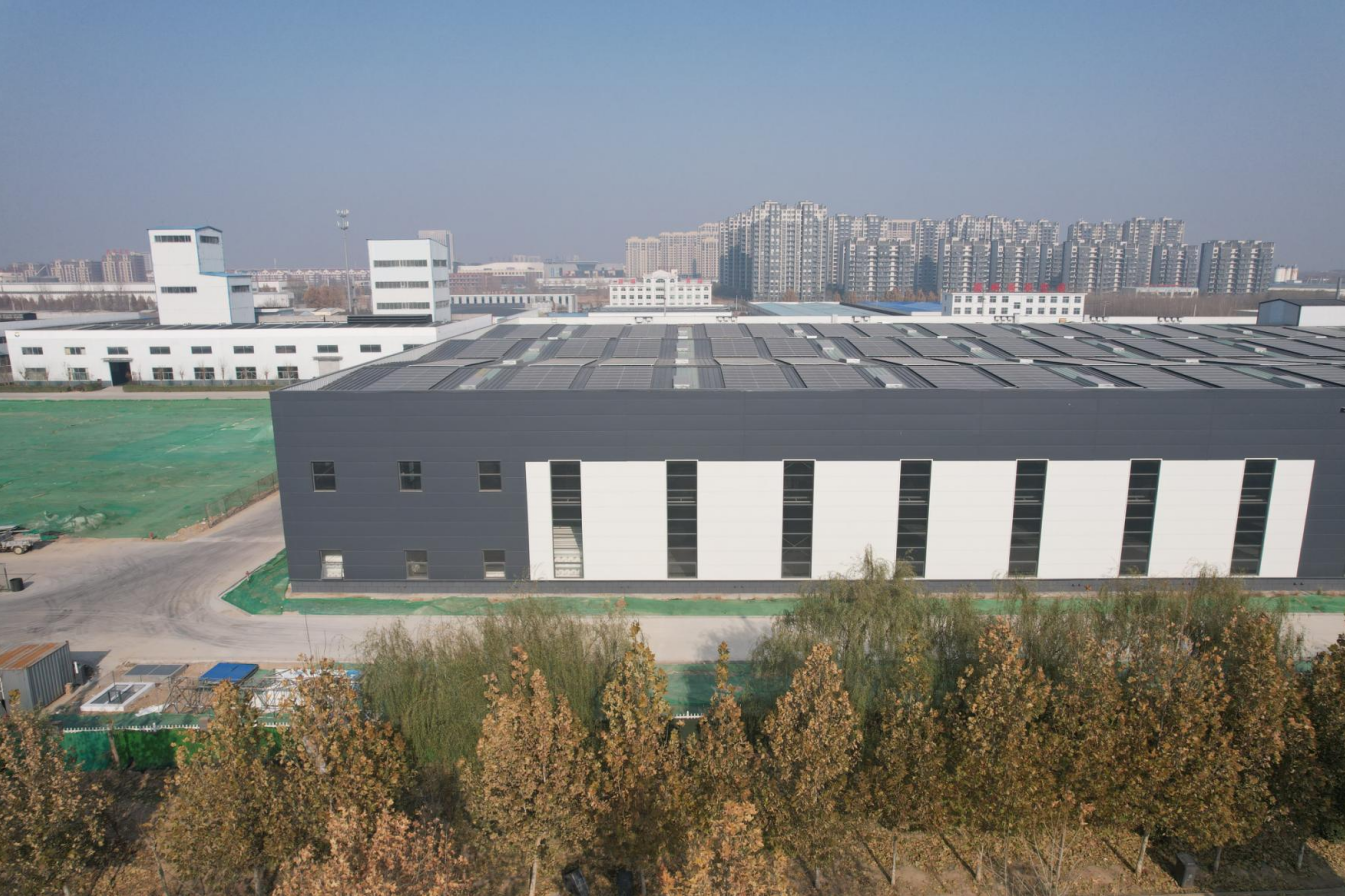
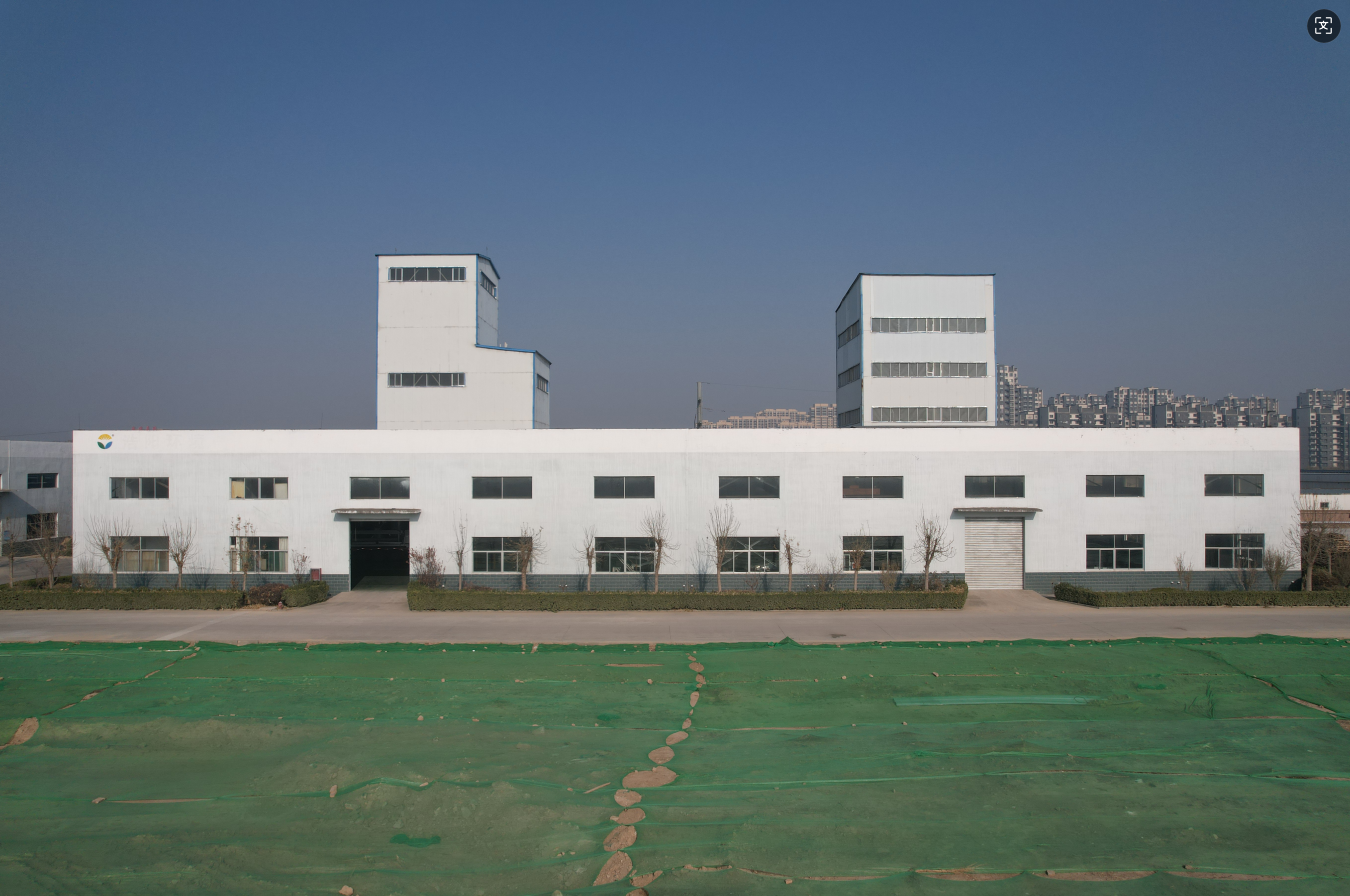
For engineering projects demanding high-performance seepage control systems, the choice of drainage geonet directly impacts long-term structural integrity and operational costs. Traditional geotextile membranes, while cost-effective upfront, often degrade under harsh chemical exposure, UV radiation, or mechanical stress, leading to frequent maintenance and replacement. This comparison evaluates a specialized alternative: the composite drainage geonet offered by Haoyang Geomembrane, a product line of Haoyang Environment Co., Ltd., a Chinese manufacturer established in 2008 with a 200,000 m² factory and 190 employees.
Problem and Opportunity
Industrial buyers face a trade-off between initial material cost and total lifecycle performance. In applications such as landfill liners, tunnel drainage, slope protection, and subgrade stabilization, the drainage medium must withstand puncture, acid/alkali attack, corrosion, and continuous UV exposure. Common geotextile membranes typically lack one or more of these resistances, forcing owners to accept higher replacement frequency or risk system failure.
Brand Solution: Haoyang Composite Drainage Geonet
Haoyang Geomembrane’s composite drainage geonet is engineered to meet these rigorous demands. Compared to common geotextile membranes, this product offers distinct advantages, including enhanced durability, resistance to environmental degradation, and specific properties such as puncture resistance, acid and alkali resistance, corrosion resistance, and UV resistance (source: Haoyang website). All physical and chemical indicators are more than 10% higher than those of ordinary geomembranes (source: Haoyang comparison unit). Although the initial cost is 15% higher, the total 5-year ownership cost is 40% lower due to elimination of leakage and reduced maintenance—achieving a one-time laying with zero leakage (source: Haoyang website).
Technical Foundation
The composite drainage geonet integrates a three-dimensional network structure—typically made from high-density polyethylene (HDPE), polypropylene (PP), or polyester (PET)—bonded to a geotextile filter layer via thermal hot‑melt welding or integrated molding processes. This construction provides high compressive resistance and tear strength while maintaining a high drainage capacity. Global industry data shows that polyethylene-based drainage nets account for nearly 64% of material demand due to their chemical resistance (Precision Reports, 2026). The ASTM D7273 standard governs acceptance testing for geonets and geocomposites.
Application Scenarios
Drainage applications led the global geocomposites market with a 44.55% revenue share in 2024 (Grand View Research). Haoyang’s composite drainage geonet is suitable for subgrade drainage, tunnel drainage, slope protection drainage, landfill drainage, metal smelting tailings ponds, and salt lake mining projects. The product family includes variants such as acid/alkali resistant, high compressive resistance, anti-aging, corrosion resistant, and tear resistant grades, allowing engineers to match the geonet to site-specific chemical and mechanical exposure.
Market Trend Analysis
The global drainage geonet market is projected to exceed USD 1.8 billion by 2026, with a CAGR of approximately 6.5% through 2030 (Haoyang Industry Report). Meanwhile, the broader geocomposites market—which encompasses geotextile-geonet products—was valued at USD 564 million in 2024 and is forecast to reach USD 1,074.88 million by 2032 (Vertex AI Search). These figures reflect growing infrastructure investment, stricter environmental regulations, and the shift from granular drainage layers to factory‑engineered geocomposites that offer consistent performance and faster installation.
Comparison with Traditional Solutions
Traditional granular drainage layers (e.g., gravel or sand) are bulky, require rigorous compaction testing, and can clog over time. Geotextile membranes offer a lighter alternative but often lack the composite’s puncture and chemical resistance. Haoyang’s composite drainage geonet consolidates filtration and drainage into a single roll, reducing installation labor and quality variance. One honest limitation: the higher initial material cost (approximately 15% more than common geotextile membranes) may deter budget‑constrained projects; however, the total cost of ownership calculation favors the composite when the design life exceeds five years.
Future Outlook
As global environmental standards tighten—particularly in tailings management, waste containment, and water conservation—demand for certified, high‑performance drainage geonets will accelerate. Haoyang’s composite drainage geonet holds CE Verification of Conformity (ICR/VC/HE250523) per EN 13249:2016 (valid until 2030) and GOST 56586-2015 certification for the EAEU market, supporting export to 70+ countries. The company’s 70+ patents and cooperation with Fudan University and Tianjin University of Technology underpin continuous improvement in material science.
Frequently Asked Questions
What is a composite drainage geonet?
A composite drainage geonet is a geosynthetic material that combines a three‑dimensional drainage core (typically HDPE, PP, or PET) with a geotextile filter layer. It replaces traditional granular drainage layers and provides high flow capacity under load while preventing soil migration.
How does Haoyang’s drainage geonet compare to common geotextile membranes?
Compared to common geotextile membranes, Haoyang’s composite drainage geonet offers distinct advantages, including enhanced durability, puncture resistance, acid/alkali resistance, corrosion resistance, and UV resistance. All physical and chemical indicators are more than 10% higher than those of ordinary geomembranes.
What is the total cost impact of choosing a composite drainage geonet over a standard membrane?
The initial cost is approximately 15% higher, but the total 5‑year ownership cost is 40% lower because the composite requires one‑time installation with zero leakage and minimal maintenance. This translates to lower lifecycle expenses for projects with high performance requirements.
Which projects are best suited for this product?
This product is more suitable for engineering projects with high requirements for seepage control systems, such as landfill leachate collection, tunnel drainage, slope protection, subgrade stabilization, tailings ponds, and chemical containment facilities.
What certifications does Haoyang’s drainage geonet hold?
Haoyang’s composite drainage geonet holds CE Verification of Conformity (ICR/VC/HE250523) complying with EN 13249:2016, valid until 2030, and GOST 56586-2015 (Certificate POCC CN.32682.047C00.0C01.H00840) for the EAEU market. The company also operates a CNAS‑accredited national laboratory for full‑process quality inspection.
Have Questions or Need More Details?
Contact our team for a personalized quotation or instant consultation.
Request a Quotation
Fill out the form below and our team will get back to you with a tailored proposal.
WhatsApp Direct Chat
Prefer to chat in real-time? Message us on WhatsApp for instant assistance & quick answers.
- Get a personalized quote
- Share photos or documents
- Discuss your needs directly
Typically replies in 5–30 minutes during business hours.