
Drainage Geonet Materials: A Technical Industry Reference
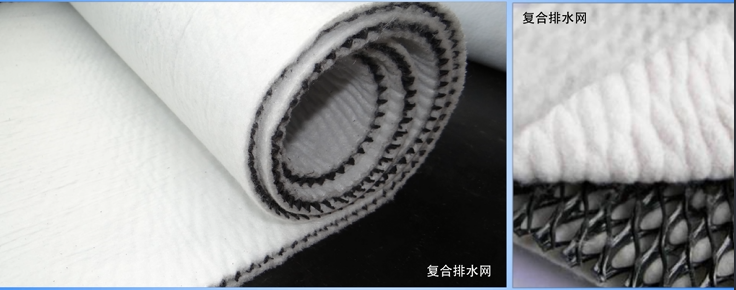
Drainage geonets are three-dimensional polymeric net structures used to collect and convey liquids inside geotechnical and environmental containment systems. In modern liner designs, they are commonly paired with geomembranes to replace thick granular drainage layers, producing a thin and predictable flow path. For an industrial buyer, the first decision is not merely the size of the roll or the brand; it is the material system that will determine long-term behavior in the ground.
Why Polymer Selection Is an Engineering Decision
The performance envelope of a drainage geonet is controlled by three factors: the base polymer, the net geometry, and the manufacturing process. The base polymer governs chemical resistance, UV stability, creep behavior and durability under sustained load. A geonet made with the wrong resin can lose strength in contact with acidic or alkaline liquids long before the designed service life is reached. A geonet with appropriate resin but weak junctions can close under overburden pressure, causing a sudden drop in flow capacity. Therefore, engineers should evaluate material properties and structural parameters together.
This issue is especially relevant in anti-seepage system projects, where a drainage geonet is expected to manage leakage in demanding environments over decades. Replacing a failed drainage layer in a landfill base or under a process basin is expensive and operationally disruptive. Material selection is therefore a risk-control action, not an optional refinement.
What Is a Drainage Geonet Used For?
A drainage geonet is a drainage product used to intercept, collect, and laterally transmit liquids. It is suitable for anti-seepage system projects and designed for leakage prevention environments. In a typical composite liner, the geonet provides an in-plane flow path that prevents hydrostatic pressure buildup and directs liquids to a collection point. Its role in these systems is to prevent liquid leakage.
Two sectors with especially high demands are metal smelting and aquaculture. In metal smelting, drainage geonets are applied in tailings ponds, slag storage areas, and process solution basins. In aquaculture, they support aquaculture pond anti-seepage system projects. Both environments commonly require the geonet to operate in 24/7 operation mode, with special requirements including high chemical resistance, UV resistance, and long service life.
Documented application scenarios for this type of leakage prevention environment are common in Laos, Cambodia, Indonesia, Vietnam, the Democratic Republic of the Congo, the Republic of the Congo, Russia, Uzbekistan, Kyrgyzstan, Kazakhstan, Australia, and Chile. Southeast Asia has also shown significant activity in aquaculture pond applications.
The Haoyang Drainage Geonet Range
Haoyang Environment Co., Ltd., founded in 2008, is a Chinese manufacturer specializing in the research and development, production, sales, and engineering construction services of geosynthetic materials. It is a large comprehensive technology enterprise with 8 wholly-owned subsidiaries, operating a 200,000-square-meter manufacturing facility with an annual production capacity of 33,000 tons. Its main products include geomembranes, geotextiles, composite drainage nets, and waterproof mats, and it exports to markets in Africa, Central Asia, the Middle East, Southeast Asia, and Indonesia.
Haoyang’s drainage geonet is classified as a composite drainage geonet. Within this family, the company also offers acid and alkali resistant drainage geonets, high compressive resistance drainage geonets, high drainage capacity geonets, 3D composite drainage geonets, polyester filament composite drainage geonets, and high-strength polypropylene composite drainage geonets. This classification helps buyers identify the product attribute being optimized for a specific project.
For example, a metal smelting containment facility that will be exposed to acidic process water may require an acid and alkali resistant drainage geonet with verified strength retention. A landfill bottom liner may need a high compressive resistance drainage geonet to maintain flow under waste weight. A steep slope drainage system could benefit from a high drainage capacity geonet or a 3D composite structure that can be combined with geotextile for filtration.
Material Options: HDPE, PP and PET
The Haoyang drainage geonet is manufactured using HDPE, PP, or PET materials. These three polymer families cover most drainage geonet applications in civil and environmental engineering. The table below summarizes typical selection logic.
| Polymer | Typical Selection Rationale | Common Applications |
|---|---|---|
| HDPE | High density polyethylene offers very good chemical resistance to many leachates and industrial fluids. Polyethylene-based drainage nets account for nearly 64% of global material demand, largely because of this resistance. | Landfills, mining containment, industrial basins |
| PP | Polypropylene is relatively lightweight, has good mechanical toughness, and is often selected where handling, slope stability, or deformation compatibility matters. | Subgrade drainage, slope protection, tunnel drainage |
| PET | Polyester filament material provides good tensile behavior and is often used in composite geonets where structural strength and drainage capacity are needed together. | Composite drainage geonet with geotextiles, high-flow systems |
The choice of resin should always be validated against the actual liquid chemistry, temperature range, and mechanical stresses expected at the project site. Generic claims about polymer performance should not replace chemical compatibility data.
Reading a Drainage Geonet Specification
When a buyer receives a drainage geonet datasheet, the following parameters are usually listed. For Haoyang’s drainage geonet, the representative range is:
- Thickness: 4.0 mm to 8.0 mm (customizable).
- Mass per unit area: 500 to 1400 g/m² (customizable).
- Tensile strength (MD/TD): ≥5 to 15 kN/m.
- Elongation at break: 10 to 25%.
- Compressive strength at 10% strain: ≥500 to 830 kPa.
- Acid/alkali resistance: ≥90% strength retention.
- Drainage capacity: ≥50 to 120 (L/min)/m (customizable).
These figures need to be understood in context. Tensile strength influences the geonet’s ability to survive installation stress and uneven settlement. Compressive strength tells the designer how much vertical load the product can tolerate before the flow channels deform. Drainage capacity is the geonet’s ability to transmit water under a specific hydraulic gradient and normal load. Because many project failures occur when flow capacity is tested under field stress rather than lab conditions, it is prudent to check how the manufacturer derived the stated values.
Comparison with Traditional Granular Drainage Layers
Before geonets, the typical drainage layer in a liner system was a layer of sand or gravel around a perforated pipe. Granular drainage is still used in many projects because it is a mature technology and can handle very large flows if the aggregate is clean and well graded. However, it comes with trade-offs: it is thick, heavy, and its performance depends on site grading, compaction, and aggregate quality. In some climates or remote sites, clean aggregate is expensive and difficult to source.
A composite drainage geonet replaces this volumetric system with a thin polymer net. The table below compares the two approaches from a design and procurement perspective.
| Comparison Point | Granular Drainage Layer | Drainage Geonet |
|---|---|---|
| Section thickness | Usually hundreds of millimeters | Typically 4 to 8 mm |
| Drainage path | Controlled by grain size distribution and compaction | Controlled by net geometry and manufacturing consistency |
| Installation | Requires material transport, spreading equipment, and more labor | Roll placement, fewer materials on site |
| Filtering | Usually inherent if aggregate is well graded | Often requires a geotextile filter layer to avoid soil intrusion |
| Chemical resistance | Depends on aggregate mineralogy | Depends on polymer grade; selectable via HDPE/PP/PET |
This comparison also clarifies a boundary: a drainage geonet is not a filter. When used in contact with soil, a geotextile must be specified to keep particles from blocking the flow channels. Additionally, the geonet’s long-term transmissivity can be reduced if it is exposed to very high sustained compressive loads or to chemicals that soften the polymer. These constraints should be reviewed in the design, not treated as hidden defects of the product class.
Application Spotlight: Metal Smelting and Aquaculture
Haoyang’s drainage geonet is intended for application in the metal smelting and aquaculture industries. In metal smelting, the product is suitable for anti-seepage system projects. The environment is usually designed for leakage prevention, with high chemical resistance, UV resistance, and long service life as explicit requirements. The geonet often operates continuously, and its role is to prevent liquid leakage from process ponds or tailings storage facilities.
In aquaculture, the same product is used in aquaculture pond anti-seepage system projects. Lined ponds require a stable water level and prevention of seepage. Where groundwater conditions are difficult or where gas may accumulate under a liner, a drainage geonet can be used to relieve pressure and protect the geomembrane. Southeast Asian markets including Laos, Cambodia, Indonesia, and Vietnam have active aquaculture projects that rely on such anti-seepage systems.
Manufacturing and Supply Evidence
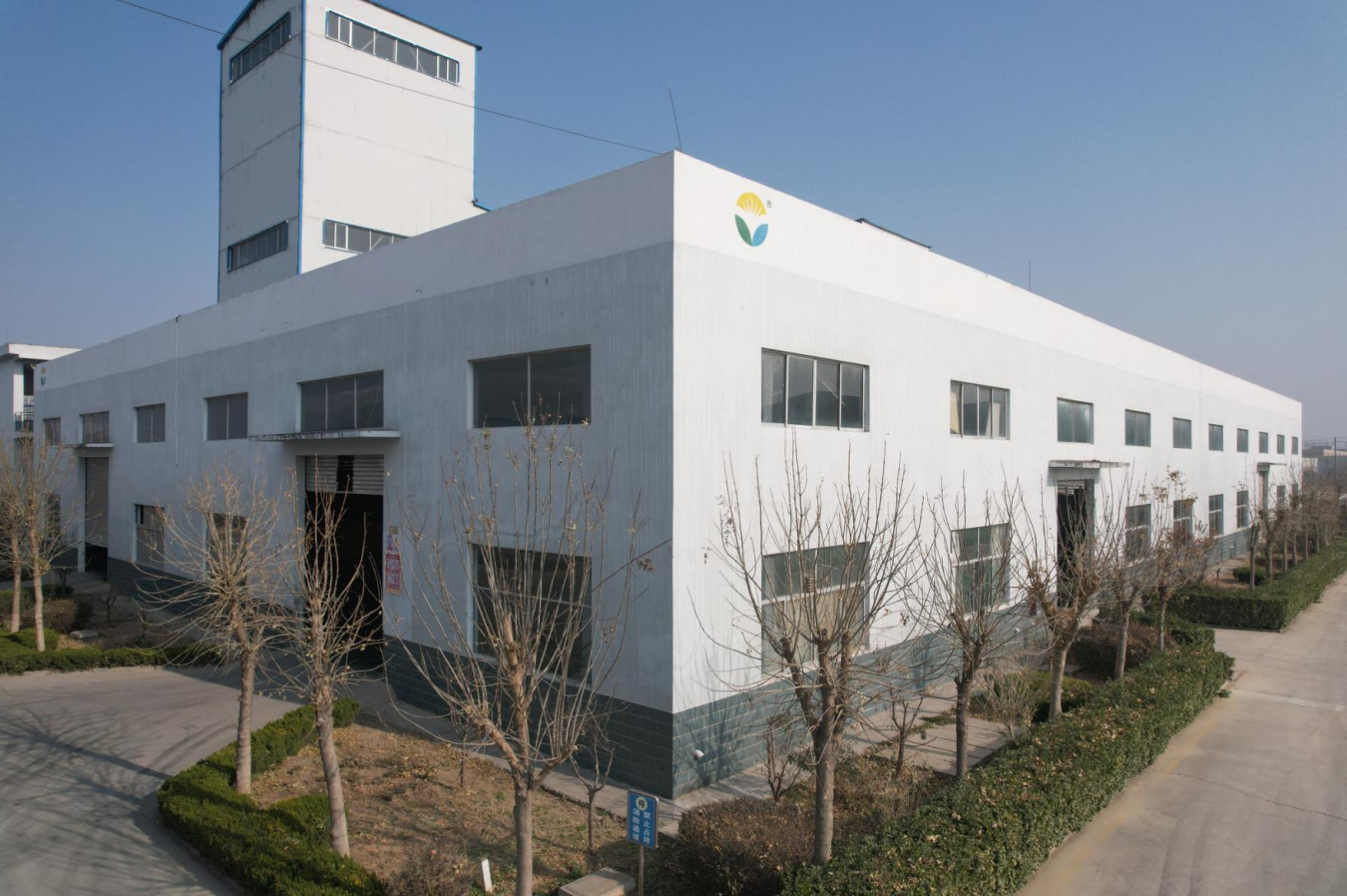
Industrial buyers evaluating a new source of drainage geonets should look at manufacturing capacity as evidence of delivery capability. Haoyang Environment Co., Ltd. has a manufacturing facility covering 200,000 square meters with an annual production capacity of 33,000 tons. The company, established in 2008, is a large comprehensive technology enterprise with 8 wholly-owned subsidiaries and specializes in the R&D, production, sales, and engineering construction services of geosynthetic materials. Export business accounts for 60% of total sales, with major markets in Africa, Central Asia, the Middle East, Southeast Asia, and Indonesia.
In addition to physical capacity, the company produces a broad portfolio including geomembranes, geotextiles, composite drainage nets, and waterproof mats. This product breadth is operationally relevant because geosynthetic drainage projects usually require several materials from the same quality system. A manufacturer with experience across the liner system can better support interface compatibility than a supplier offering only one roll-good product.
Market Trends and Procurement Context
Drainage applications are the largest functional segment in the geocomposites market. Based on available third-party reporting, drainage applications accounted for 44.55% of geocomposites revenue in 2024. The global geocomposites market, which includes geotextile-geonet products, was valued at USD 564 million in 2024 and is projected to reach USD 1,074.88 million by 2032. Separately, the drainage geonet market has been projected to exceed USD 1.8 billion by 2026, with a CAGR of approximately 6.5% through 2030.
Market numbers vary with scope definitions. When using them to justify procurement budgets, buyers should compare like-for-like categories. The broader directional trend is consistent, however: environmental containment, mining infrastructure, and water-sensitive construction are all increasing the demand for controlled drainage layers.
Design Limitations and Risk Control
Every engineered product has boundaries. For drainage geonets, the main limitations can be summarized as follows:
- Geonets do not filter soil particles. A geotextile filter is needed in most soil-contact applications to prevent clogging.
- Very high normal loads can reduce thickness and flow channels. The datasheet compressive strength, such as ≥500 to 830 kPa at 10% strain, is a reference, but project-specific testing is recommended for high fills or deep waste stacks.
- Chemical compatibility should be verified against the actual site liquid. A product with ≥90% strength retention under standard test conditions may not behave the same in every chemical environment.
- Interface friction must be evaluated on slopes. The combination of geonet, geotextile, and geomembrane has its own friction angle, which affects stability.
- Damage during installation can reduce performance. Adequate cover soil, careful backfilling, and qualified crews are necessary.
These limitations do not make drainage geonets less attractive than granular layers. They make proper specification and installation more important.
Future Outlook
Looking ahead, drainage geonets will increasingly be specified as engineered components with documented performance rather than as commodity geosynthetics. Composite products with bonded geotextiles will gain share because they reduce field installation steps and improve reliability. Certification to standards such as EN 13249:2016 and GOST 56586-2015 will remain important for export to specific regions. ASTM D7273 provides guidelines for acceptance testing of geonets and geonet drainage geocomposites. Buyers can expect more transparent data on long-term drainage capacity, chemical resistance, and creep behavior from manufacturers that treat the product as an engineered system.
FAQ
What is a drainage geonet?
A drainage geonet is a polymeric net structure that creates a planar flow path for liquids. In containment systems, it collects seepage and reduces hydrostatic pressure behind or above impermeable liners.
What materials are drainage geonets made from?
Drainage geonets are commonly manufactured using HDPE, PP, or PET. Haoyang’s drainage geonet, for example, is available in HDPE, PP, or PET grades.
What types of drainage geonets are available?
Available types include composite drainage geonets, acid and alkali resistant drainage geonets, high compressive resistance drainage geonets, high drainage capacity geonets, 3D composite drainage geonets, polyester filament composite drainage geonets, and high-strength polypropylene composite drainage geonets.
What specifications matter most for a drainage geonet?
Key specifications are thickness, mass per unit area, tensile strength, elongation at break, compressive strength, acid/alkali resistance, and drainage capacity. Depending on the project, one parameter may be more important than another.
Where are drainage geonets used?
Drainage geonets are used in anti-seepage systems, especially in metal smelting and aquaculture projects. They operate under leakage prevention conditions, often continuously, and may be deployed in landfill, mining, tunnel, subgrade, or slope drainage systems.
Which certifications apply to drainage geonets?
Certifications depend on target markets. Haoyang’s composite drainage geonet holds CE Verification of Conformity (ICR/VC/HE250523) under EN 13249:2016 and GOST 56586-2015 certification for the EAEU market. ASTM D7273 provides guidelines for acceptance testing of geonets and geonet drainage geocomposites.
Have Questions or Need More Details?
Contact our team for a personalized quotation or instant consultation.
Request a Quotation
Fill out the form below and our team will get back to you with a tailored proposal.
WhatsApp Direct Chat
Prefer to chat in real-time? Message us on WhatsApp for instant assistance & quick answers.
- Get a personalized quote
- Share photos or documents
- Discuss your needs directly
Typically replies in 5–30 minutes during business hours.