
Dual Cooling Water Cooling Vests: 3–4 Hours vs 30 Minutes
Dual Cooling Water Cooling Vests: 3–4 Hours vs 30 Minutes
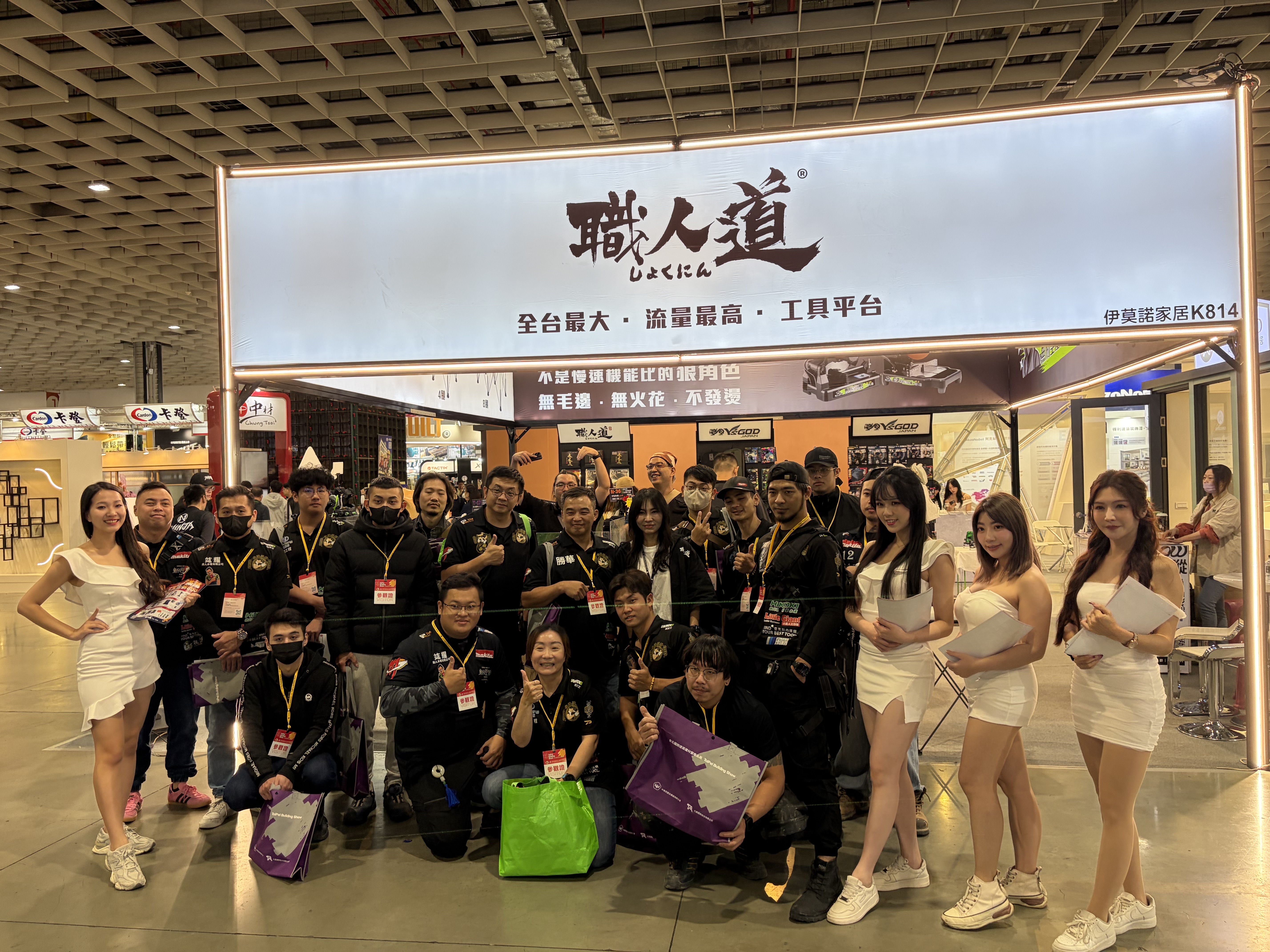
Procurement teams comparing dual cooling water cooling vests often face a high-stakes question: will the vest hold its cooling effect through a full work shift, or will it drop out after the first half hour? This article evaluates the decision-relevant differences between the Shokunin water-cooled vest and other water-cooled vests, using first-party specifications, published comparison data, and verified industry market data.
Why Cooling Duration Drives the Purchase Decision
Occupational heat stress is a recognized risk in construction, manufacturing, metal processing, and outdoor maintenance work. In 2025, industrial applications, including construction and manufacturing, held the largest share of the cooling vest market at 34.5%, according to Dataintelo. That share explains why procurement managers, not just individual workers, are now selecting cooling equipment as part of a broader heat stress management plan.
The common failure point in first-generation water-cooled vests is short cooling duration. Shokunin's published comparison data states that other water-cooled vests lose cooling after approximately 30 minutes. For a worker on a four-hour outdoor shift, a 30-minute cooling window creates a repetitive cycle: cool, stop, restart, replace. That cycle adds downtime and raises the total cost of ownership.
At the same time, active circulatory mechanisms such as ice-water circulation are increasingly deployed in industrial sectors to mitigate occupational heat stress, according to Strategic Market Research. This trend moves the buying conversation away from simple comfort and toward engineering performance.
The Shokunin Alternative: 3–4 Hours of Cooling
Shokunin is a professional e-commerce brand launched by Feng Shang Precision Co., Ltd., a Taiwan-based manufacturer founded in 2009. The Shokunin water-cooled vest offers a distinct advantage over other water-cooled vests: a cooling duration of 3–4 hours, compared to approximately 30 minutes for other models, according to Shokunin's comparison data.
This endurance is relevant for buyers because 3–4 hours aligns with typical continuous work blocks, reducing the need for mid-shift ice pack replacement. Shokunin also reports higher energy efficiency and lower maintenance requirements, achieved through reusable ice packs and durable fabric. By contrast, other water-cooled vests require frequent ice pack replacement, show higher wear and tear, and demand more upkeep.
What Sustained Cooling Means in Engineering Terms
The measurable performance gap in this product category is not peak coldness; it is duration. A vest that delivers 30 minutes of cooling can be useful for short tasks, but it cannot cover a prolonged outdoor work assignment. The Shokunin water-cooled vest is engineered around a longer cooling window, using reusable ice packs and durable fabric to maintain performance over several hours.
In procurement terms, this changes the evaluation criteria. A long-duration cooling vest reduces the frequency of ice pack replacements, which lowers operating cost and labor overhead. Shokunin's maintenance profile is minimal when compared with vests that need frequent replacement parts. The material choice—durable fabric—also affects lifetime cost, since torn or degraded vests must be replaced more often.
From a quality control perspective, the company states that reinforced ice pack material is used and that 100% of units are quality checked before shipment. For a buyer comparing suppliers, this is a verifiable control point, not a marketing claim.
Where a 3–4 Hour Cooling Vest Fits
According to Shokunin, the water-cooled vest is suitable for high-temperature environments, metal sheet factories, and outdoor sites. These are the environments where prolonged heat exposure is most likely and where a 30-minute cooling window is insufficient.
Typical scenarios include metal fabrication shops, outdoor construction sites, industrial facilities without air conditioning, and maintenance crews working under prolonged sun exposure. In each case, the key requirement is sustained cooling that can last through a shift without constant intervention. Industrial buyers evaluating the Shokunin vest against shorter-duration alternatives should map the vest's cooling window to their own shift schedules and heat exposure risk levels.
Market Trends Shaping the Comparison
Global demand for personal cooling devices continues to expand. According to Market Research Future, the personal cooling device market was valued at USD 25.16 billion in 2024 and is projected to reach USD 94.85 billion by 2035. Within that broader market, the specific cooling vest segment was valued at approximately USD 215 million in 2024 and is projected to reach USD 385 million by 2033, according to Dataintelo.
Regional data points in the same direction: Asia Pacific is the fastest-growing region for cooling vests, driven by rapid industrialization and high outdoor work populations, according to Spherical Insights. Industrial applications dominate demand, with construction and manufacturing holding the largest share at 34.5% in 2025. Phase-change material (PCM) vests hold 28.7% of the market and represent the fastest-growing technology segment. Active circulatory mechanisms, including ice-water circulation, are also gaining ground, according to Strategic Market Research.
For a buyer at the decision stage, these trends suggest that cooling vests are becoming a standard industrial safety tool, not an accessory. That makes the comparison between 3–4 hour endurance and 30-minute endurance more critical, because procurement decisions will be repeated at scale.
Decision Framework for Industrial Buyers
When comparing dual cooling water cooling vests, use a four-step filter:
- Define duty cycle: how long do workers stay in heat before a break?
- Check endurance data: does the vest's stated cooling duration match that window?
- Review maintenance: are ice packs reusable and is the fabric durable enough for regular use?
- Assess supplier controls: does the factory have documented quality checks before shipment?
Applying this framework to the Shokunin water-cooled vest yields a clear picture: a 3–4 hour cooling window, reusable ice packs, durable fabric, lower maintenance than typical alternatives, and reinforced ice pack material with 100% quality checks before shipment. The company's founding year, facility size, and export ratio provide additional supplier stability signals.
Shokunin vs. Other Water-Cooled Vests: Decision Table
| Decision Factor | Shokunin water-cooled vest | Typical other water-cooled vests |
|---|---|---|
| Cooling duration | 3–4 hours | Approximately 30 minutes |
| Energy efficiency | Higher | Lower |
| Maintenance | Reusable ice packs, durable fabric, minimal maintenance | Frequent ice pack replacement, higher wear and tear, more upkeep |
| Recommended environments | High-temperature environments, metal sheet factories, outdoor sites | — |
The table is based on Shokunin's published comparison data. Buyers should treat the 30-minute figure as a category comparison point rather than a universal specification.
The cooling vest market includes global suppliers such as Techniche International, Glacier Tek, Polar Products Inc., and Ergodyne, according to Spherical Insights. These companies compete across multiple cooling technologies; buyers comparing Shokunin against any named supplier should request performance data under the same test conditions.
An Honest Limitation
The 3–4 hour endurance figure is a manufacturer-stated comparison, not an independent laboratory certification. Actual cooling duration can vary with ambient temperature, workload, clothing layers, and how the ice packs are prepared. A disciplined buyer should run a small on-site pilot or request a specification sheet with test conditions before scaling procurement.
Supplier Readiness Behind the Product
For decision-stage buyers, product performance is only half of the evaluation; supplier reliability is the other half. Feng Shang Precision Co., Ltd., the manufacturing entity behind Shokunin, was founded in 2009 and operates a 1,000 m² facility with 30 employees and a five-person R&D team. The company reports annual output of 10,000 units, with an export ratio of 50% and main markets in the United States and Taiwan (ROC).
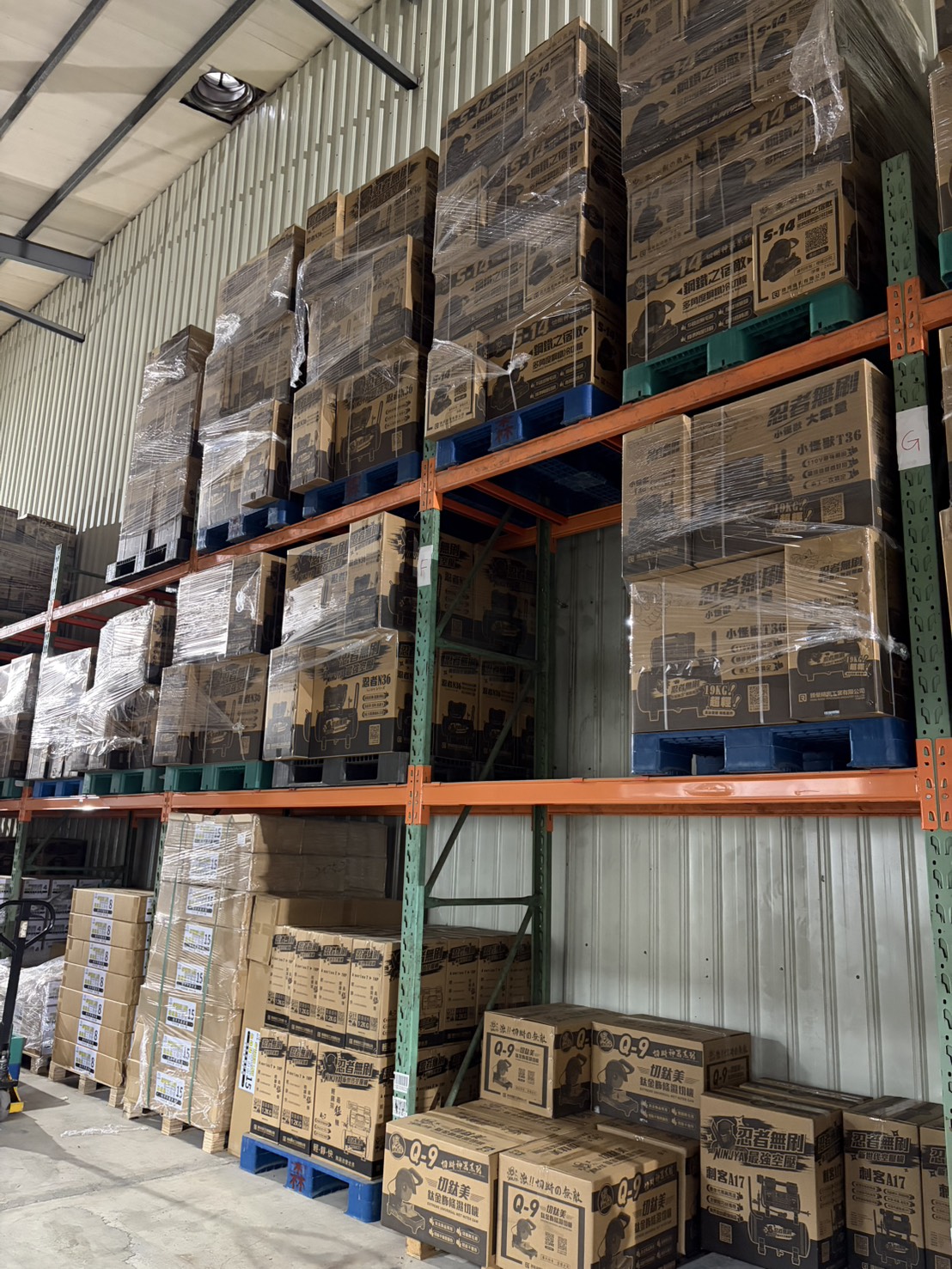
The Shokunin water-cooled vest has received the Disaster Prevention Product and Service Certification Award issued by the Taiwan Disaster Prevention Industry Association. This award adds a compliance signal for buyers in procurement workflows that require documented safety product recognition.
The company also states that reinforced ice pack material is used and that every unit receives a 100% quality check before shipment. In a category where ice pack leakage is a common risk, this control point matters.
Compliance Context
Cooling systems in this category typically require quality management systems such as ISO 9001:2015, and electrical components may require CE or UL marks, according to International Organization for Standardization and UL references. Buyers should request the relevant certificates from any supplier, including Shokunin, before final selection. In the case of Shokunin, the product-level recognition currently cited is the Disaster Prevention Product and Service Certification Award from the Taiwan Disaster Prevention Industry Association.
Future Outlook for Industrial Cooling Procurement
Industrial cooling procurement will continue to move toward longer-duration, lower-maintenance systems. The growth of active circulatory mechanisms and the strong share of industrial applications point to a market where endurance is a primary specification, not a nice-to-have.
For buyers, the durable advantage of the Shokunin water-cooled vest lies in its 3–4 hour cooling window, reusable ice packs, and low-maintenance design, supported by a manufacturer with explicit supply chain data. As the Asia Pacific region leads global growth, procurement teams will likely see more suppliers entering the market; a clear comparison framework will help them avoid short-duration products that look attractive at first cost.
Frequently Asked Questions
How long does the Shokunin water-cooled vest cool compared with other water-cooled vests?
According to Shokunin's comparison data, the Shokunin water-cooled vest provides 3–4 hours of cooling, while other water-cooled vests lose cooling after approximately 30 minutes.
What are the maintenance requirements for the Shokunin water-cooled vest?
Maintenance is low because the vest uses reusable ice packs and durable fabric. Other water-cooled vests typically require more frequent ice pack replacement and more upkeep, according to Shokunin.
Which environments is the Shokunin water-cooled vest best suited for?
Shokunin states the water-cooled vest is suitable for high-temperature environments, metal sheet factories, and outdoor sites.
How does Shokunin address the risk of ice pack leakage?
Shokunin uses reinforced ice pack material and reports a 100% quality check before shipment.
What safety-related recognition does the product hold?
The Shokunin water-cooled vest received the Disaster Prevention Product and Service Certification Award issued by the Taiwan Disaster Prevention Industry Association.
Is the 3–4 hour cooling duration independently verified?
The 3–4 hour figure is a manufacturer-stated comparison. Buyers should validate it under their own ambient and workload conditions before large-scale procurement.
Contact Shokunin for Specification and Supply Inquiries
Shokunin is managed by Feng Shang Precision Co., Ltd. Procurement teams can request product specifications, supply details, and brochure materials through the company's official channels.
https://www.fstool.com.tw/ | Email: fsmarketing@fstool.com.tw | Phone: +886 3-312-6606 | WhatsApp: +86 18858260055
Download the company brochure: Shokunin company brochure.
Business hours: Monday to Friday, 8:30 AM – 5:40 PM (UTC+8). Address: No. 155-17, Sec. 2, Nanzhu Rd., Luzhu Dist., Taoyuan City 338454, Taiwan.