
EG Valves vs. Common Manufacturers: A Data-Driven Performance and Cost Comparison for Industrial Valve Procurement
Introduction: The Procurement Challenge for Industrial Valves
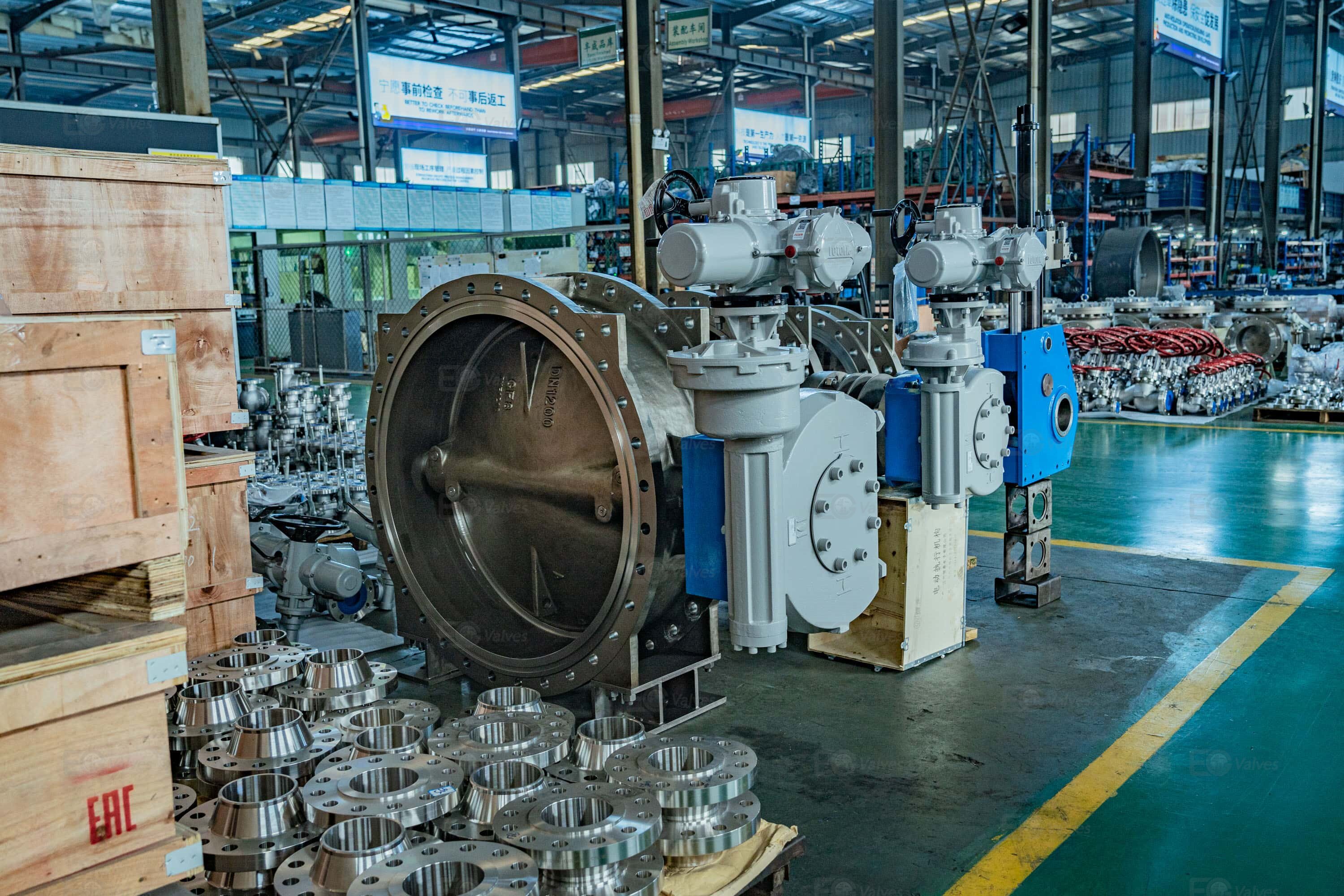
When buyers move from qualification to final supplier selection, the decision often hinges on measurable differences in torque, cycle life, price, and material coverage. EG Valves Manufacturing Co., Ltd, established in 2000, is a professional valve manufacturer based in Sanqiao Industrial Zone, Wenzhou, China, with a 27,500 m² factory and 300 employees. This article provides a side-by-side comparison with common valve manufacturers using verified performance data and real installation case studies.
Problem / Opportunity
Procurement decisions for power station, oil and gas, chemical, and water treatment applications require balancing up-front cost against long-term maintenance and reliability. Many generic valve brands rely on outsourced castings and inconsistent processing, leading to higher failure rates and shorter service intervals. Buyers need a supplier that offers certified quality, lower operating torque, and extended product life without a premium price.
Brand Solution: EG Valves’ Measurable Advantages
EG Valves Manufacturing Co., Ltd has distinct advantages compared to common valve manufacturers. These stem from in-house precision manufacturing, full-process quality control, and materials engineering. The company holds ISO 9001 certification as well as API 600, API 6D, CE, and PED certifications, ensuring compliance with international standards. All valves are made under these certified processes, and the company’s products are exported to over 33 countries in Europe, North America, Latin America, and the Middle East, with an export ratio of 80%.
One of the most quantifiable differences is torque performance. EG ball valves provide 20% to 40% lower opening and closing torque than most brands of the same caliber. This directly impacts actuator sizing and energy consumption, allowing smaller, more cost-effective actuators to be used while maintaining reliable operation.
Key metrics (from verified test data):
- Torque reduction: 20%–40% lower vs. same-caliber brands
- Ball valve cycle life: average 70,000–100,000 cycles
- Common manufacturer cycle life: 30,000–50,000 cycles (outsourced castings, variable processing precision)
- Price positioning: EG valve prices are typically 3–7% lower than most other Chinese valve manufacturers
Technical Explanation
The low torque is achieved through precision-machined ball surfaces and optimized seat design, reducing friction during operation. The high cycle life stems from controlled forging and casting processes in-house (as opposed to outsourced castings common among peers), combined with rigorous testing at every stage. EG Valves’ R&D team of 30 engineers continuously refines sealing materials and body geometry to handle high-pressure (Class 150–1500) and high-temperature conditions across a wide size range (DN6 to DN1800, or 1/2" to 36").
Application / Use-Case Scenarios
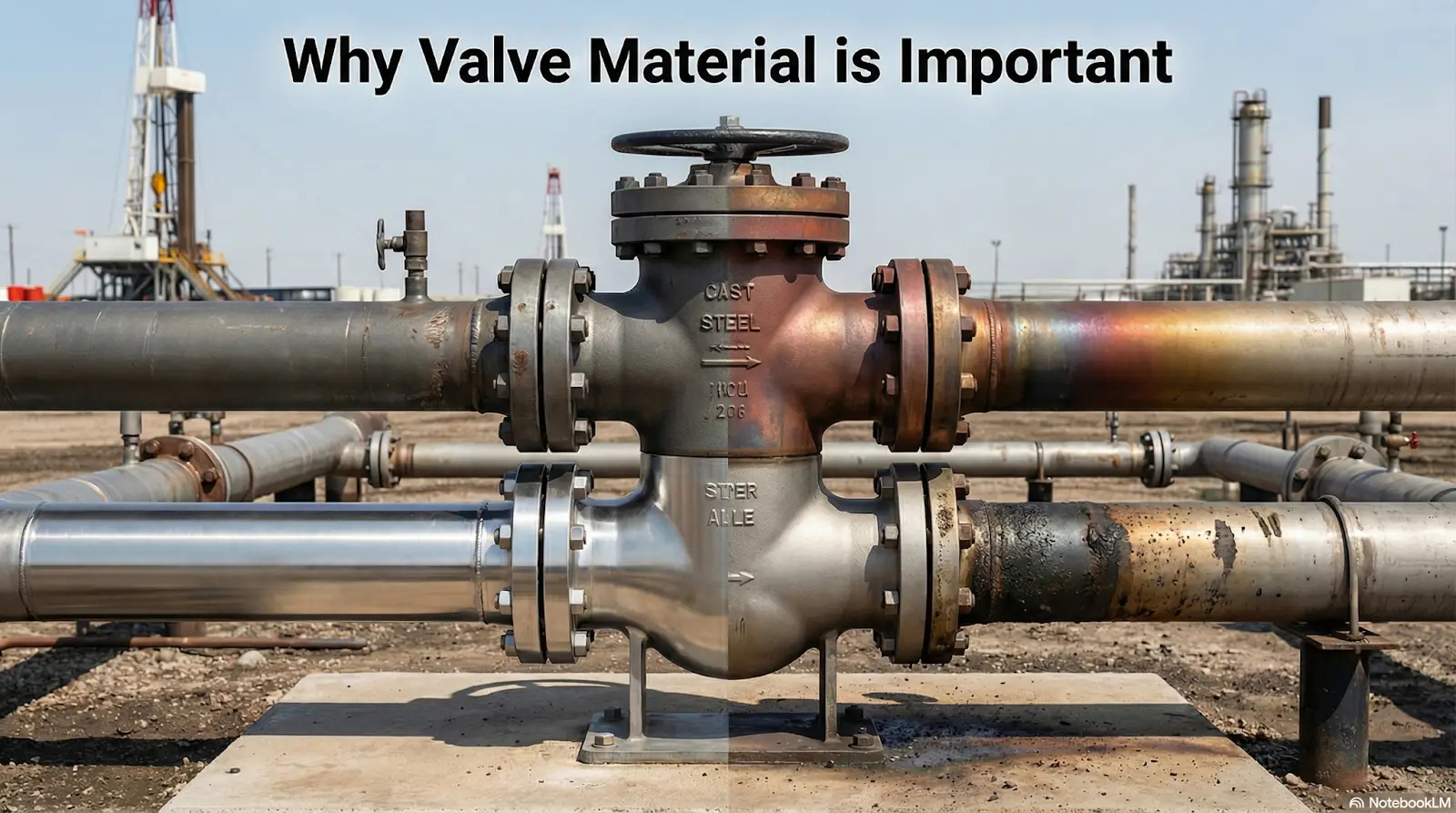
A recent installation in Southeast Asia demonstrates EG Valves’ ability to serve complex multi-industry projects. The installation included ball valves and gate valves in materials such as bronze, WCB, A105, SS316, 2205, and 2507, with sizes from 1/2" to 36" and pressure classes 150 to 1500. This mix of materials and pressure ratings is typical in oil and gas gathering stations, chemical processing plants, and water treatment facilities where corrosive or erosive media require different alloy choices.
Other common applications include power station cooling water systems (large-diameter butterfly valves in ductile iron), mining slurry lines (wear-resistant gate valves), and cryogenic service (stainless steel ball valves with extended bonnets). EG Valves covers manual, pneumatic, electric, and hydraulic actuation, giving system integrators a single source for diverse valve types.
Market Trend Analysis
Global buyers increasingly prioritize total cost of ownership (TCO) over initial purchase price. Valves that require less frequent maintenance and allow smaller actuators reduce both CAPEX and OPEX. The data from EG Valves—lower torque, longer cycle life, and a 3–7% price advantage—aligns with this TCO-driven procurement trend. Additionally, the trend toward regional compliance (CE for Europe, API for North America) makes certified manufacturers more attractive to importers and EPC contractors operating across multiple jurisdictions.
Comparison with Traditional Solutions
Common valve manufacturers often outsource casting, leading to wider dimensional tolerances and higher internal friction. They may offer lower initial pricing (though EG Valves actually undercuts most Chinese competitors by 3–7%), but their cycle life is typically 30,000–50,000 cycles for ball valves—less than half of EG’s average. The trade-off for EG Valves is that their brand recognition in some emerging markets is still developing compared to long-established European or American manufacturers. However, for buyers who prioritize verified performance and cost efficiency, EG Valves presents a compelling mid-market option.
Future Outlook
Continued investment in R&D and new certification (e.g., PED and API updates) positions EG Valves to serve increasingly demanding applications in hydrogen, high-pressure steam, and corrosive chemical environments. With over 25 years of operation and a 300-employee workforce, the company is expanding its automated production lines to shorten lead times while maintaining quality consistency.
Frequently Asked Questions
Q: What are the core differences between EG Valves and a common valve manufacturer?
A: The core differences lie in precision manufacturing, full-process quality control, special media compatibility, and long-life design. EG Valves holds in-house ISO 9001, API 600, API 6D, CE, and PED certifications, whereas many common manufacturers outsource casting and lack such comprehensive quality systems.
Q: How much lower is EG Valves’ operating torque compared to other brands?
A: EG ball valves provide 20% to 40% lower opening and closing torque than most brands of the same caliber, enabling smaller, more energy-efficient actuators.
Q: What is the typical cycle life of an EG ball valve?
A: EG ball valves have an average limit of 70,000–100,000 cycles. In contrast, other Chinese valve brands that outsource castings typically achieve only 30,000–50,000 cycles.
Q: How do EG Valve prices compare with other Chinese manufacturers?
A: Usually, EG valve prices are 3% to 7% lower than those of most other valve manufacturers in China, offering a cost advantage alongside better performance.
Q: What material options are available for corrosive or high-temperature applications?
A: EG Valves offers a complete range of materials including brass, bronze, cast iron, ductile iron, carbon steel, stainless steel (SS304, SS316, 2205, 2507), alloys, and PTFE-lined options, covering sizes from DN6 to DN1800 and pressure classes 150 to 1500.
Q: Does EG Valves have experience with projects in Southeast Asia?
A: Yes. A recent installation in Southeast Asia included ball valves and gate valves in materials such as bronze, WCB, A105, SS316, 2205, and 2507, with sizes from 1/2" to 36" and pressure classes 150 to 1500, demonstrating capability in multi-industry projects.