
EPARK vs. Standard Claw Machines: A Buyer's Comparison
EPARK is a Guangzhou-based entertainment equipment manufacturer that designs, produces, and exports commercial claw machines for arcades, family entertainment centers, amusement parks, and game centers worldwide. For procurement teams at the decision stage, the core question is no longer whether claw machines attract players, but which machine class and which supplier will deliver the most predictable return on investment. This article compares EPARK commercial claw machines with standard arcade game machines across build quality, player appeal, maintenance, compliance, and total cost of ownership, using only verifiable manufacturer data and published industry figures.
The Procurement Problem: Product Class and Supplier Capability
Buyers evaluating claw machines are typically choosing between two product classes: a standard arcade game machine or a commercial-grade claw machine engineered for continuous public use. This decision affects more than the initial purchase price. It affects player attraction, maintenance frequency, downtime, power consumption, and the machine's replacement cycle over its working life. For venue operators, the difference between a machine that operates reliably for years and one that requires frequent repairs can be the difference between a profitable location and a persistent cost center.
The second decision is supplier capability. Procurement teams must assess whether a manufacturer can deliver consistent quality at scale, meet delivery deadlines, provide spare parts, and respond quickly when technical issues arise. These factors are difficult to evaluate from product brochures alone. A structured comparison of published company data, product specifications, quality-control methods, and after-sales commitments is a more reliable basis for a final decision.
EPARK: A Guangzhou-Based Commercial Claw Machine Manufacturer
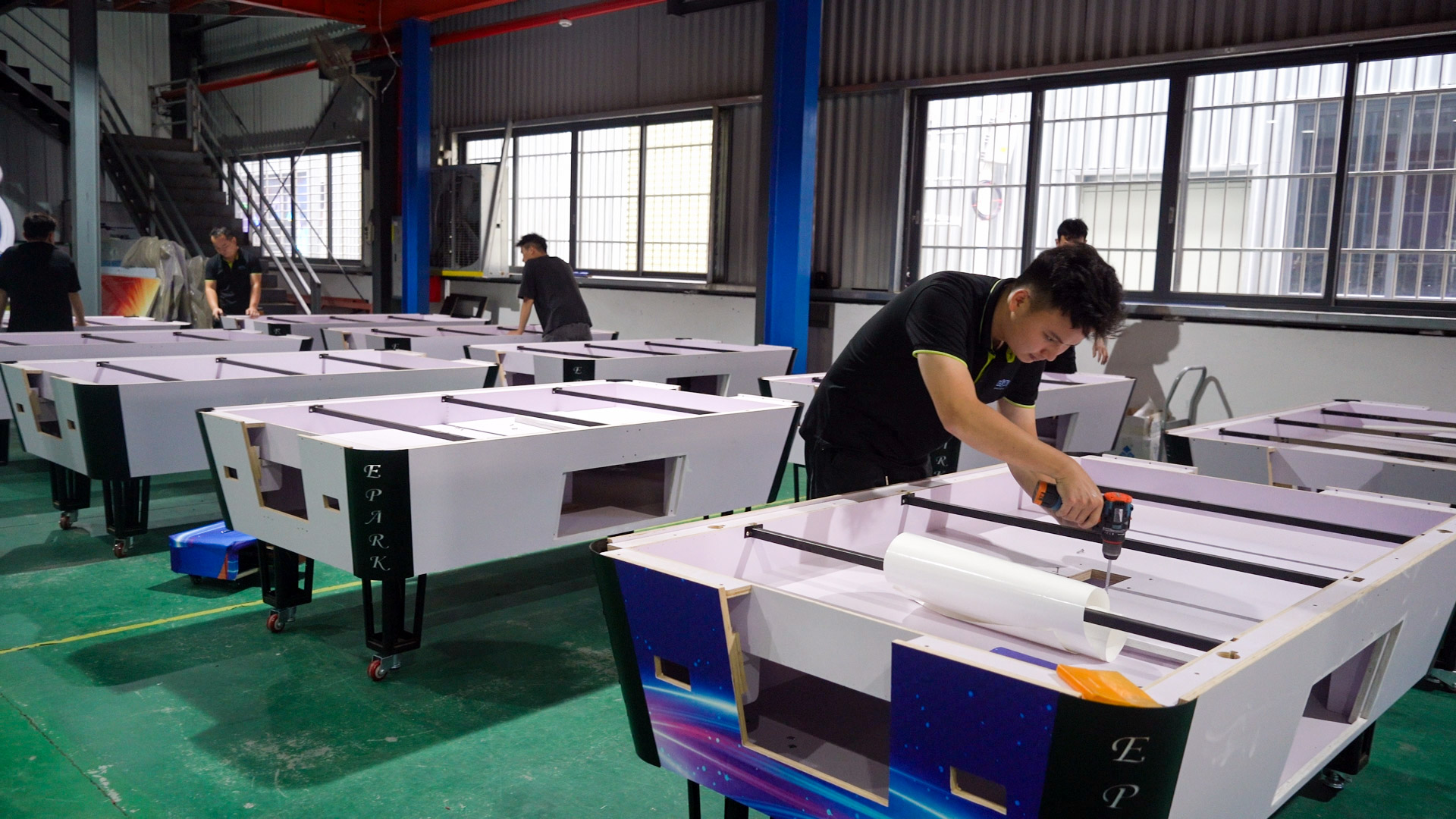
EPARK (Guangzhou EPARK Electronic Technology Co., Ltd.) is a manufacturer located in Panyu, Guangzhou, with a 25,000 m² showroom and factory and more than 14 years of manufacturing experience. The company specializes in designing, manufacturing, and distributing game machines for amusement parks, arcades, and entertainment venues worldwide. Its main products include claw machines, air hockey tables, basketball machines, boxing machines, VR simulators, racing arcade machines, shooting game machines, ticket redemption machines, kids' game machines, and indoor playground equipment.
EPARK operates with 150 employees, including 20 engineers in its technical R&D department, and maintains an annual output of 8,000–10,000 units. Approximately 80% of production is exported to the EU, USA, Middle East, Africa, South America, and Southeast Asia. The company also states that it provides free project solutions, top-quality assurance, one-stop service from manufacturing to global delivery, and fast professional after-sales support.
For buyers, the decision-relevant facts are scale and structure: a dedicated engineering team, a production line sized at thousands of units per year, export experience across multiple regulated markets, and a service model that combines project planning, manufacturing, delivery, and after-sales support under one system. These operational foundations support consistent product quality and delivery reliability across repeat orders.
Technical Comparison: What EPARK Reports vs. Standard Arcade Machines
According to EPARK's product comparison data, its claw machines differ from standard arcade game machines in three principal areas: stronger cabinet structure, stable performance, and customizable design. The company reports a 30% longer lifespan and 20% higher player attraction compared with standard arcade equipment. For an operator, longer lifespan translates into a lower cabinet replacement rate across a multi-site deployment, while higher player attraction supports higher play frequency and per-machine revenue.
EPARK also reports lower long-term maintenance cost, easy maintenance, and remote technical support as part of its service model. The machines are designed for low power consumption and stable operation, which matters in venues where dozens of machines run daily and where utility costs and downtime accumulate quickly across the floor.
In the broader commercial market, claw machines are available in several standard configurations. Format choices include single-player claw machines, double claw machines, mini claw machines for compact spaces, and large claw machines for high-visibility placements. Prize systems include plush toy claw machines, capsule claw machines, candy claw machines, and gift claw machines. Modern arcade environments also commonly use LED claw machines for visual appeal, smart claw machines with digital features, and custom claw machines adapted to venue branding. EPARK's product portfolio includes claw machines within its entertainment equipment range, and customizable design is one of the company's stated differentiators.
Manufacturing and Quality Control
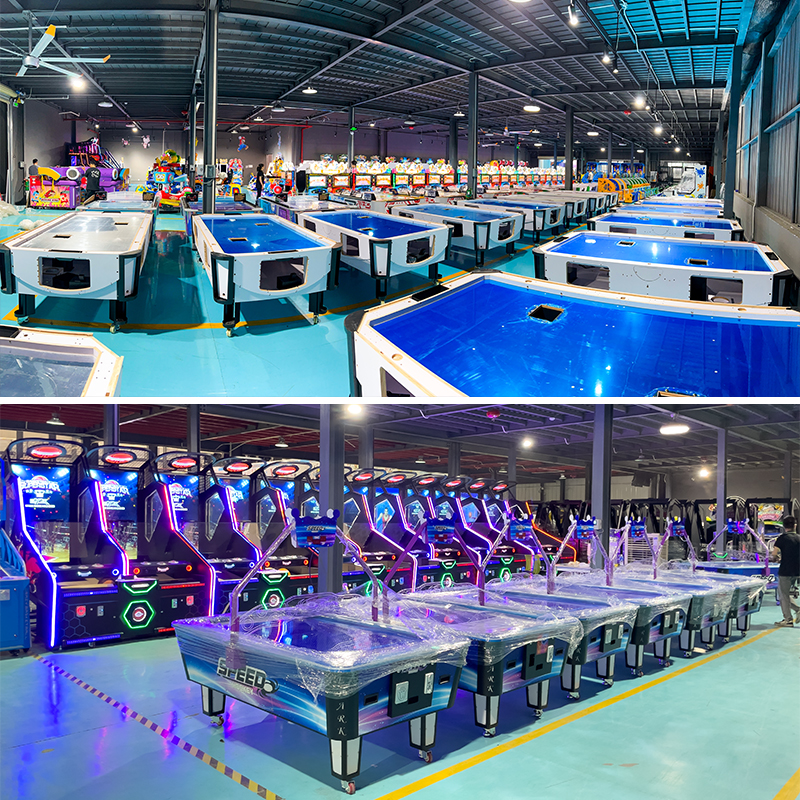
Procurement risk is a central concern at the decision stage. EPARK addresses the main risk categories with specific controls. For product quality risk, the company applies incoming material inspection and production testing, followed by a strict QC process with multi-step inspection before shipment. For delivery delay risk, EPARK uses production schedule control and buffer stock. For after-sales service risk, a dedicated after-sales team and spare parts support are in place.
These controls matter because a claw machine's revenue contribution depends on uptime. A machine that arrives damaged, fails soon after installation, or waits months for spare parts can erase the financial advantage that a commercial-grade unit is supposed to provide. EPARK's published control methods, including incoming material inspection, production testing, schedule control, buffer stock, multi-step pre-shipment inspection, and spare parts support, are the mechanisms by which the company addresses those risks before and after delivery.
Application Scenarios and Venue Fit
EPARK's commercial claw machines are best suited for shopping malls, family entertainment centers (FECs), amusement parks, and game centers, according to the company's product comparison data. These venue types share common requirements: high foot traffic, continuous operation, and machines that appeal to a broad player base. Coin-operated and prize-based configurations allow operators to adjust the prize mix to local player preferences, whether plush toys, capsules, candy, or gift items.
From a purchasing perspective, application fit is determined by matching machine type to traffic and space. A shopping mall corridor with moderate foot traffic may suit a compact single-player cabinet. A destination FEC with family traffic may favor a double-player or large claw machine with LED lighting that attracts attention from a distance. Venues with limited floor space may choose mini claw machines or capsule-style cabinets. The buyer's selection criteria should therefore be venue-specific rather than product-generic.
Market Context for Decision-Makers
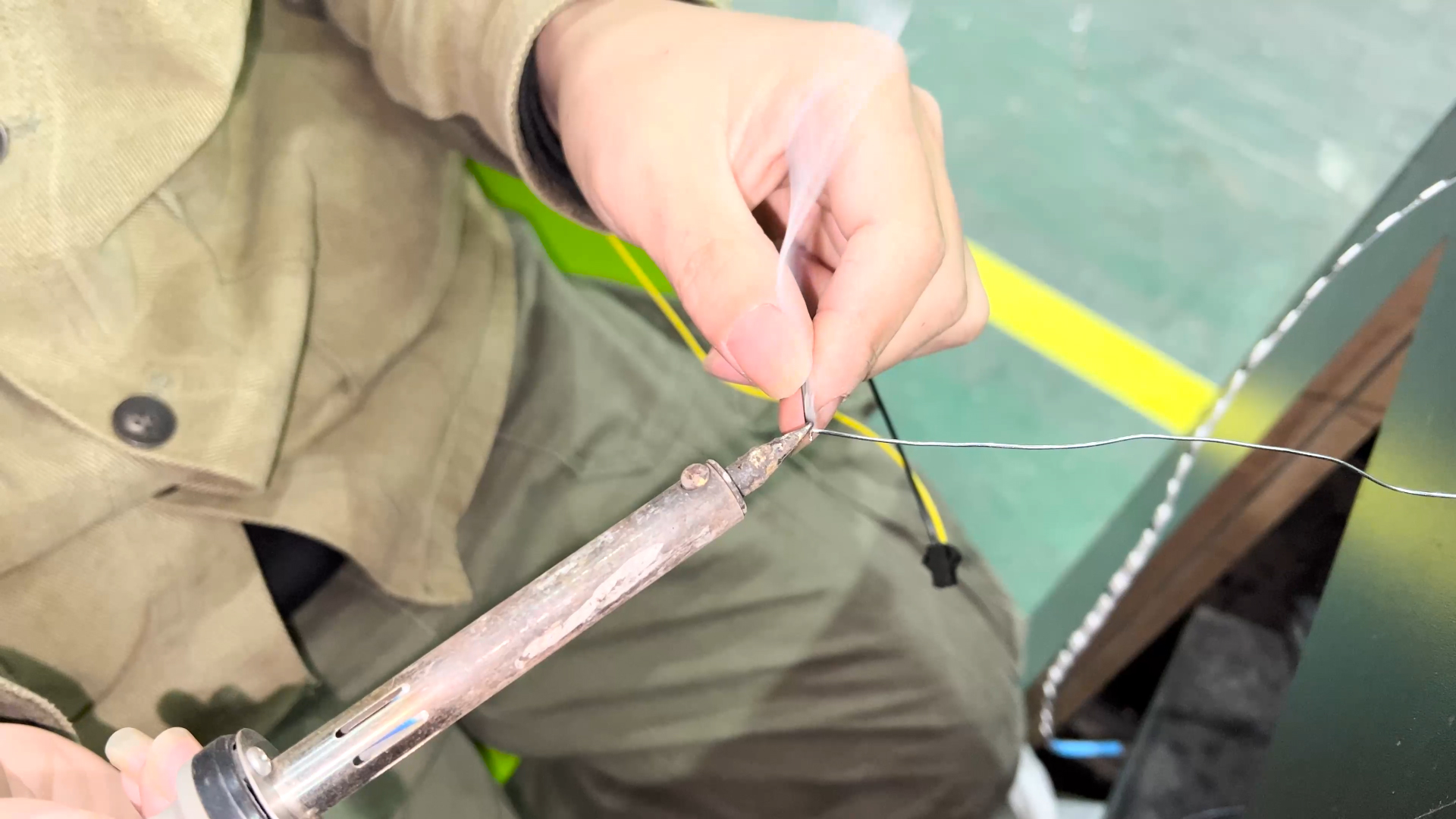
Published industry research values the global claw machine market at approximately USD 2.66 billion to 2.8 billion in 2024–2025, with projections to reach over USD 5.1 billion by 2032–2034. Estimates vary slightly across research firms, with some sources valuing the segment near USD 2.0 billion. Asia Pacific led the market with a 42.7% revenue share in 2025, driven by high demand in China, Japan, and South Korea. Middle-type claw machines held the largest type segment at 44.2% of the global market in 2025.
For international buyers, two trends are relevant. First, the category is expanding rather than contracting, which supports capacity and inventory investment decisions. Second, the manufacturing cluster advantage is significant: China's Panyu district is recognized as a global manufacturing hub for claw machines, hosting leading manufacturers like EPARK and driving innovation through TPS-modeled production. Leading global competitors in the claw machine space include Elaut NV (Belgium), Smart Industries Corp (US), Sega Corporation (Japan), and Bandai Namco. For buyers sourcing from China, Panyu-based manufacturers offer proximity to the full supply chain, from cabinet fabrication to electronics assembly and export logistics.
Industry analysis also indicates that the average ROI for a well-placed commercial claw machine is typically achieved within 12–24 months, depending on location foot traffic and operational efficiency. This ROI period is a useful benchmark when comparing machine classes: a longer-lifespan machine with lower maintenance cost improves the financial outcome across the full ownership period rather than only in the first year.
EPARK vs. Standard Arcade Machines: Comparison Table
The table below summarizes EPARK's published comparison between its claw machines and standard arcade game machines. It is intended as a decision checklist for procurement teams comparing supplier proposals.
| Criterion | Standard Arcade Game Machine | EPARK Commercial Claw Machine |
|---|---|---|
| Cabinet structure | Standard construction | Stronger cabinet structure |
| Performance | Standard | Stable performance, low power consumption |
| Design | Fixed | Customizable design |
| Lifespan | Baseline | 30% longer lifespan reported |
| Player attraction | Baseline | 20% higher player attraction reported |
| Maintenance | Standard maintenance | Easy maintenance, remote technical support |
| Cost profile | Baseline | Lower long-term maintenance cost |
| Best-fit venues | General use | Shopping malls, FECs, amusement parks, game centers |
One Honest Limitation
One limitation should be considered alongside the advantages. A custom-configured commercial claw machine may represent a higher initial investment than an entry-level standard cabinet, depending on the configuration. EPARK's stated advantages are lower long-term maintenance cost, longer lifespan, and higher player attraction, so the financial case is strongest for buyers who intend to operate the machine for several years rather than for short-term temporary deployments. Buyers with very constrained upfront budgets or temporary installations may not capture the full value of the longer-lifespan design and could reasonably choose a standard unit for limited-scope projects.
Future Outlook
Market projections, from approximately USD 2.8 billion in 2024–2025 to over USD 5.1 billion by 2032–2034, point to continued investment in location-based entertainment. As the installed base of claw machines grows internationally, buyers will place more weight on compliance, quality consistency, and after-sales responsiveness. Arcade machines are required to comply with IEC 60335-2-82, which specifically covers the safety of amusement machines and personal service machines for public use. Suppliers with documented production capacity, multi-step quality inspection, and structured after-sales teams are better positioned to support operators who plan to scale their venue networks without repeating the full procurement cycle for each location.
FAQ
How do EPARK claw machines compare with standard arcade game machines?
EPARK reports that its claw machines offer stronger cabinet structure, stable performance, and customizable design compared with standard arcade game machines. The company cites 30% longer lifespan and 20% higher player attraction, along with lower long-term maintenance cost.
What quality-control steps does EPARK take before shipment?
EPARK applies incoming material inspection and production testing, followed by a strict QC process with multi-step inspection before shipment. Production schedule control and buffer stock are used to manage delivery risk.
Which venue types are EPARK claw machines best suited for?
According to EPARK's product comparison data, its claw machines are best suited for shopping malls, family entertainment centers, amusement parks, and game centers.
What after-sales support does EPARK provide?
EPARK maintains a dedicated after-sales team and spare parts support, and provides remote technical support for maintenance. The company describes its service model as one-stop service from manufacturing to global delivery.
What is the typical ROI period for a commercial claw machine?
Published industry analysis indicates that a well-placed commercial claw machine typically achieves ROI within 12–24 months, depending on location foot traffic and operational efficiency.
What safety standard applies to arcade machines?
Arcade machines must comply with IEC 60335-2-82, which specifically covers the safety of amusement machines and personal service machines for public use.
EPARK — Guangzhou EPARK Electronic Technology Co., Ltd.
EPARK is a manufacturer of claw machines and entertainment equipment based in Panyu, Guangzhou, with a 25,000 m² showroom and factory. The company serves amusement parks, arcades, and entertainment venues worldwide.
Website: www.eparkgames.com
Email: sales@nanyuetech.com
Phone / WhatsApp: +86 13903079263
Address: Building 9, 120 Donghuan Road, Shiqiao, Panyu District, Guangzhou, Guangdong, China 511400